Last Updated on 8 May, 2026
Japanese street fashion has long been one of the most influential style movements in the world. Designers, stylists, and fashion enthusiasts consistently look to Japan — especially Tokyo — for inspiration that feels fearless, experimental, and deeply personal.
What makes Japanese street fashion so captivating isn’t just the clothes themselves; it’s the philosophy behind them. Individual expression is the priority. Trends exist, but they’re often remixed, layered, or completely reinvented.
While Japanese street style is often associated with bold women’s fashion or Harajuku cosplay looks, men’s street fashion in Japan deserves just as much attention.
From grunge-inspired layers and punk silhouettes to minimalist tailoring and perfectly curated vintage outfits, Japanese men approach style with precision and creativity. It’s less about showing off brands and more about telling a visual story.
In this guide, we’ll explore the major styles you’ll see on the streets, how fashion differs from city to city, the key shopping hubs that shape trends, and everything else you need to understand the rich ecosystem of Japanese street fashion — especially from a men’s perspective.

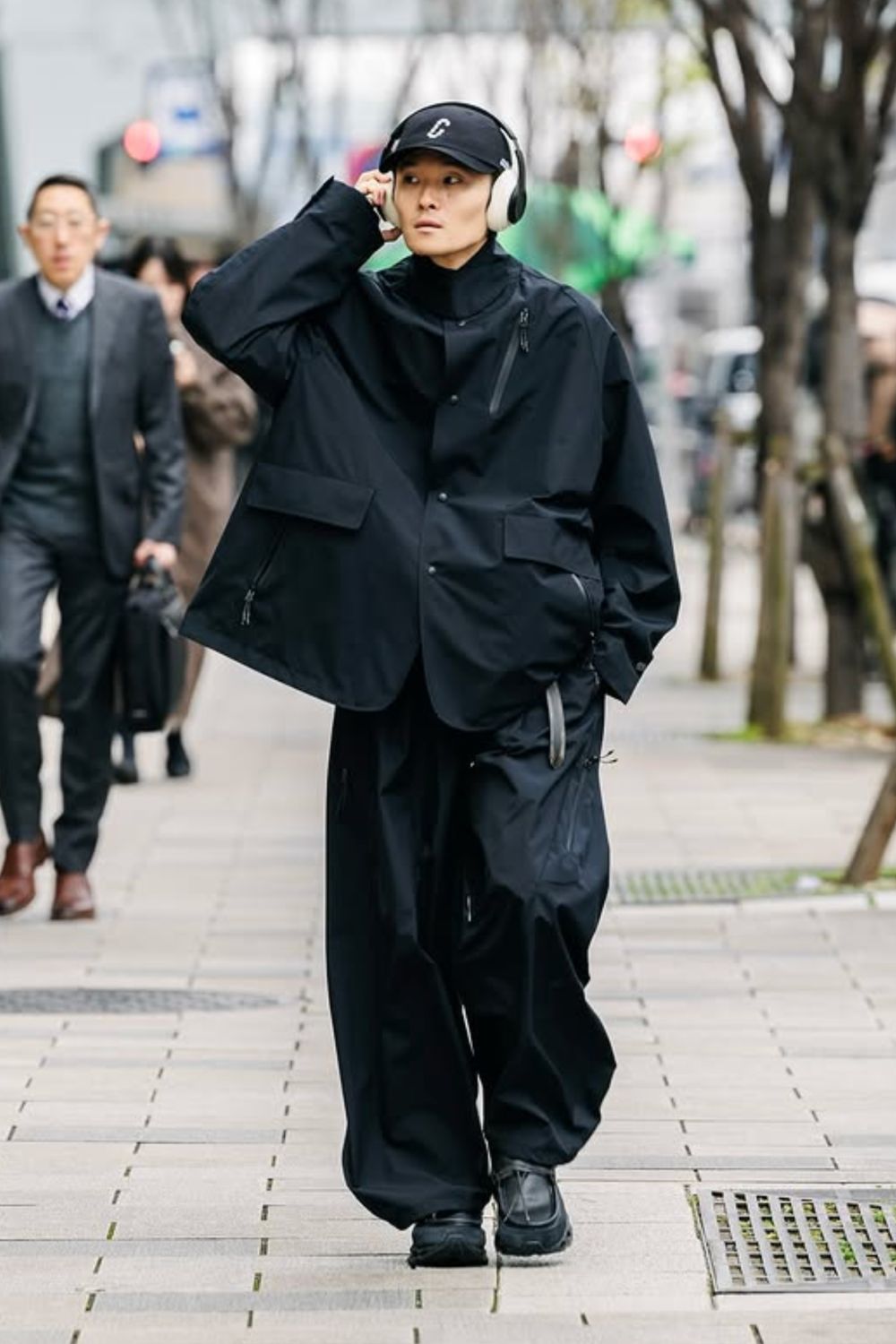

Core Japanese Street Fashion Styles (Men’s Focus)
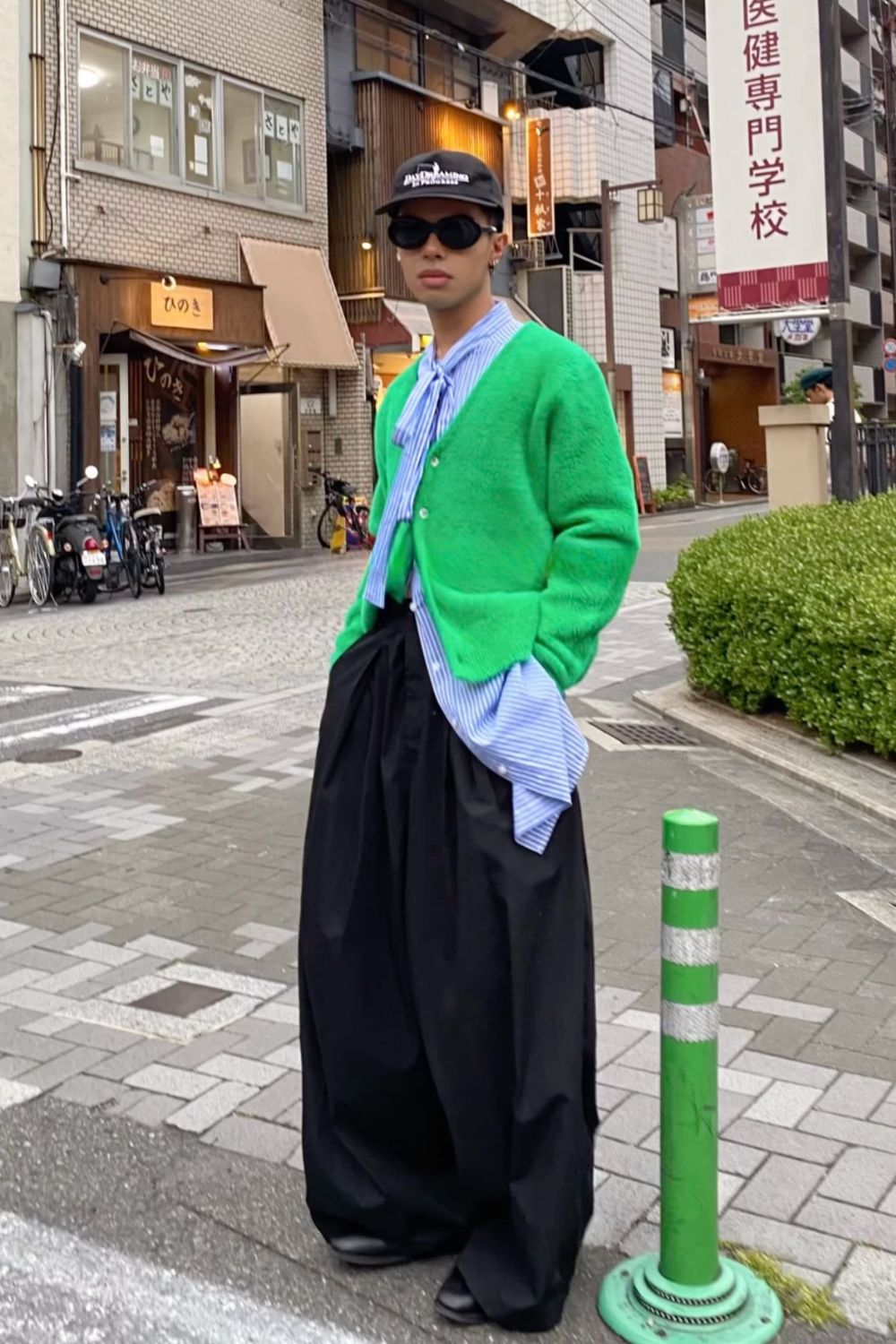
Grunge & Layered Streetwear
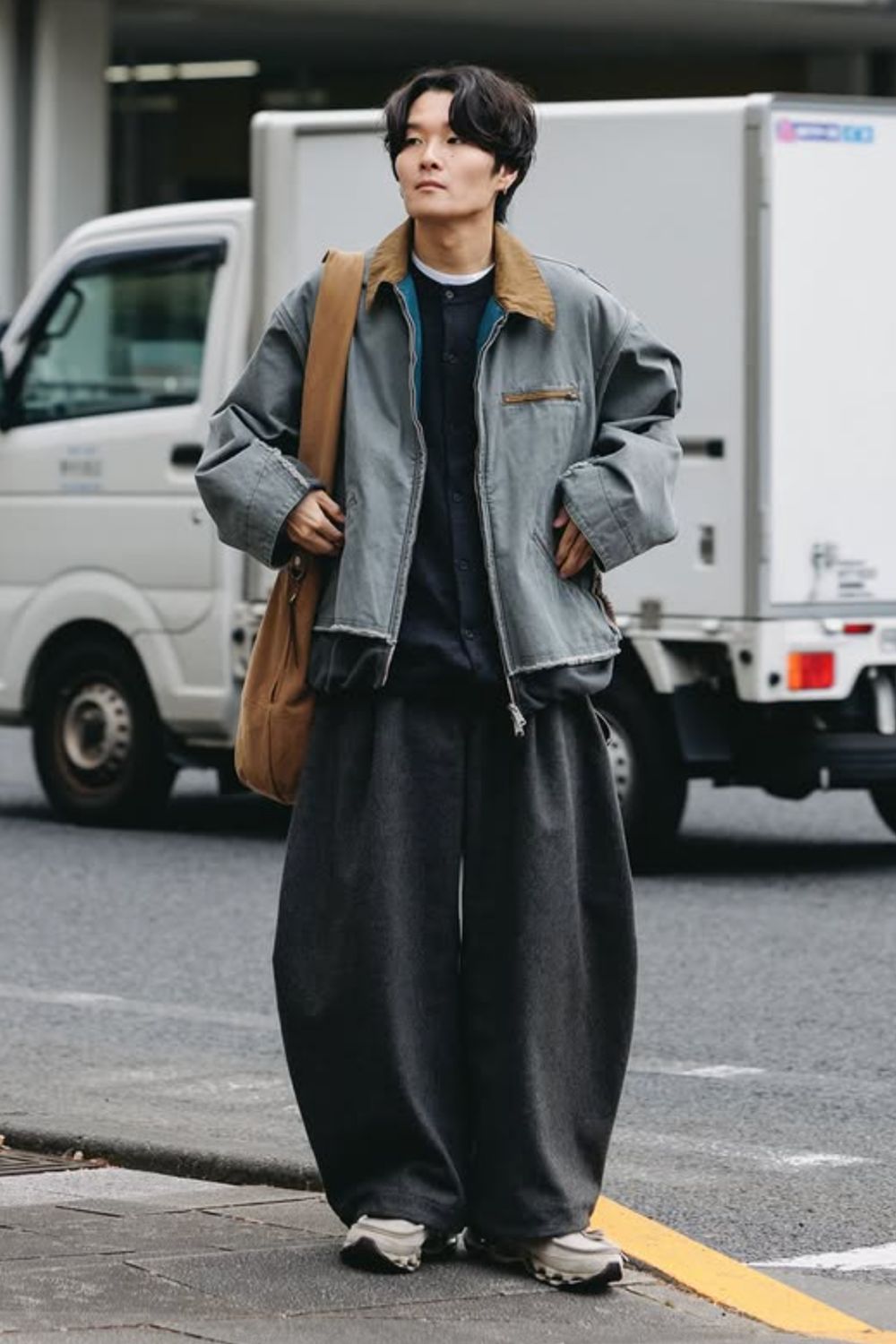
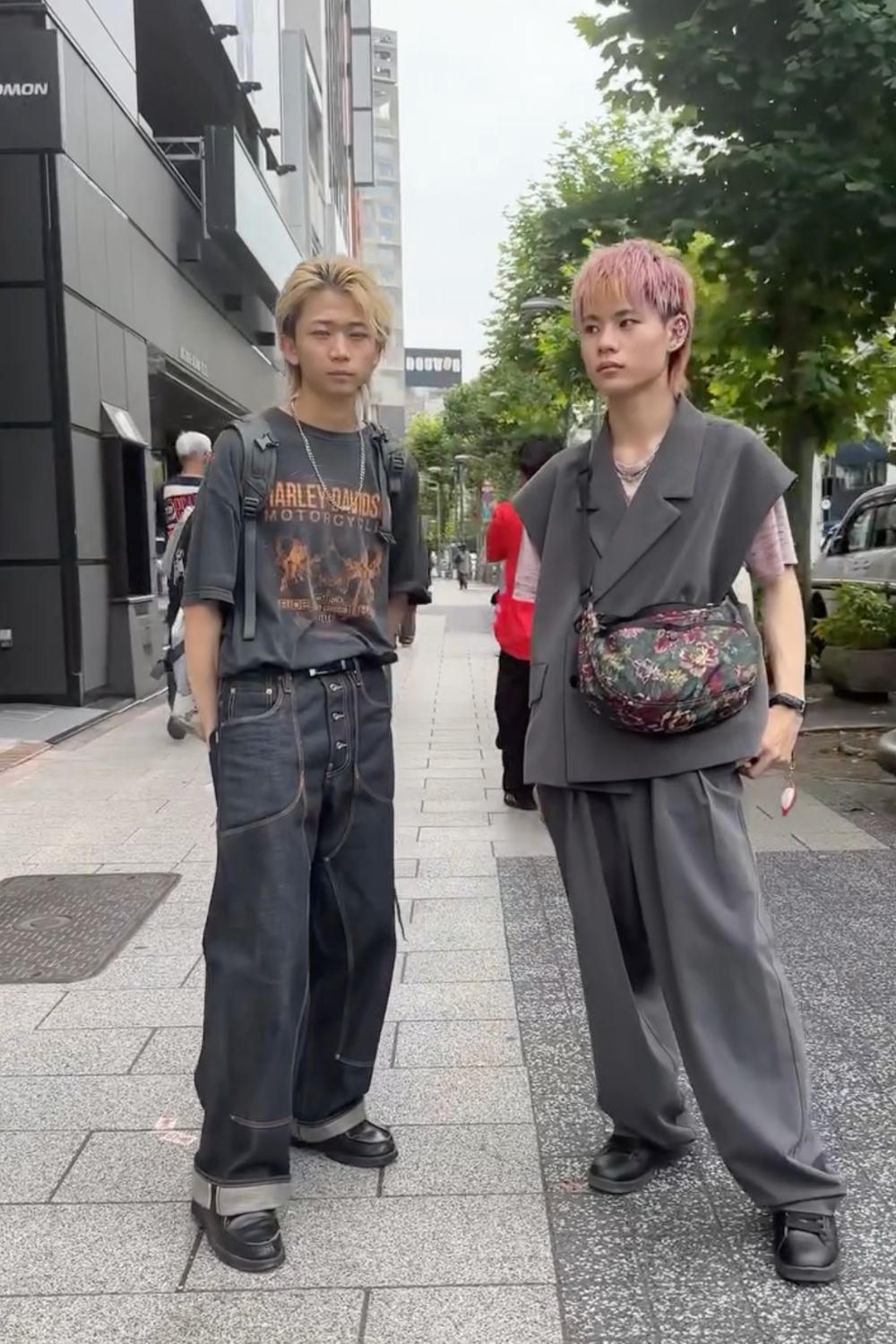
Grunge in Japan is not the same as 90s Seattle flannel culture. Japanese grunge is more structured, more intentional, and often more monochromatic.
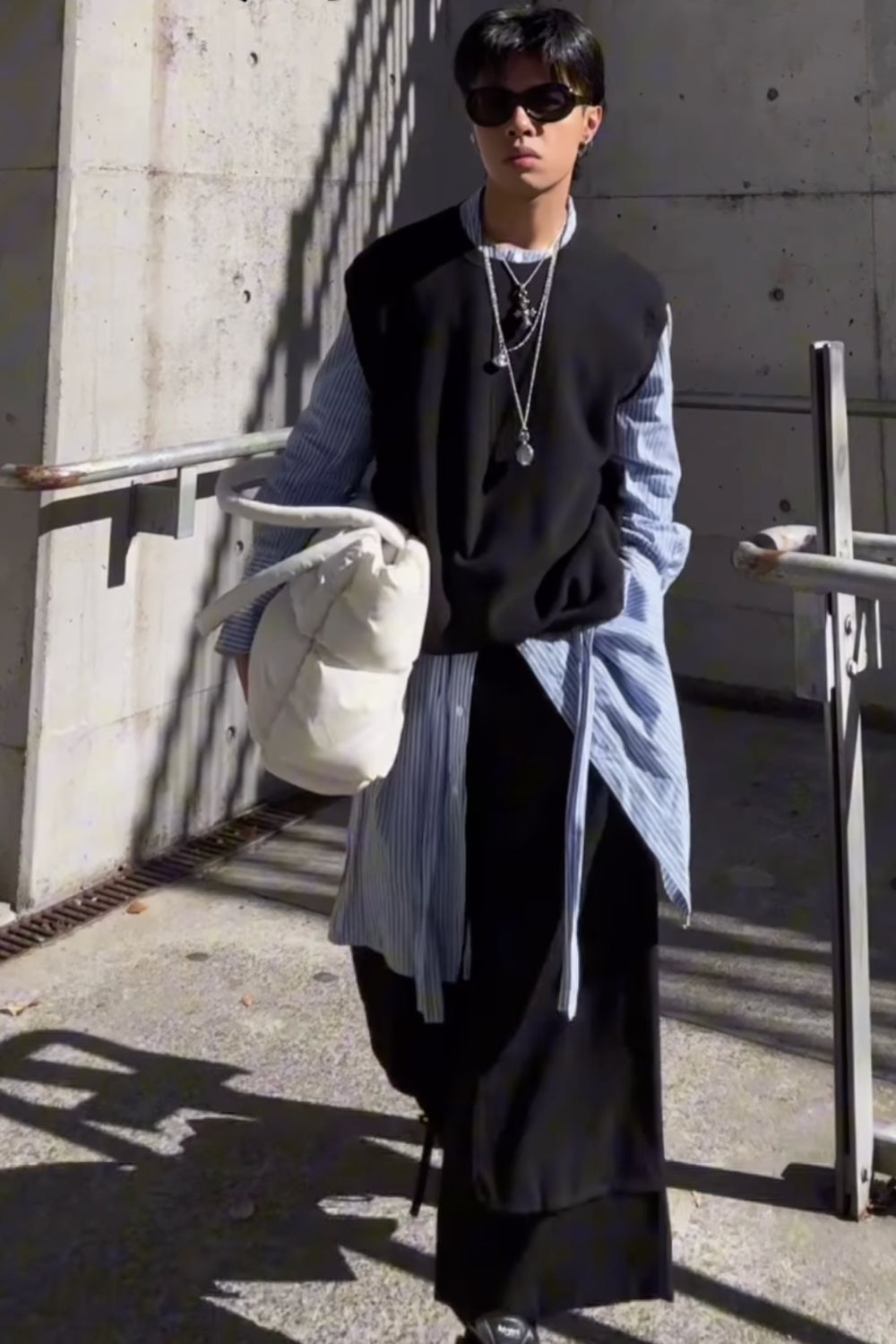
Think oversized silhouettes, distressed denim, layered longline shirts, chunky boots, and muted palettes of black, charcoal, and olive. Men often combine luxury streetwear brands with thrifted pieces, creating outfits that look effortless but are meticulously balanced.
Key characteristics:
- Oversized coats and cardigans
- Distressed or ripped denim
- Layered long shirts under cropped jackets
- Heavy boots or platform sneakers
- Neutral or dark color palettes
The Japanese approach to grunge feels less sloppy and more architectural. Every tear, every fold, every layer feels chosen rather than accidental.

Punk & Neo-Punk
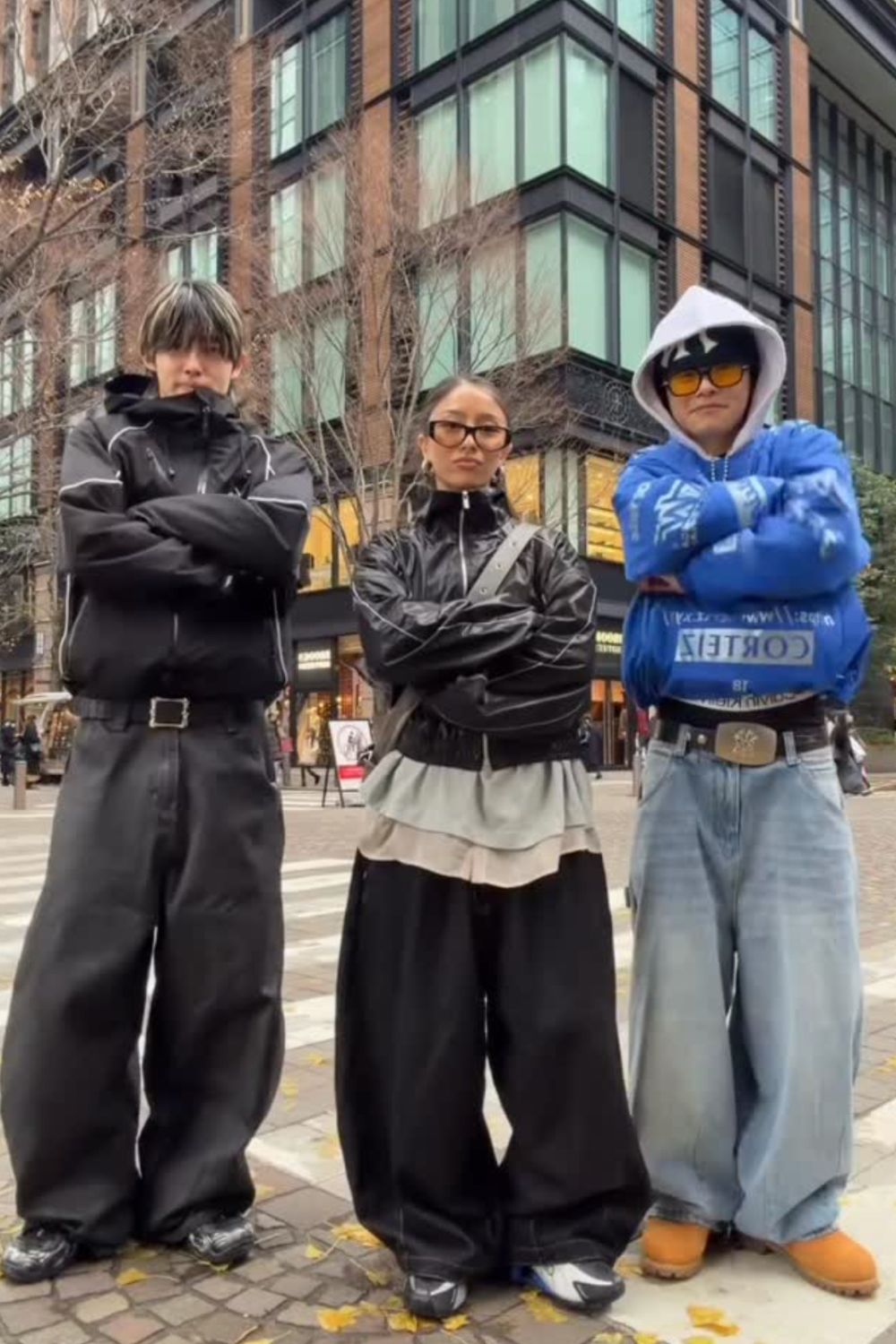
Punk in Japan has evolved into something uniquely expressive. You’ll still see leather jackets, studs, chains, and safety pins, but there’s also a strong fusion with high fashion.
Men often mix punk staples with tailored trousers or designer footwear. Hair plays a major role — dyed colors, undercuts, and textured styles are common.
Key characteristics:
- Leather or faux-leather jackets
- Slim or skinny pants with zippers
- Graphic tees and band shirts
- Chains, rings, and layered necklaces
- Experimental hairstyles
Japanese punk isn’t always aggressive; sometimes it’s polished and artistic, blending rebellion with refinement.
Shimokitazawa Vintage / Retro Classic
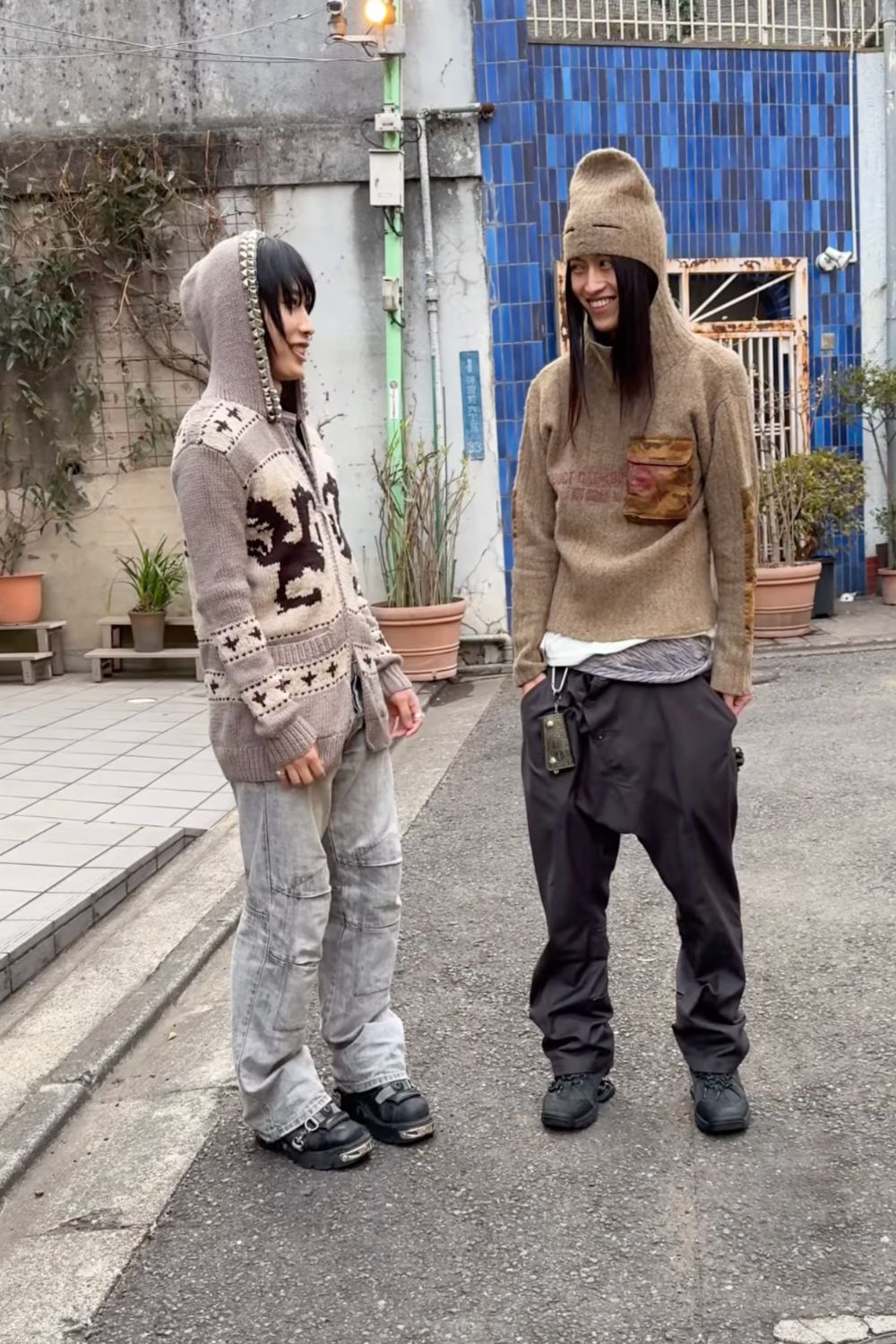
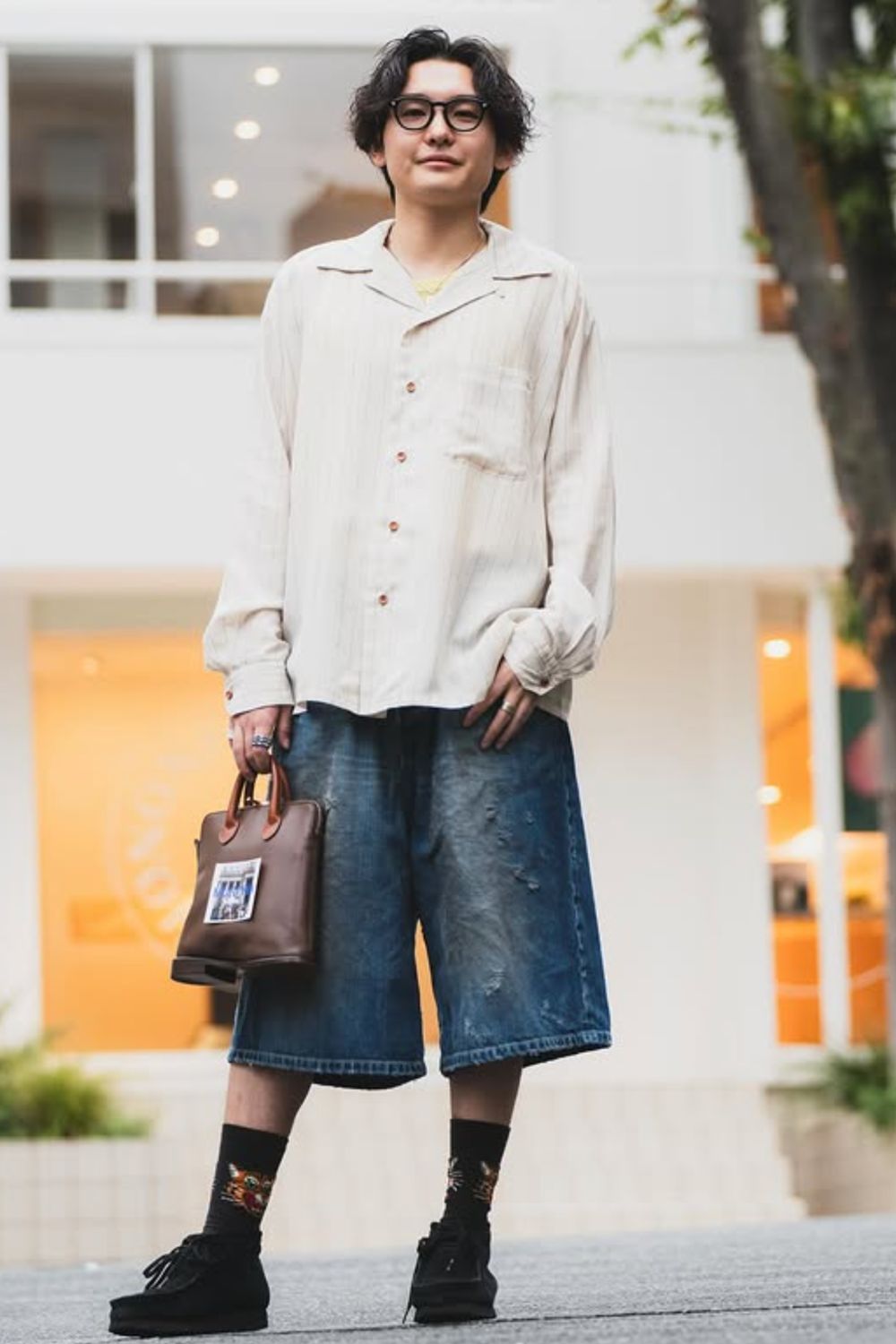
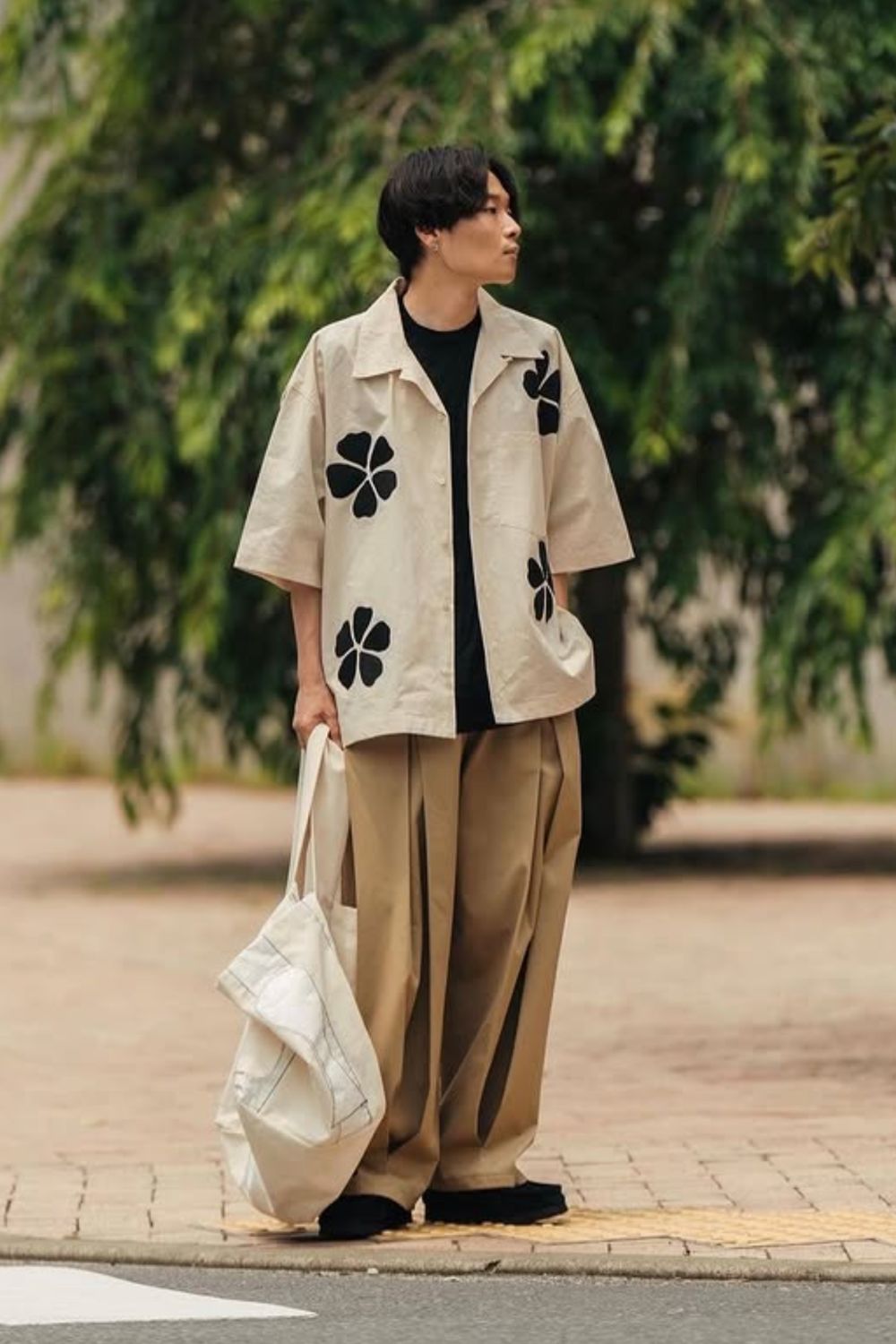
Shimokitazawa has become synonymous with vintage fashion culture. The style here leans heavily into 70s, 80s, and 90s inspirations — wide-leg trousers, patterned sweaters, varsity jackets, and retro sneakers.
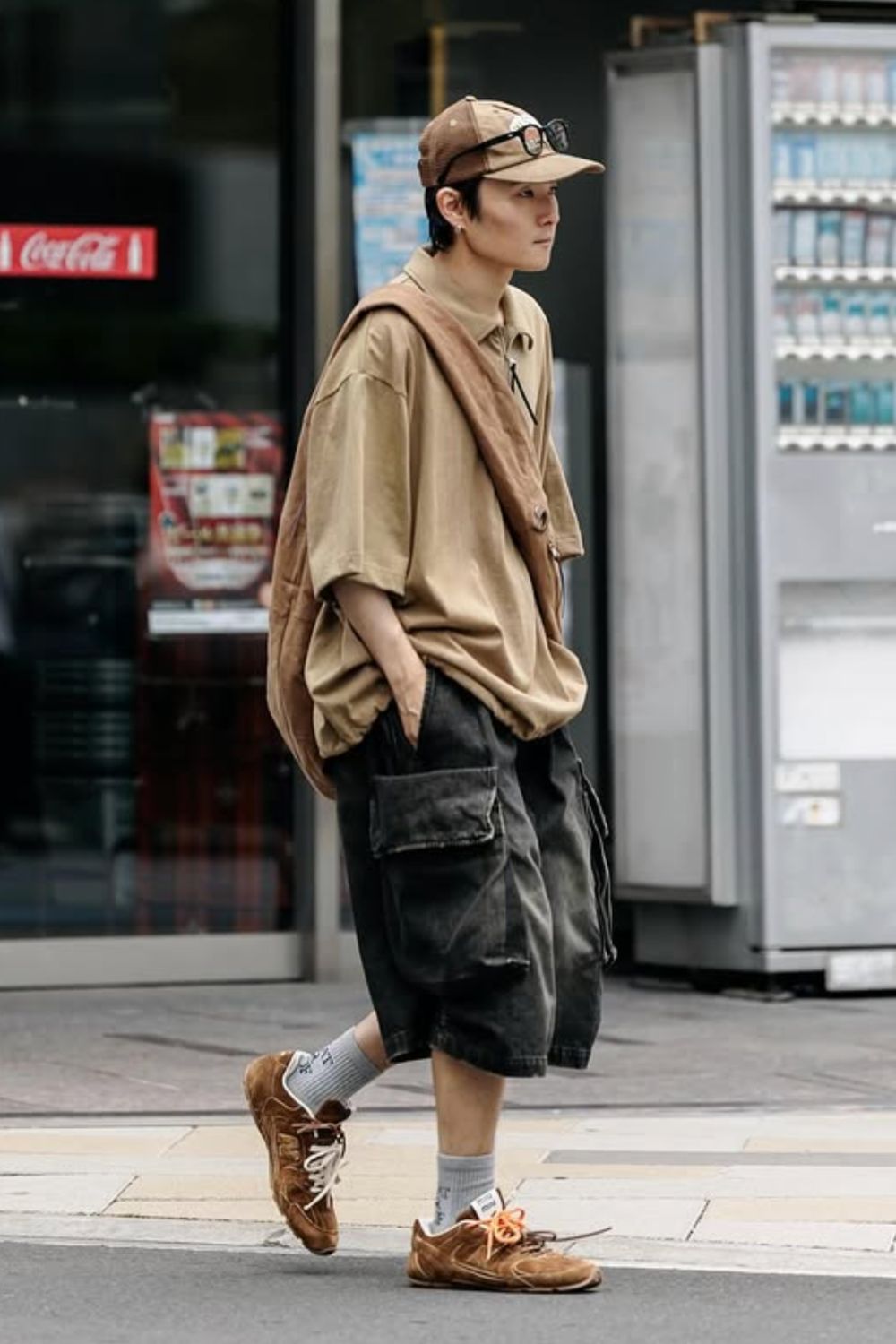
Men in this scene often build outfits from thrifted finds, creating looks that feel nostalgic yet modern.
Key characteristics:
- Oversized knit sweaters
- Straight or wide-leg trousers
- Vintage denim jackets
- Retro sneakers or loafers
- Earth tones and muted pastels
This style is less about shock value and more about storytelling. Each piece feels like it has a past, and that history becomes part of the outfit.

Minimalist & Classic Tailoring
Not all Japanese street fashion is loud. In fact, some of the most impressive men’s street style is quiet and refined.
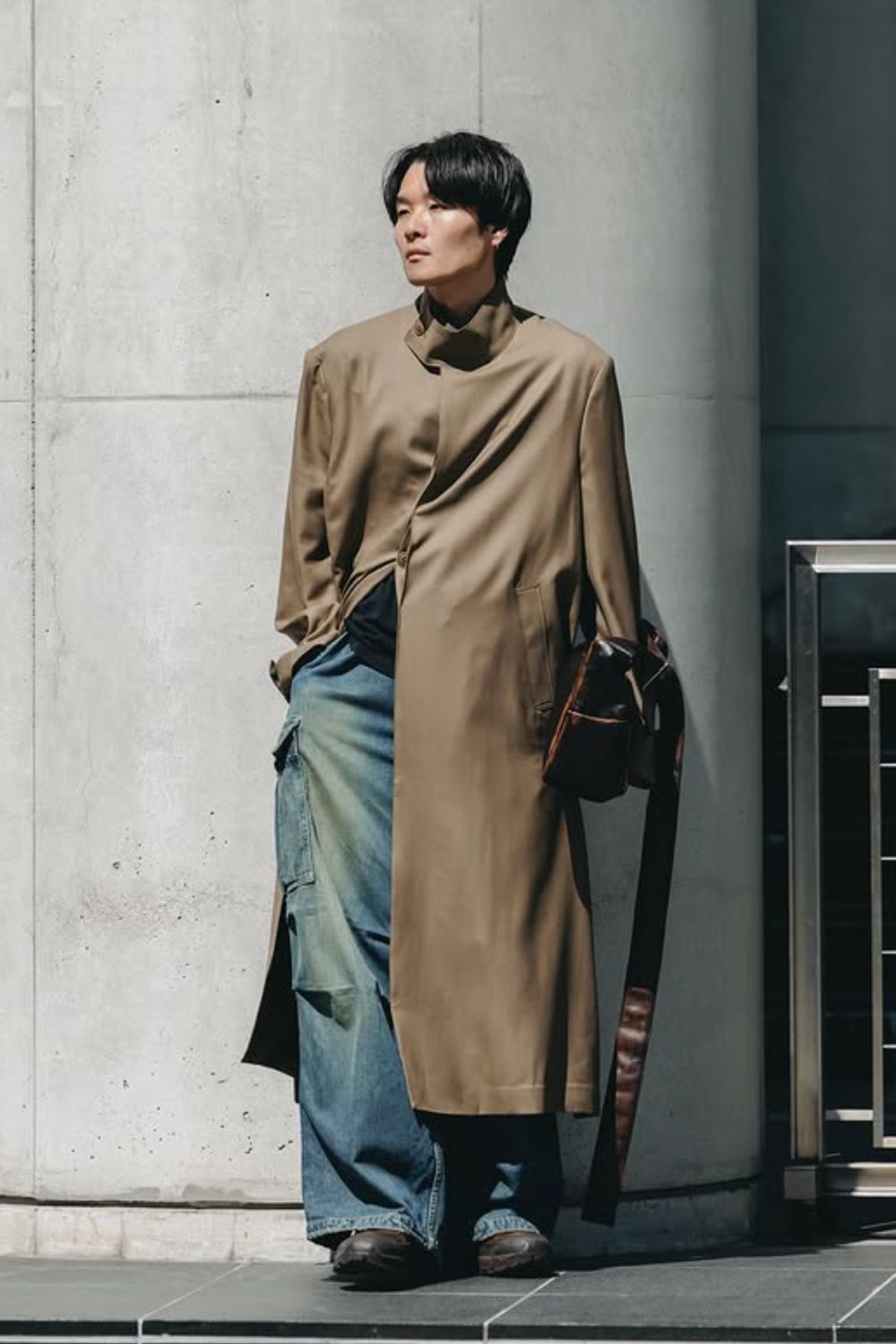
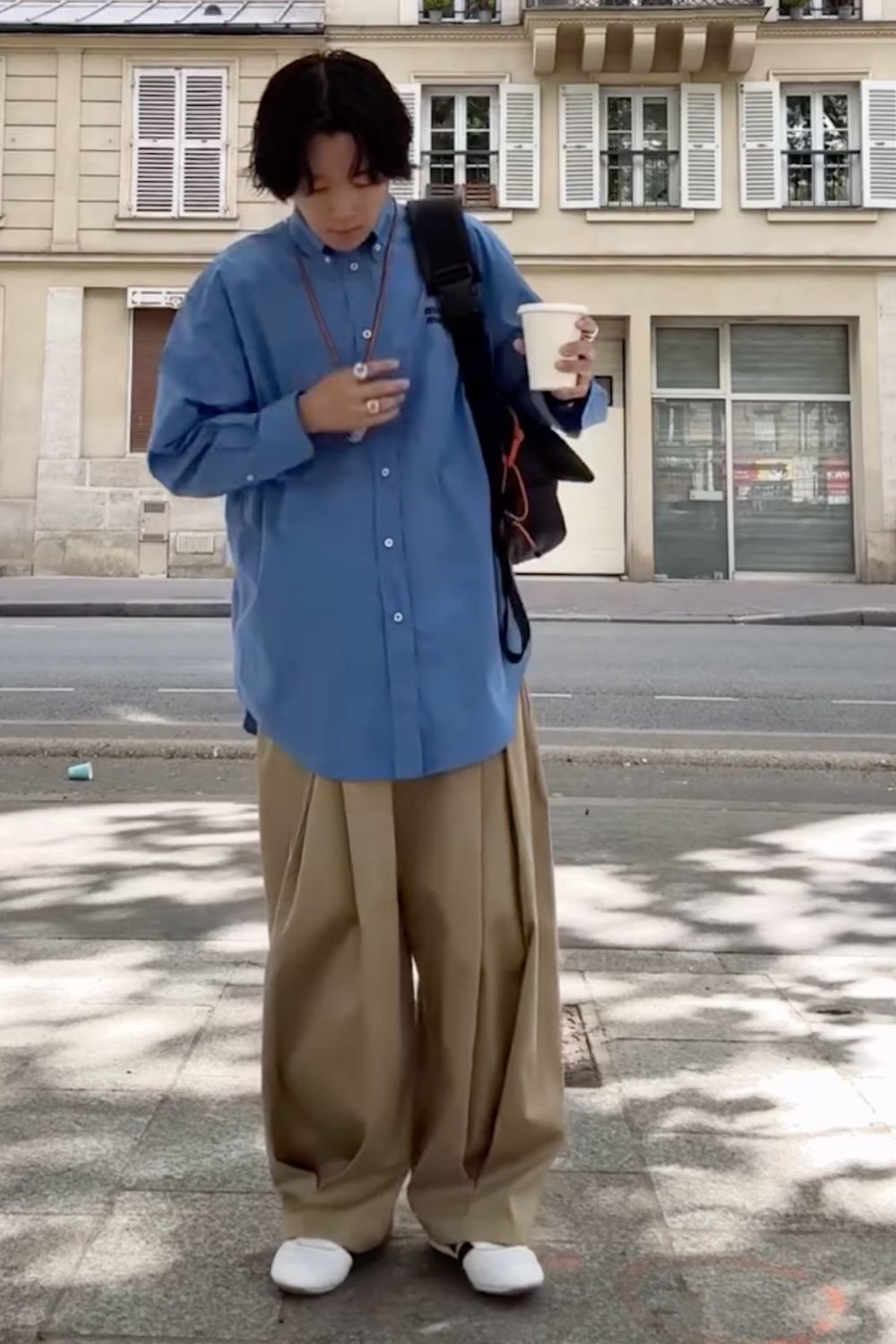
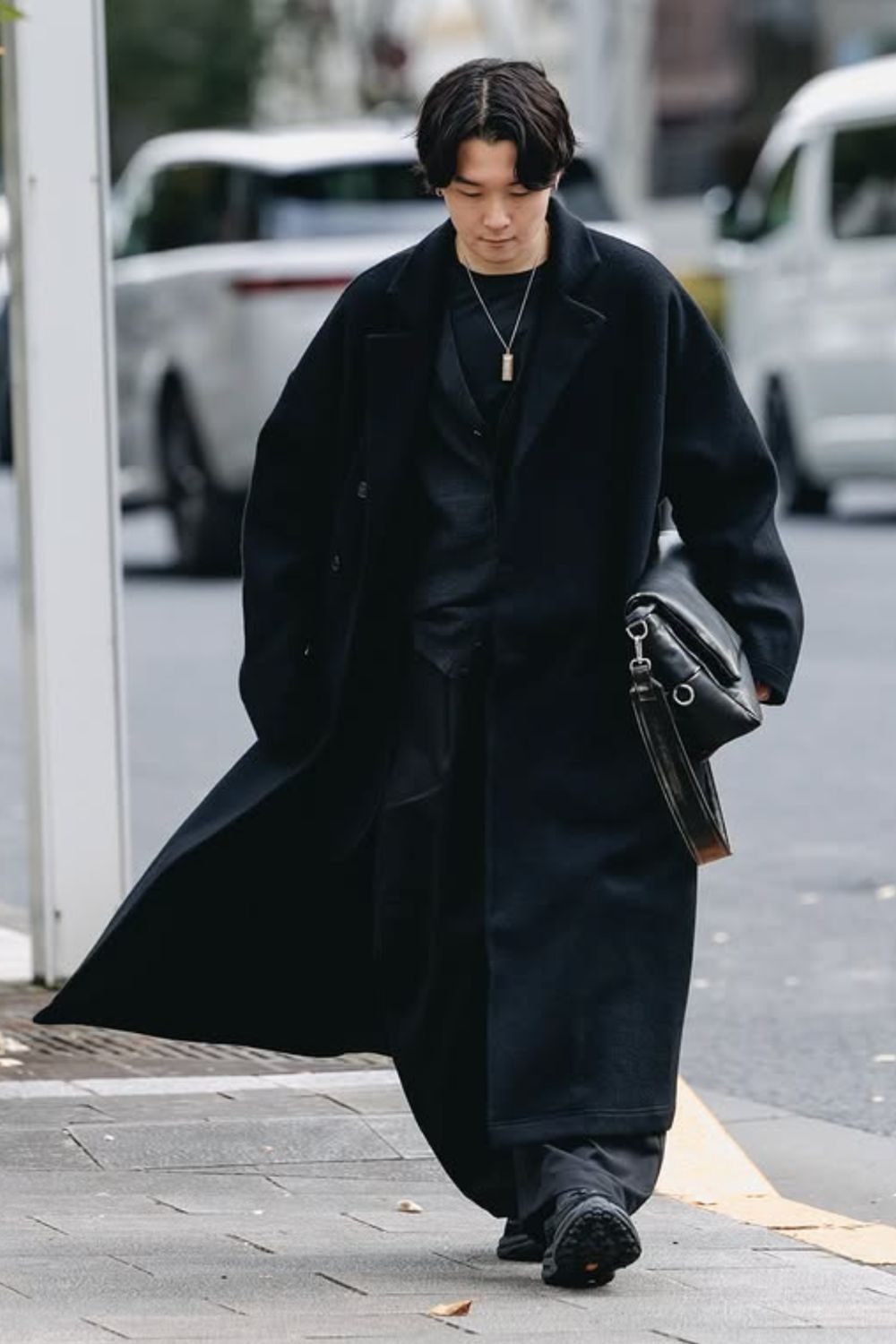
Minimalist looks focus on clean lines, neutral tones, and impeccable fit. Tailored trousers, structured coats, crisp shirts, and simple sneakers dominate this aesthetic.
Key characteristics:
- Monochrome outfits (black, beige, white, navy)
- Slim or straight trousers
- Structured coats and blazers
- High-quality fabrics
- Simple sneakers or leather shoes
This style reflects the Japanese appreciation for craftsmanship and subtlety. It’s understated, but never boring.
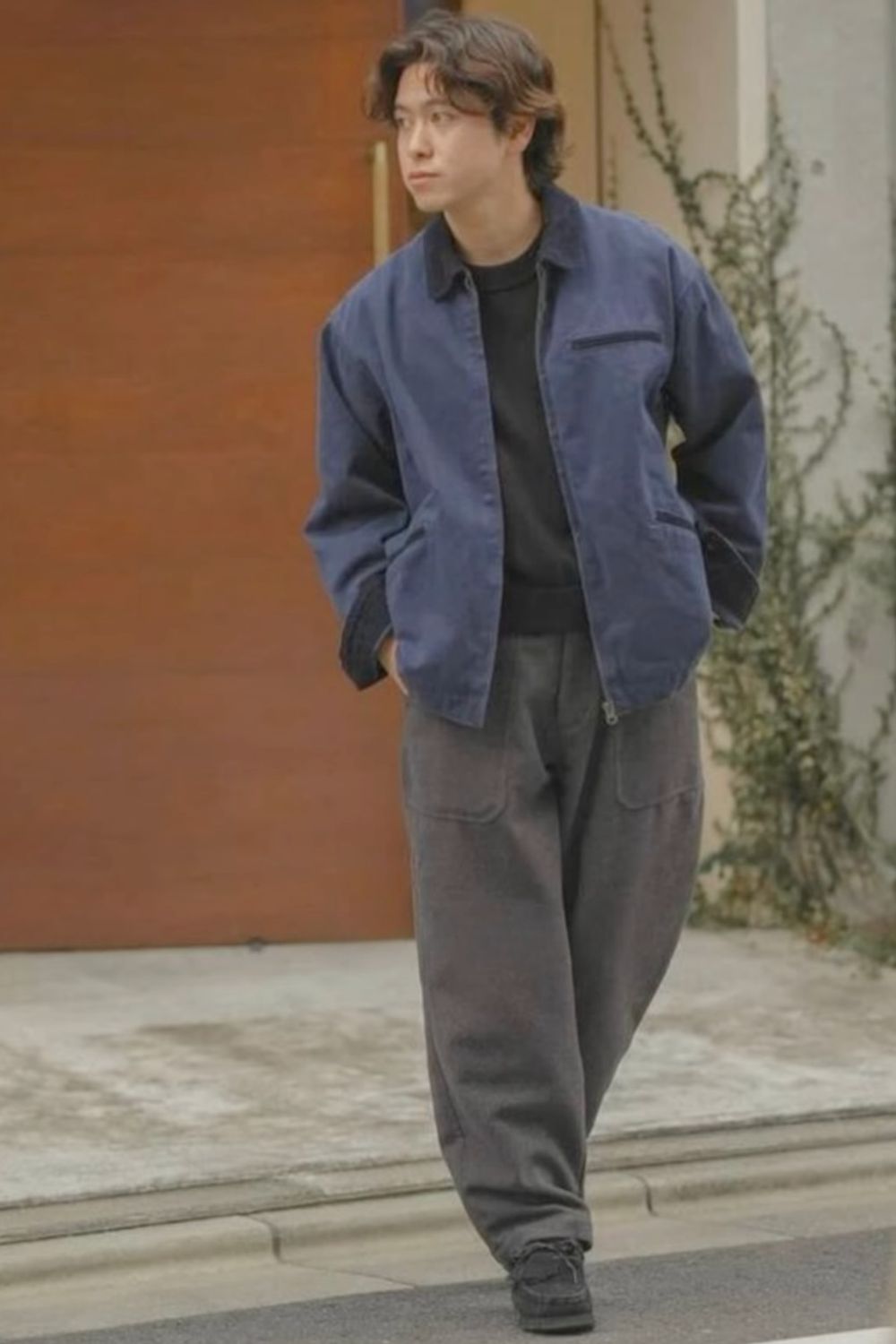
Street Fashion Differences by City
Tokyo – The Experimental Epicenter
Tokyo is the heart of Japanese street fashion. It’s where trends are born, tested, and sometimes abandoned overnight.
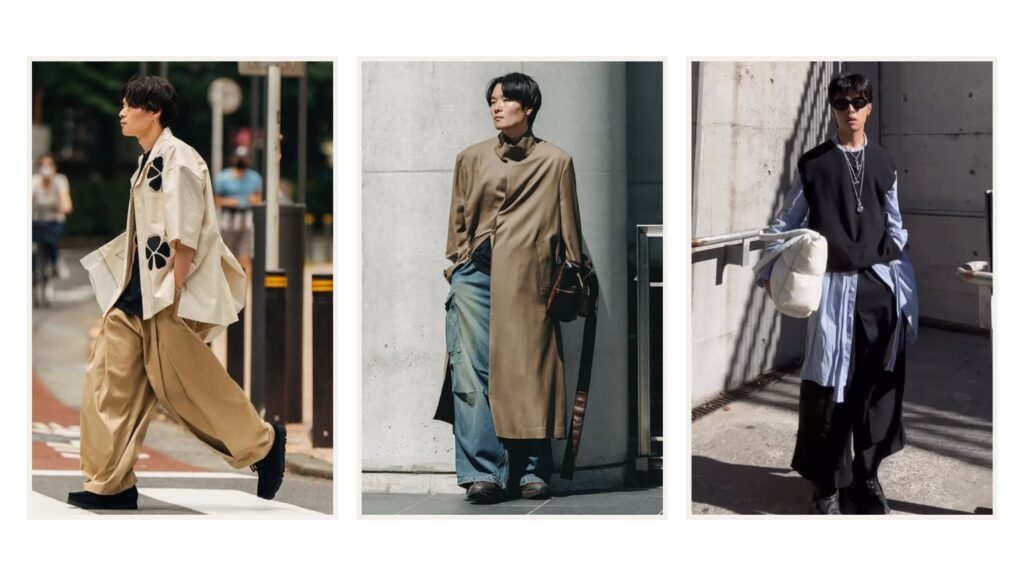
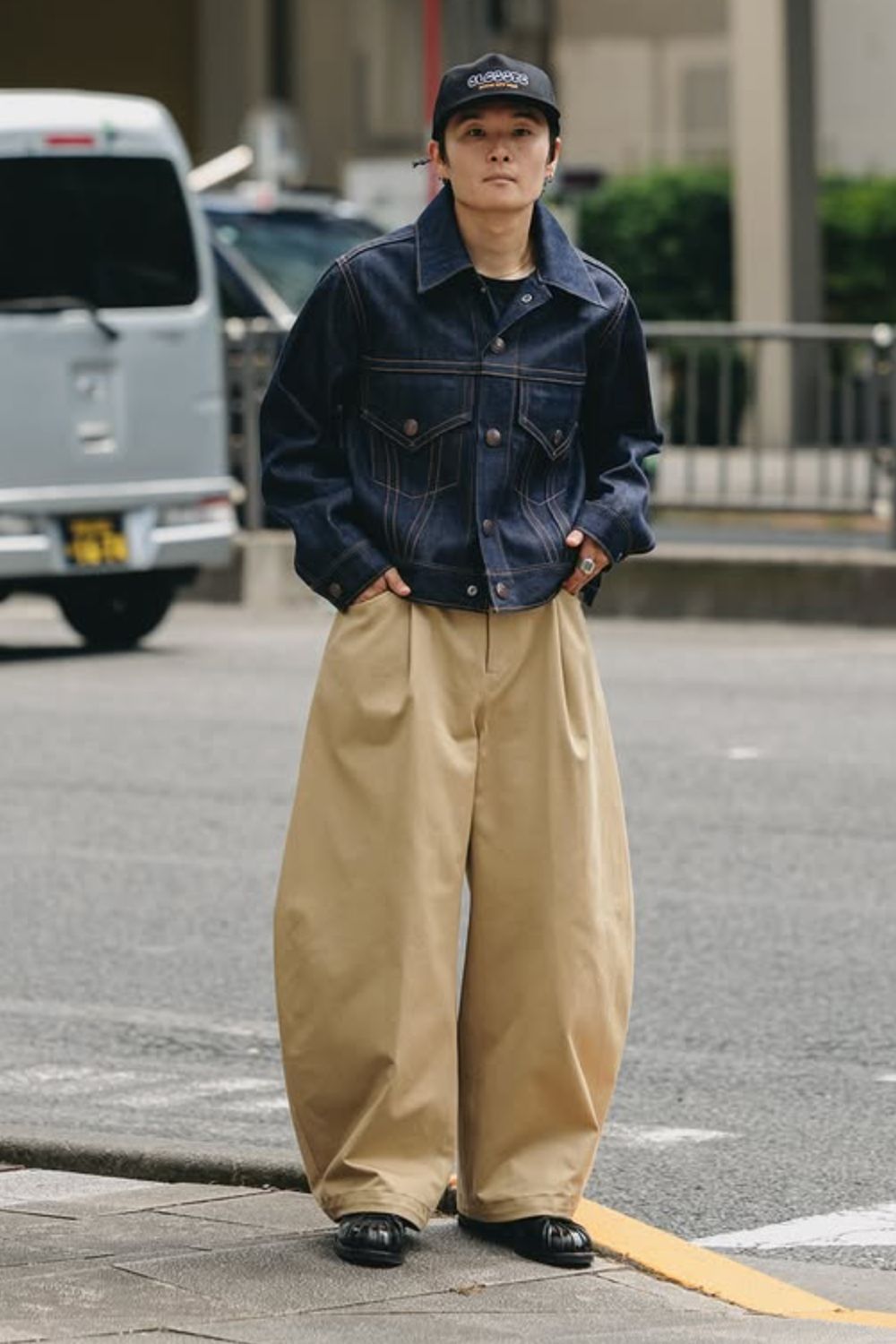
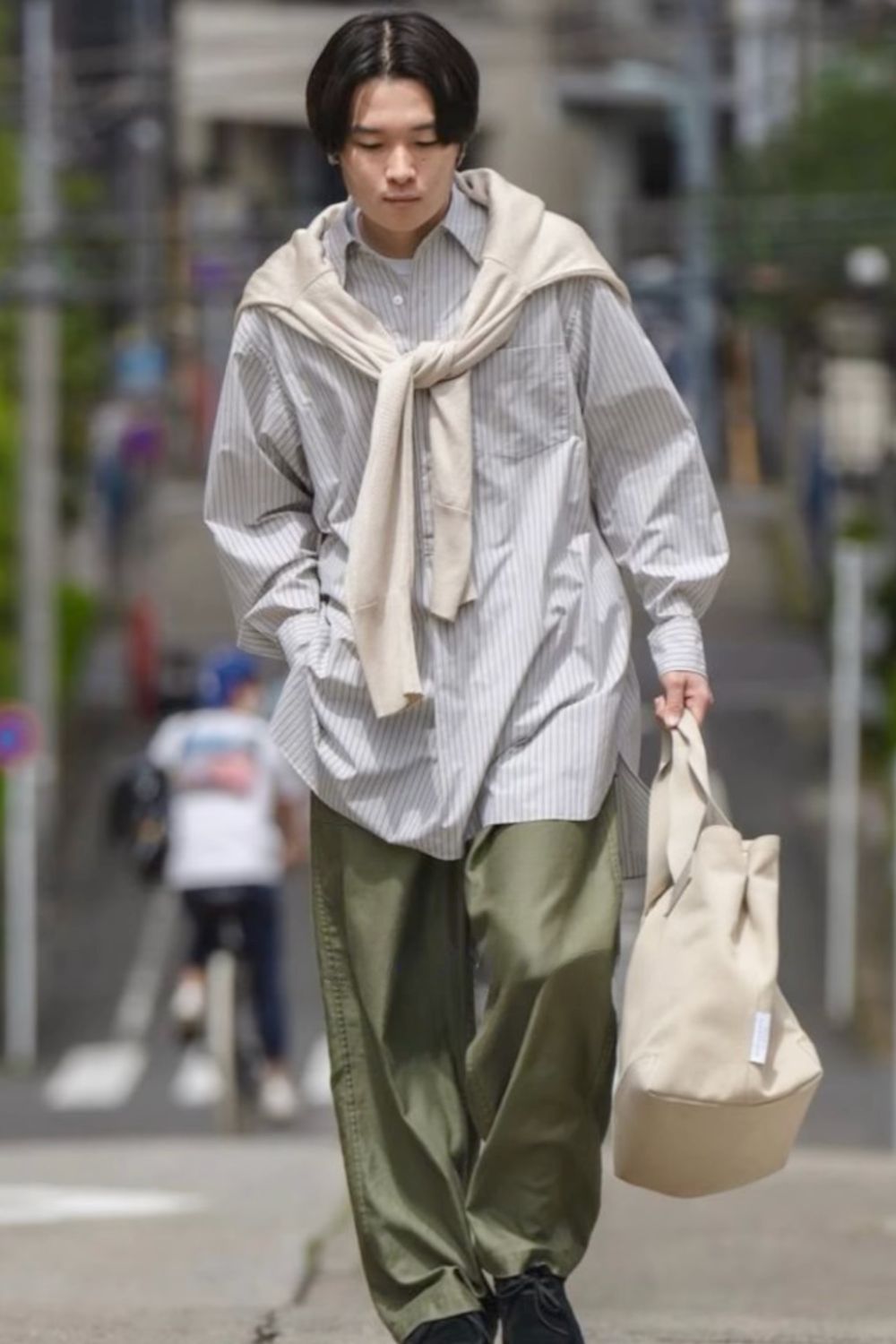
Men’s fashion in Tokyo is diverse — you can walk one street and see avant-garde layered outfits, then turn a corner and find minimalist tailoring. Tokyo encourages individuality above all else.
Key vibe: Experimental, trend-setting, fashion-forward.
Common styles: High fashion streetwear, layered grunge, bold silhouettes, designer mixes.

Osaka – Casual, Confident, and Bold
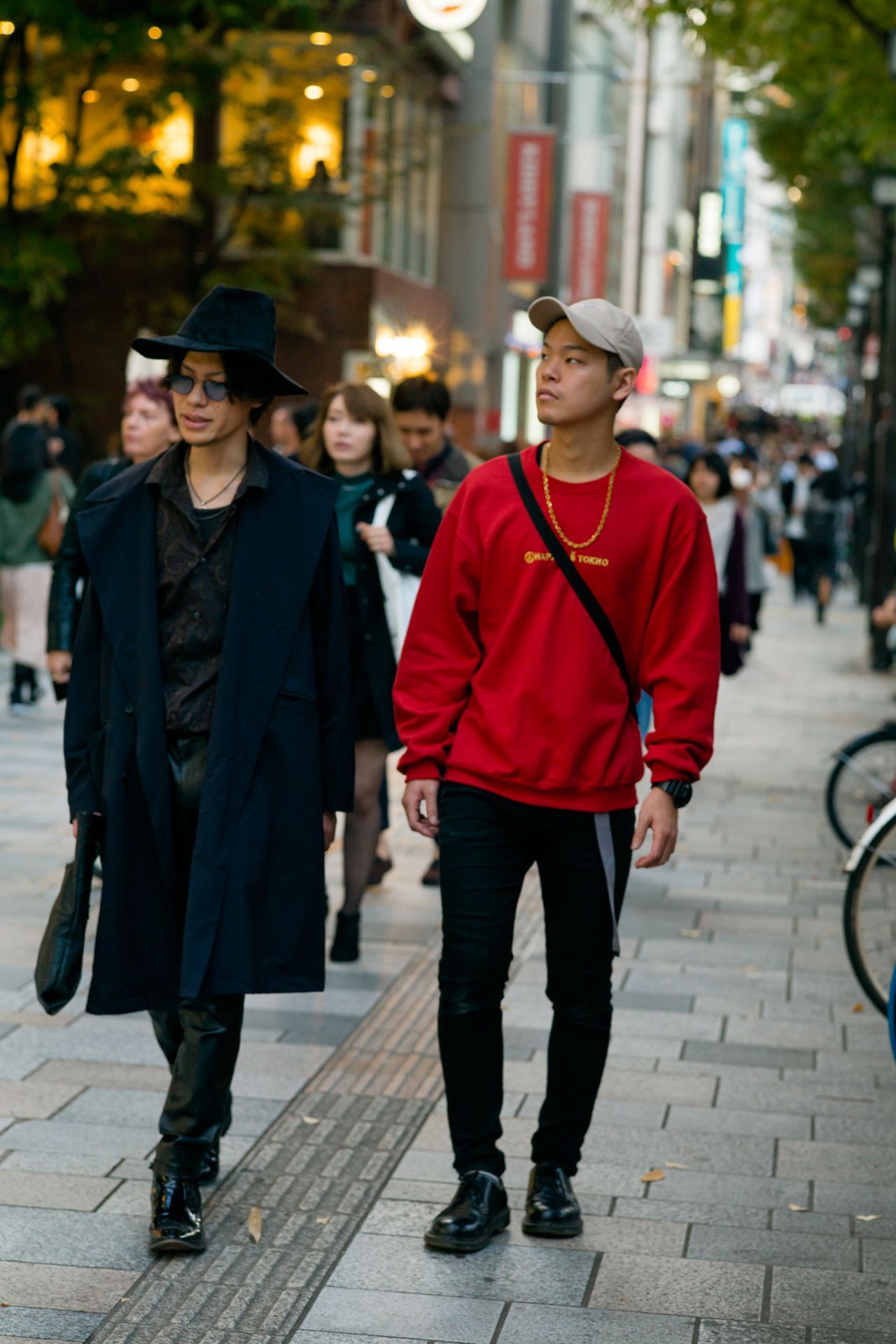
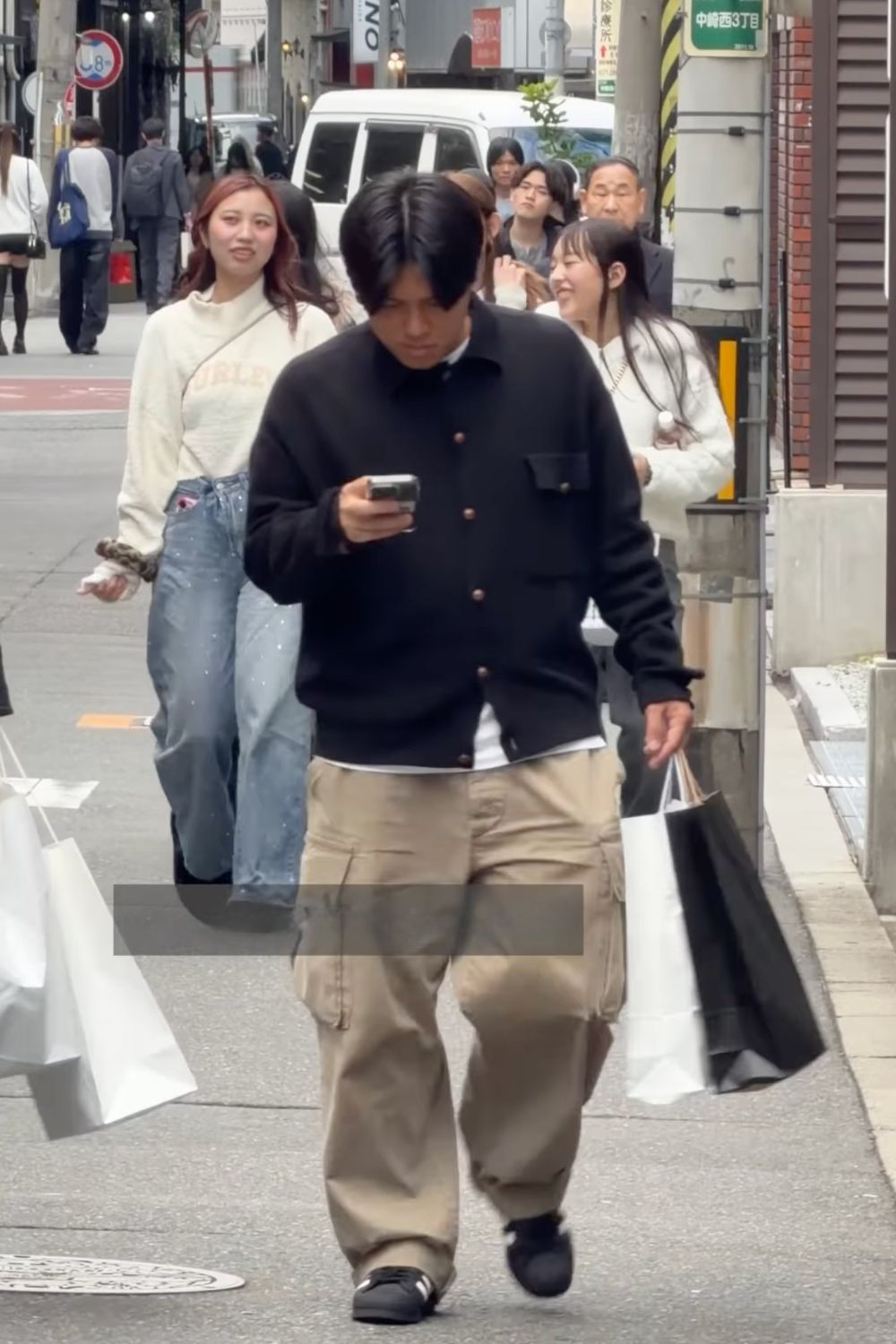
Osaka street fashion tends to feel more relaxed and playful than Tokyo. Men here often embrace bolder colors, graphic prints, and casual silhouettes. There’s a stronger emphasis on personality and humor in outfits, and less pressure to look editorial.
Key vibe: Confident, casual, expressive.
Common styles: Graphic streetwear, sporty looks, colorful sneakers.
Kobe – Clean and Refined
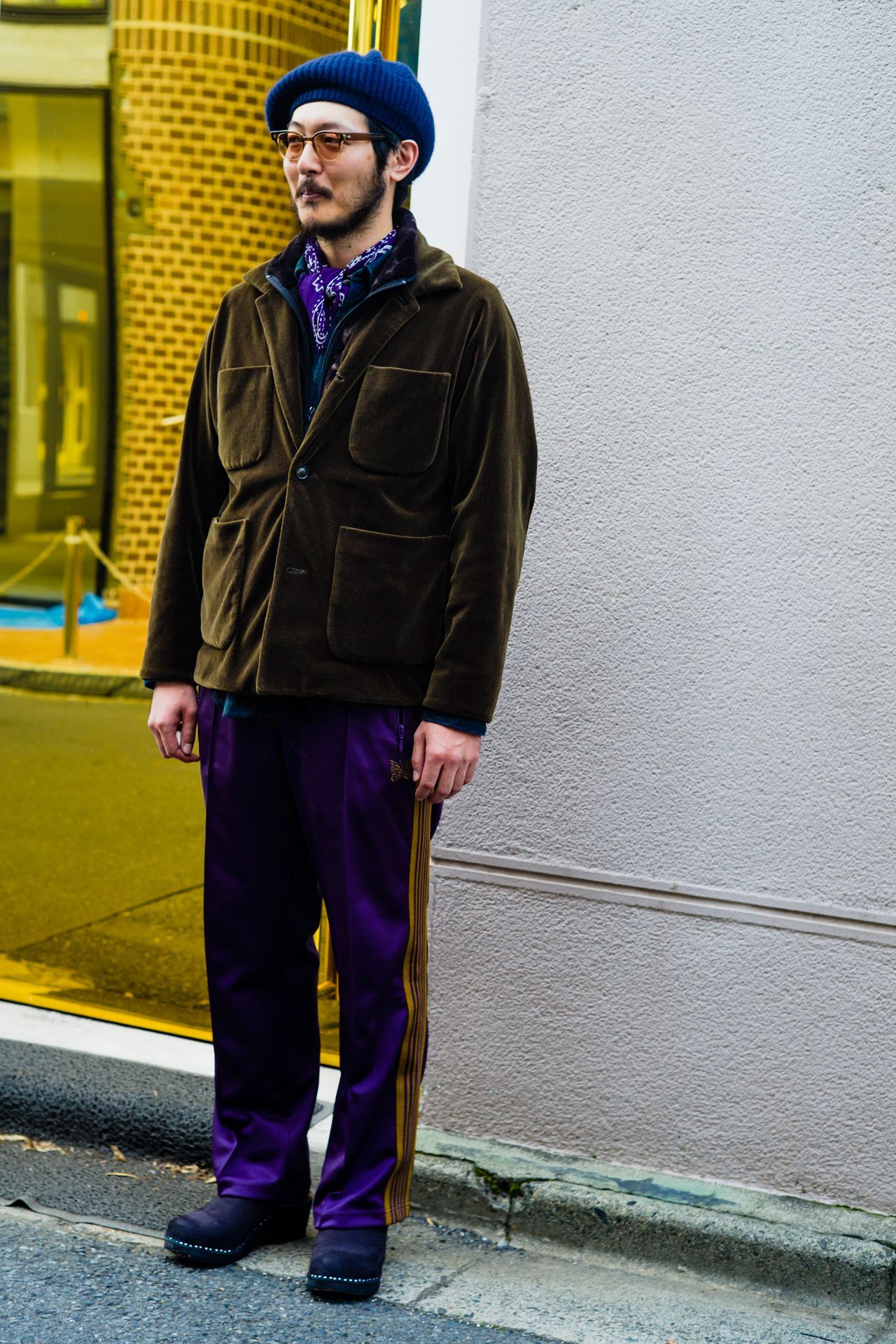
Kobe is known for elegance. Street fashion here leans toward polished and classic aesthetics. Men in Kobe often wear fitted coats, clean denim, and understated footwear. The style feels European-inspired and sophisticated without losing its street edge.
Key vibe: Refined, tailored, classic.
Common styles: Minimalism, smart casual, neutral palettes.
Fukuoka – Relaxed and Practical
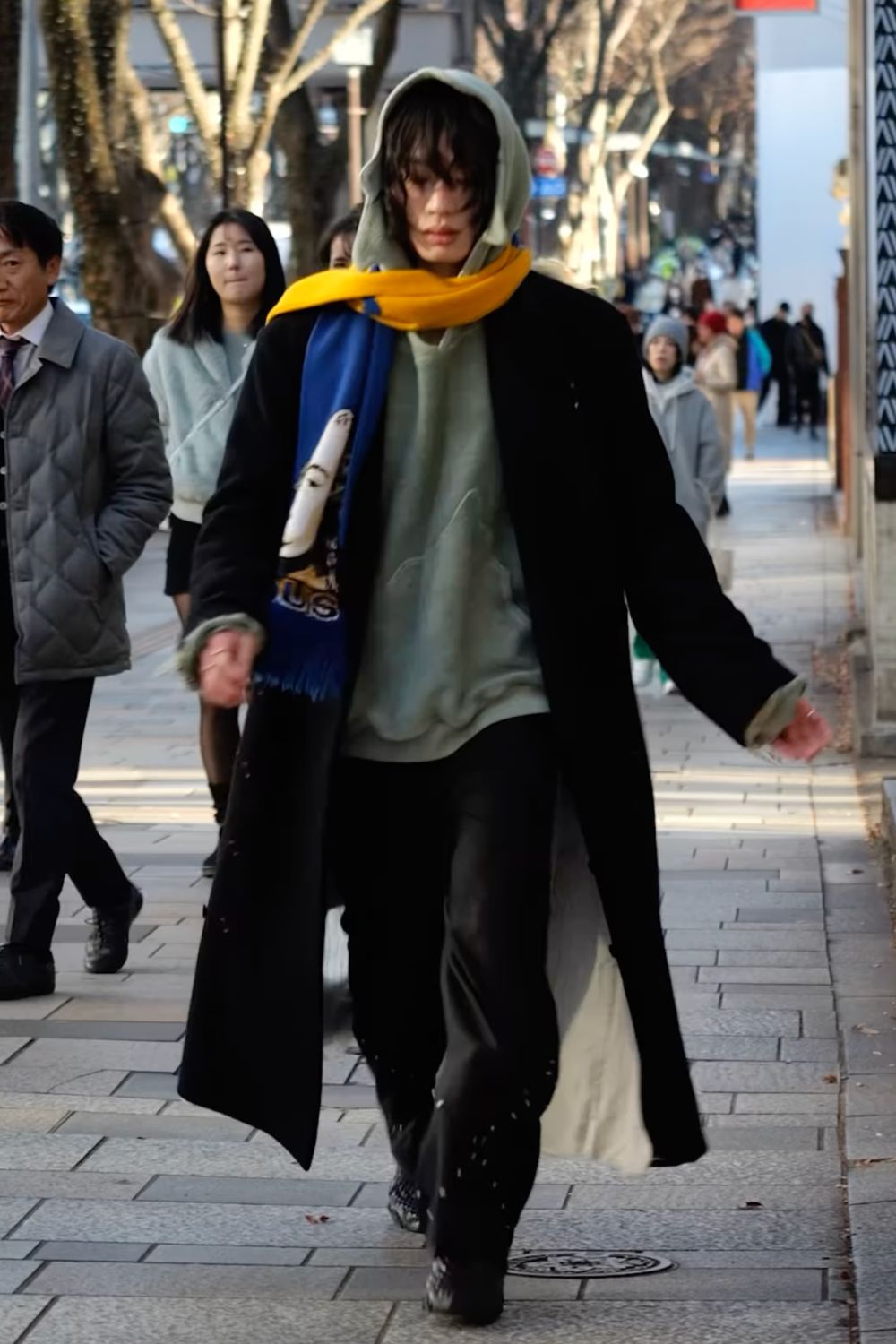
Fukuoka’s street fashion is influenced by its coastal lifestyle. Men’s outfits here are typically more relaxed and functional. You’ll see comfortable silhouettes, breathable fabrics, and practical layering that suits a milder climate.
Key vibe: Easygoing, comfortable, functional.
Common styles: Casual streetwear, relaxed denim, lightweight jackets.

Shopping Hubs That Shape Japanese Street Fashion
Harajuku
Harajuku is arguably the most famous fashion district in the world. It’s a playground for bold self-expression.
Men’s fashion here ranges from experimental avant-garde looks to colorful streetwear and alternative subcultures. Harajuku is where boundaries are pushed and individuality is celebrated.
Shibuya
Shibuya blends mainstream streetwear with cutting-edge trends. It’s slightly more commercial than Harajuku but still highly fashion-forward.
You’ll find a mix of international brands, Japanese designers, and youth-driven style movements. Men’s fashion here often leans toward sleek streetwear and modern silhouettes.
Ginza
Ginza represents luxury and refinement. Street fashion here is more polished and upscale. Men often wear tailored coats, designer shoes, and high-quality accessories. It’s less experimental and more about elegance and craftsmanship.
Shimokitazawa
Shimokitazawa is the vintage capital. Narrow streets filled with thrift stores, indie boutiques, and retro cafés make this area a treasure trove for men looking to build unique wardrobes. The style here is nostalgic, artsy, and heavily influenced by past decades.
Koenji
Koenji is the underground cousin of Shimokitazawa. It’s known for punk, alternative fashion, and subcultural style.
Men here often embrace thrifted leather jackets, military surplus pieces, and DIY aesthetics. It’s gritty, creative, and unapologetically different.
Omotesando & Aoyama
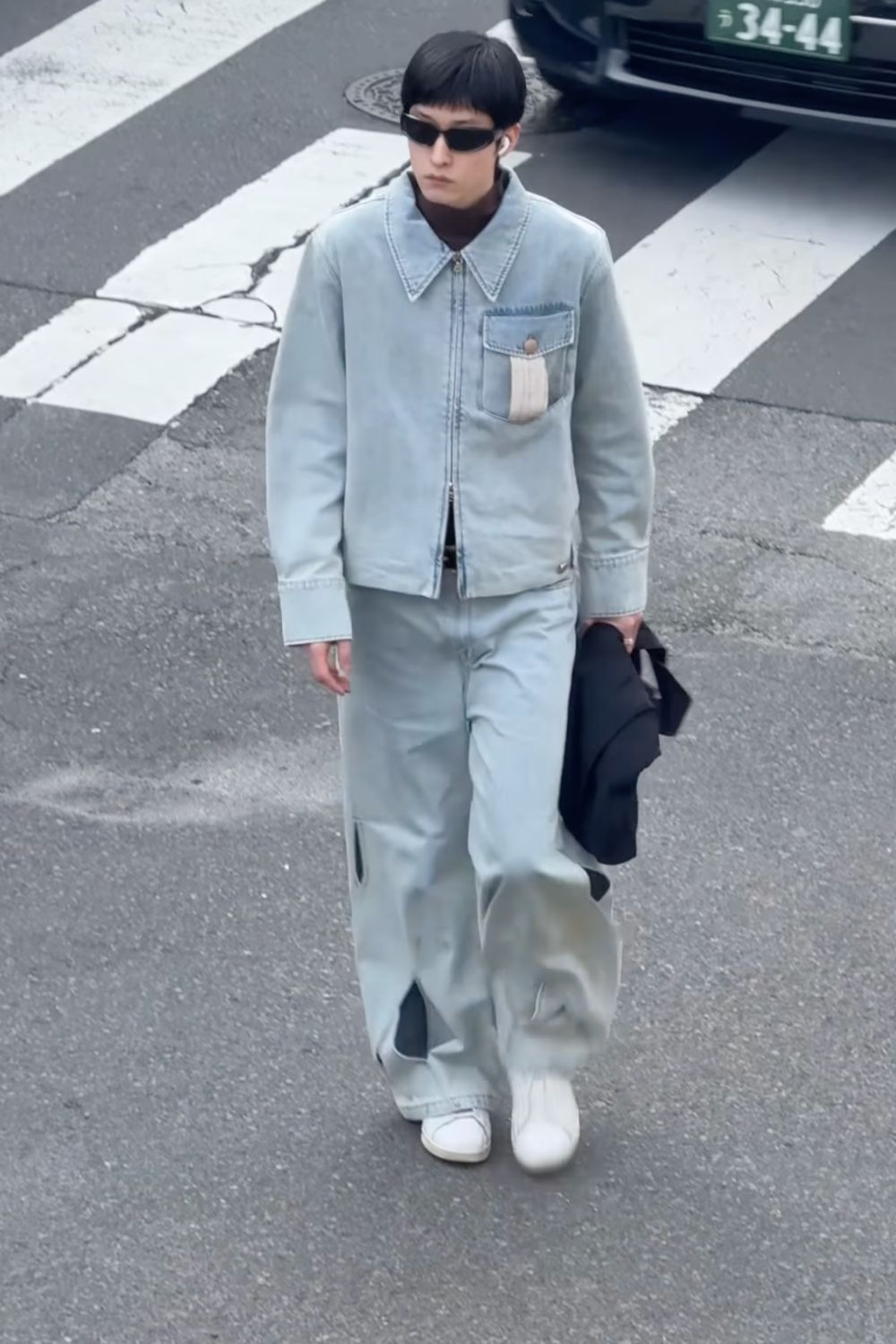
These neighboring districts are the high-fashion side of Tokyo. Architecturally stunning boutiques house luxury brands and avant-garde designers.
Men’s fashion here is sleek, editorial, and often minimalist. It’s where street style meets runway sophistication.

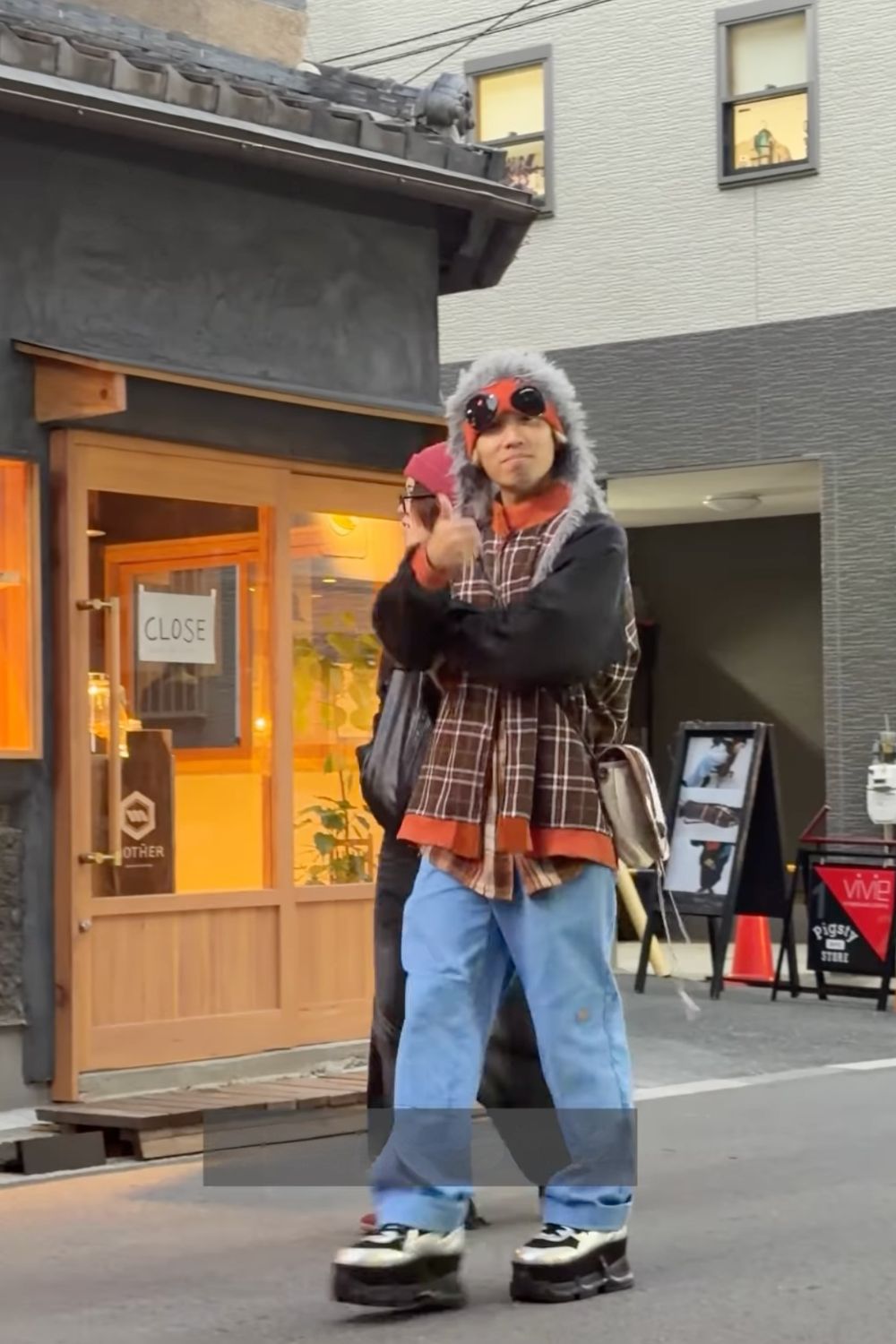
What Makes Japanese Men’s Street Fashion Unique
Attention to Detail
Even the most casual outfit is thoughtfully constructed. Accessories, layering proportions, and fabric textures are rarely accidental.
High-Low Mixing
It’s common to see a luxury coat paired with thrifted jeans or designer sneakers worn with a vintage sweater. This blend creates originality and avoids uniformity.
Fit and Silhouette
Japanese street fashion places strong emphasis on silhouette. Oversized doesn’t mean sloppy; tailored doesn’t mean tight. The balance is intentional.
Cultural Influence
Traditional elements occasionally appear in modern outfits — wide trousers inspired by hakama pants or kimono-style jackets layered over contemporary pieces.

Tips for Understanding (or Adopting) Japanese Street Fashion
- Start with silhouettes, not brands. Shape matters more than logos.
- Experiment with layering. Long shirts under short jackets, coats over hoodies — layering is essential.
- Invest in footwear. Shoes often anchor the entire outfit.
- Mix vintage with modern. This creates depth and uniqueness.
- Embrace individuality. The core philosophy is self-expression, not conformity.

Japanese street fashion — especially men’s fashion — isn’t just about looking stylish. It’s about identity, creativity, and cultural dialogue.
From the vintage charm of Shimokitazawa to the polished elegance of Ginza, from Tokyo’s fearless experimentation to Kobe’s refined minimalism, every district and city contributes to a dynamic fashion landscape that constantly evolves.
What makes Japanese street style so compelling is that it doesn’t chase trends — it transforms them. Men on the streets of Japan aren’t simply wearing clothes; they’re curating personal galleries of texture, history, and attitude.
Whether you’re drawn to punk rebellion, vintage nostalgia, minimalist tailoring, or layered grunge, Japanese street fashion offers endless inspiration. It reminds us that style is not about fitting in — it’s about standing out with intention.