Last Updated on 8 May, 2026

Scandinavian fashion has quietly become one of the most influential style movements in the world. While Paris may be known for elegance and Milan for glamour, the Nordic countries—Denmark, Sweden, and Norway in particular—have built a reputation for something far more wearable: effortless cool.
Scandinavian women seem to have perfected the art of looking polished without trying too hard, blending comfort, functionality, and timeless design into outfits that feel both modern and enduring.
What makes Scandinavian fashion so appealing is its accessibility. You don’t need a closet full of designer labels or bold statement pieces to achieve the look.
Instead, it’s about intentional dressing—neutral color palettes, clean silhouettes, quality fabrics, and smart layering. The result is a wardrobe that feels cohesive, sustainable, and endlessly versatile.
If you’re new to Scandinavian style or simply want to refine your aesthetic, this guide will walk you through everything you need to know—from core fashion principles and popular sub-styles to the iconic brands that define the Nordic fashion scene.
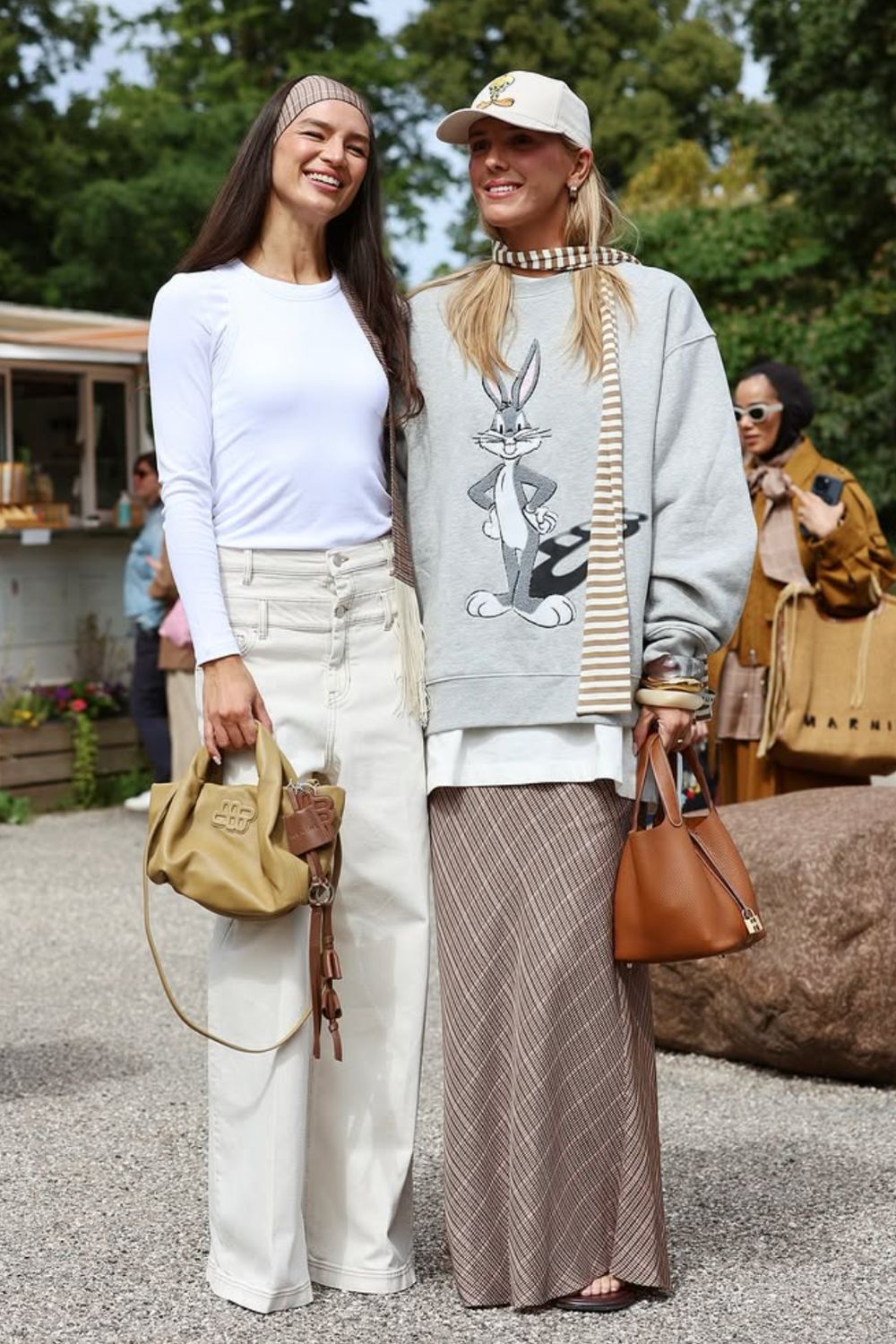
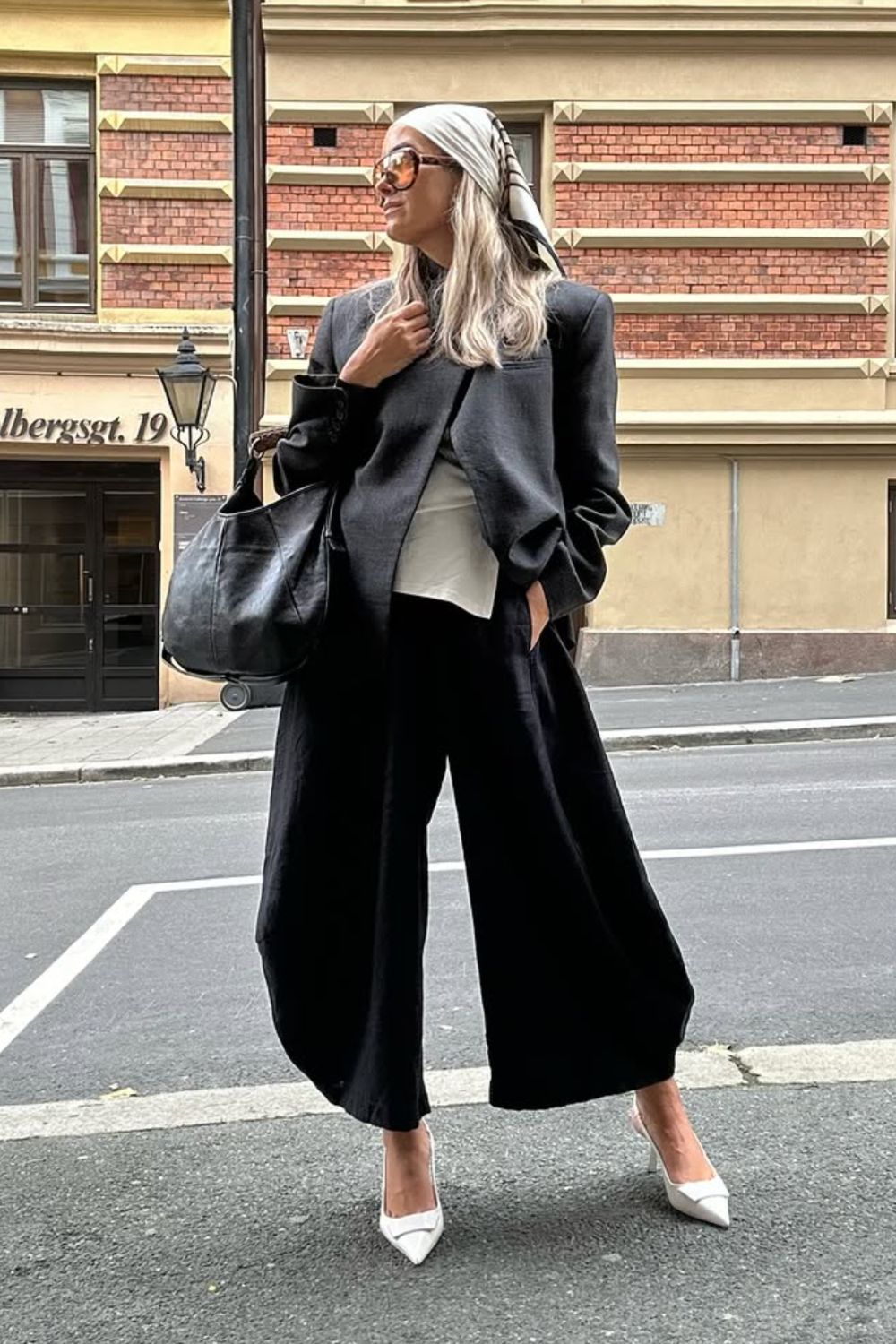
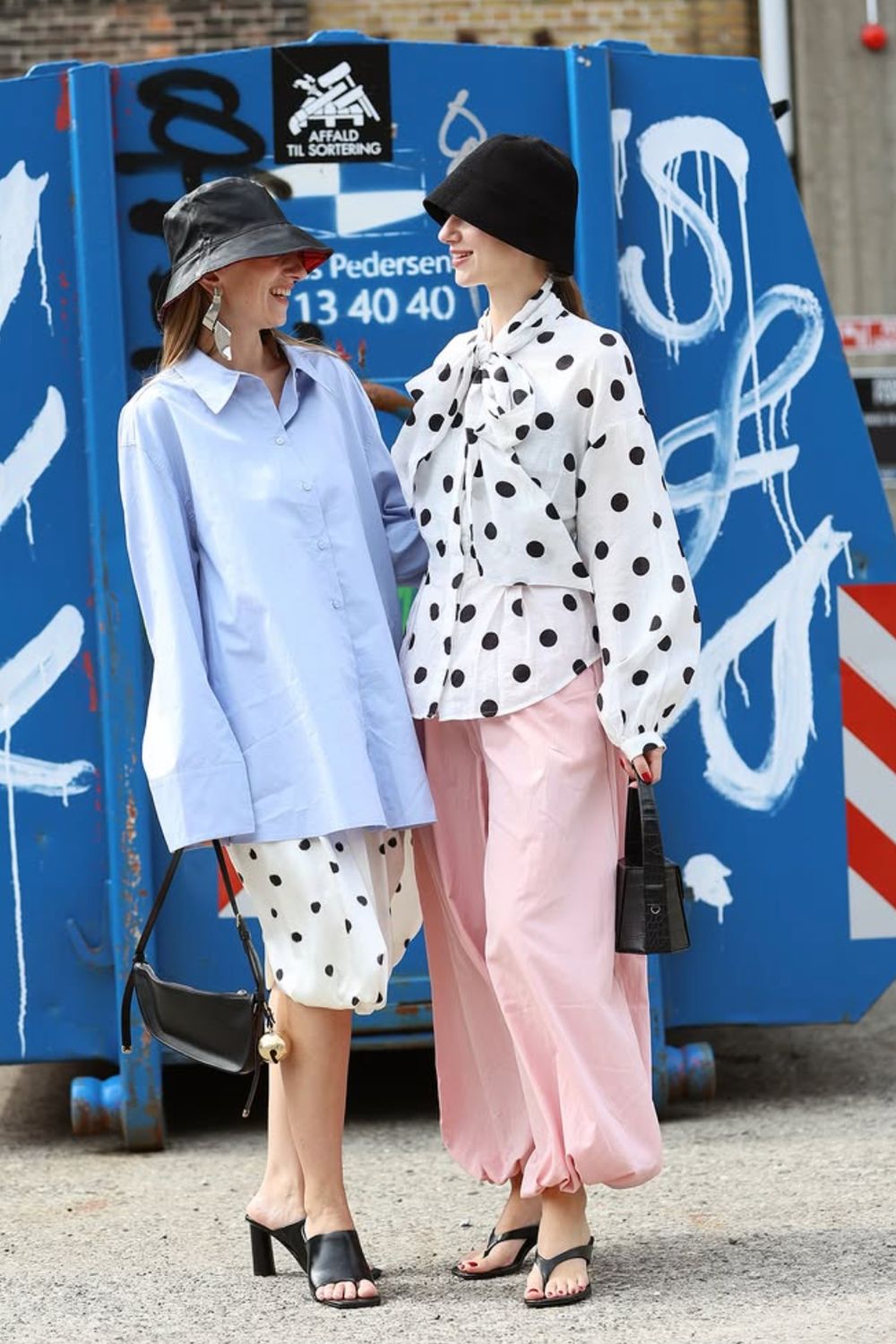
What Defines Scandinavian Fashion?
At its heart, Scandinavian fashion is built on three pillars: minimalism, functionality, and quality. The climate in Nordic countries plays a significant role in shaping this aesthetic.
Long winters and unpredictable weather mean clothing must be practical, warm, and durable. However, practicality never comes at the expense of style.
Key characteristics include:
- Neutral color palettes (black, white, grey, beige, navy, cream)
- Clean lines and structured silhouettes
- Oversized or relaxed tailoring
- Layering pieces for both warmth and style
- High-quality fabrics like wool, cotton, and linen
- Sustainable and ethical fashion choices
- Understated accessories rather than flashy statement items
Rather than chasing trends, Scandinavian women often build capsule wardrobes that prioritize longevity over fast fashion.
Pieces are chosen for how well they mix and match rather than how bold they appear individually.


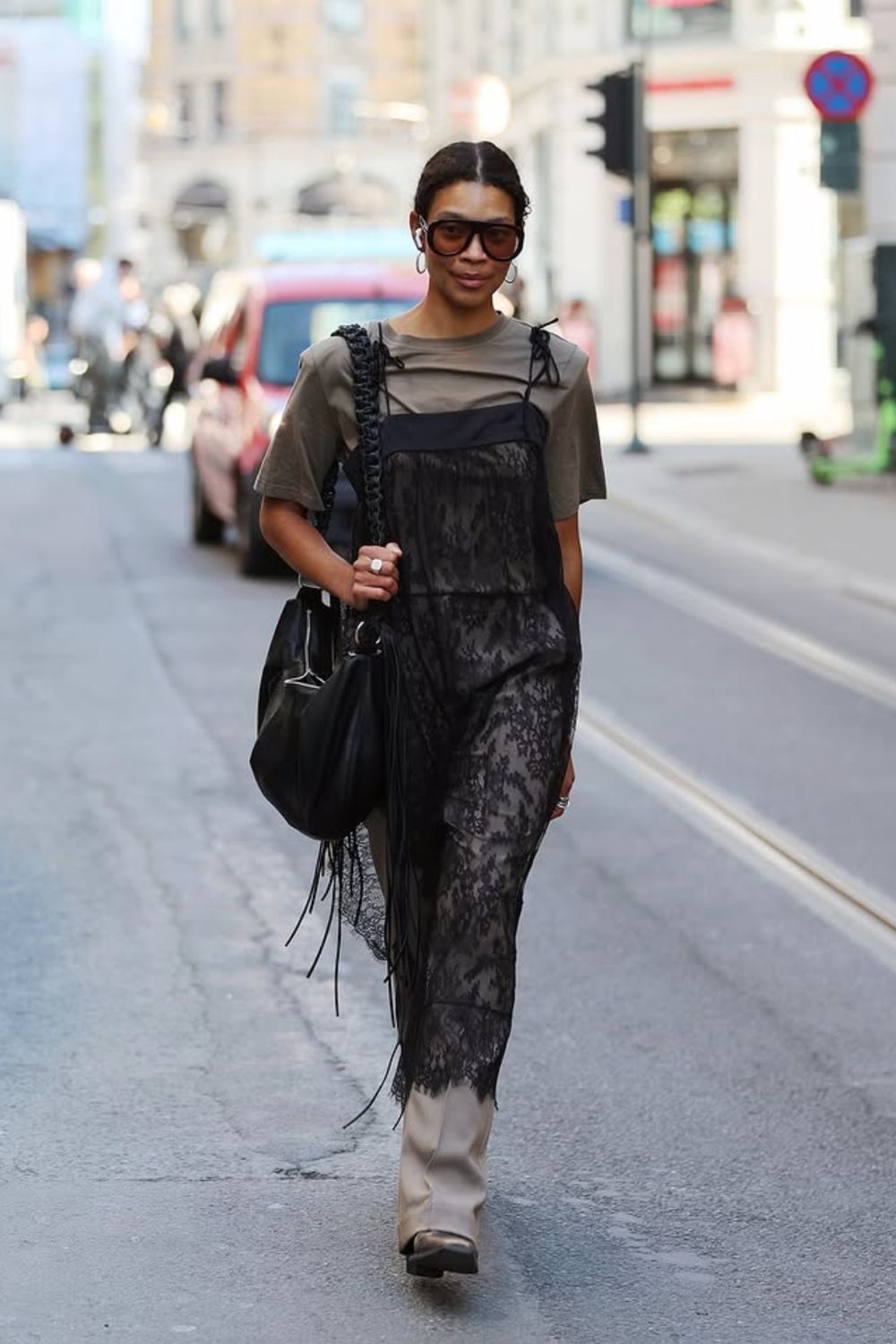
Minimalist Scandinavian Style
Minimalism is arguably the most recognizable Scandinavian fashion style. This approach revolves around simplicity and restraint, but it never feels boring.
Instead, it emphasizes proportion, texture, and thoughtful combinations.
You might see:
- A crisp white shirt paired with wide-leg black trousers
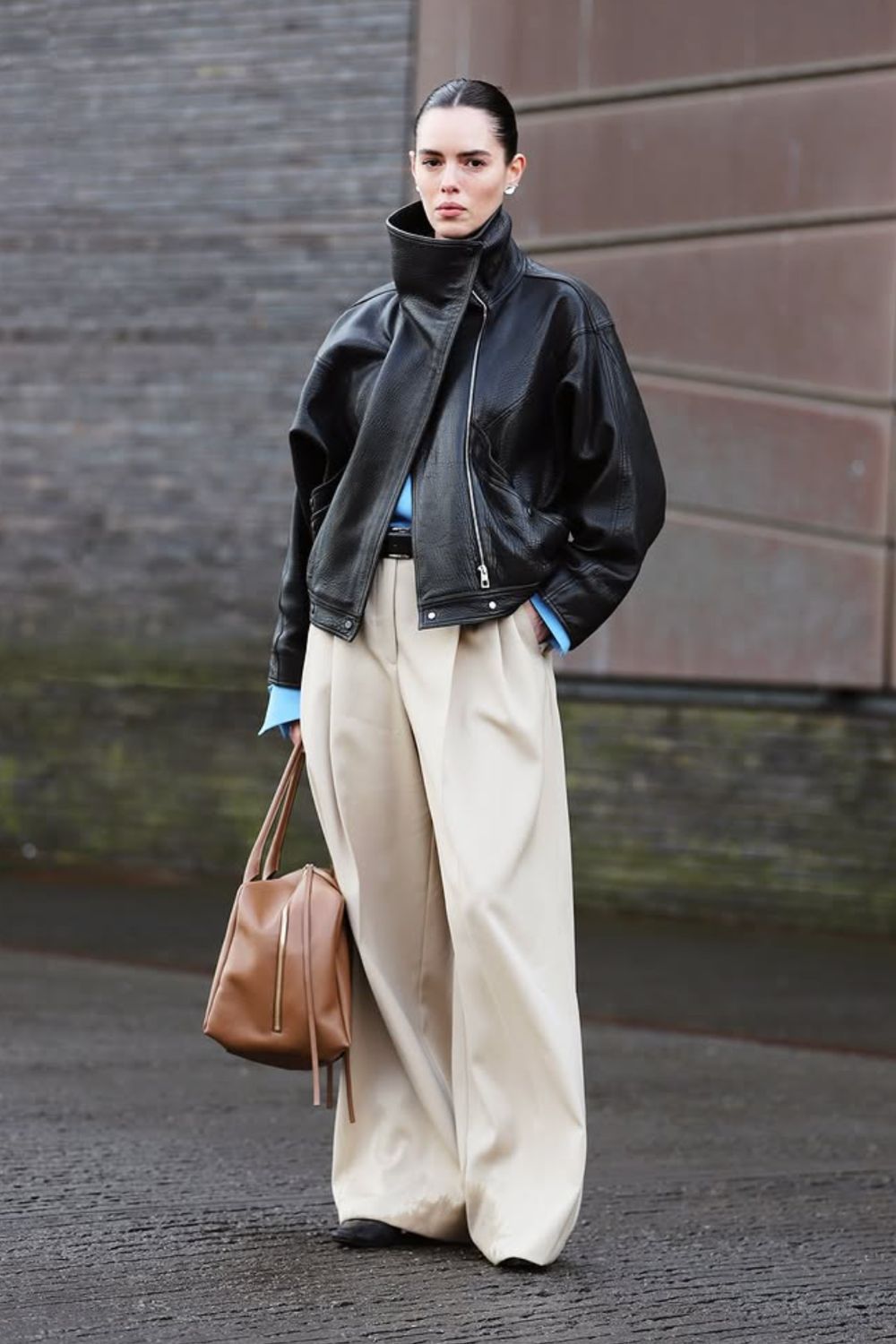
- A structured wool coat over a monochrome outfit
- Straight-leg jeans with a tucked-in knit sweater
- Neutral ankle boots or sleek sneakers
The beauty of minimalist Scandinavian style lies in its subtle sophistication. Nothing is overly embellished, yet everything feels intentional. The focus shifts from loud prints or bright colors to tailoring, fabric quality, and fit.


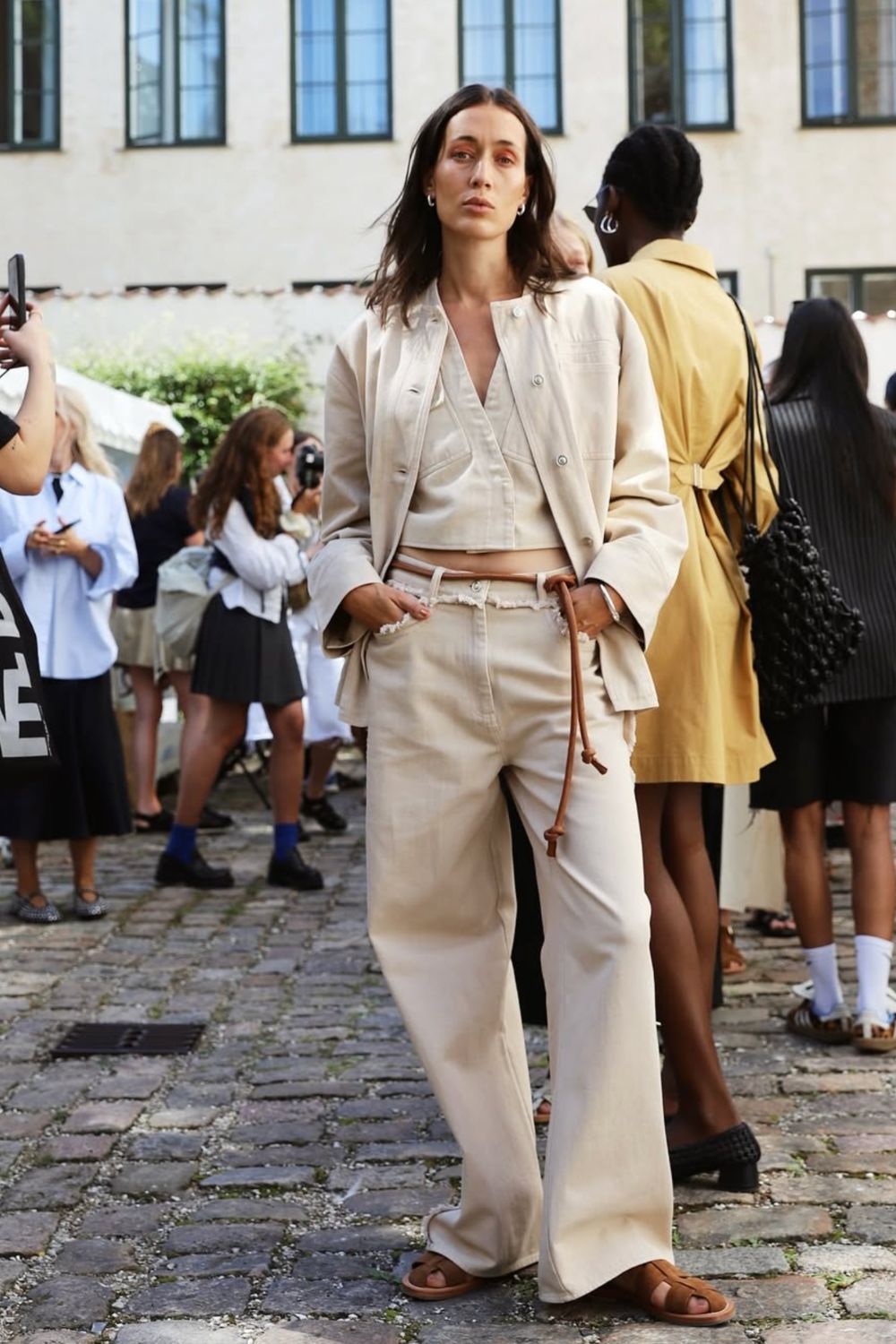
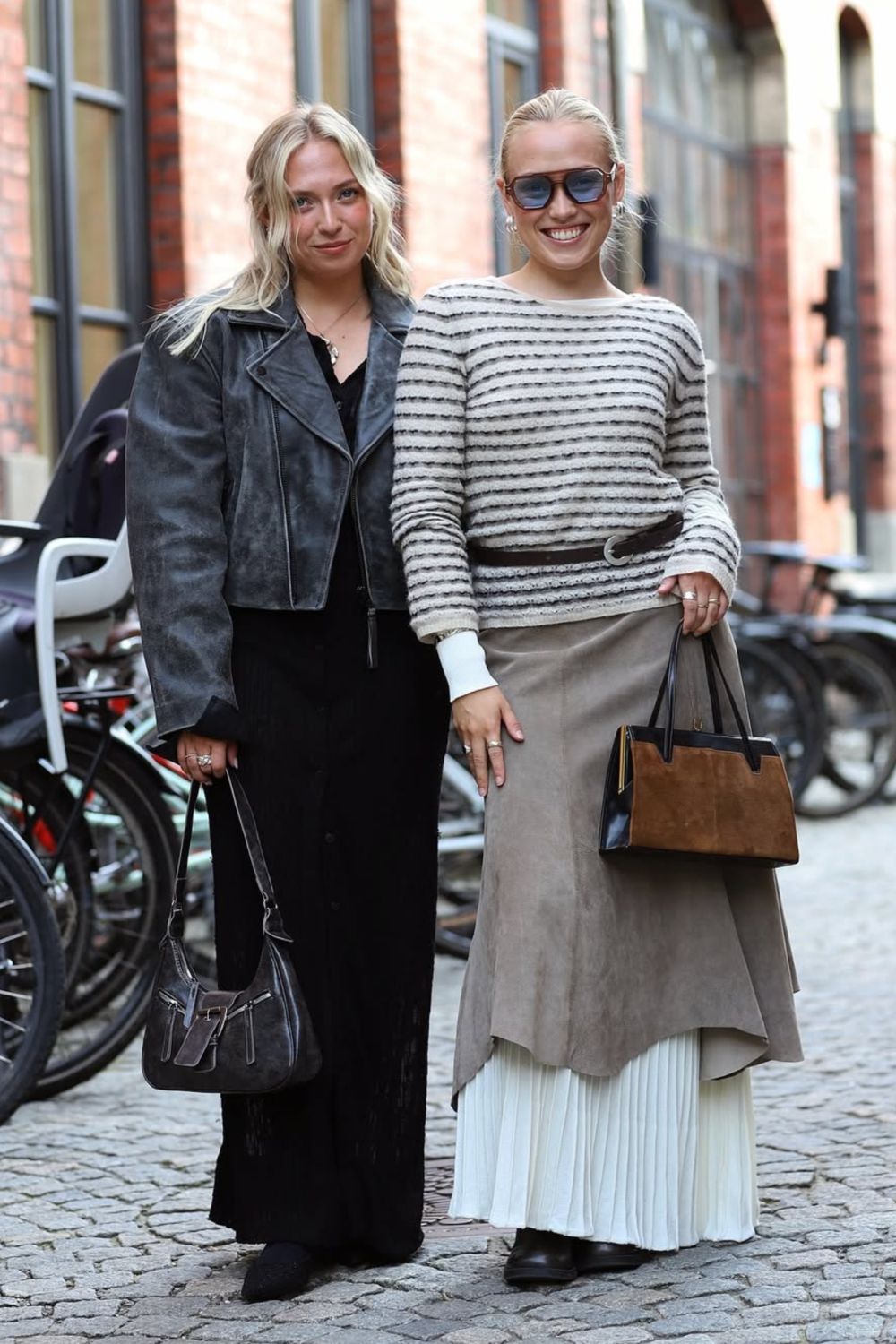
Scandi Street Style
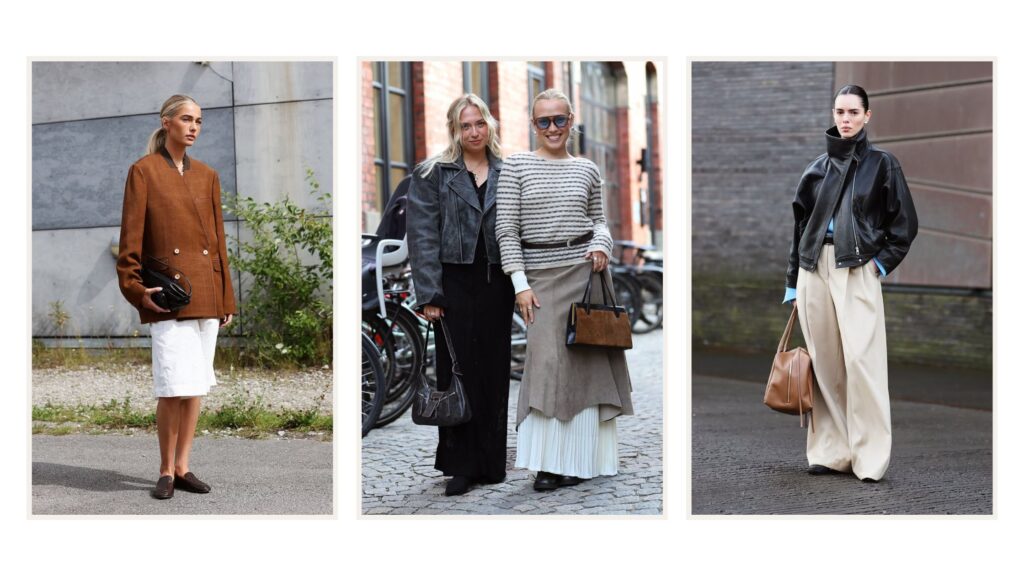
Scandinavian street style has gained international attention thanks to Copenhagen Fashion Week and the stylish influencers who dominate social media feeds.
While still rooted in minimalism, street style allows for more experimentation and personality.
Common elements include:
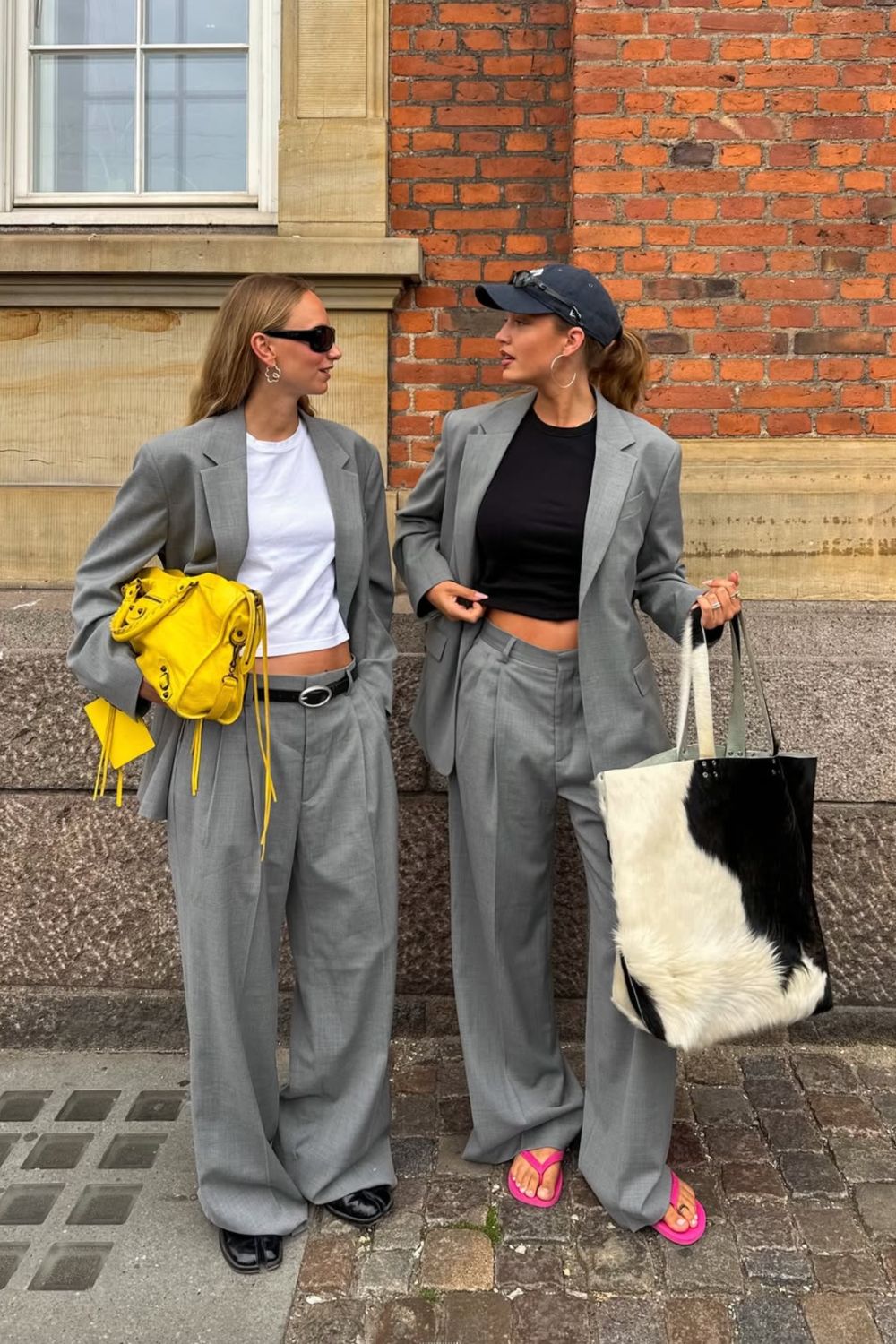
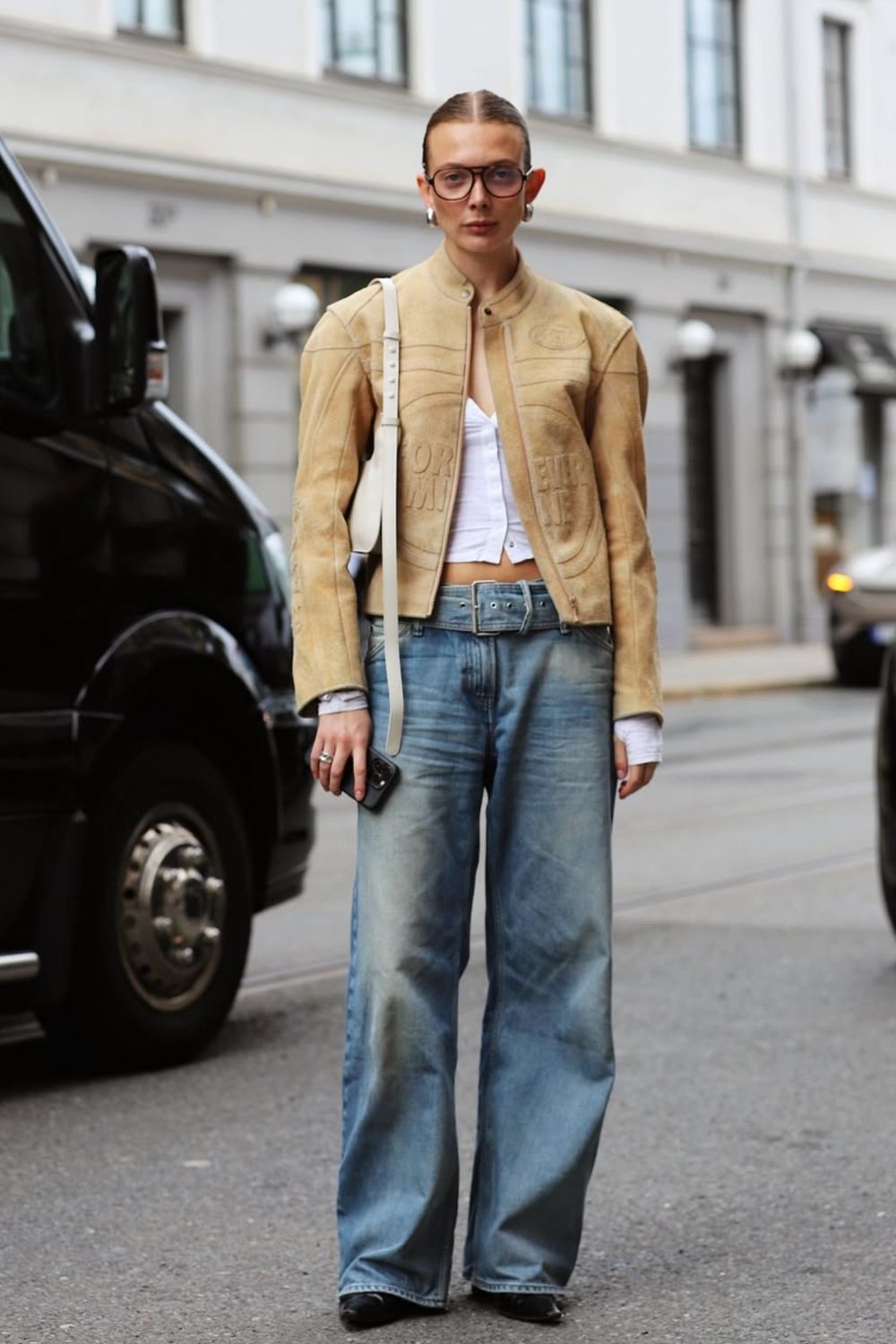
- Oversized blazers worn over hoodies or dresses
- Chunky boots paired with feminine skirts
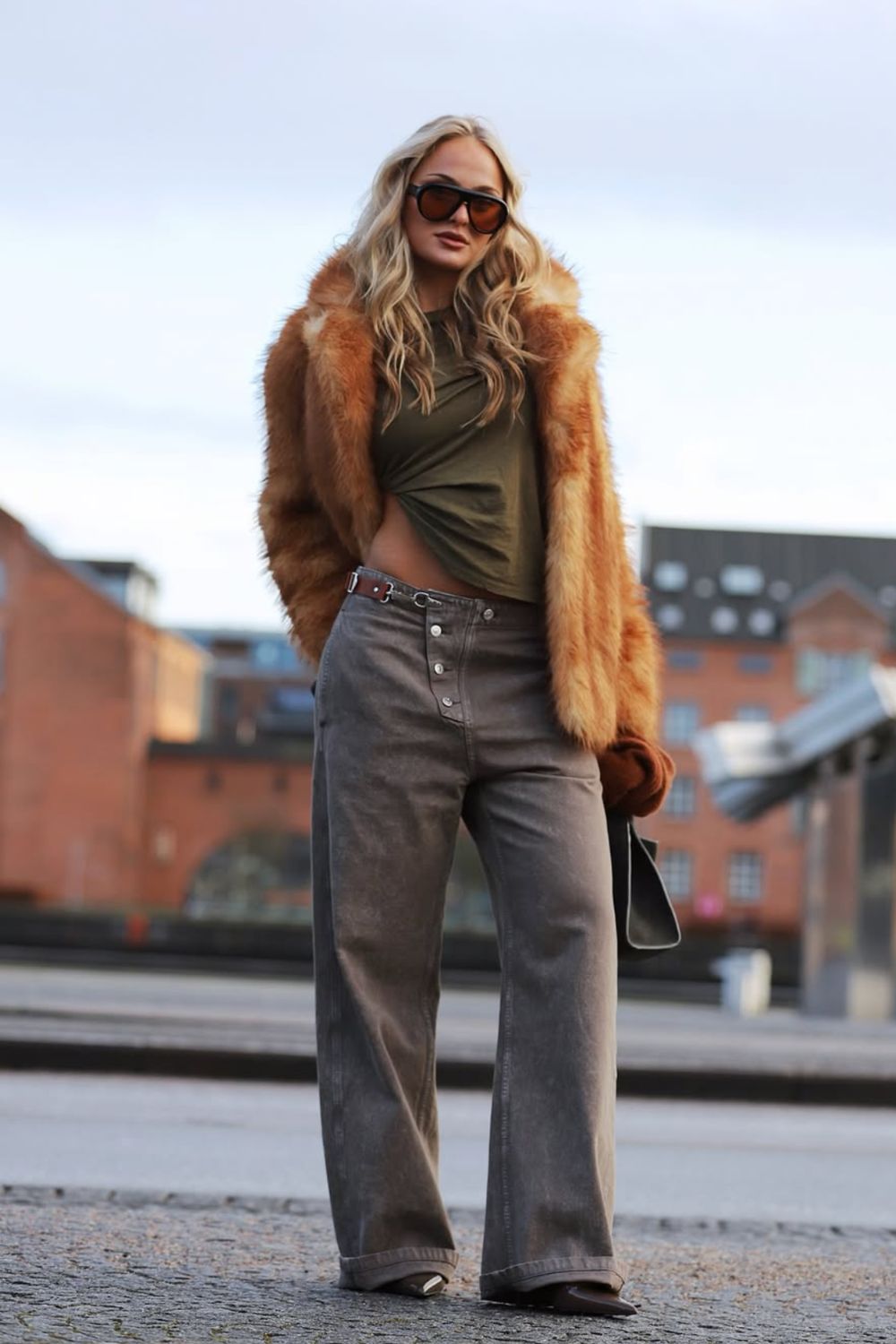
- Layered outerwear with scarves and crossbody bags
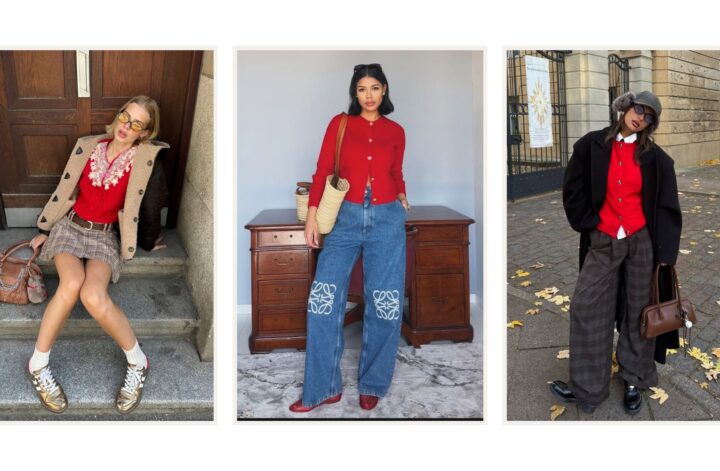
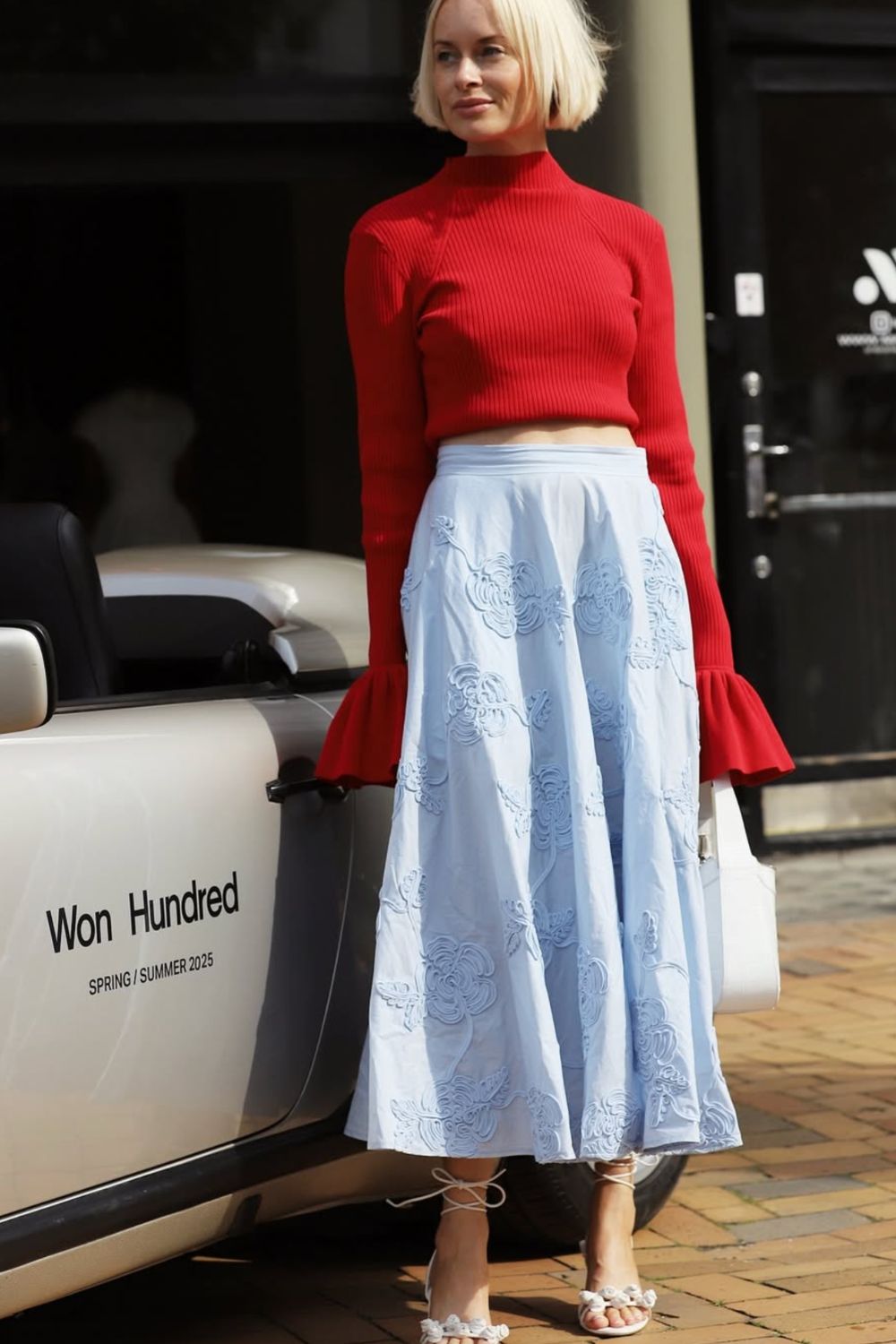
- Pops of color added to otherwise neutral outfits
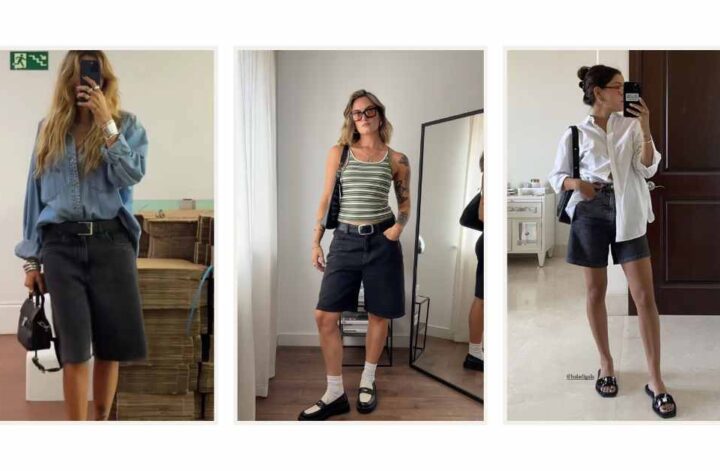
- Relaxed denim styles like straight-cut or baggy jeans
Scandi street style proves that minimalist fashion doesn’t mean dull. It’s about mixing structured pieces with casual staples and adding just enough contrast to create visual interest.

Scandinavian Bohemian Influence
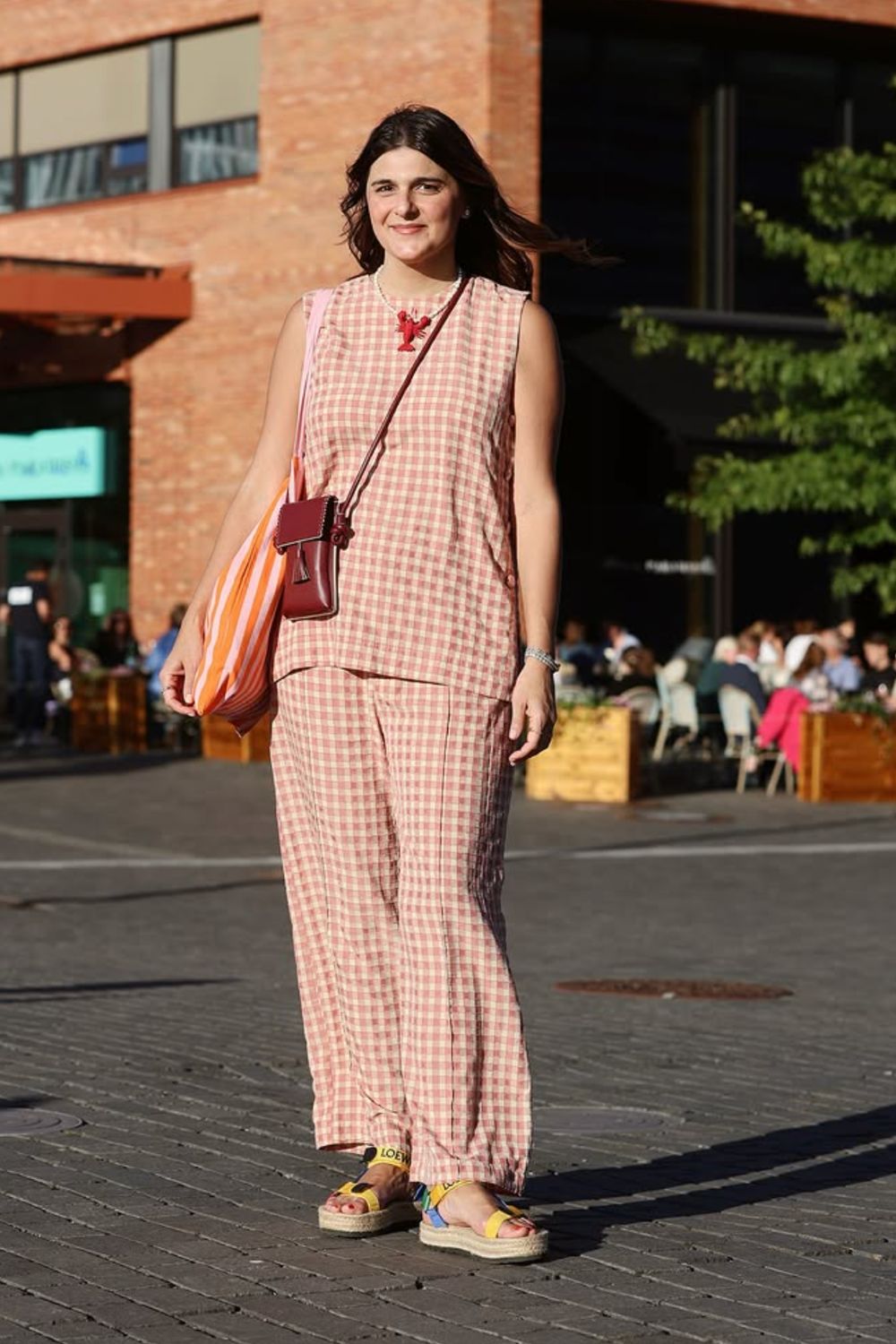
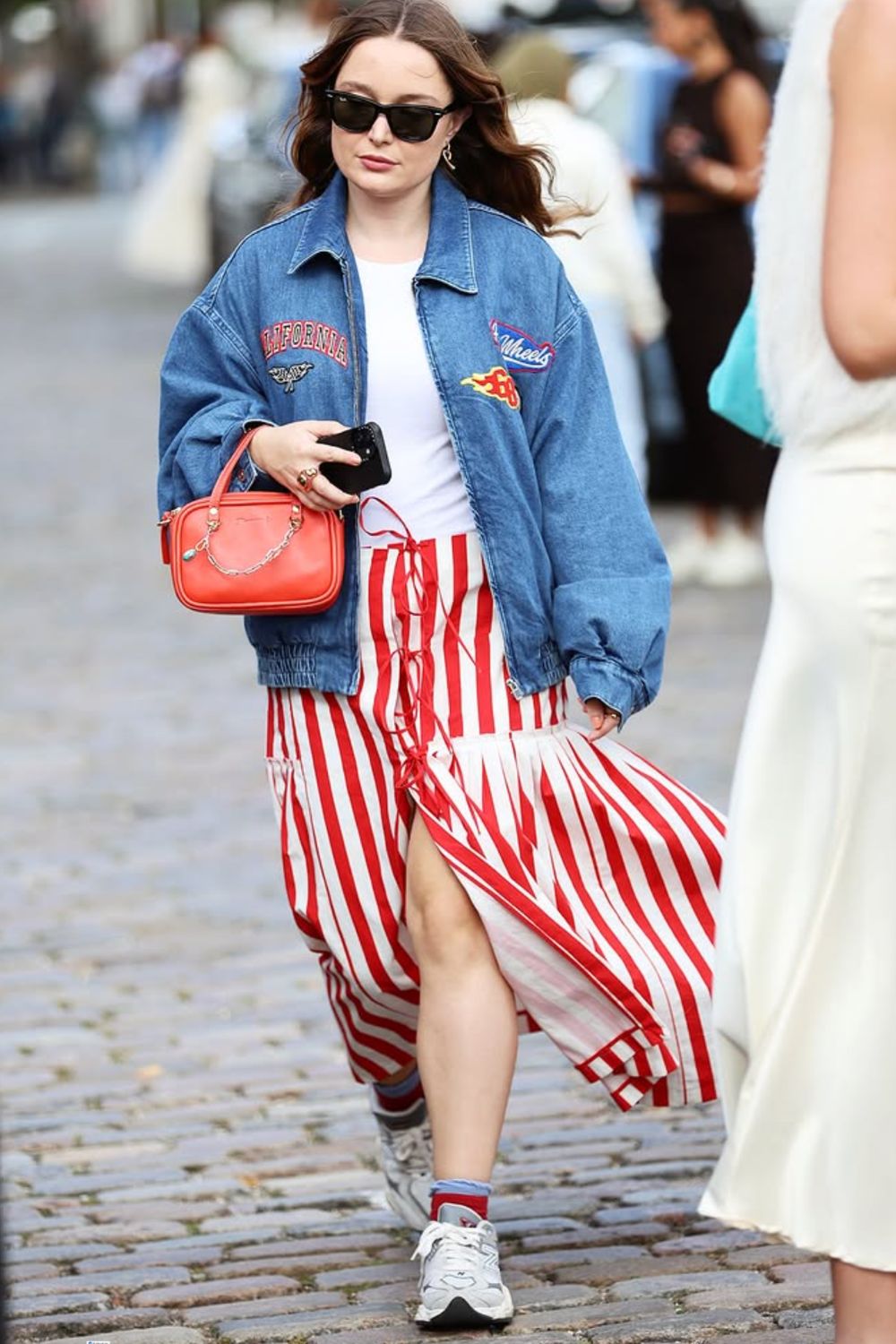
While minimalism is dominant, there is also a softer, more romantic side to Nordic fashion. Scandinavian bohemian style incorporates flowing silhouettes and delicate details while still maintaining a muted color scheme.
You’ll often find:
- Linen dresses in earthy tones
- Soft knits layered over midi skirts
- Leather sandals or simple boots
- Subtle floral prints
- Loose blouses and wide-leg trousers
This style leans into natural fabrics and relaxed fits, creating a look that feels effortless and grounded. It’s especially popular during spring and summer when Nordic wardrobes shift toward lighter materials and breezier silhouettes.
Scandinavian Workwear Aesthetic
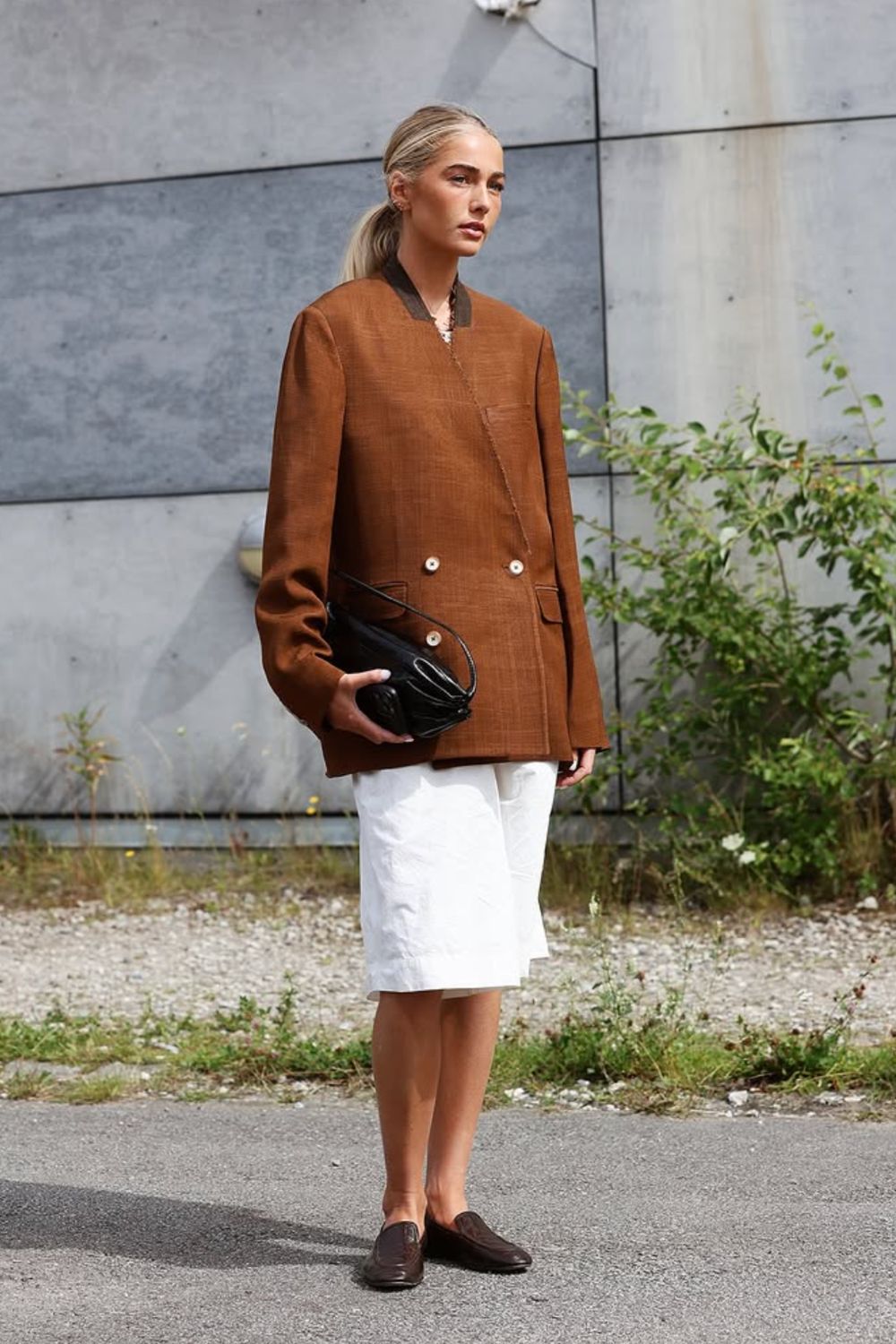
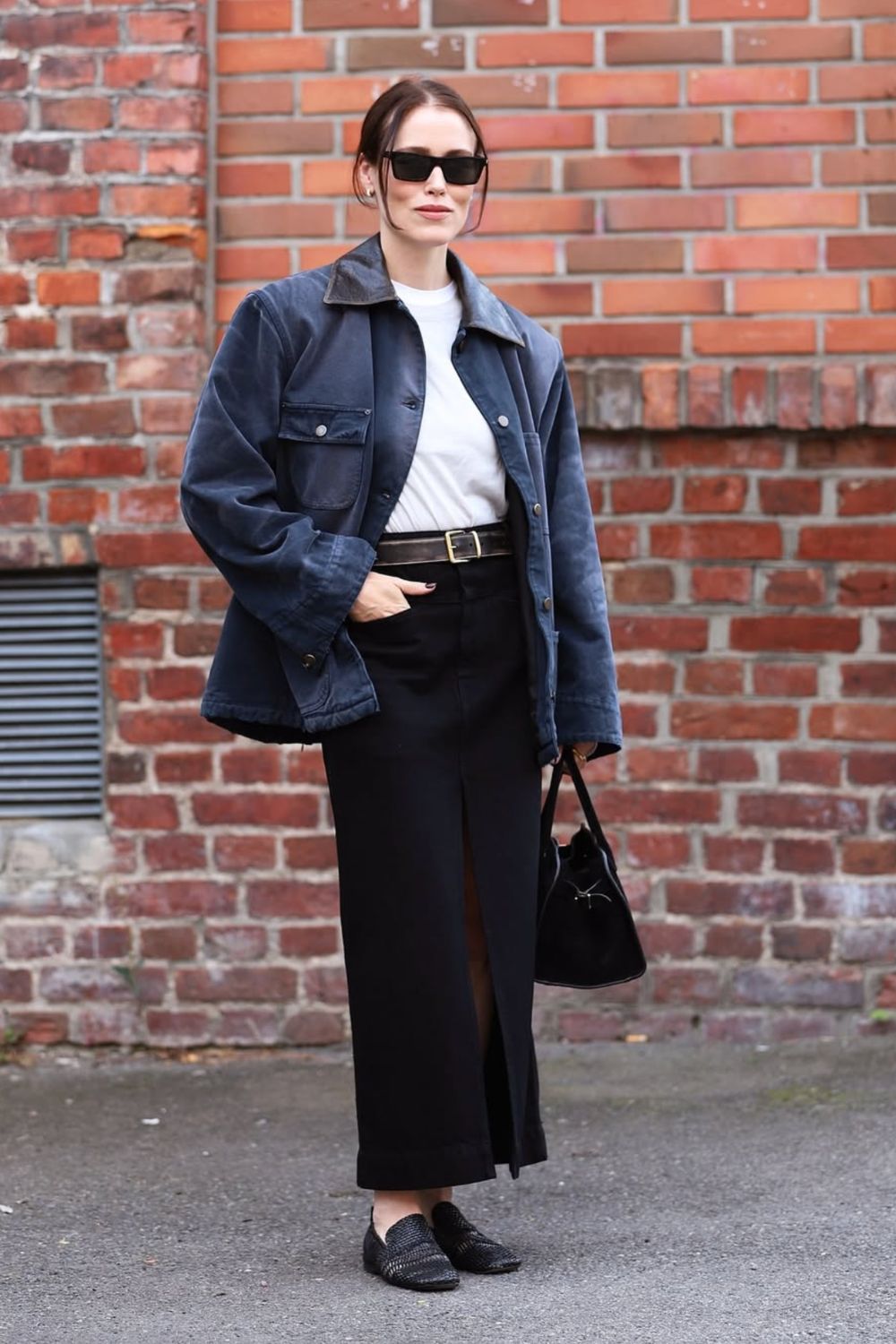
Functionality is deeply embedded in Nordic fashion culture, which is why workwear-inspired outfits are so prevalent. Utility jackets, cargo trousers, and durable boots are often styled in refined ways that elevate their rugged roots.
Typical features include:
- Structured coats and trench jackets
- Straight-cut trousers with practical pockets
- Leather belts and crossbody bags
- Sturdy ankle boots or lace-up shoes
- Muted tones like olive, charcoal, and navy
This aesthetic bridges the gap between fashion and practicality, making it ideal for urban lifestyles and unpredictable weather.
Seasonal Layering: A Scandinavian Specialty
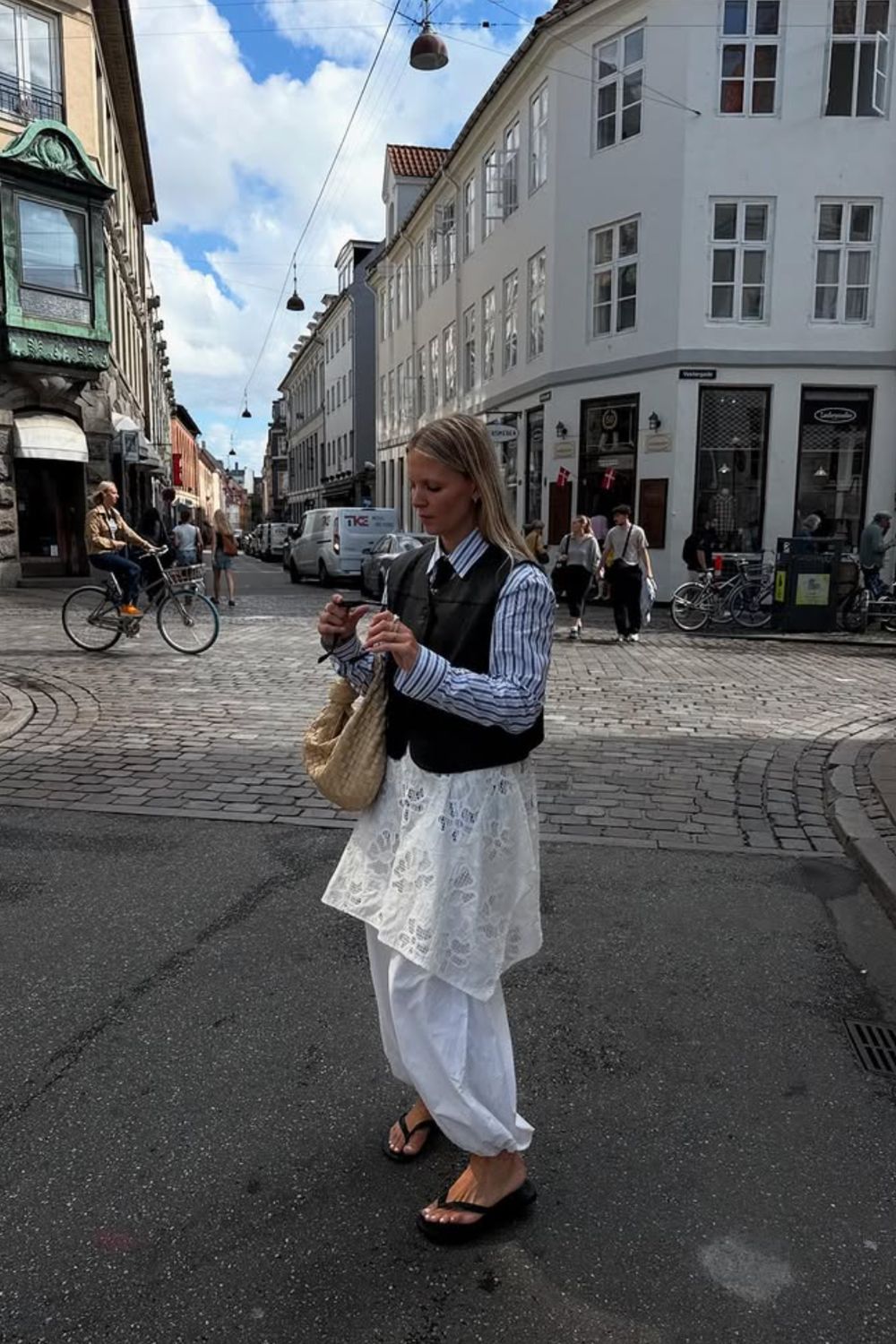
Layering is not just a fashion choice in Scandinavia—it’s a necessity. The ability to combine multiple garments seamlessly is a hallmark of Nordic style. Women often layer lightweight basics under heavier outerwear, creating dimension without bulk.
A classic layered outfit might include:
- A fitted turtleneck under a slip dress
- A wool sweater over a collared shirt
- A tailored coat over a hoodie
- Tights paired with skirts and oversized knits
Textures play a significant role here. Wool, cashmere, denim, and leather are frequently mixed to create visual depth while maintaining warmth and comfort.


Scandinavian Color Palettes
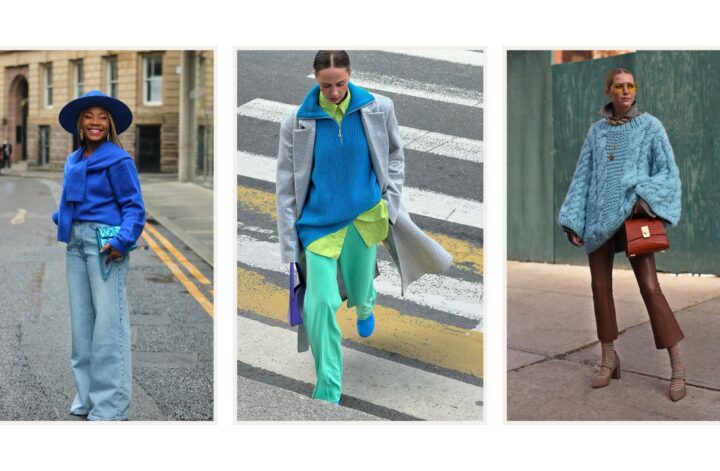
While neutrals dominate, Scandinavian fashion is not devoid of color. Instead, color is used sparingly and strategically. Muted pastels, forest greens, rust tones, and dusty blues often appear alongside beige, grey, and black.
The goal isn’t to overwhelm but to complement. A single colored scarf or knit sweater can become the focal point of an otherwise monochromatic outfit.
Scandinavian Fashion Brands to Know
Scandinavian fashion brands have gained global recognition for their commitment to quality, sustainability, and timeless design. These labels often reflect the region’s values—clean aesthetics, ethical production, and functional elegance.
Acne Studios (Sweden)
Known for modern minimalism with a creative edge, Acne Studios blends tailored silhouettes with subtle artistic elements. Their denim, outerwear, and knitwear are particularly iconic.

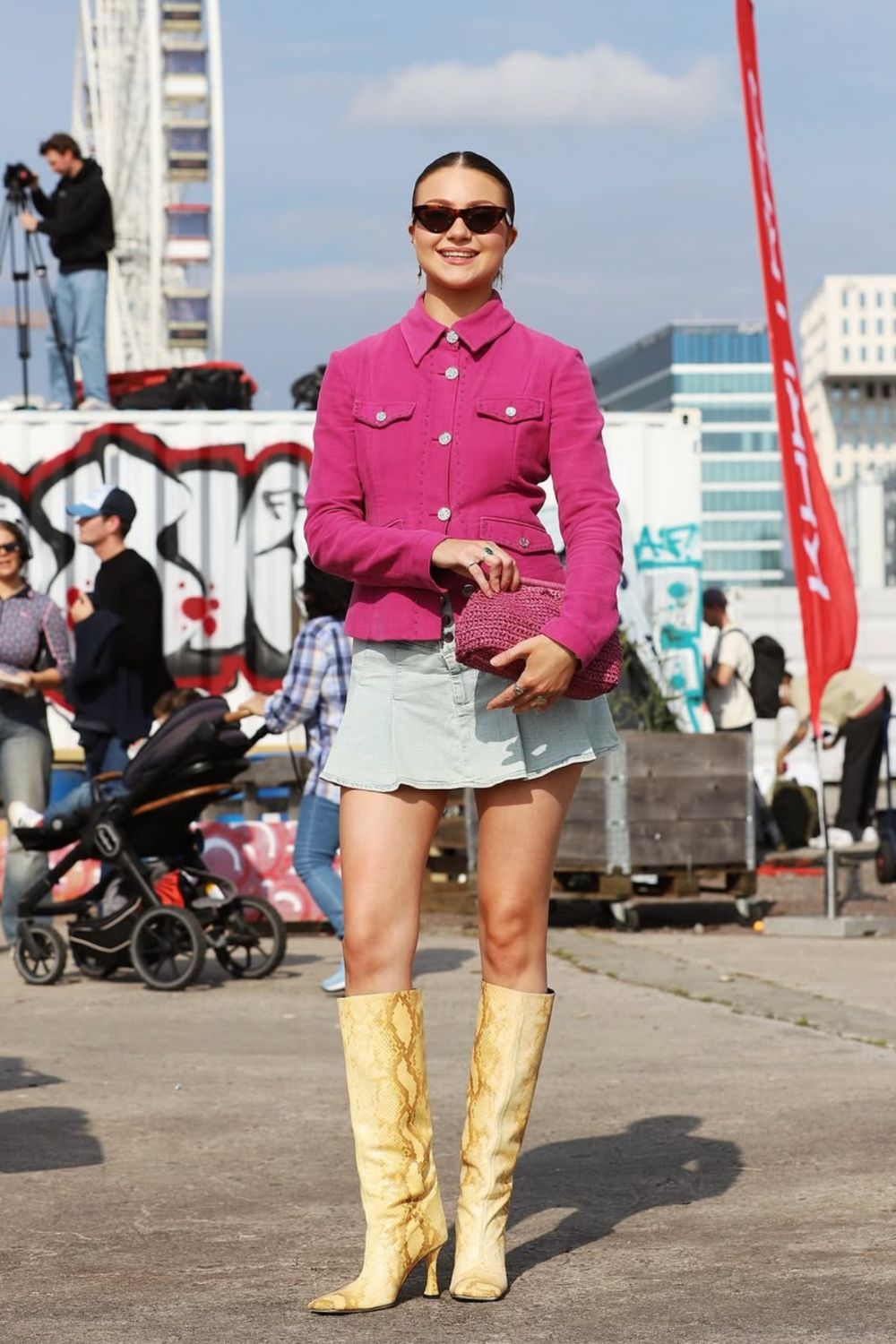
Ganni (Denmark)
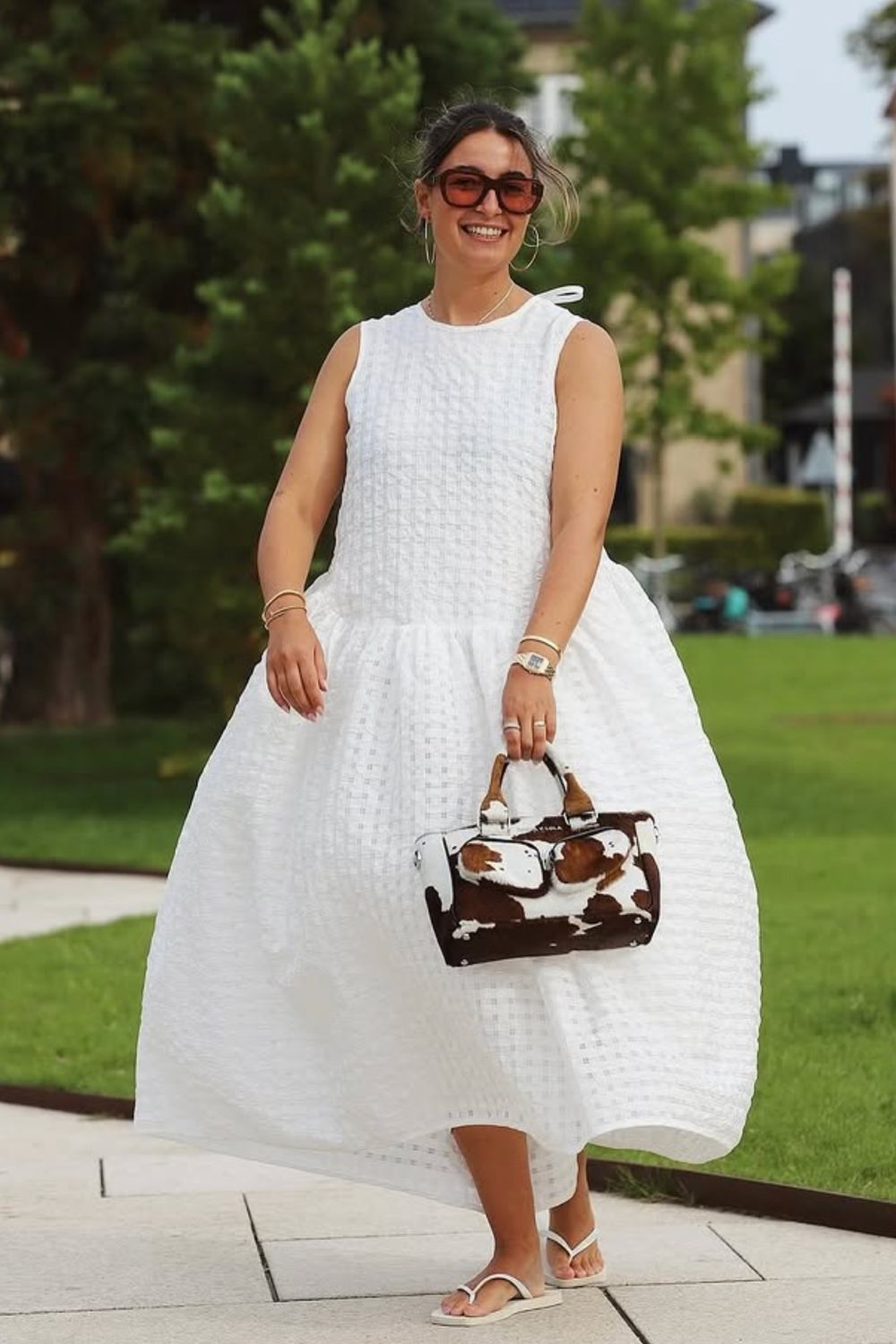
Ganni represents the playful side of Scandinavian fashion. While still grounded in simplicity, the brand introduces bold prints, bright colors, and feminine silhouettes that stand out from traditional Nordic minimalism.
Filippa K (Sweden)
Filippa K focuses on sustainable essentials and capsule wardrobe staples. Their pieces are refined, timeless, and ideal for those building a long-lasting minimalist closet.
& Other Stories (Sweden)
Although more trend-driven, & Other Stories balances contemporary styles with Scandinavian design principles. The brand offers everything from tailored coats to romantic dresses, making it accessible yet stylish.
COS (Sweden/UK Influence)
COS is celebrated for architectural silhouettes and neutral palettes. It emphasizes craftsmanship and quality fabrics, making it a go-to for modern workwear and minimalist essentials.

Sustainability and Ethical Fashion
One of the most defining aspects of Scandinavian fashion is its commitment to sustainability. Nordic countries consistently rank high in environmental awareness, and this mindset extends into clothing choices.
Consumers often prioritize:
- Organic and recycled materials
- Slow fashion over fast trends
- Transparent supply chains
- Long-lasting wardrobe staples
This cultural emphasis encourages investing in fewer but better pieces, leading to wardrobes that are both stylish and environmentally responsible.


Footwear in Scandinavian Fashion
Shoes in Scandinavian fashion are practical yet stylish. Comfort is essential, especially considering the amount of walking and cycling common in Nordic cities.
Popular choices include:
- White leather sneakers
- Chunky ankle boots
- Loafers and flat mules
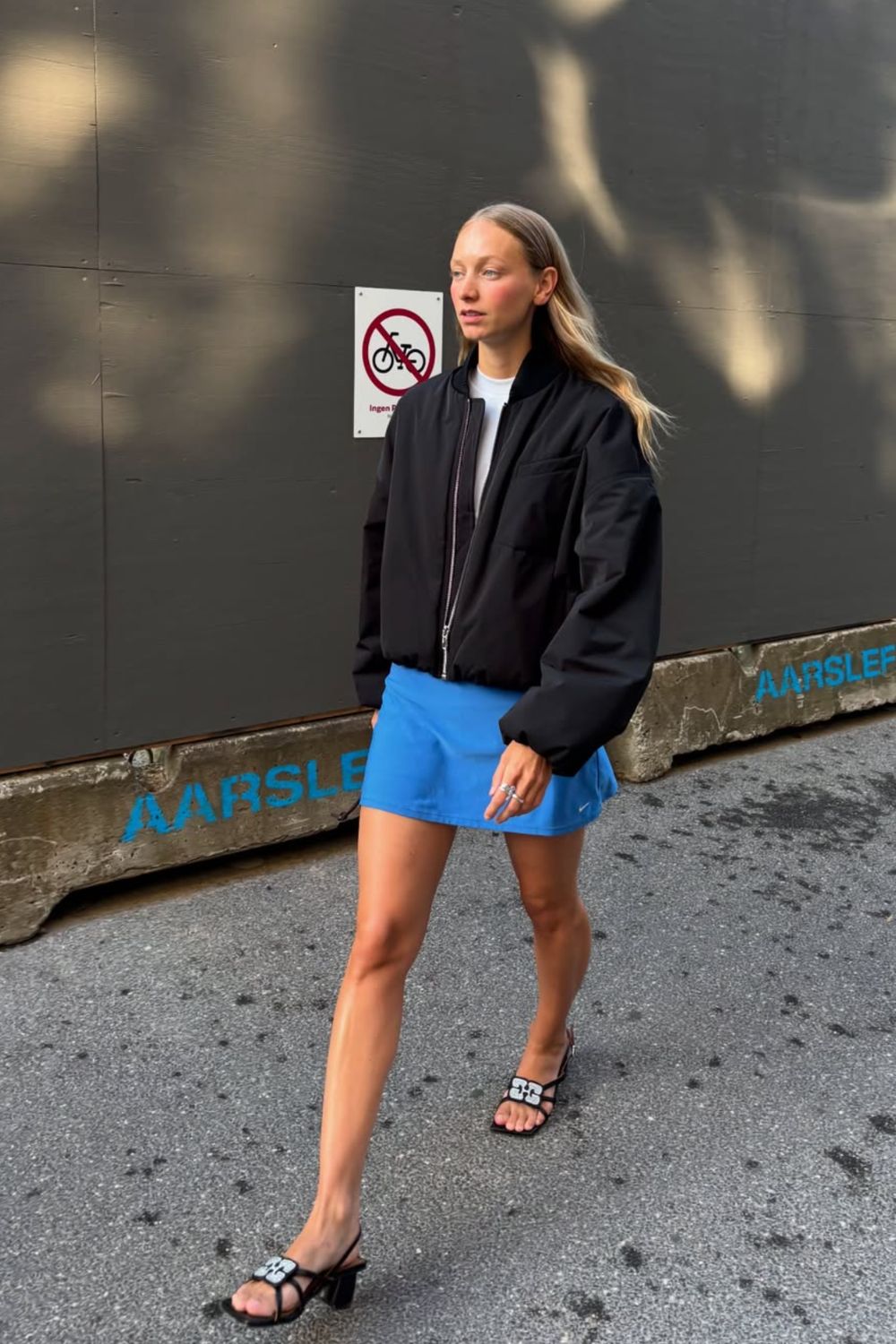
- Minimalist sandals in warmer months
Heels are typically reserved for special occasions, while everyday outfits lean toward functional footwear that complements clean silhouettes.
Accessories the Scandinavian Way
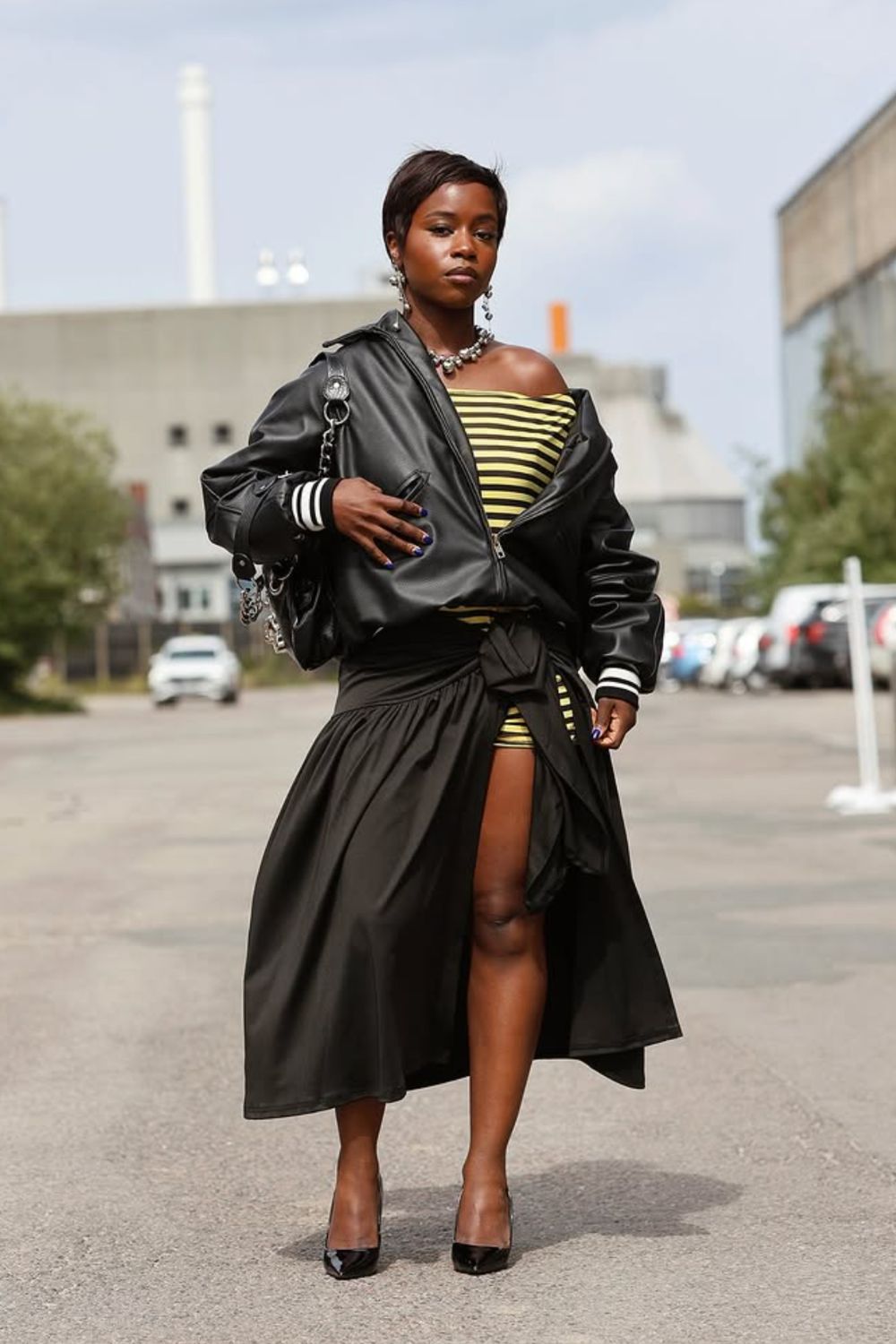
Accessories are understated and purposeful rather than decorative. Instead of bold statement jewelry, Scandinavian women often choose delicate gold or silver pieces, structured handbags, and simple leather belts.
Scarves, tote bags, and crossbody purses are common additions, particularly during colder months. The goal is cohesion—every accessory should enhance the outfit rather than compete with it.


Why Scandinavian Fashion Endures
Scandinavian fashion has lasting appeal because it transcends trends. Its focus on quality, practicality, and timeless design makes it adaptable to changing seasons and personal style evolutions.
Rather than dictating strict rules, Nordic fashion offers a framework—one that encourages intentional dressing, thoughtful purchases, and confidence in simplicity.
For women seeking a wardrobe that feels modern yet enduring, stylish yet comfortable, Scandinavian fashion provides the perfect blueprint. It’s not about owning more; it’s about choosing better. And in a world of ever-changing trends, that philosophy feels refreshingly permanent.