Last Updated on 8 May, 2026
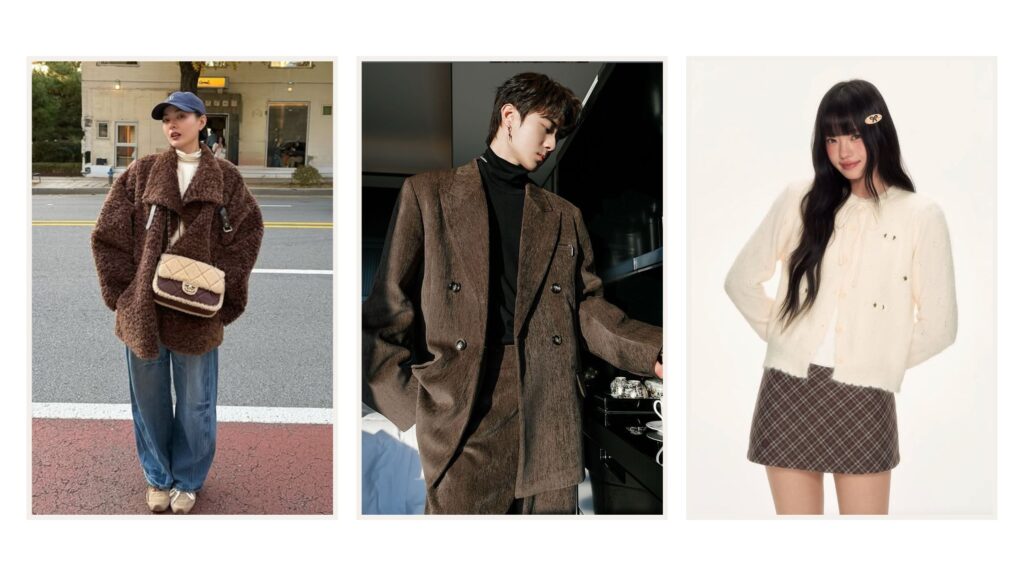
Korean fashion has quietly — and then very loudly — taken over the global style conversation. What once felt niche or trend-driven is now a full-blown fashion movement influencing runways, street style, social media, and everyday wardrobes across the world.
From oversized blazers and monochrome tailoring to soft feminine silhouettes and edgy grunge aesthetics, Korean fashion is not just one “look.” It’s a spectrum of styles that balance creativity, precision, and individuality.
What makes Korean fashion so captivating is its ability to merge opposites: polished yet relaxed, minimal yet expressive, youthful yet refined. Whether you’re drawn to elegant dresses, layered streetwear, or sharp menswear tailoring, Korean style offers inspiration for everyone.
This guide will walk you through the core aesthetics, popular trends, and key brands so you can understand — and maybe adopt — the essence of Korean fashion for yourself.
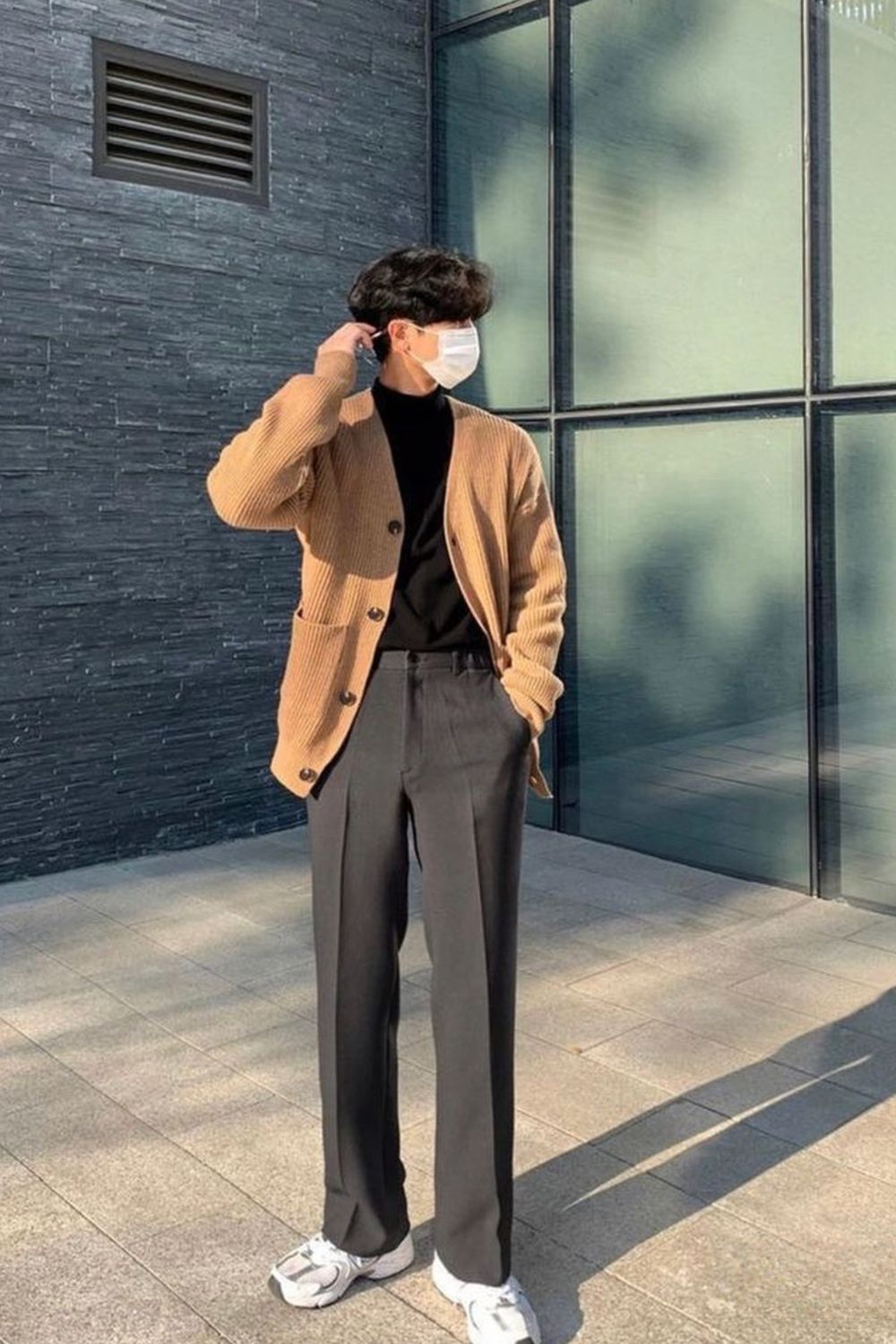
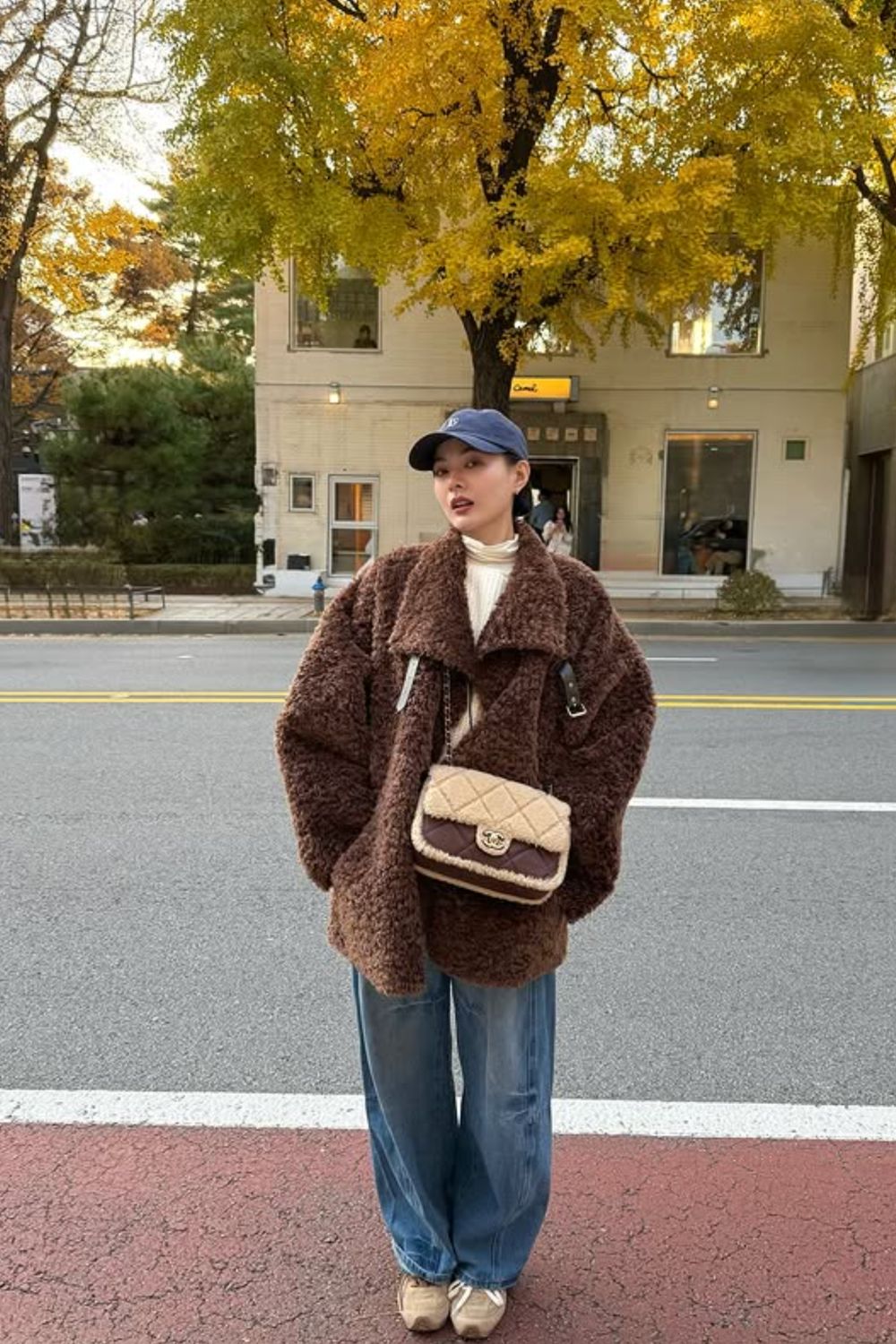
What Defines Korean Fashion?
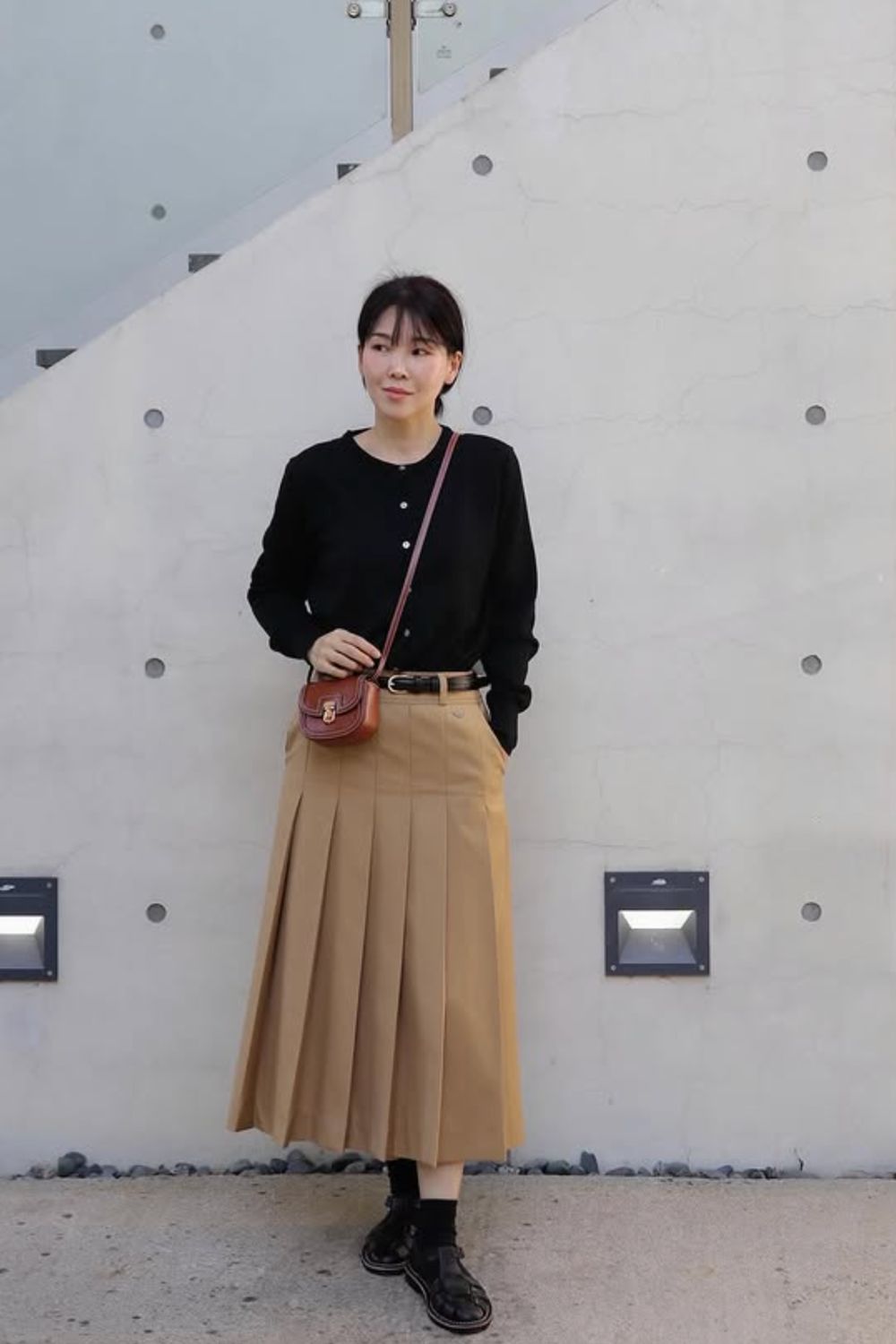
At its core, Korean fashion is about intentional styling. Outfits are rarely accidental. Even the most casual looks tend to feel curated, balanced, and visually cohesive.
There are a few recurring themes that run through both men’s and women’s fashion:
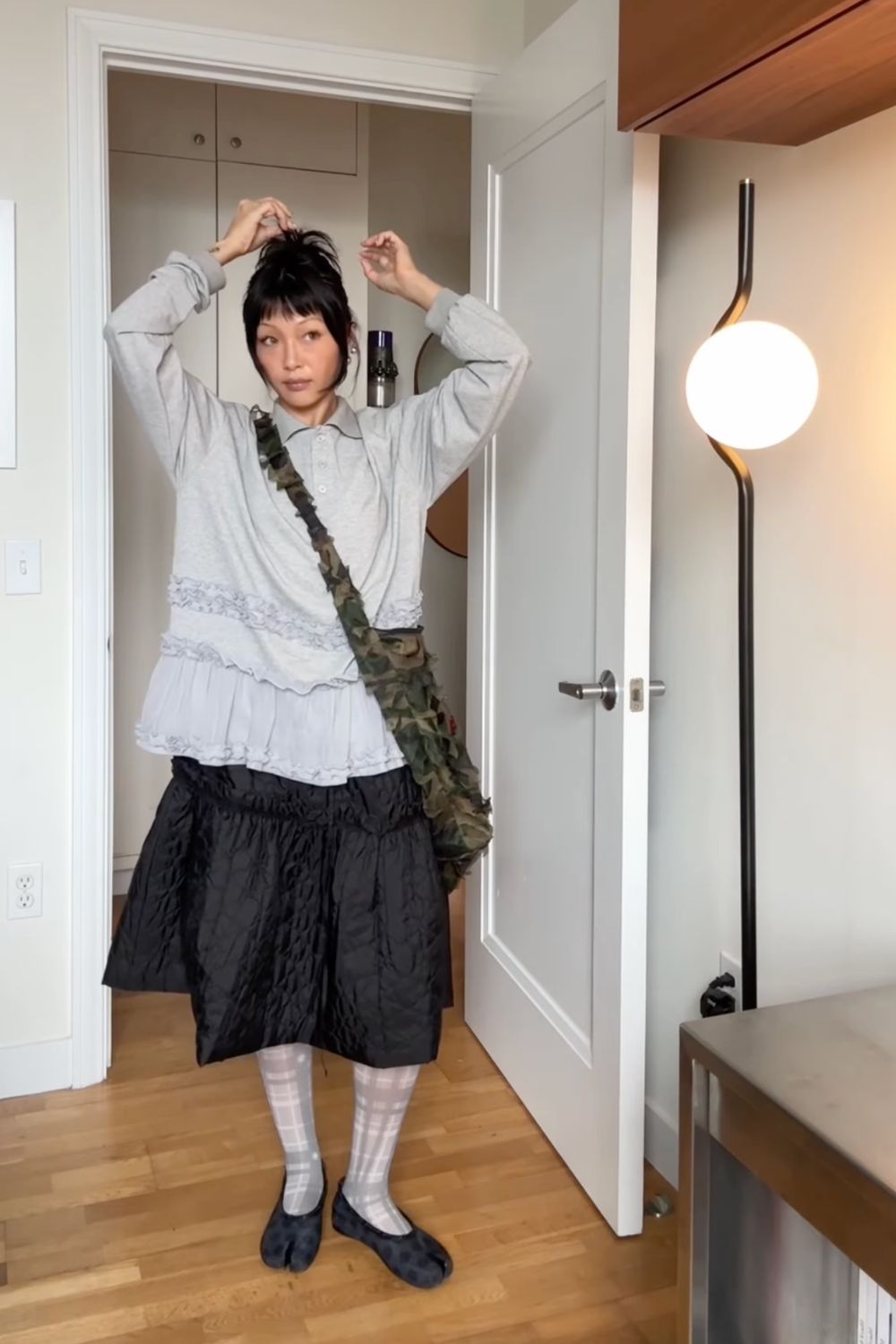
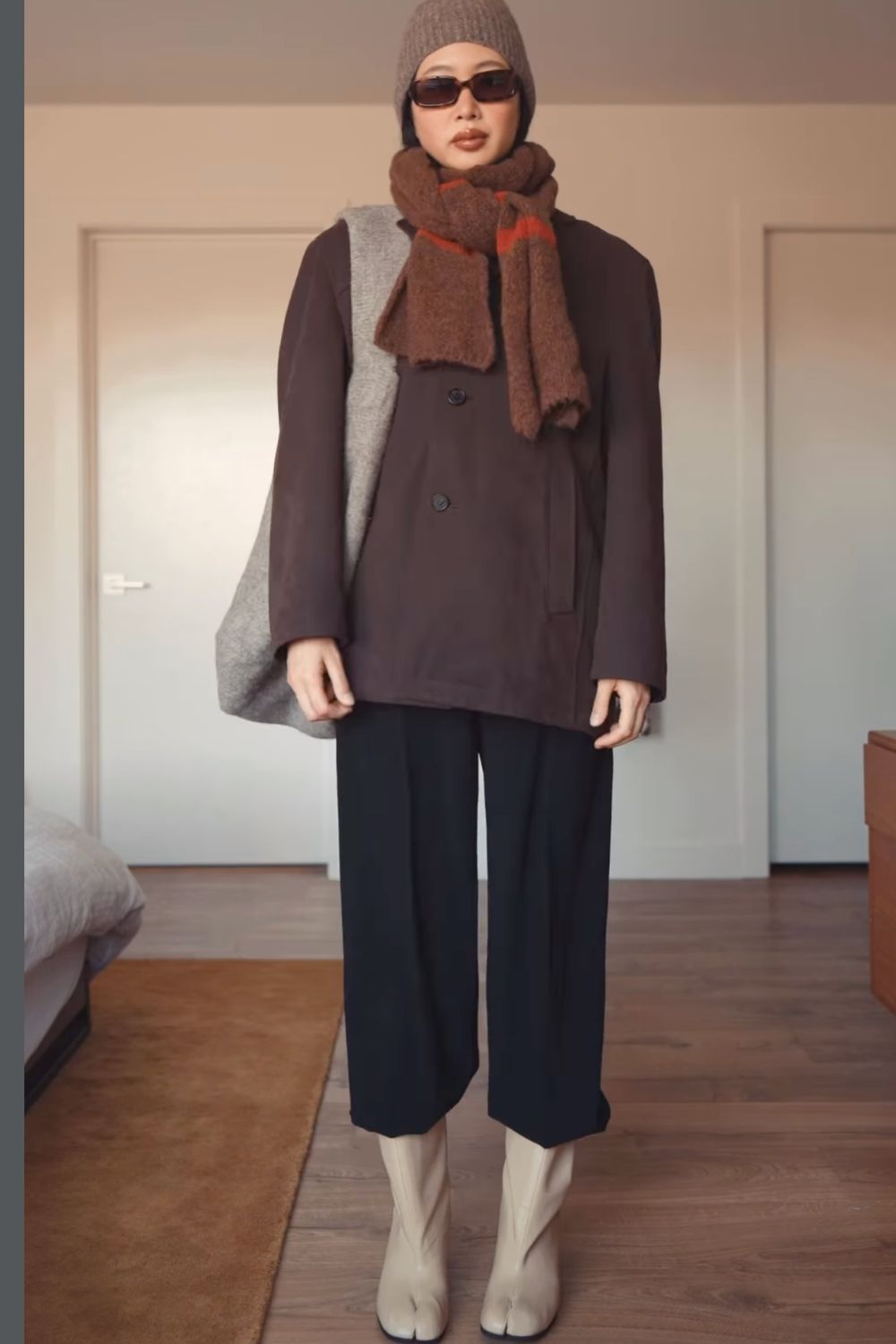
- Layering: Shirts under sweaters, jackets over hoodies, skirts with tights and boots — layering adds depth and dimension.
- Neutral Foundations: Beige, black, white, gray, and navy often serve as the base, with occasional pops of color.
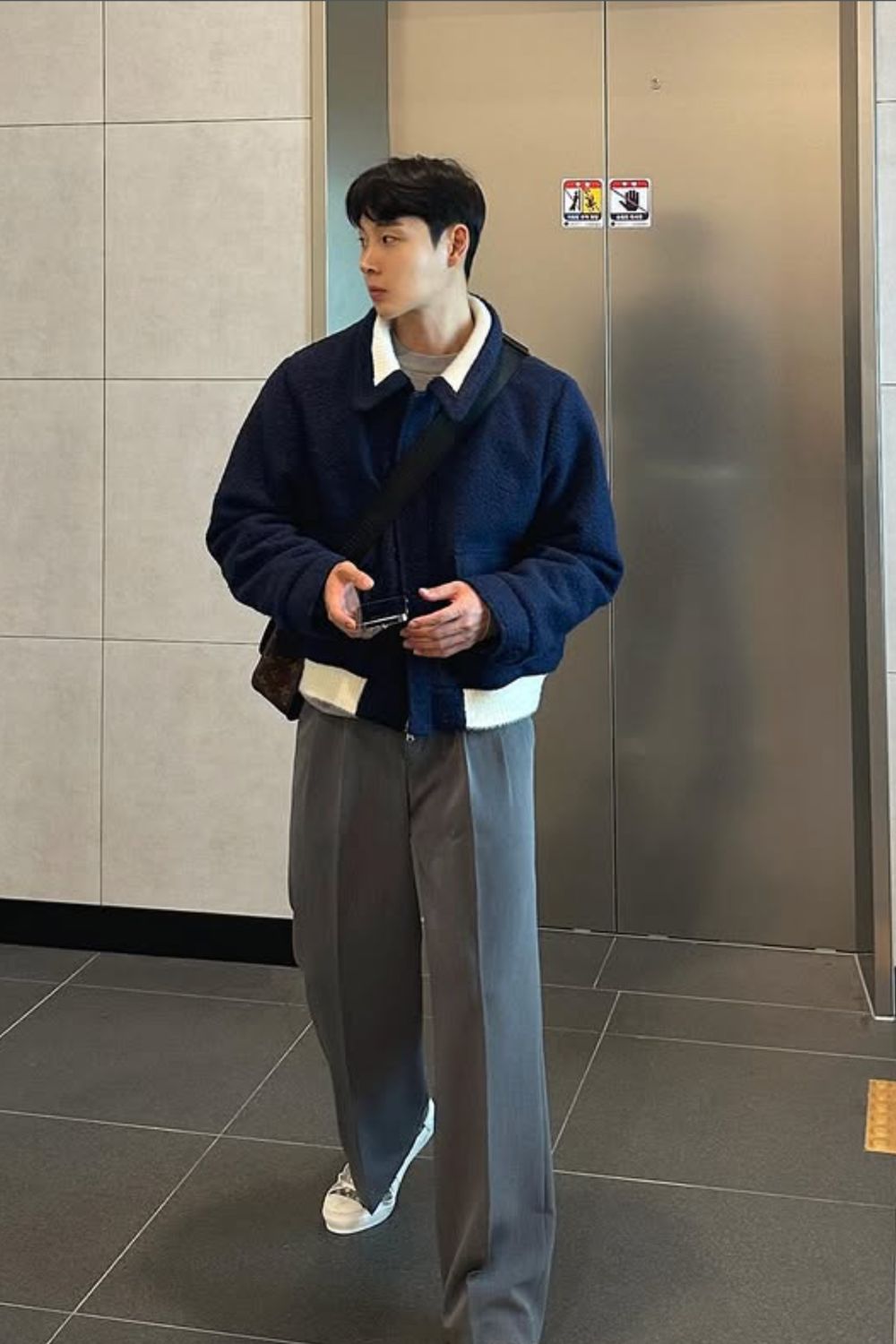
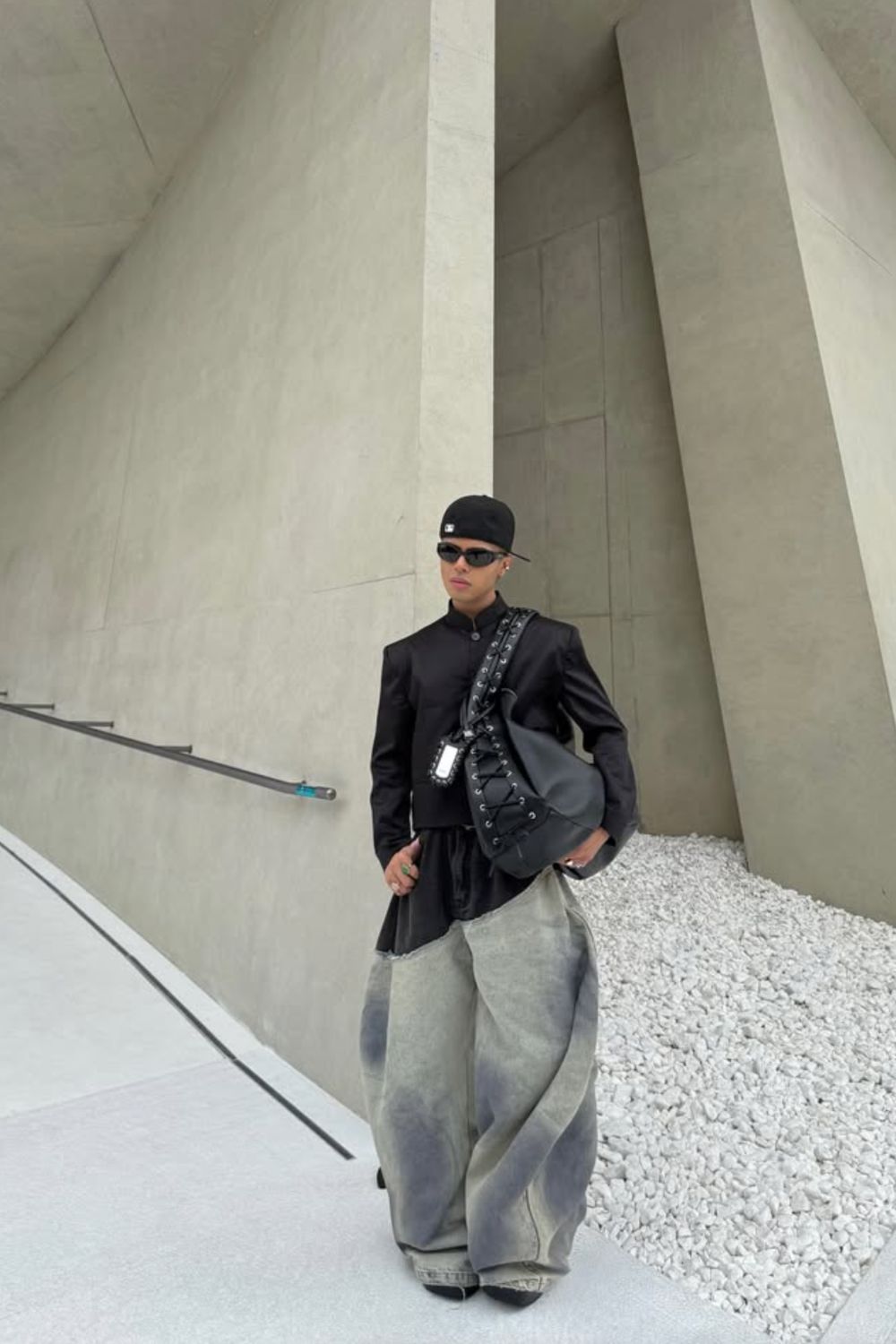
- Fit Variety: Oversized silhouettes coexist with slim cuts, creating contrast within a single outfit.
- Attention to Details: Accessories, textures, and subtle tailoring tweaks elevate simple pieces.
- Youthful Energy: Even sophisticated outfits maintain a fresh, modern vibe.
Rather than chasing trends, Korean fashion tends to reinterpret them in a wearable, everyday way.
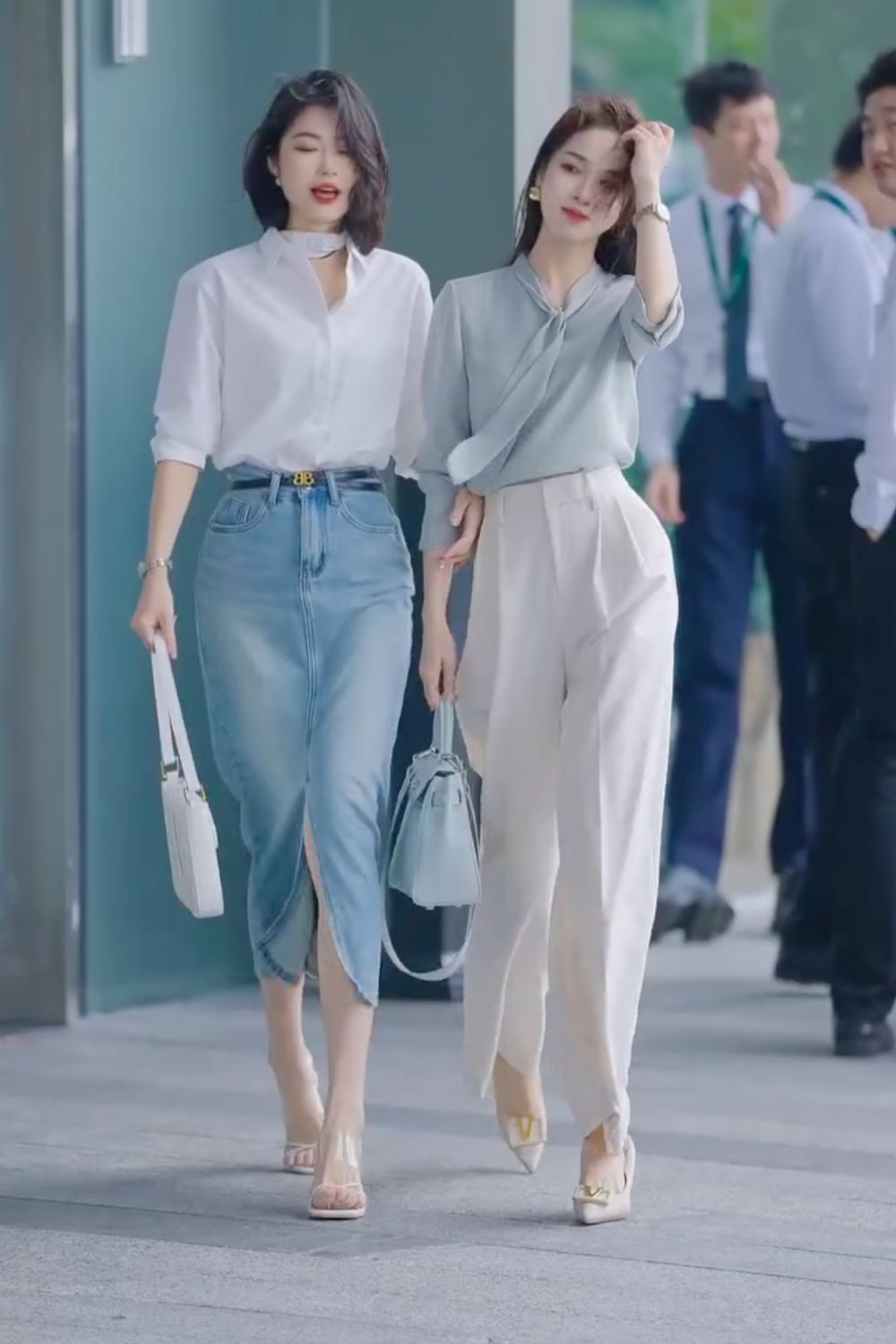
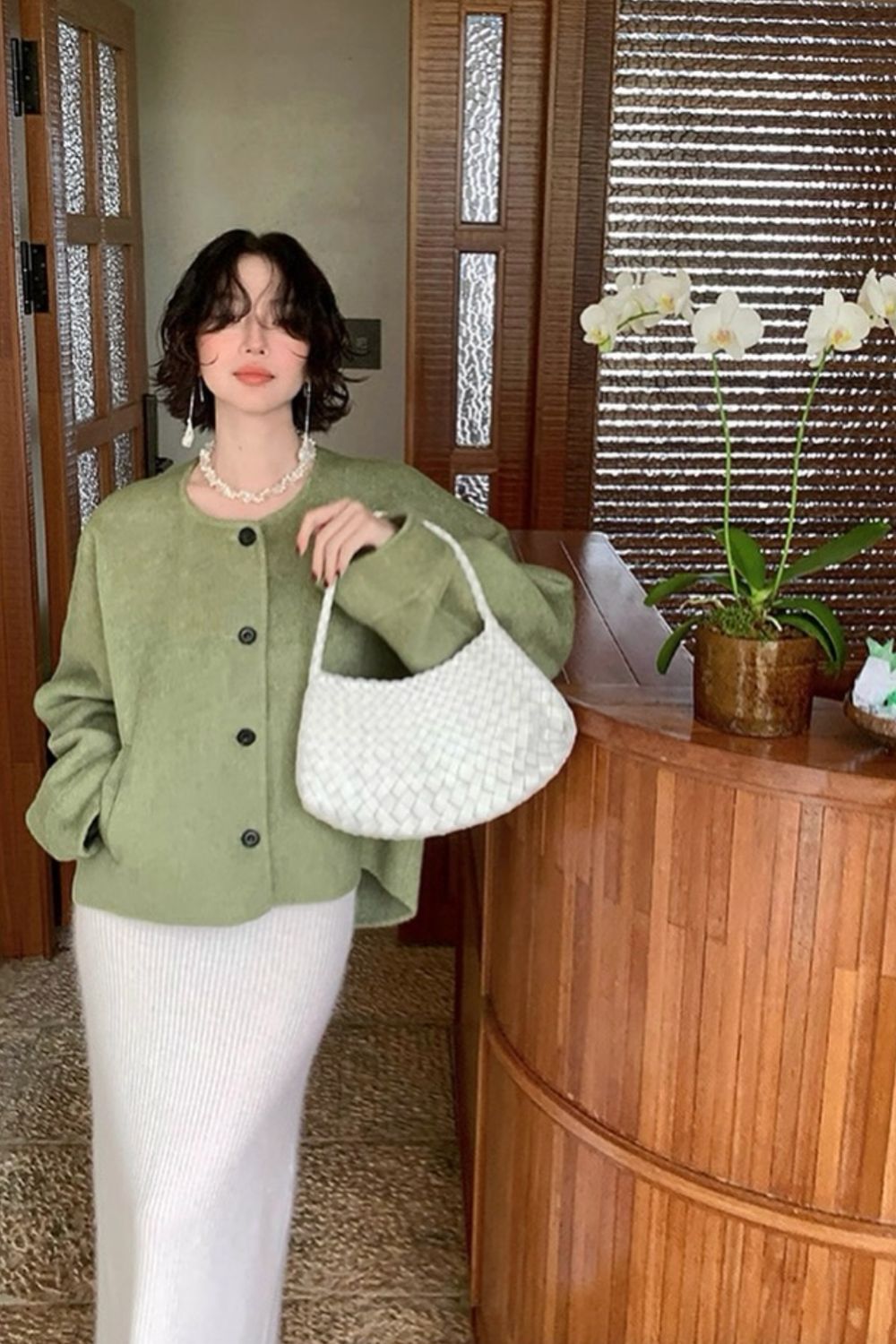
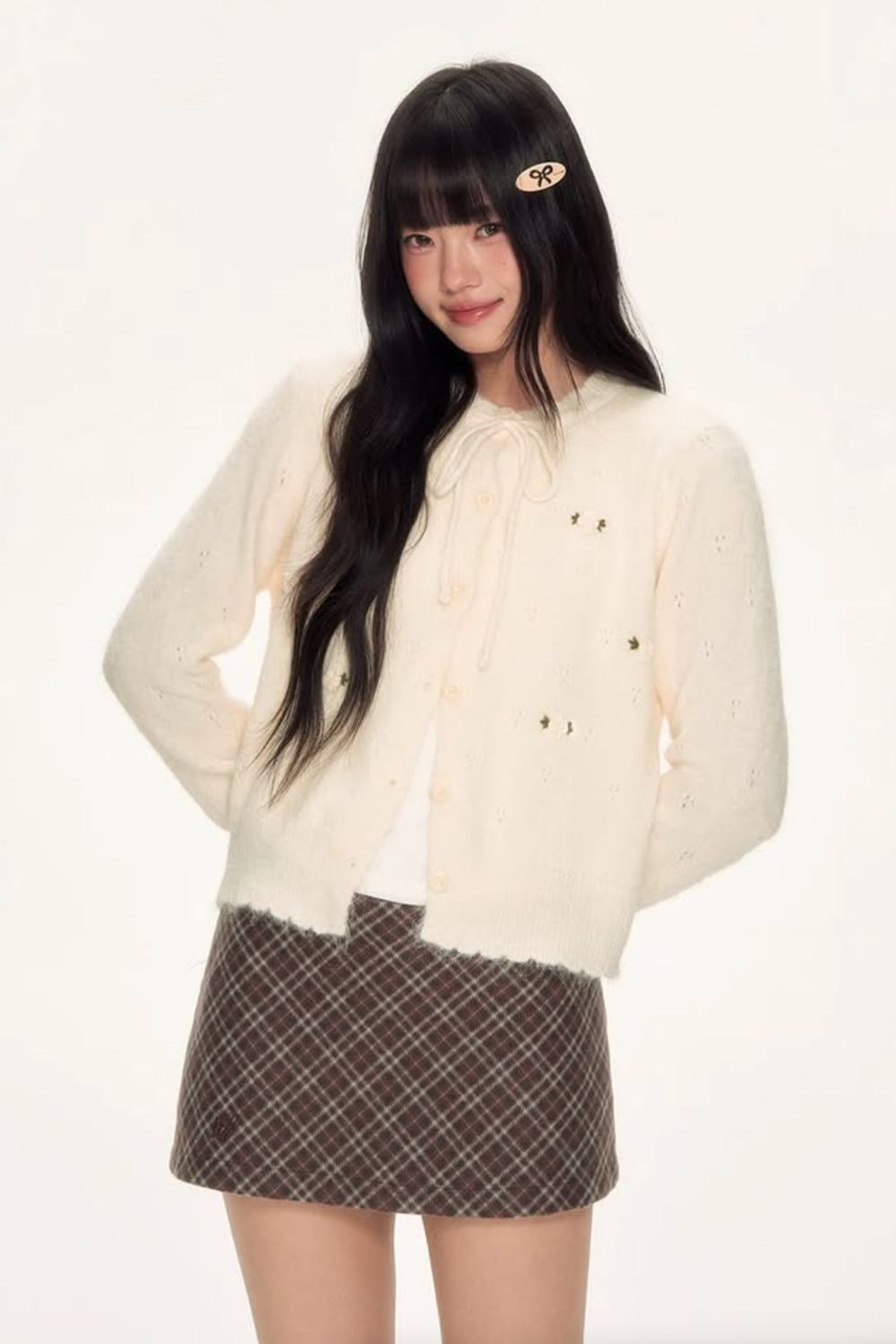
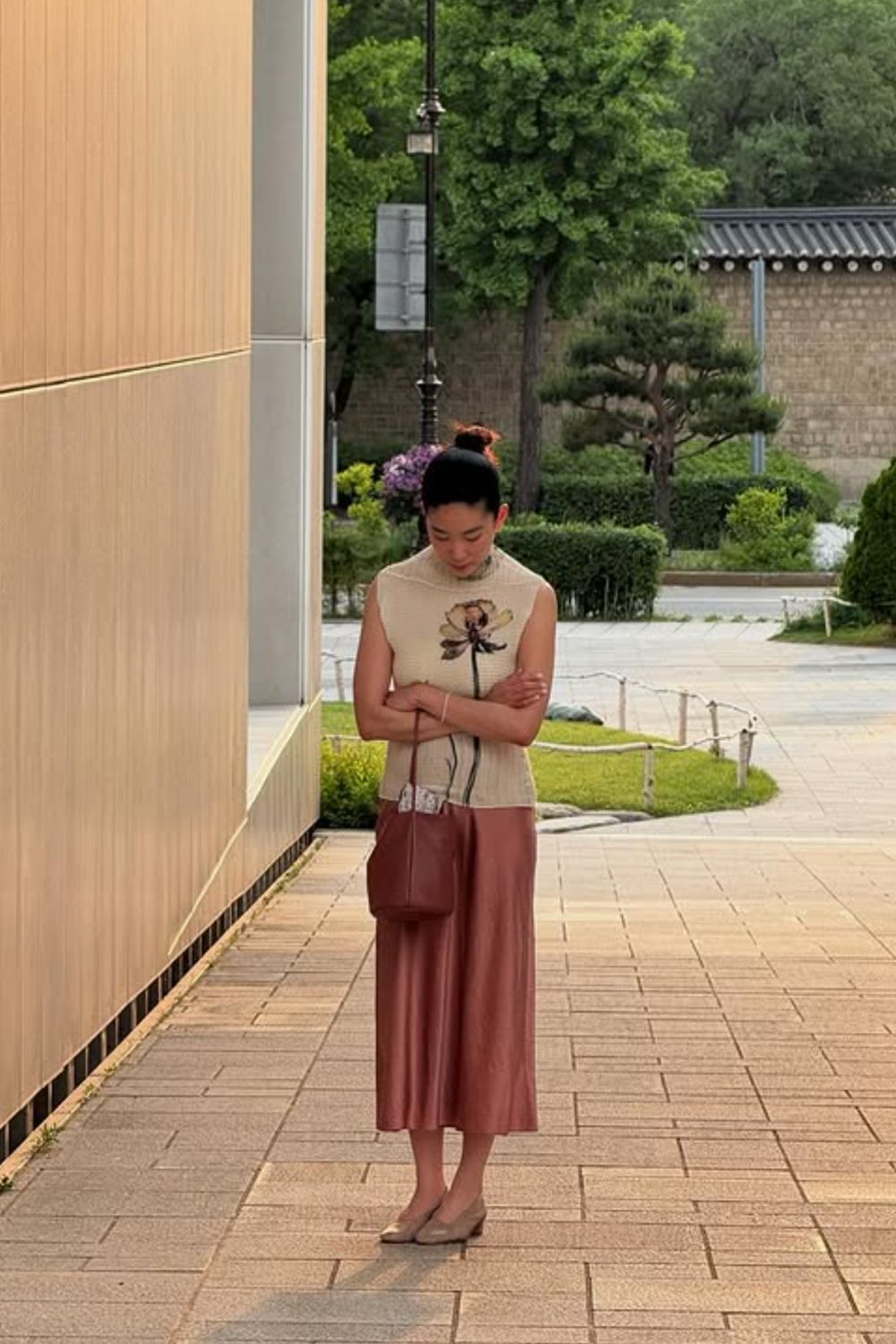
Feminine Korean Fashion Style
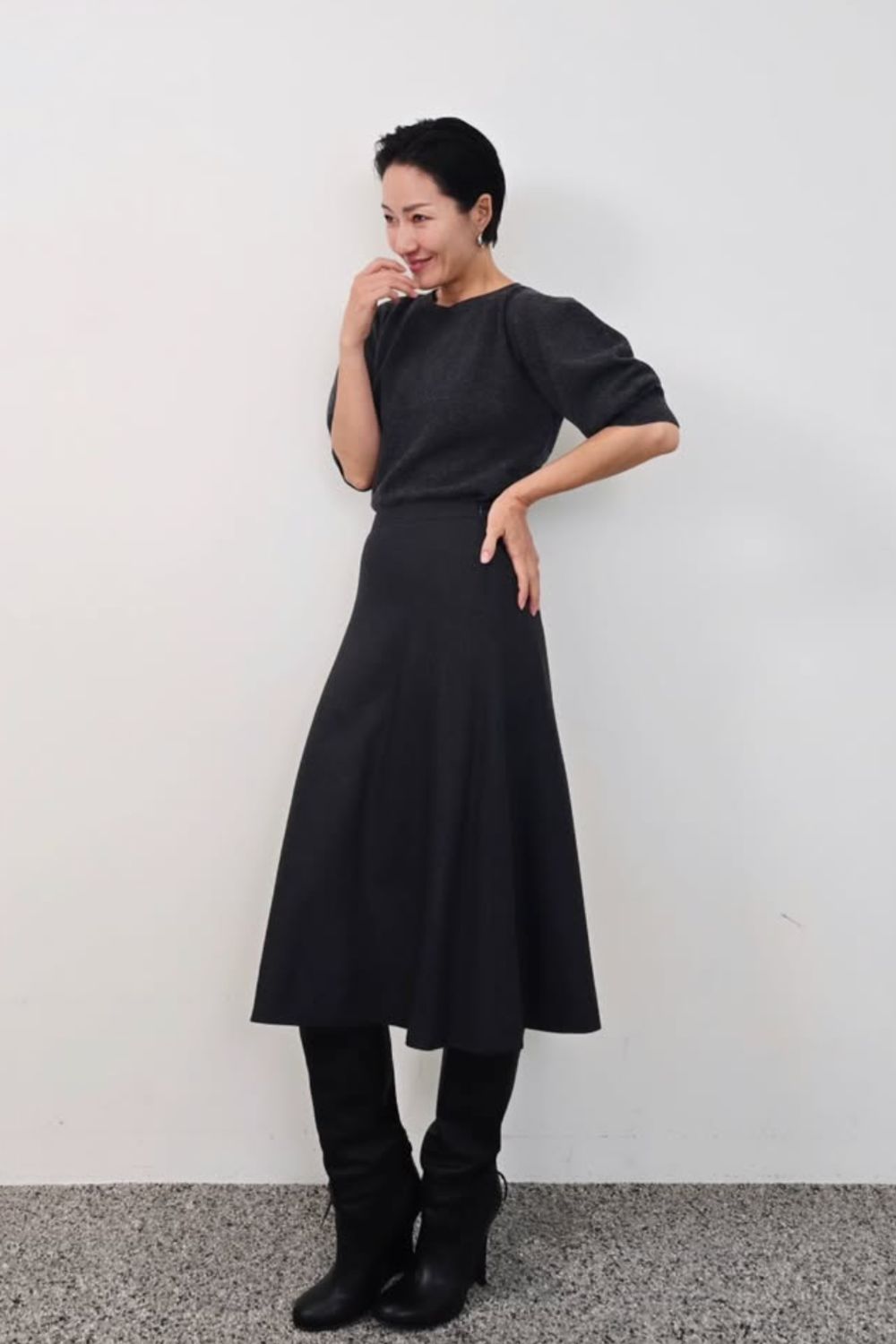
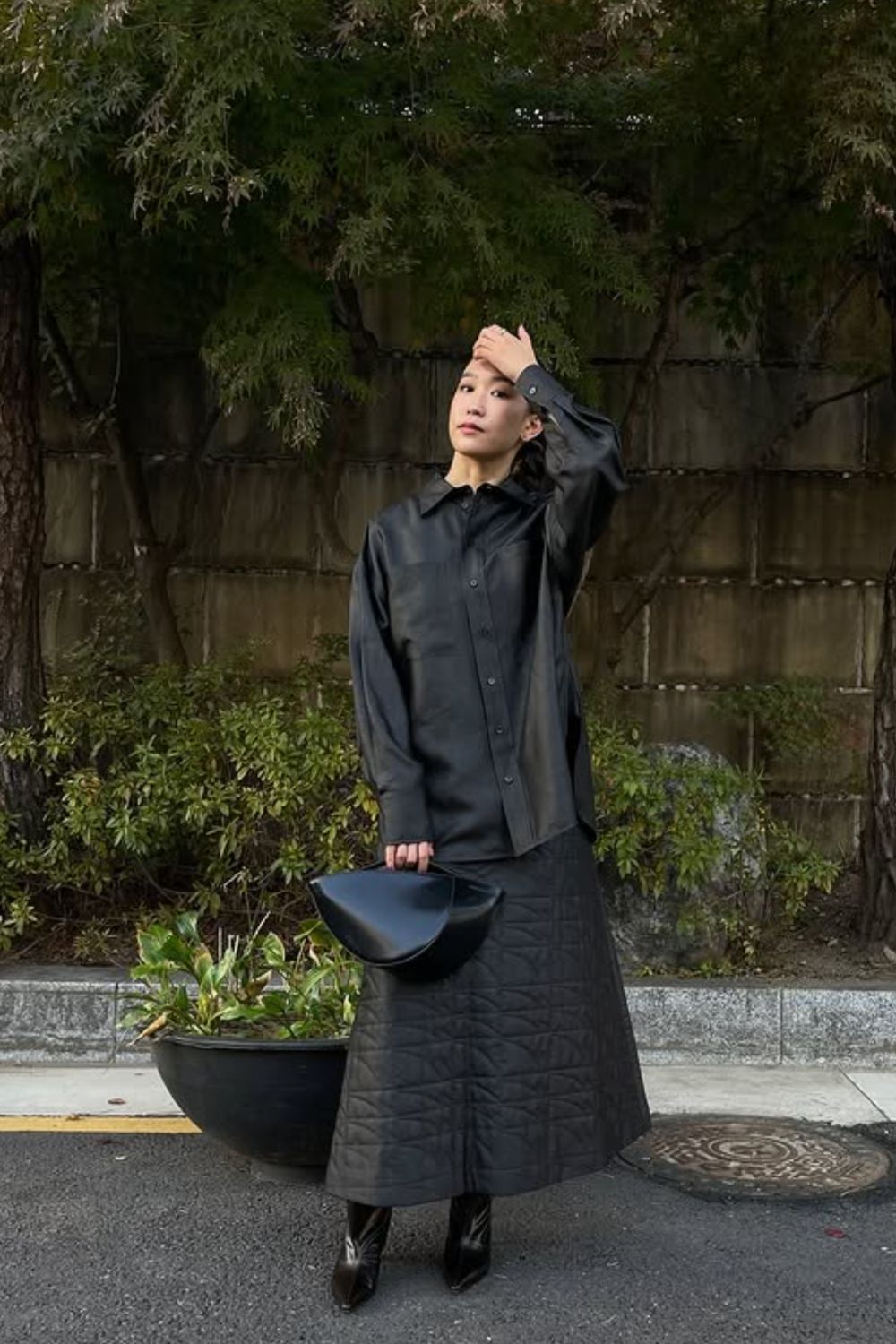
The feminine Korean aesthetic is soft, romantic, and effortlessly polished. It leans into elegance without feeling overly formal.
Think flowing fabrics, delicate patterns, and flattering silhouettes that highlight movement and comfort.
Key Elements
- A-line skirts and pleated midi skirts
- Puff-sleeve blouses and knit cardigans
- Floral or pastel dresses
- Ballet flats, Mary Janes, or low heels
- Lightweight trench coats and cropped jackets
This style often uses light color palettes — creams, blush pinks, sky blues, and lilacs — paired with subtle accessories like pearl earrings or slim handbags.
Hair and makeup usually remain natural, enhancing the overall softness. The appeal lies in its versatility; these outfits work just as well for brunch dates as they do for casual office settings.
Korean Streetwear & Grunge Style
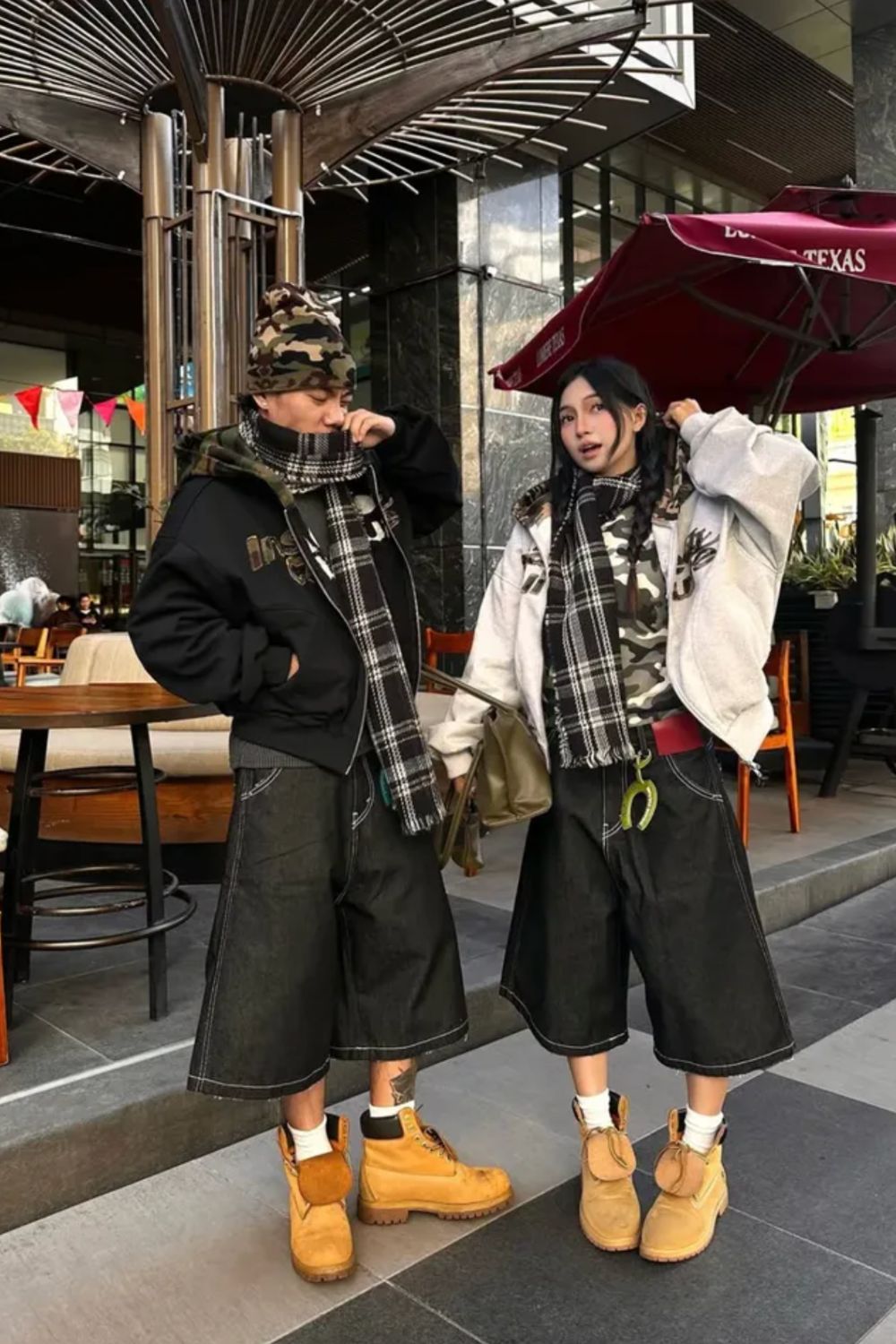
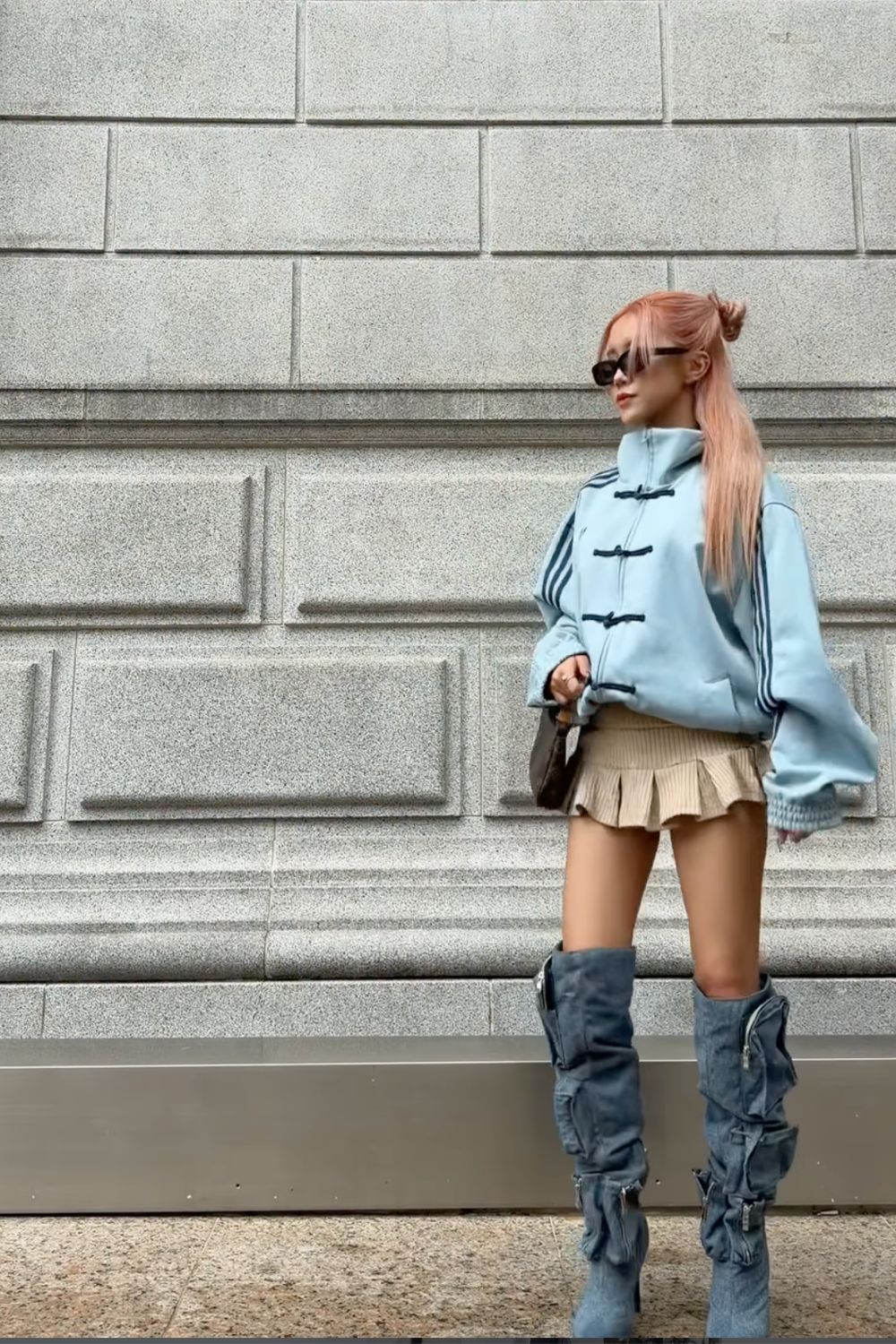
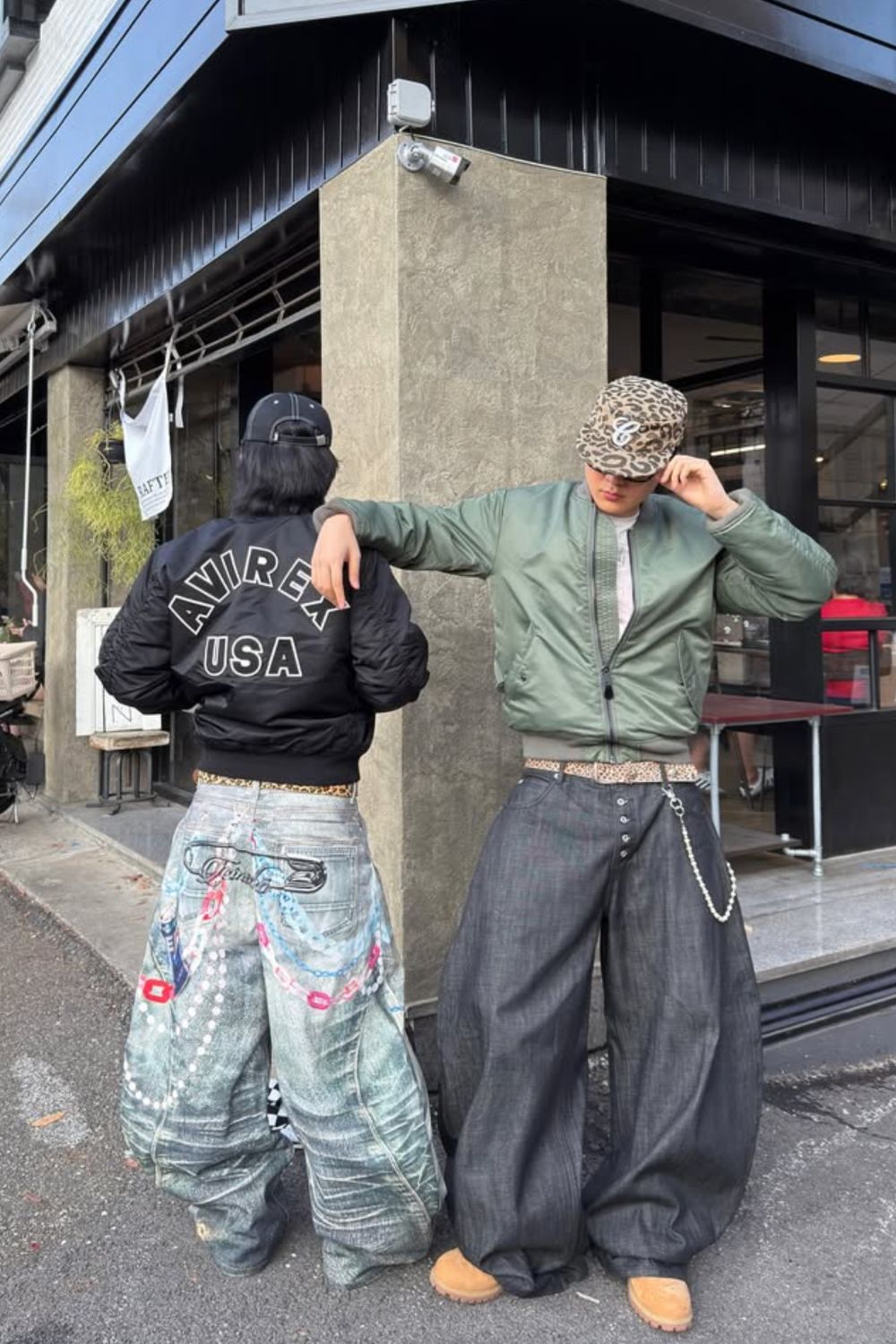
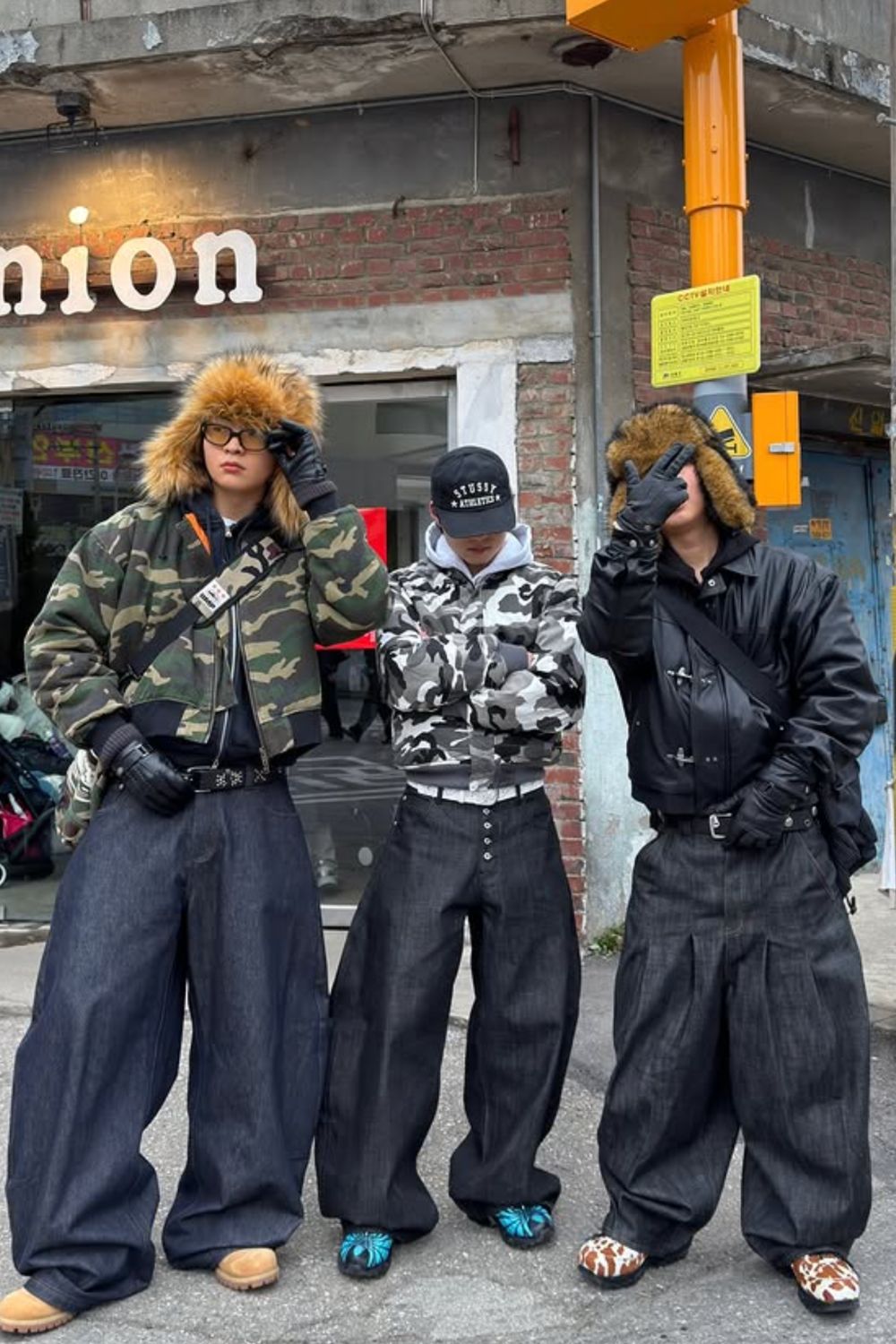
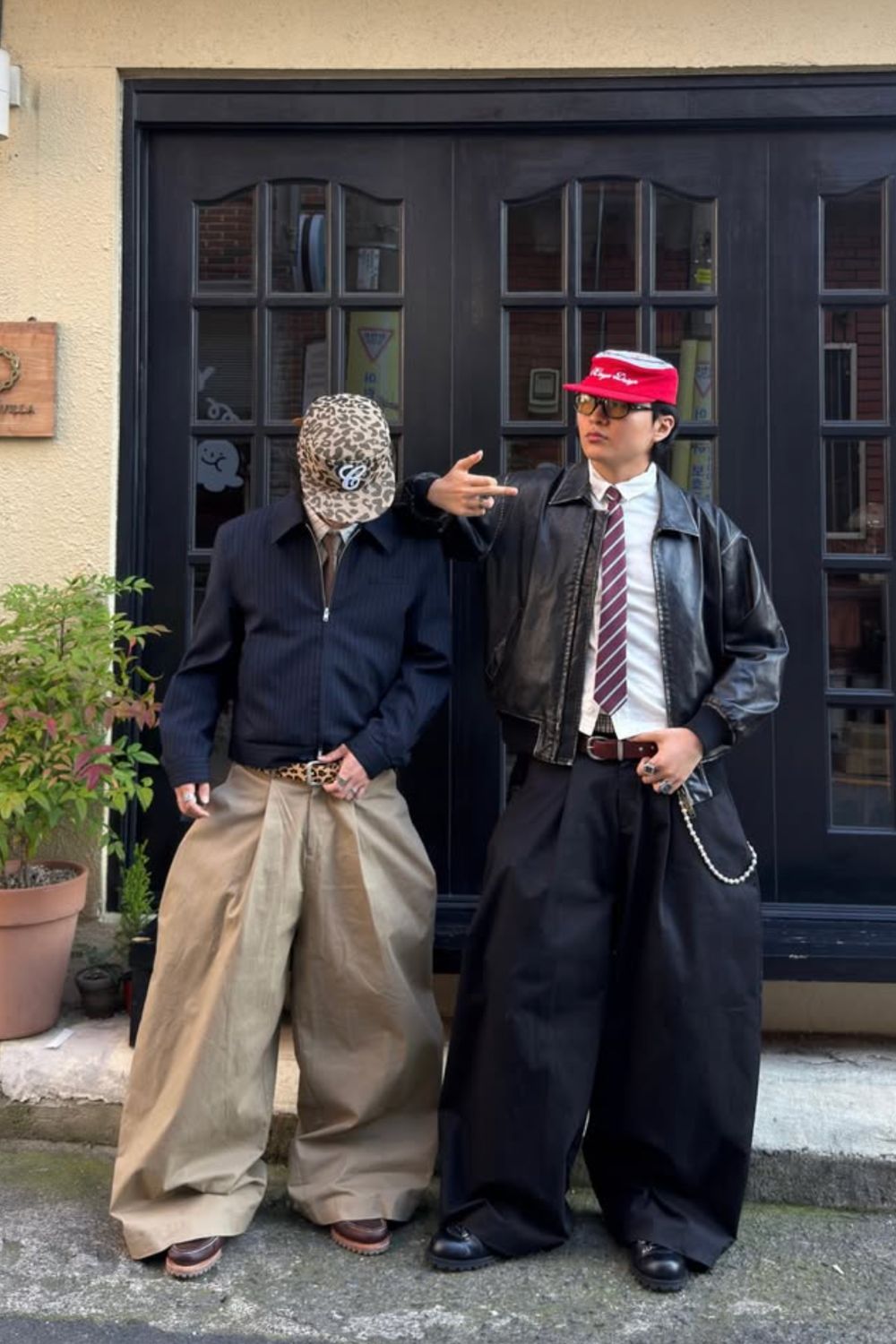
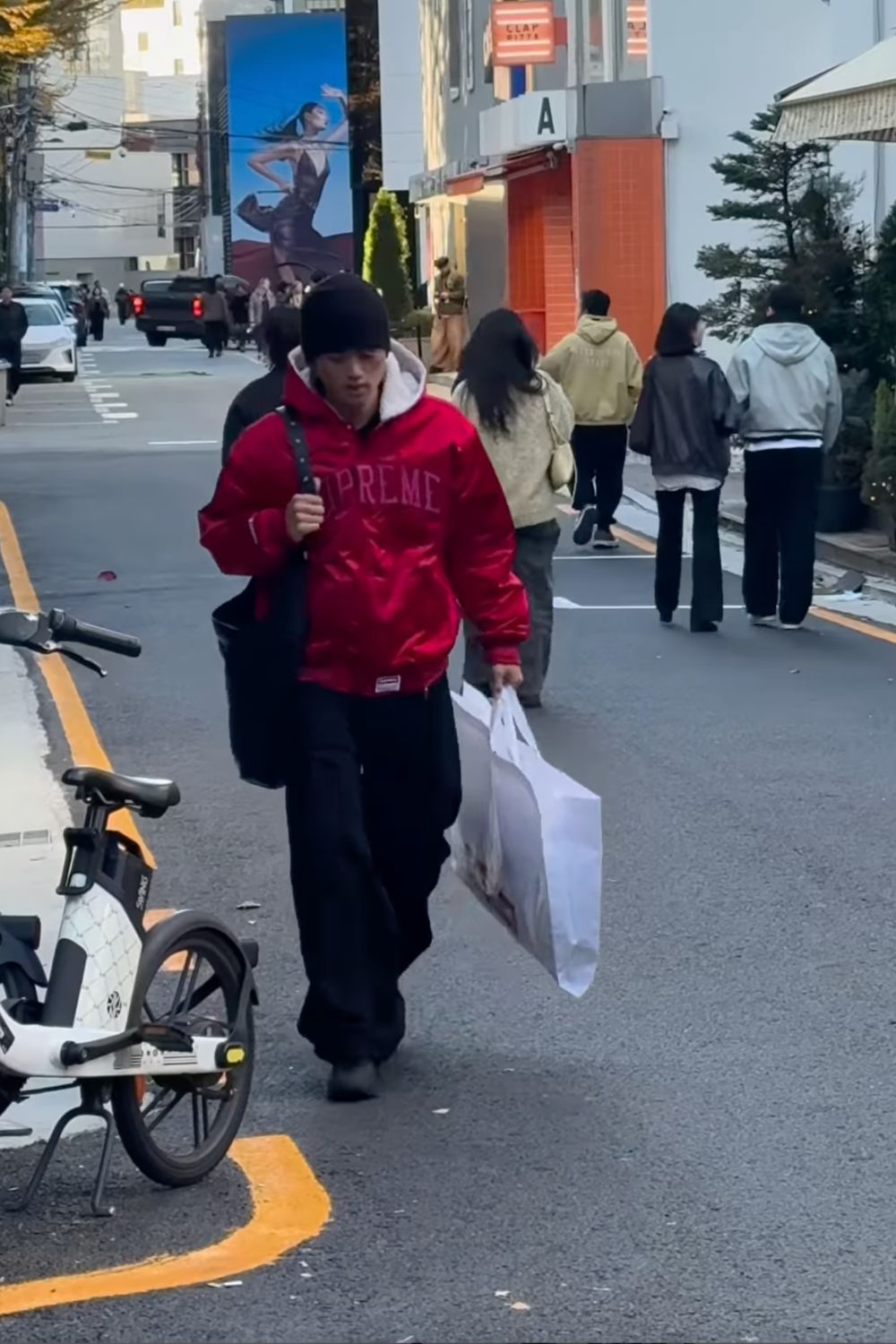
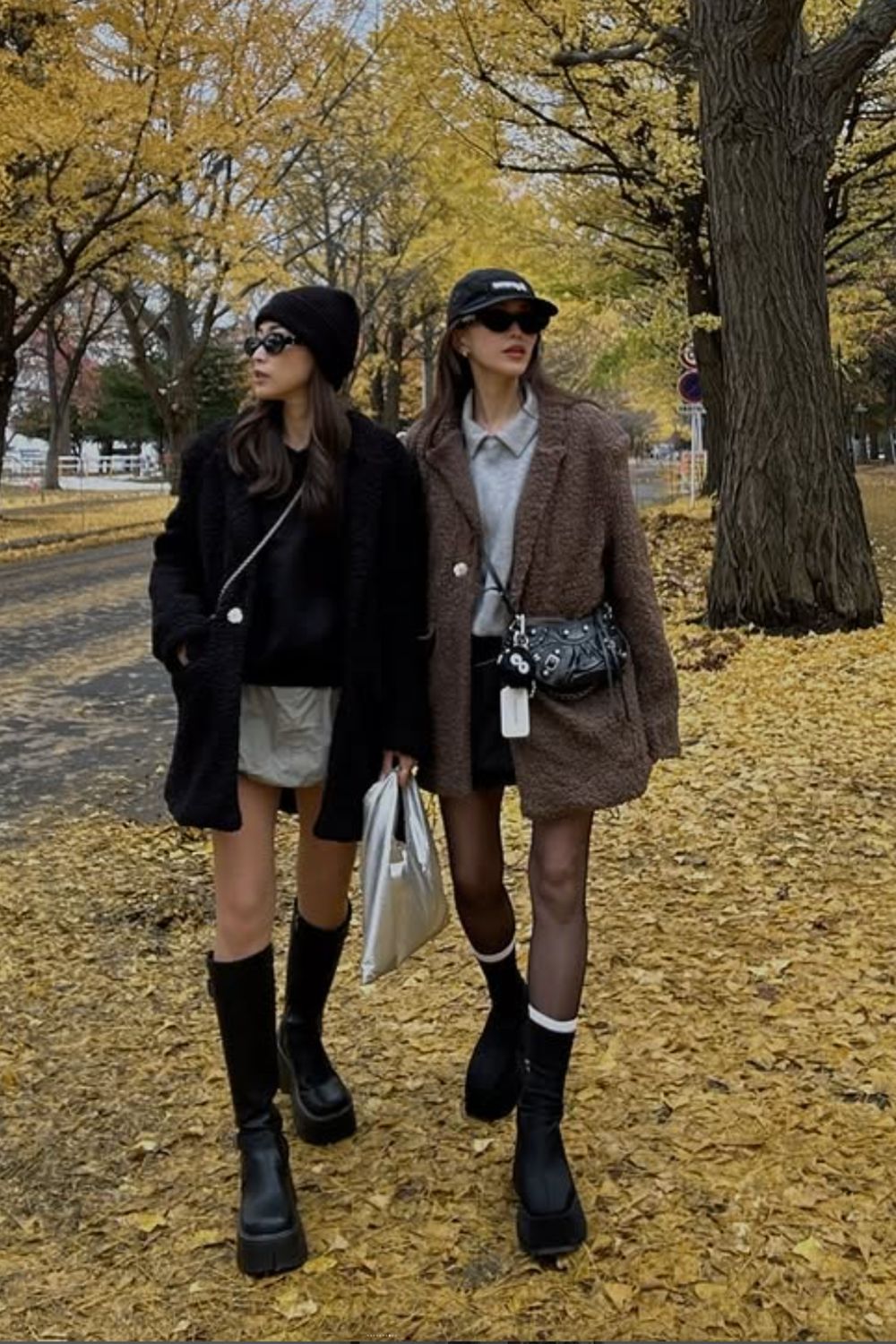
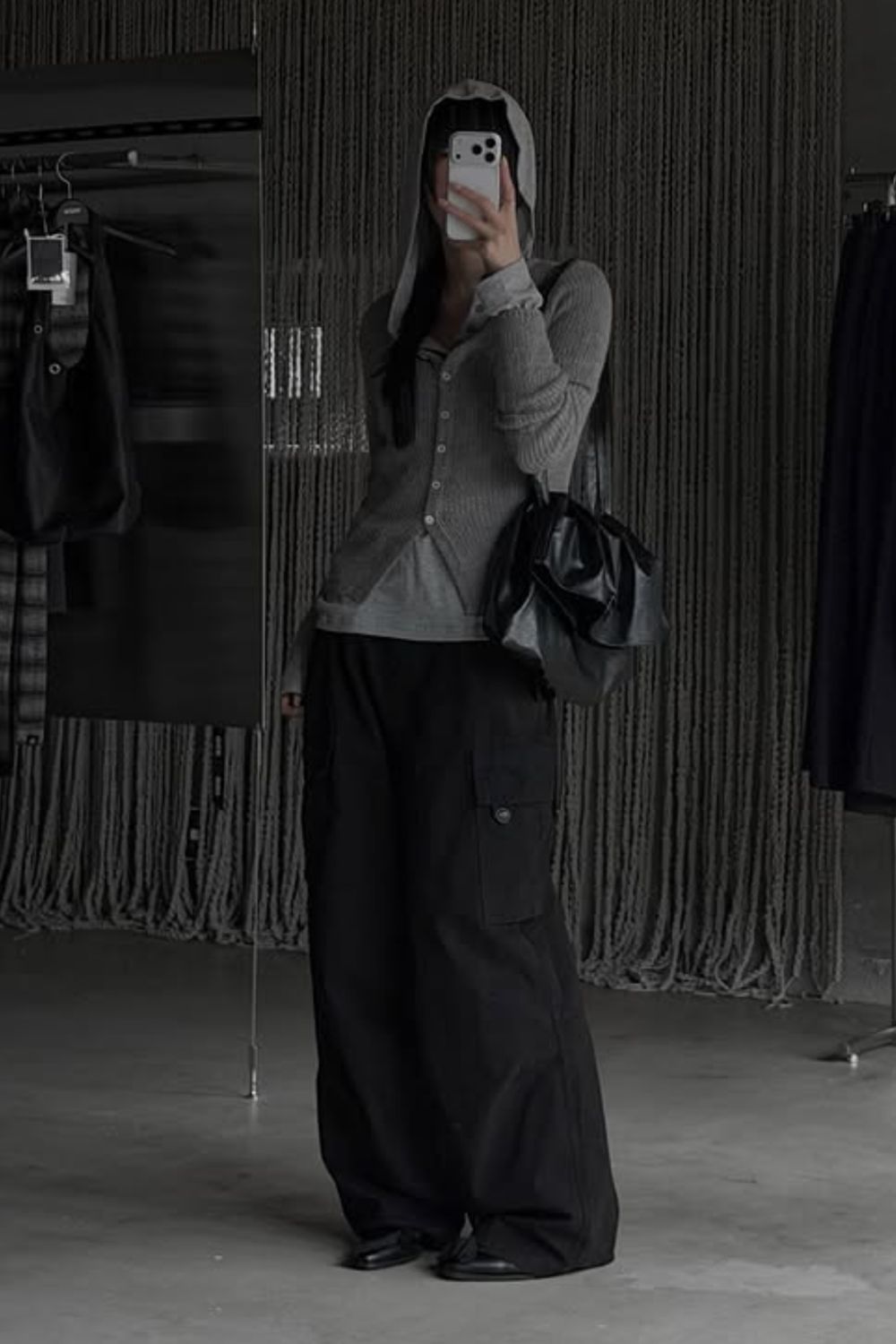
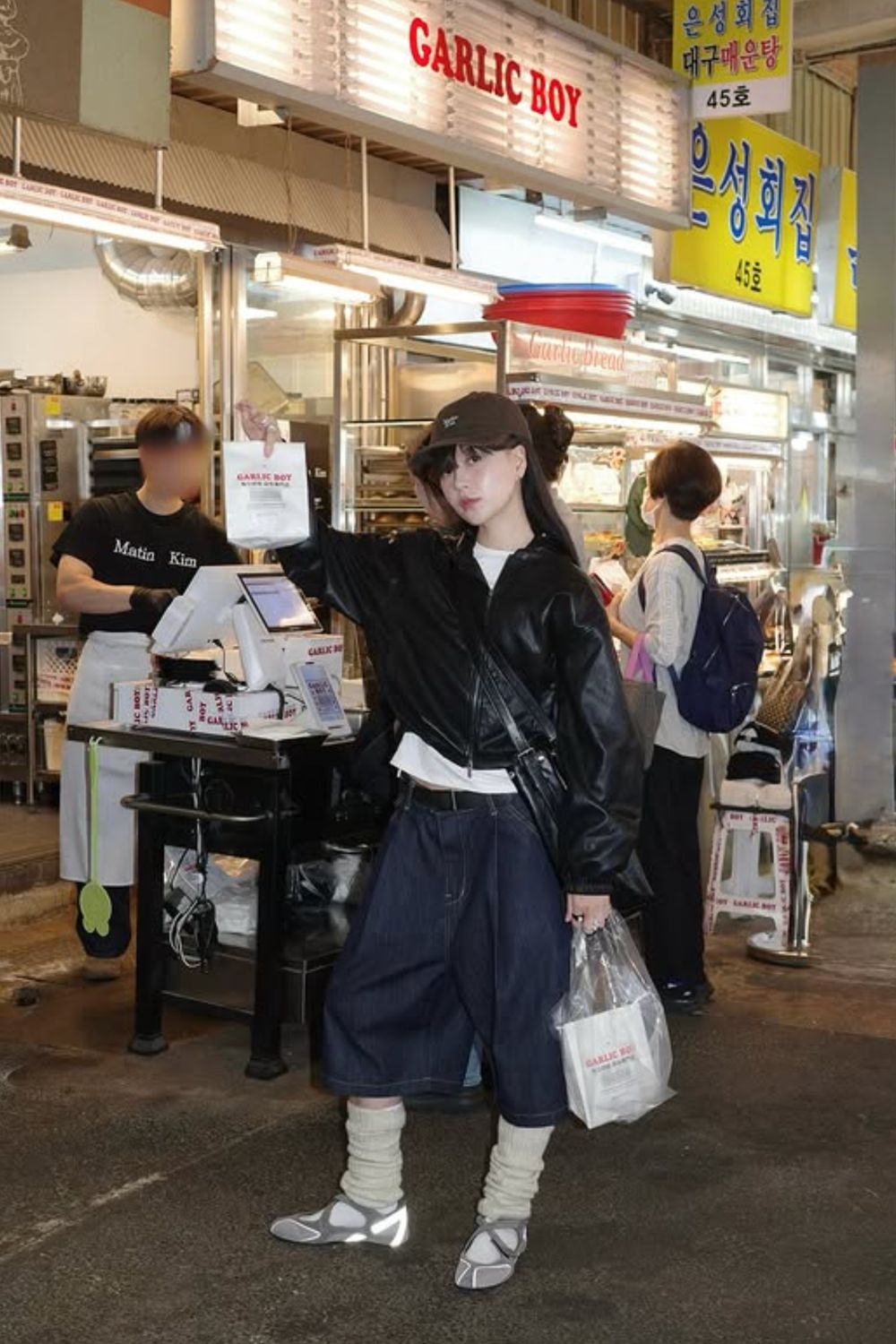
On the opposite end of the spectrum sits the bold and expressive Korean streetwear scene. Influenced by hip-hop, skate culture, and global urban fashion, this aesthetic is more experimental and rebellious.
Key Elements
- Oversized hoodies and graphic tees
- Cargo pants or distressed denim
- Combat boots or chunky sneakers
- Layered chains, beanies, and crossbody bags
- Dark or monochrome color schemes
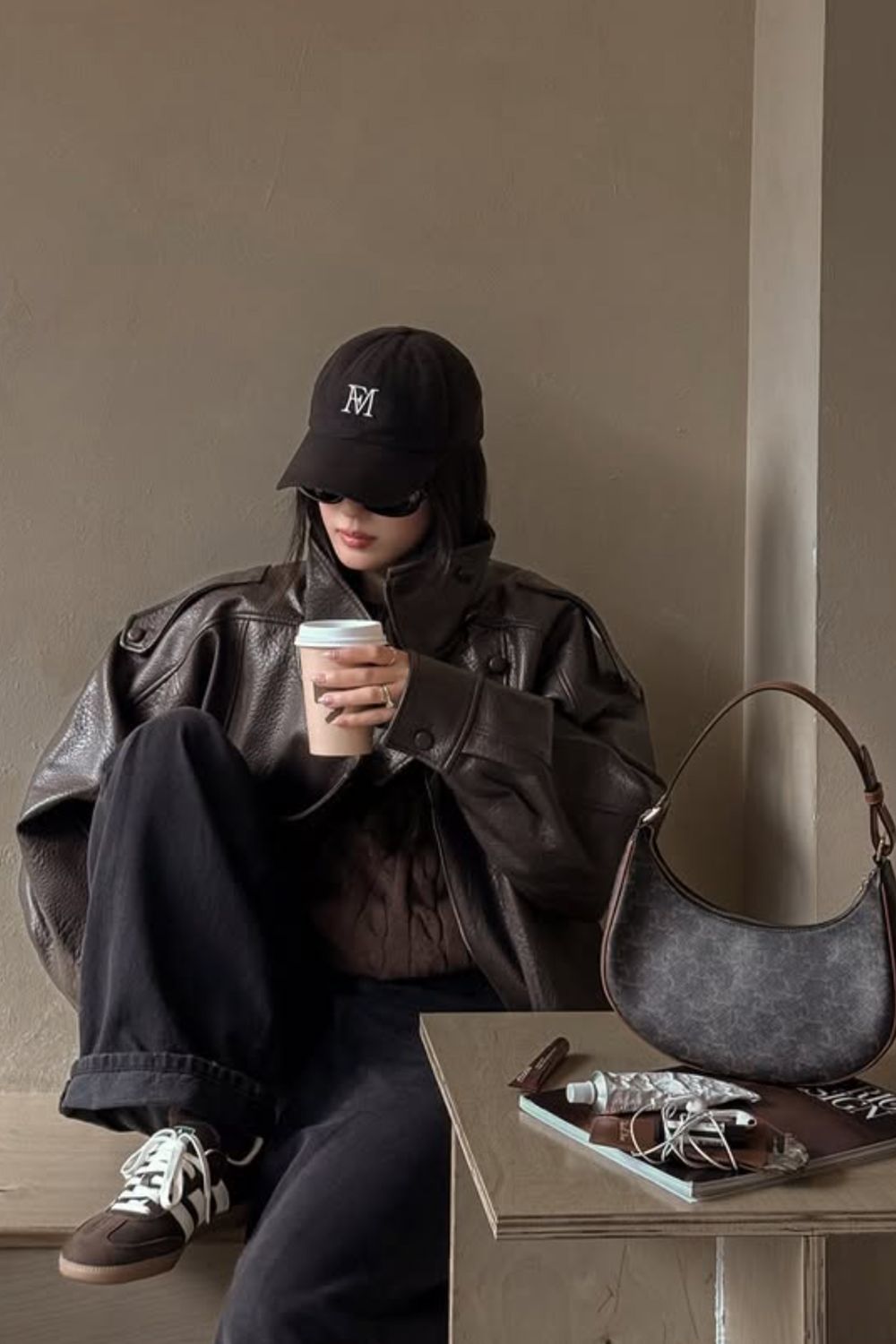
Grunge-inspired Korean fashion often incorporates black leather, plaid skirts, ripped tights, and mesh layers. It’s less about perfection and more about personality.
What stands out is how wearers mix luxury pieces with thrifted items, creating outfits that feel unique rather than branded.
Punk and Alternative Korean Fashion
Punk fashion in Korea blends Western alternative influences with a cleaner, more structured finish.
While traditional punk can feel chaotic, the Korean interpretation usually maintains balance and proportion.
Key Elements
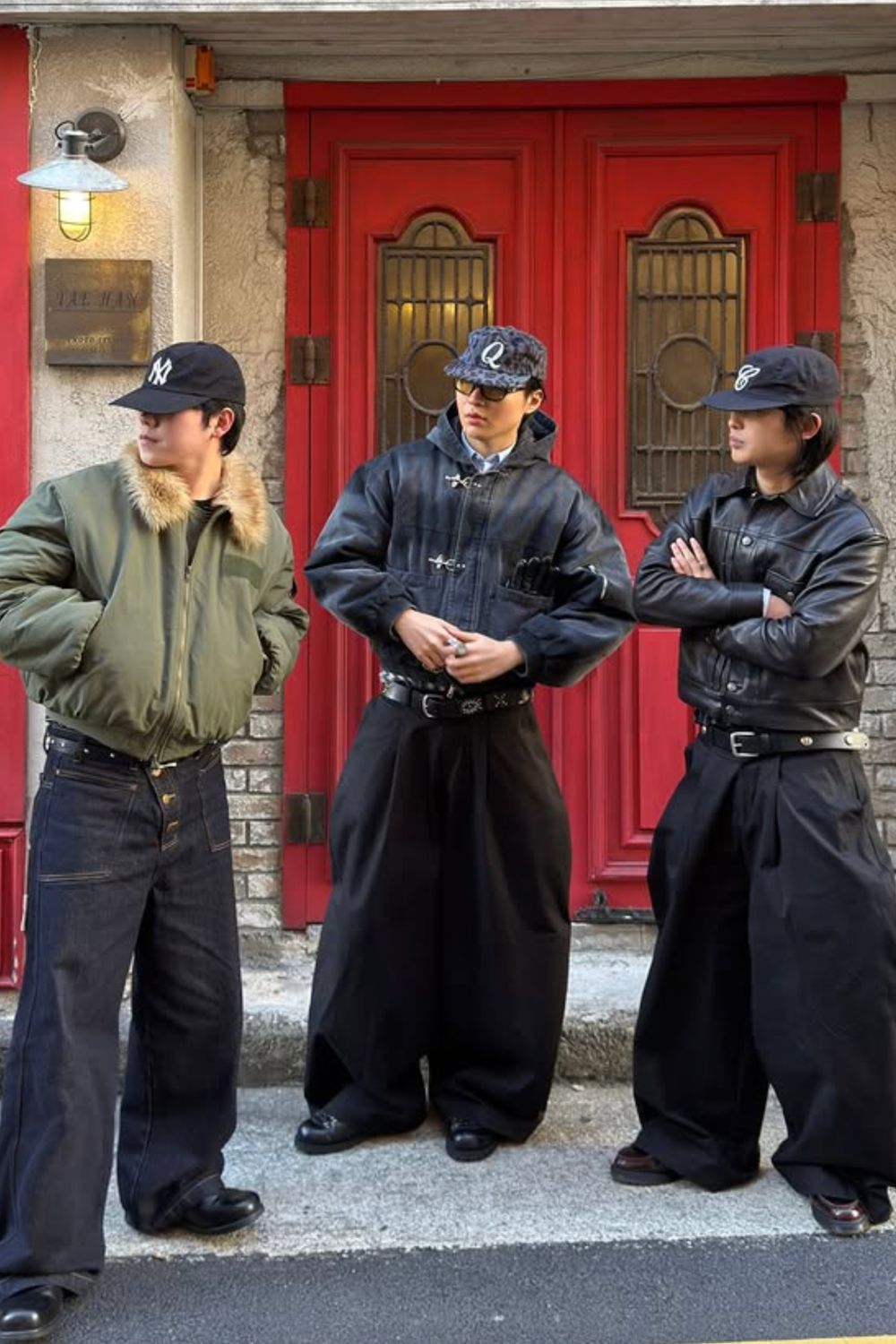
- Studded belts and chokers
- Leather jackets and vinyl skirts
- Platform boots
- Bold eyeliner and statement hair colors
- Asymmetrical or deconstructed clothing
Unlike the grunge aesthetic, which leans relaxed and oversized, punk Korean fashion often emphasizes sharp silhouettes and strong accessories. It’s edgy but controlled — a curated rebellion rather than a messy one.
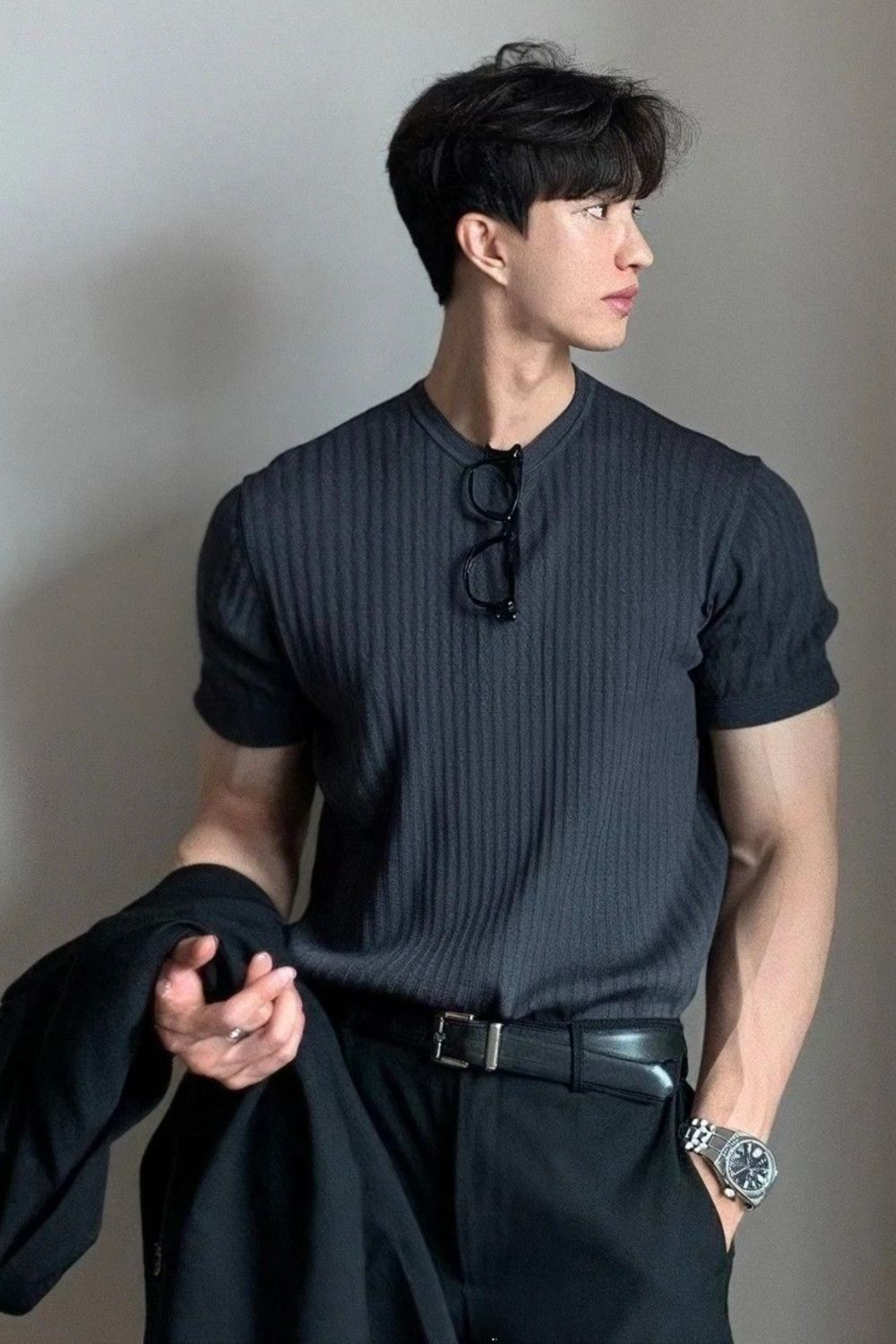
Classic Korean Menswear & Tailoring
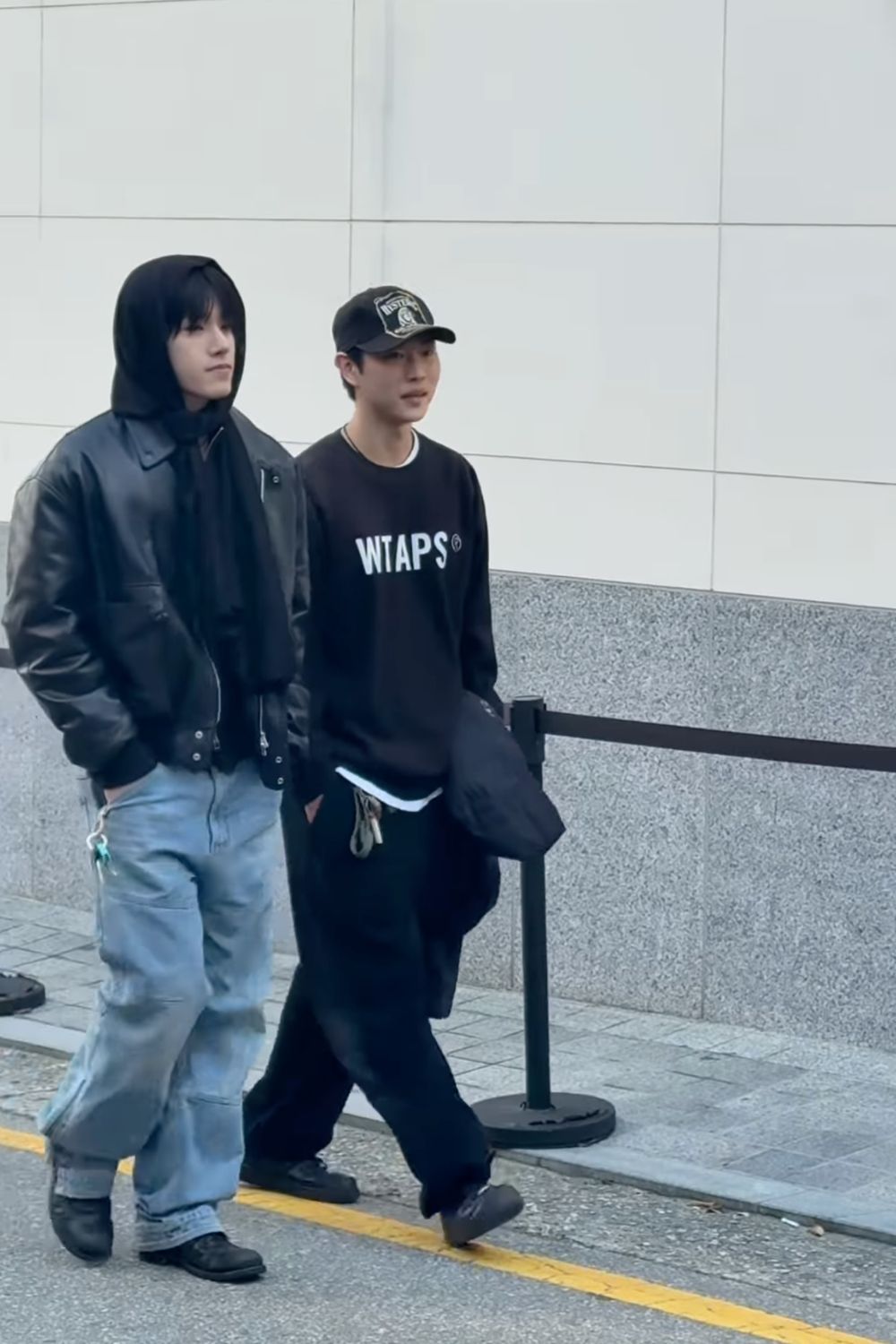
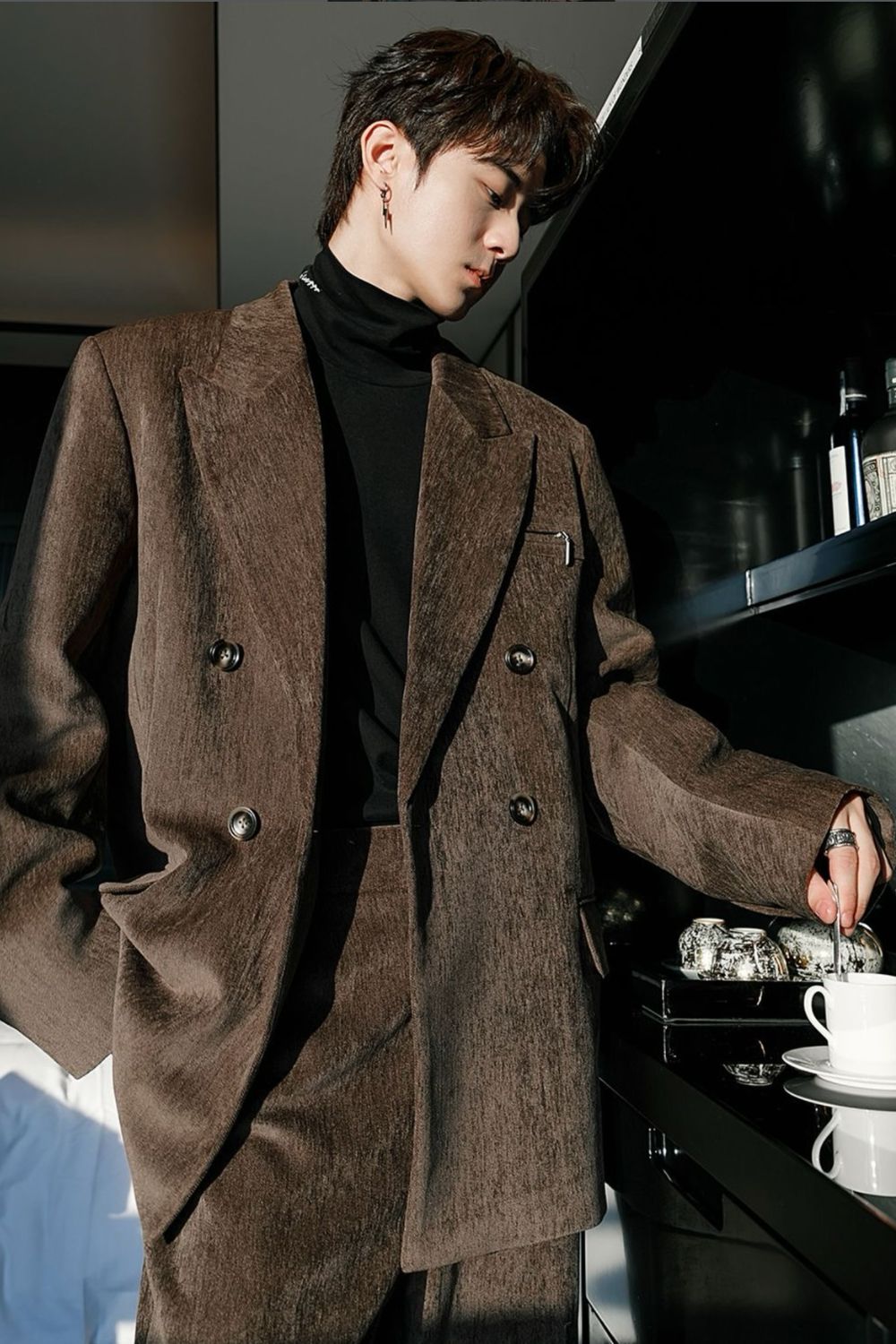
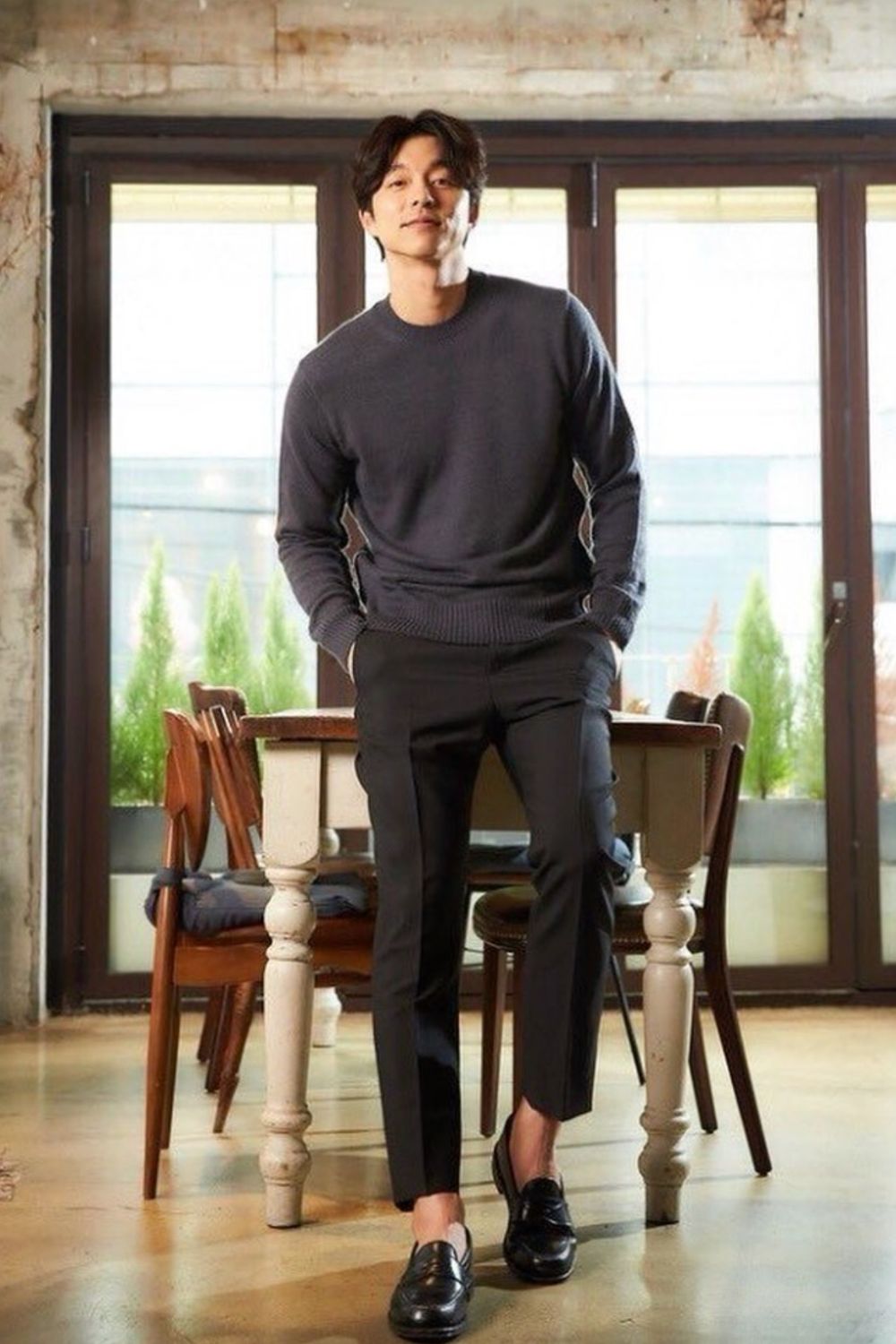
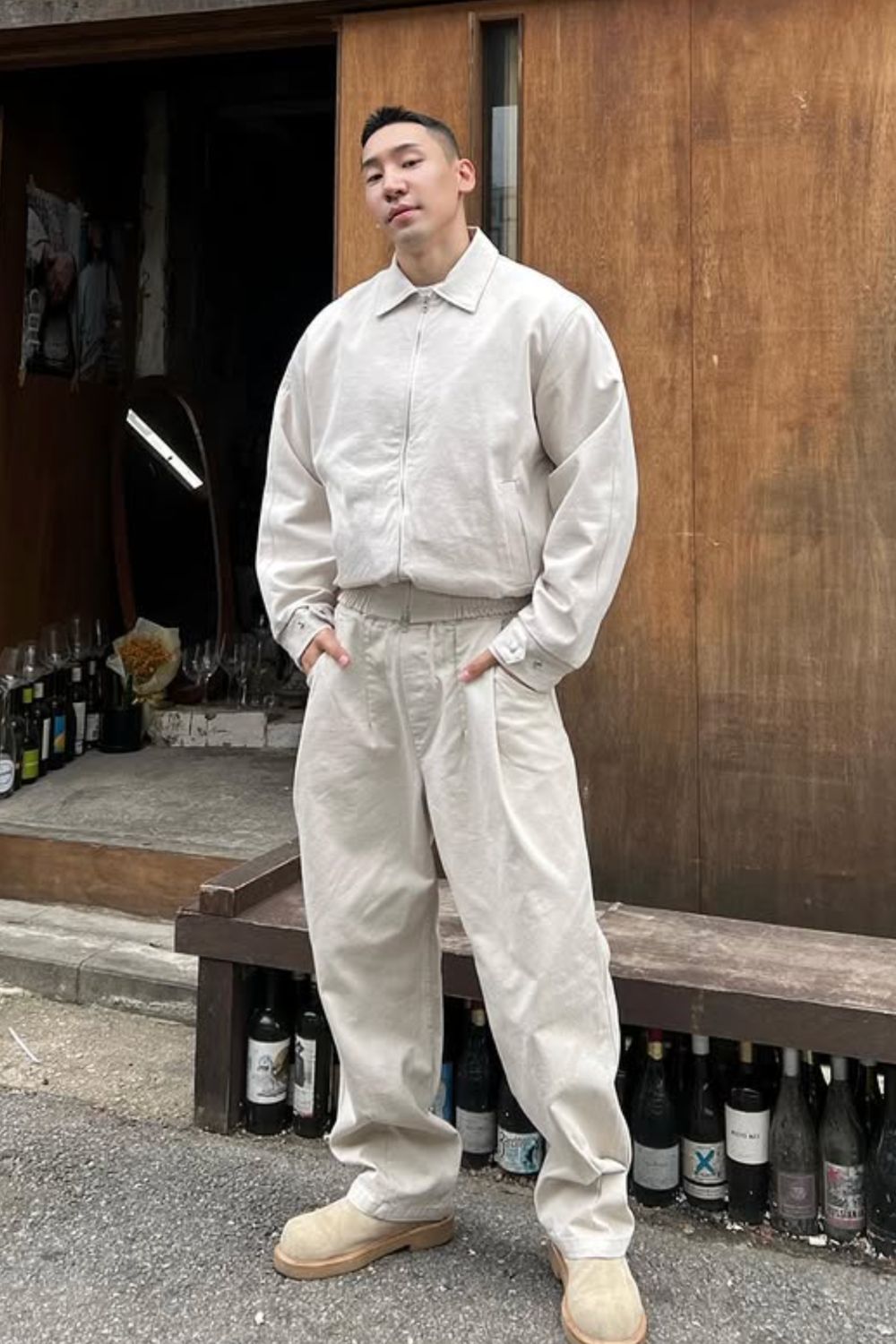
Korean menswear has gained international attention for its refined tailoring and modern silhouettes.
Suits are not limited to formal occasions; they are styled casually with sneakers or knitwear, creating a polished yet approachable look.
Key Elements
- Cropped or tapered trousers
- Double-breasted blazers
- Neutral turtlenecks and button-downs
- Loafers, Chelsea boots, or clean white sneakers
- Long overcoats
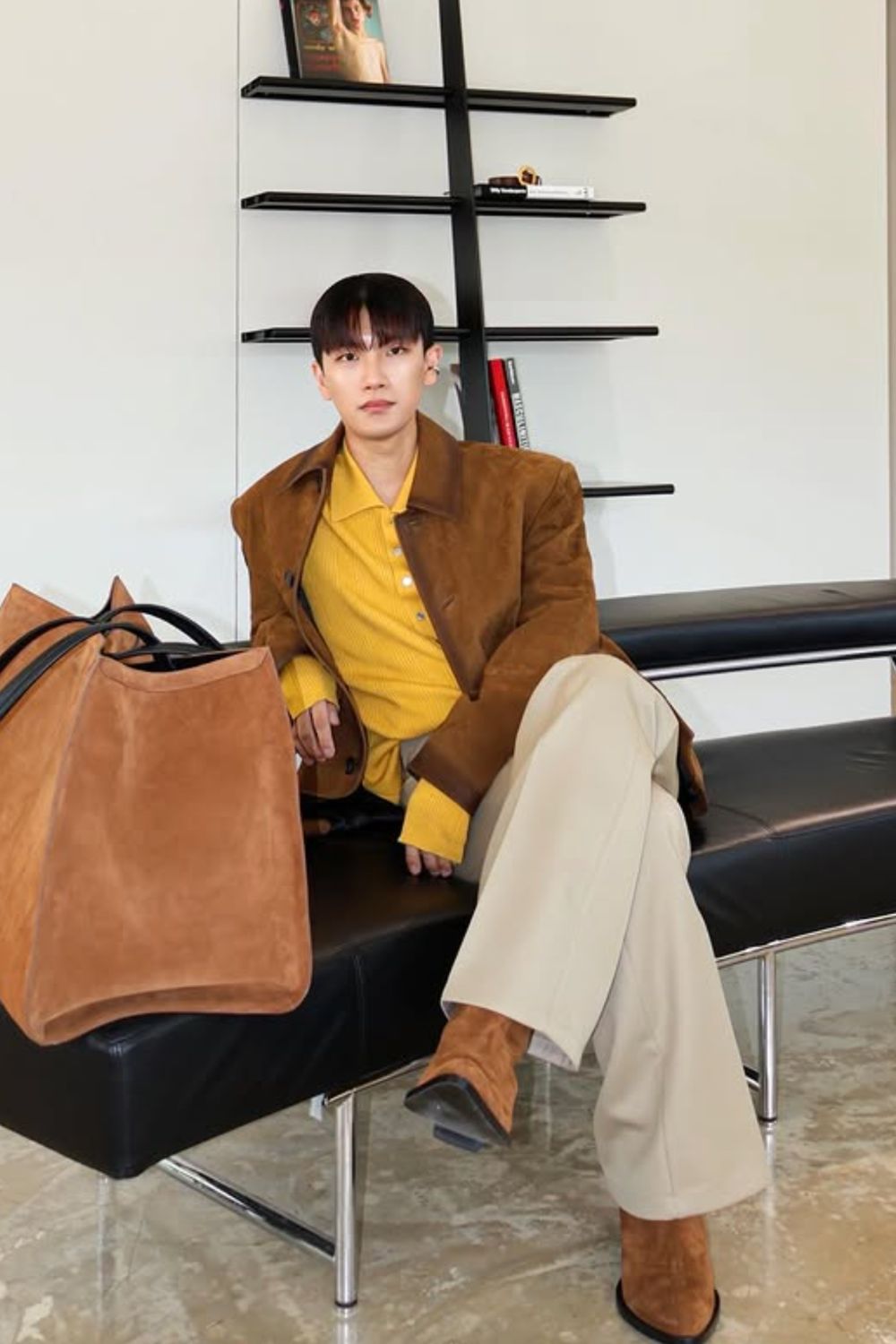
Color palettes remain understated — charcoal, camel, navy, and black dominate — but cuts and proportions bring freshness. Oversized blazers paired with slim trousers are especially common, offering structure without stiffness.
Korean tailoring often focuses on fit precision, ensuring garments look sharp yet comfortable.
Casual Korean Everyday Style
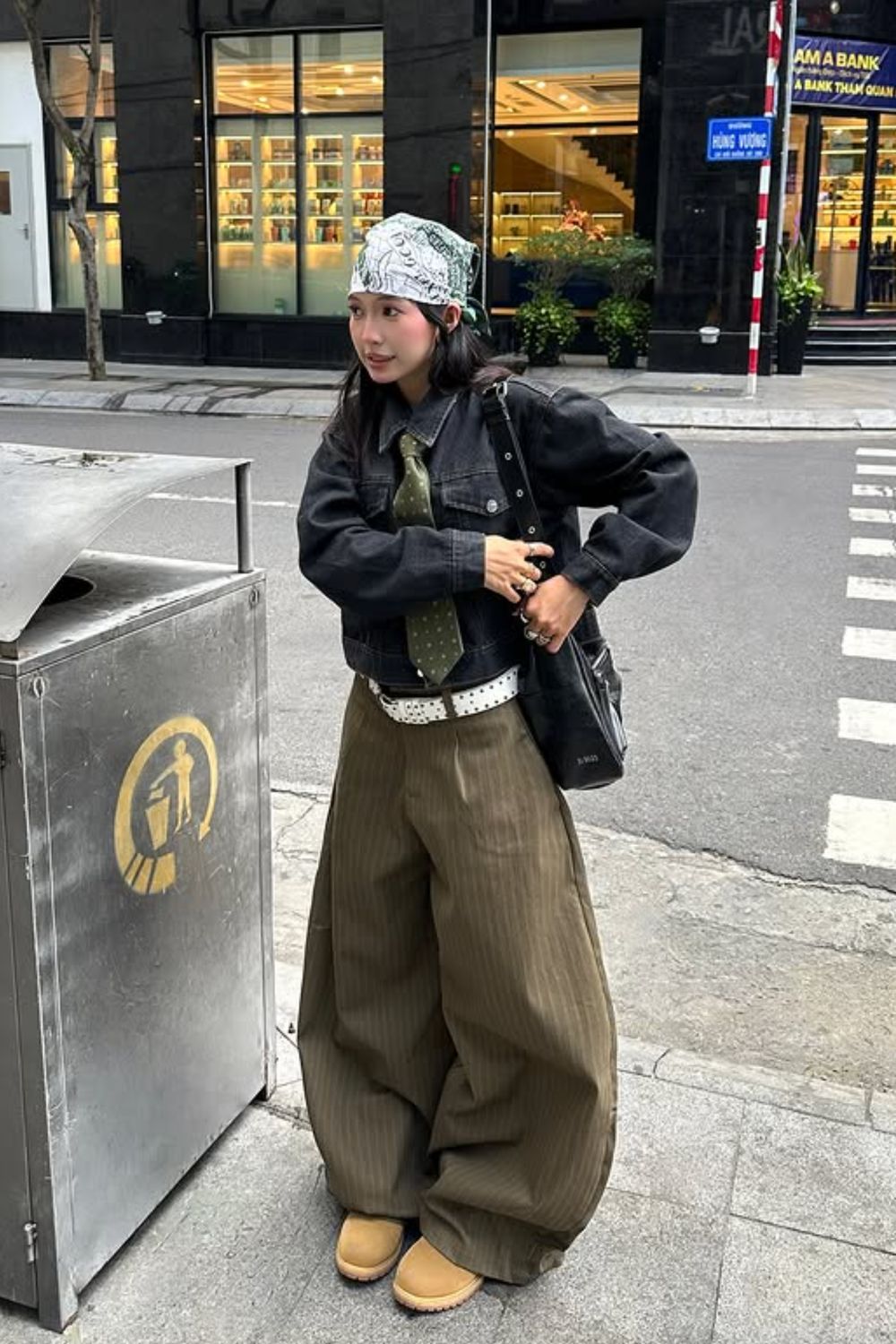
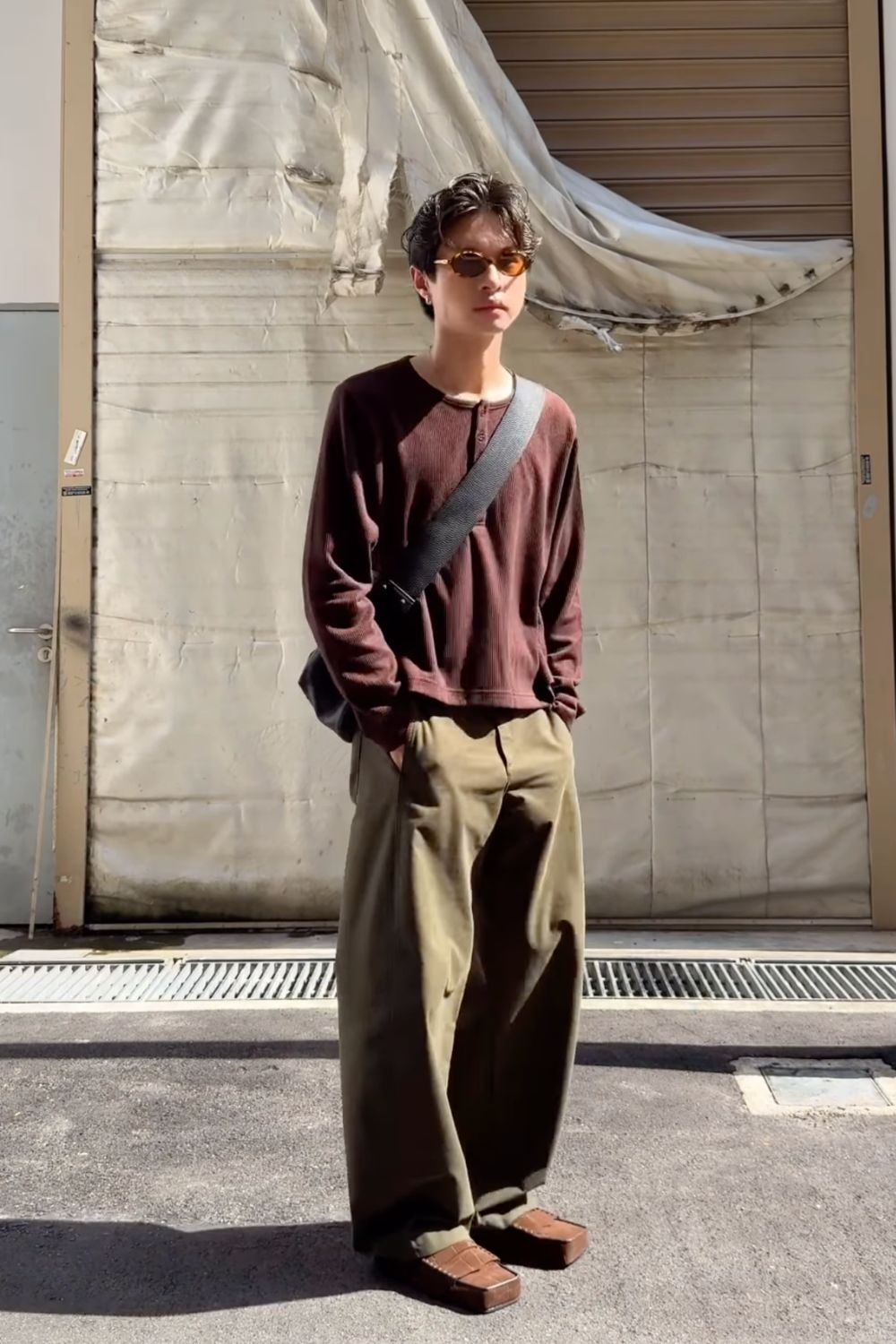
Not every outfit falls into a defined aesthetic, and that’s part of Korean fashion’s charm. Everyday style merges comfort with subtle sophistication.
Key Elements
- Straight-leg jeans
- Simple knit sweaters
- Clean sneakers
- Structured tote bags
- Minimal jewelry
This approach emphasizes quality basics and careful color coordination. Even a hoodie and jeans combination can feel elevated when the fit is right and the palette is cohesive. The goal isn’t extravagance — it’s intentional simplicity.
Popular Korean Fashion Brands & Their Styles
Korean fashion brands range from minimalist luxury labels to youthful streetwear companies. Each brings a unique interpretation of style, contributing to the diversity of the fashion scene.
Minimalist & Contemporary Brands
These labels focus on clean lines, neutral tones, and timeless silhouettes. They often produce wardrobe staples such as structured blazers, tailored trousers, and elegant dresses.
The aesthetic leans toward understated sophistication, ideal for those who prefer polished simplicity over bold trends.
Streetwear & Youth-Focused Brands
Streetwear brands emphasize oversized fits, graphic prints, and bold branding. Their collections frequently include hoodies, varsity jackets, and sneakers.
These labels appeal to younger audiences and those drawn to urban culture and expressive styling.
Luxury & Designer Labels
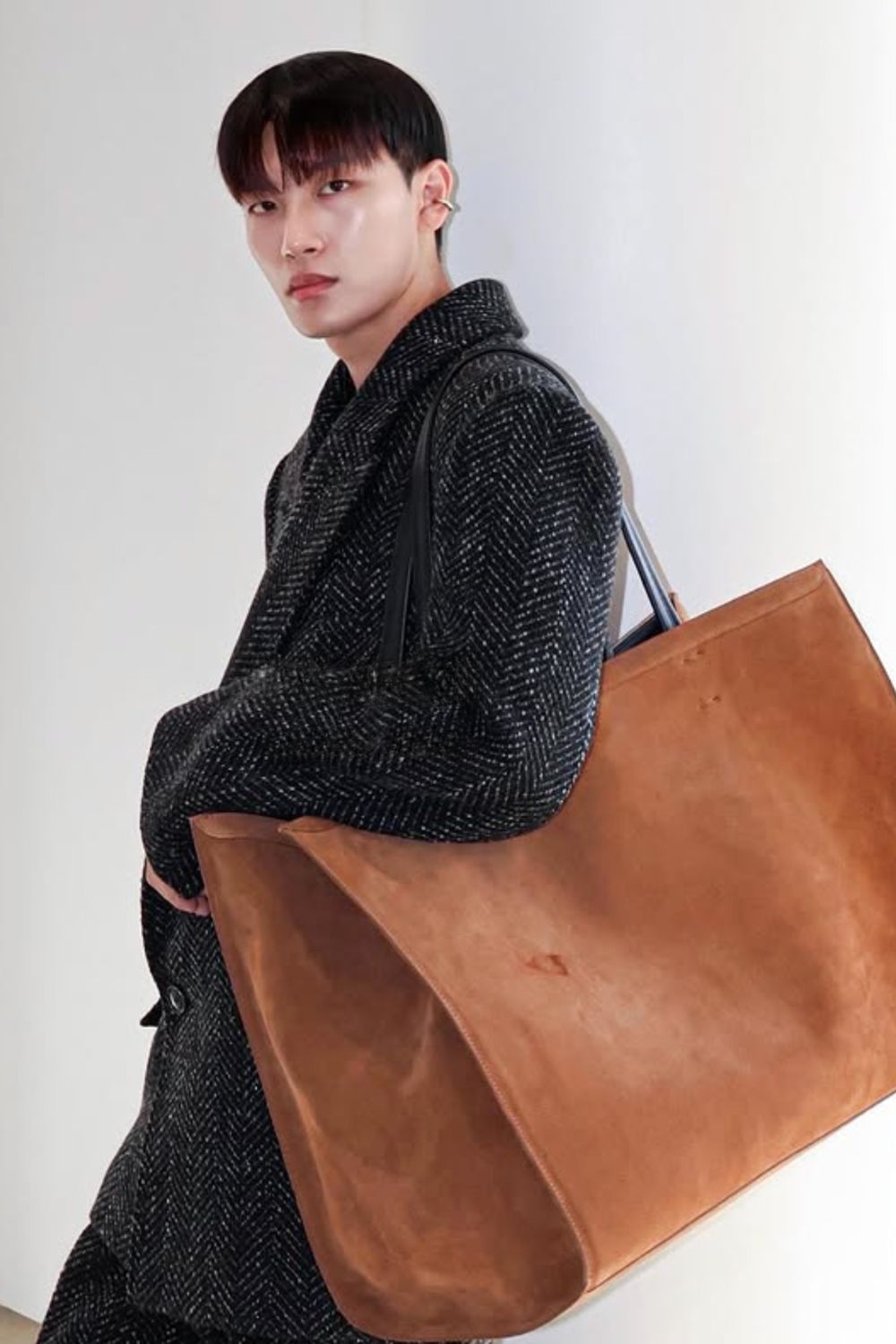
High-end Korean designers merge avant-garde concepts with traditional tailoring.
Their pieces often feature unique cuts, unexpected fabrics, and architectural silhouettes. These brands are commonly seen on fashion week runways and editorial spreads.
Accessible Fast Fashion Retailers
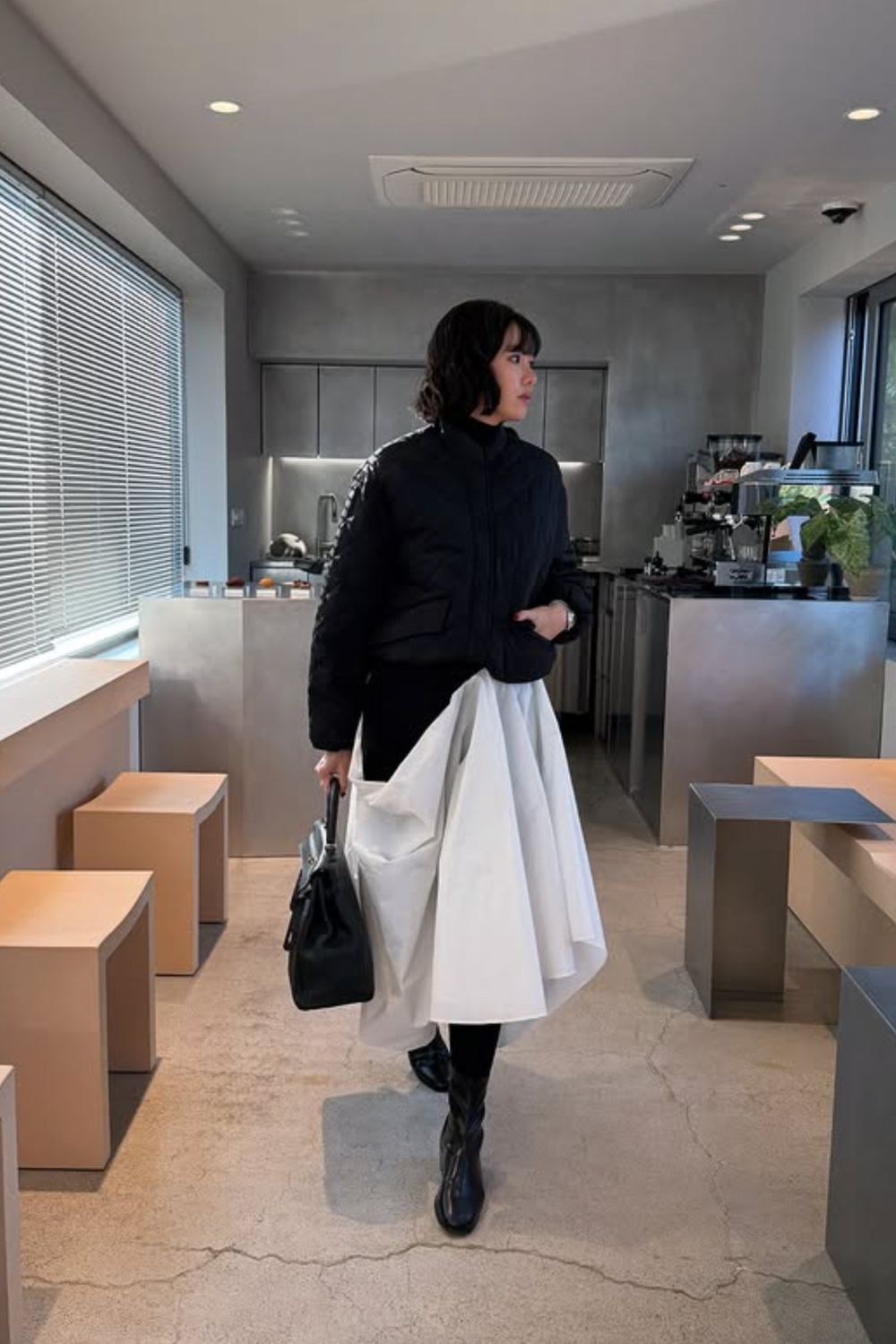
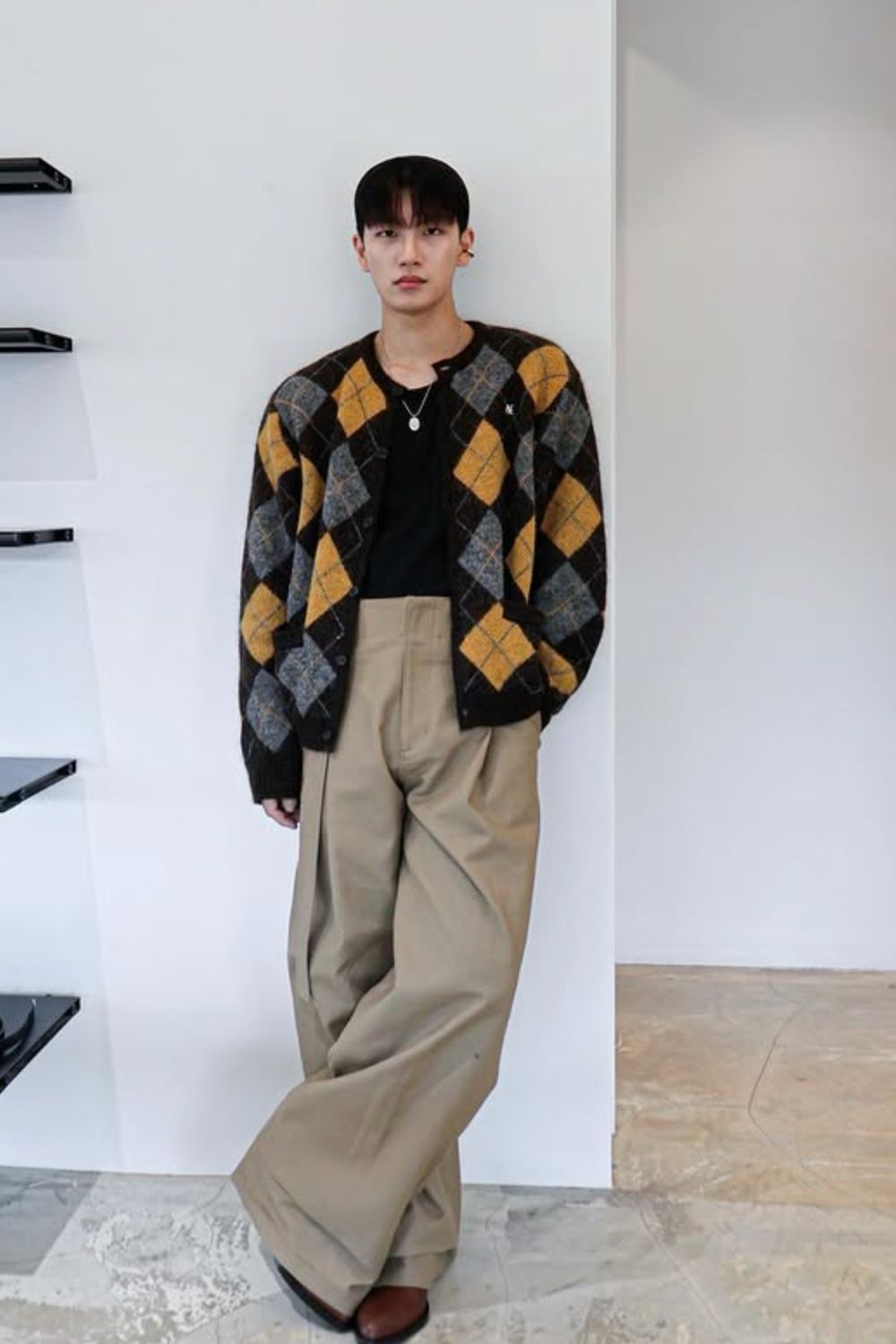
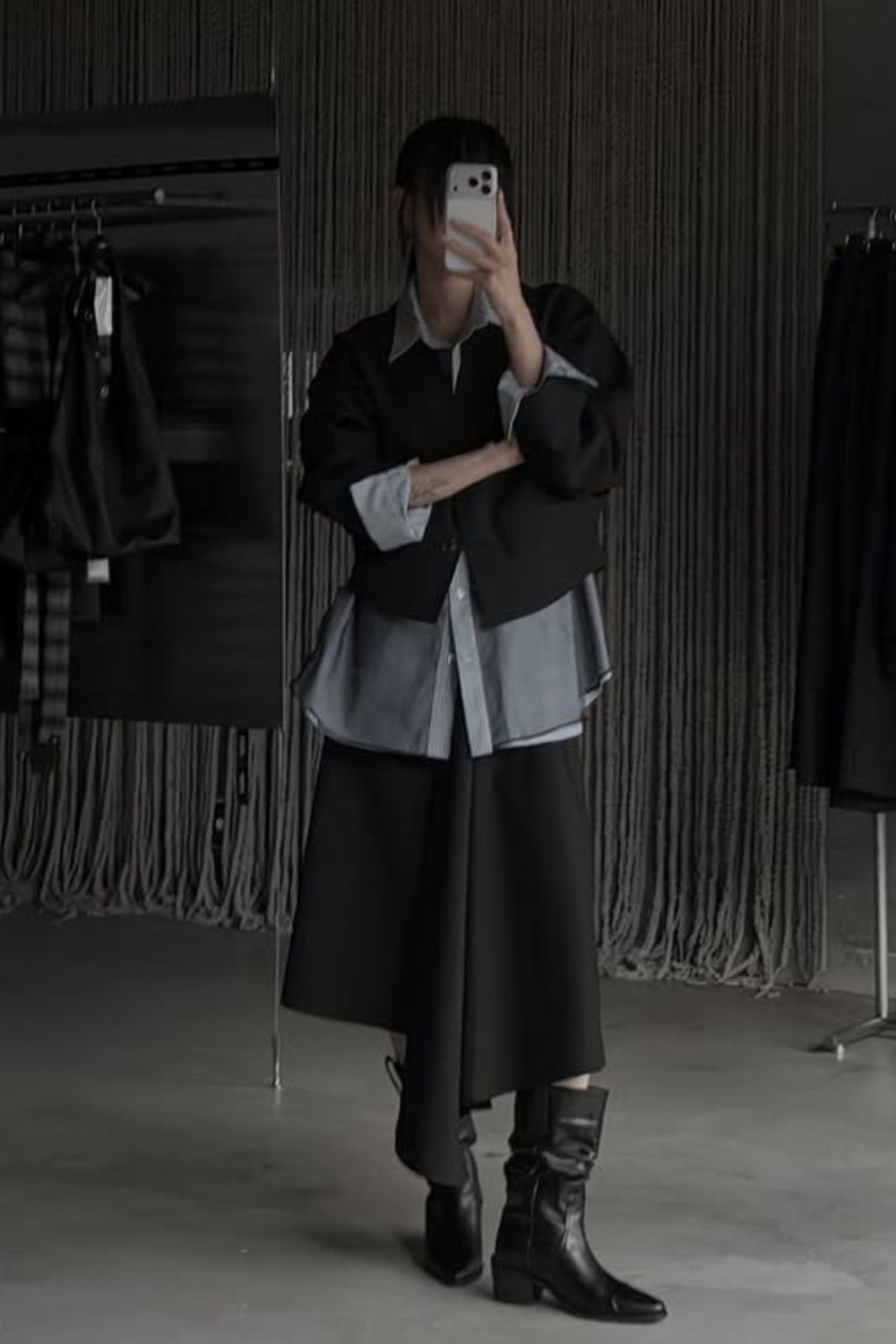
Affordable Korean fashion retailers make trending styles widely available. They quickly adapt global and local trends, offering versatile pieces at lower price points.
These stores are often the entry point for people exploring Korean fashion for the first time.
The Influence of K-Pop and K-Drama
It’s impossible to discuss Korean fashion without acknowledging the cultural impact of entertainment. Musicians, actors, and influencers play a massive role in shaping trends.
Outfits seen in music videos, television dramas, and public appearances often spark global demand for specific styles — from oversized cardigans to tailored suits.
However, what’s fascinating is how fans don’t just copy these looks. They reinterpret them, blending celebrity inspiration with personal style. This constant cycle of influence and adaptation keeps Korean fashion dynamic and ever-evolving.
Accessories and Styling Details
Accessories in Korean fashion are rarely excessive but always intentional. Common choices include:
- Structured mini bags
- Bucket hats and berets
- Delicate gold or silver jewelry
- Thin belts
- Neutral scarves
Footwear also plays a crucial role. Clean white sneakers, loafers, ankle boots, and platform shoes are staples across multiple aesthetics. The focus is less on flashy logos and more on cohesive styling.
Seasonal Trends in Korean Fashion
Korean fashion shifts beautifully with the seasons, each bringing its own defining pieces:
Spring: Light trench coats, pastel knits, midi skirts, and loafers.
Summer: Linen sets, airy dresses, oversized tees, and sandals.
Autumn: Layered sweaters, plaid skirts, tailored coats, and ankle boots.
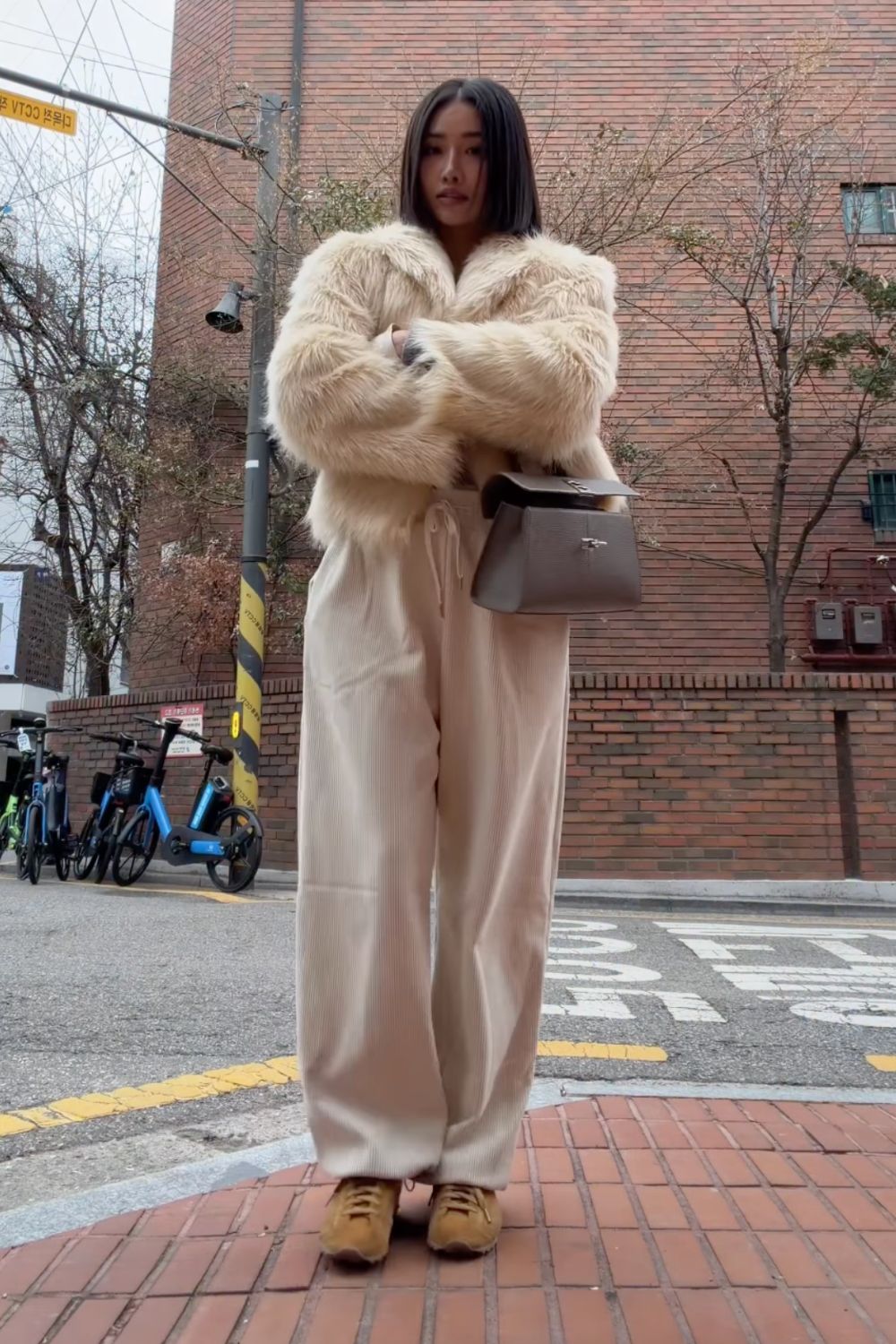
Winter: Puffer jackets, long wool coats, turtlenecks, and chunky scarves.
Seasonal dressing emphasizes layering and texture rather than drastic wardrobe overhauls.
Why Korean Fashion Resonates Globally
Korean fashion succeeds internationally because it is both aspirational and accessible. It allows people to experiment with silhouettes, layering, and color coordination without feeling intimidating.
The emphasis on balance — between bold and subtle, oversized and fitted, casual and polished — makes it adaptable to various lifestyles and body types.
More importantly, Korean fashion celebrates individuality. Instead of rigid style rules, it encourages mixing influences and expressing personality through clothing choices.
Whether you gravitate toward soft feminine dresses, edgy streetwear, or sleek tailored suits, there’s space within Korean fashion to make the look entirely your own.

In the end, Korean fashion isn’t just about what you wear — it’s about how you style it. The magic lies in the details, the layering, and the confidence behind the outfit.
Once you start noticing those elements, you’ll see Korean style inspiration everywhere — and you might just find yourself adopting a few of its effortlessly cool habits into your own wardrobe.