Last Updated on 8 May, 2026
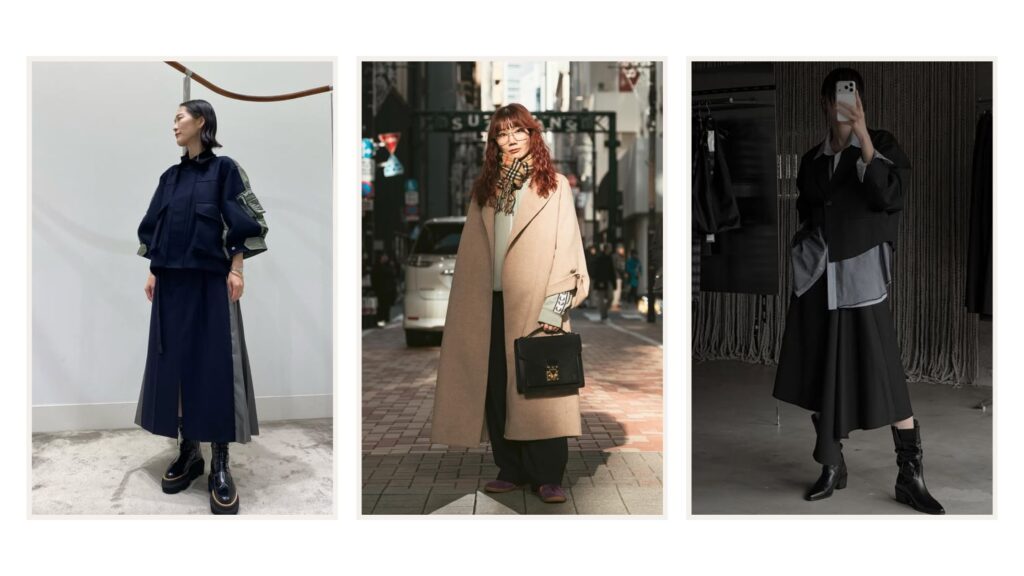
Japanese fashion is one of those worlds you can fall into and never quite climb out of — in the best way possible. It’s layered, expressive, and deeply intentional.
From the perfectly structured blazer to the slightly frayed hem of a denim skirt, Japanese fashion doesn’t just dress the body, it tells a story. And when it comes to women’s fashion in particular, Japan has cultivated a style culture that is equal parts artistry, rebellion, softness, and precision.
What makes Japanese fashion so captivating is that it refuses to live in a single box. It embraces minimalism and maximalism. It celebrates tradition while pushing boundaries.
It can be polished and elegant in one district, and wildly experimental just a few streets away. If you’re new to Japanese fashion, think of it less as a trend cycle and more as an ecosystem — one that values craftsmanship, individuality, and meaning behind every stitch.
The Japanese Attention to Detail
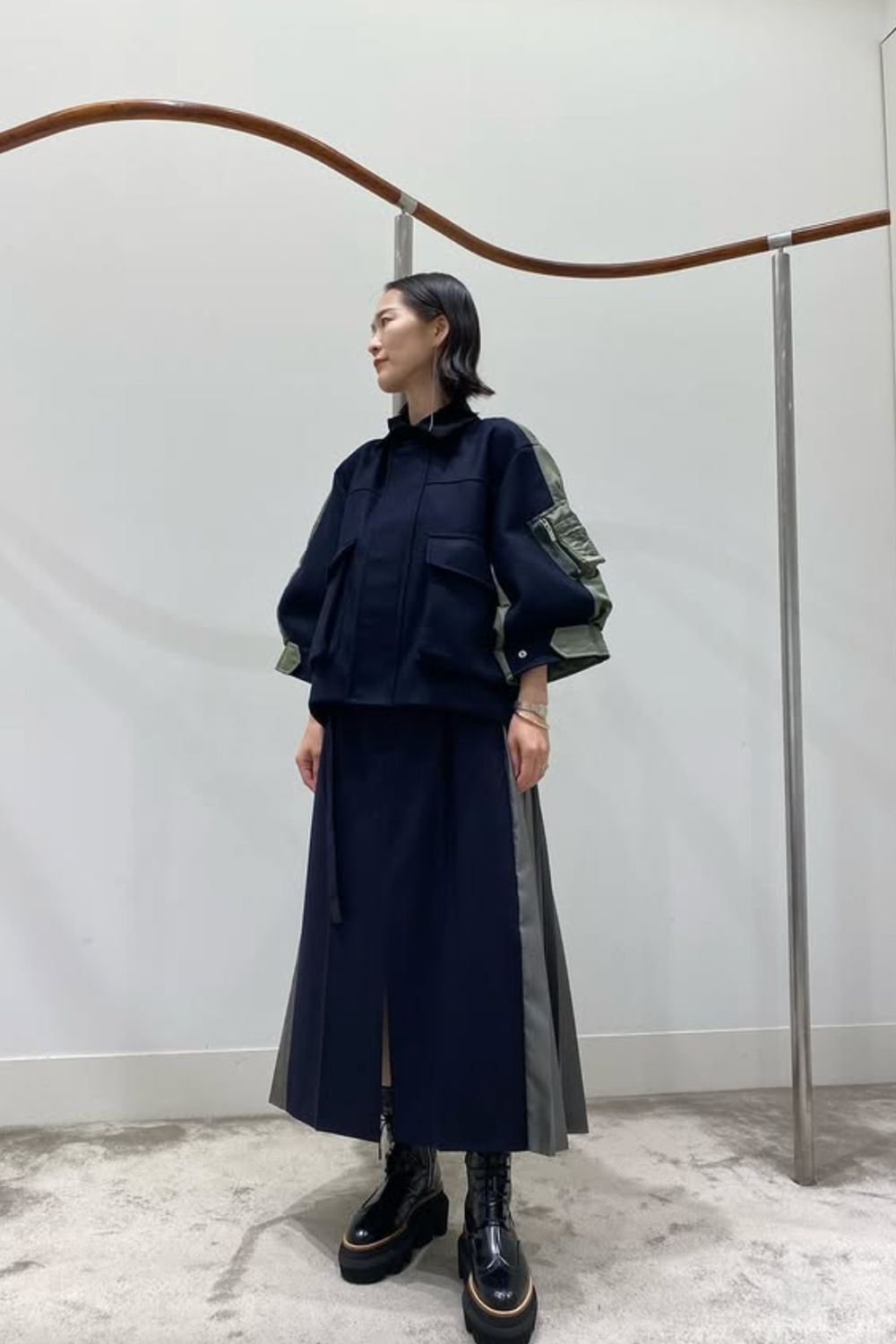
One of the first things you notice about Japanese fashion is the detail. Nothing feels accidental. Buttons are chosen carefully, seams are deliberate, and layering is an art form.
Even the simplest outfit often contains subtle complexities — an unexpected cuff, asymmetrical tailoring, or hidden pleats that only reveal themselves when the wearer moves.
For women’s fashion, this attention to detail often manifests in:
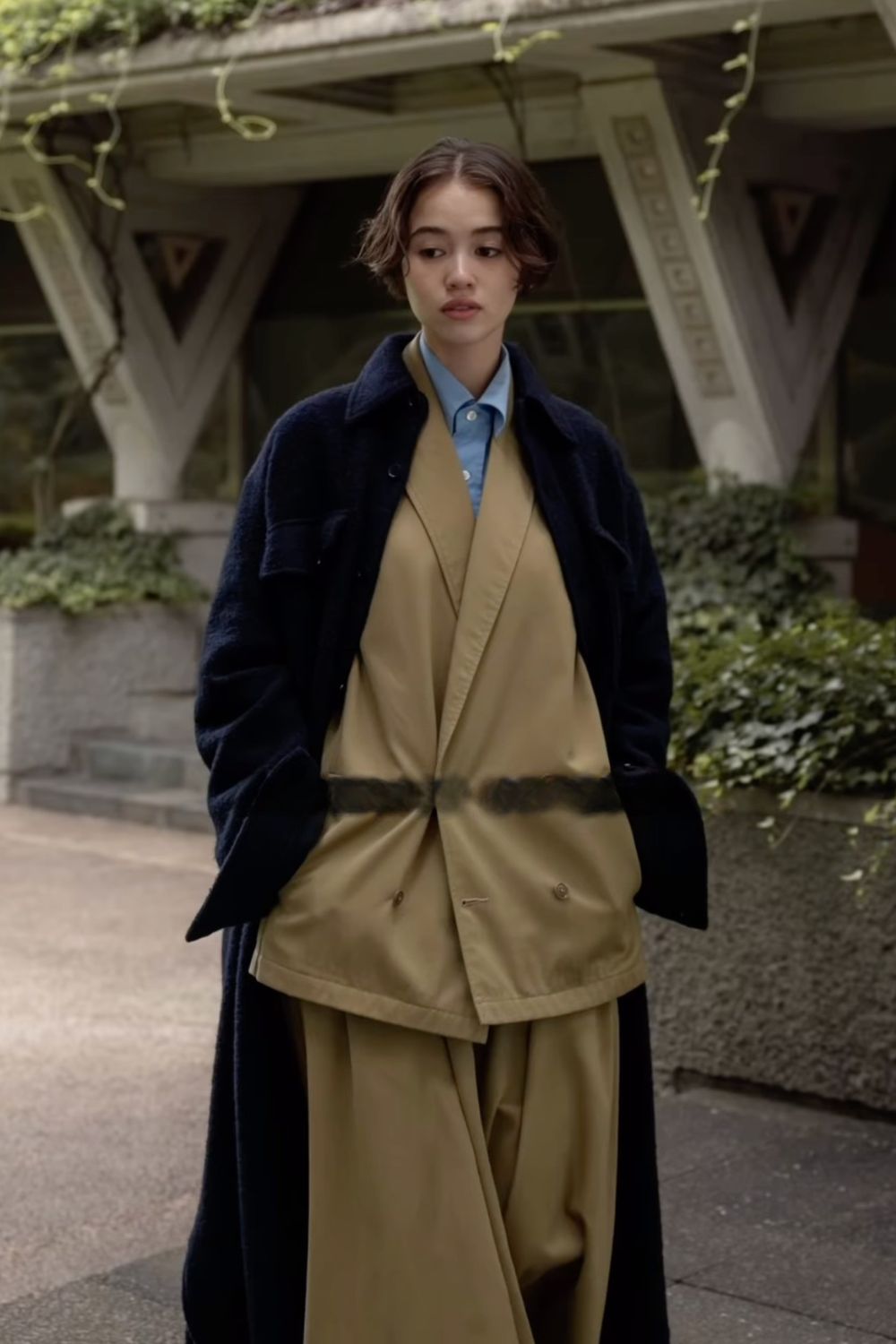
- Intricate layering of skirts, dresses, and outerwear
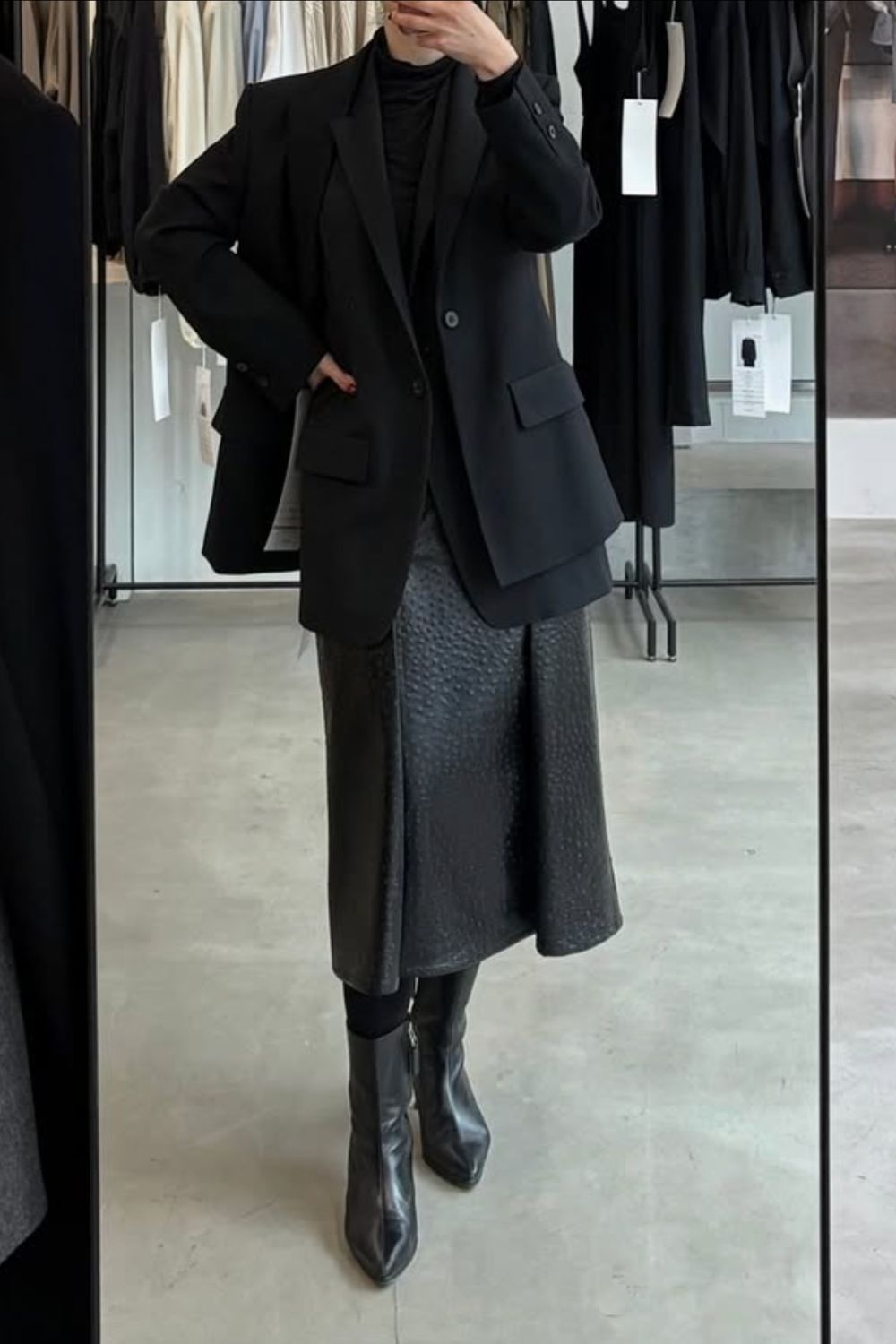
- Precision tailoring in blazers and coats
- Carefully selected accessories that complement rather than overwhelm
- Harmonized color palettes rather than random mixing
This focus on refinement comes from a cultural appreciation for craftsmanship and respect for the process of making. Clothing is not disposable; it is considered an extension of personal identity and aesthetic philosophy.
Materials and Fabric Choices
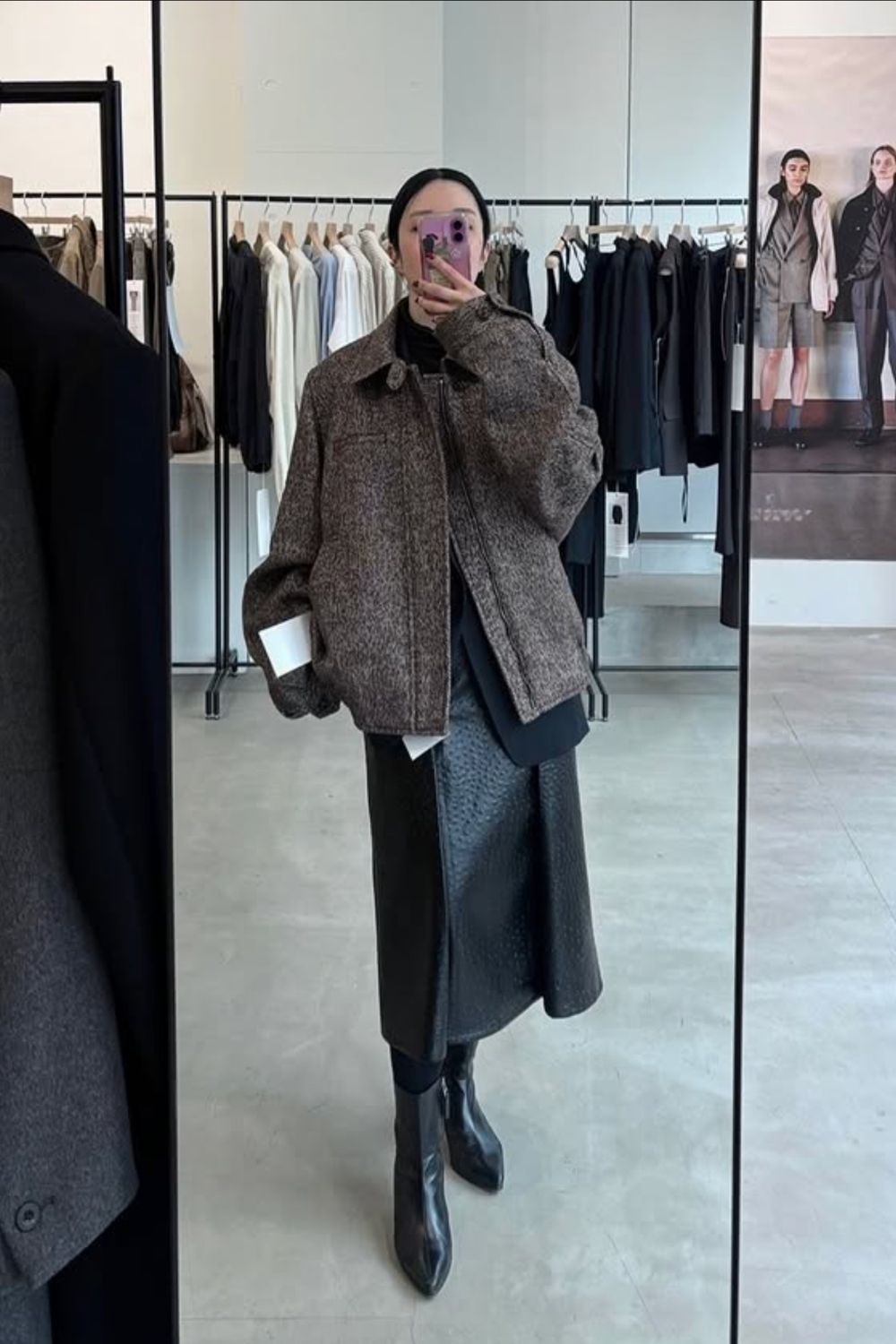
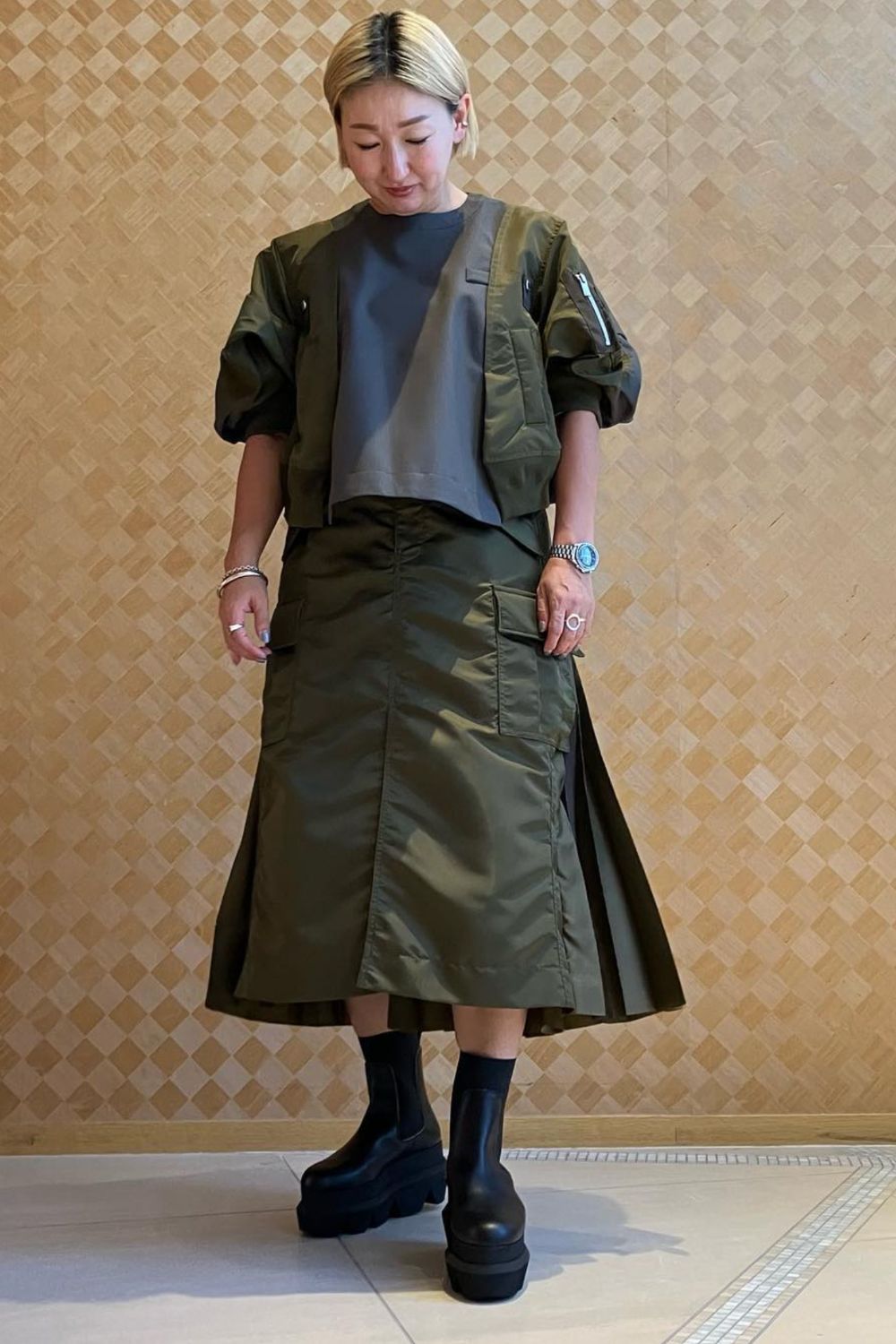
Japanese fashion frequently prioritizes quality materials over fast-changing trends. Natural fabrics such as cotton, linen, and wool are widely used, but you’ll also find innovative blends and technical textiles that merge comfort with structure.
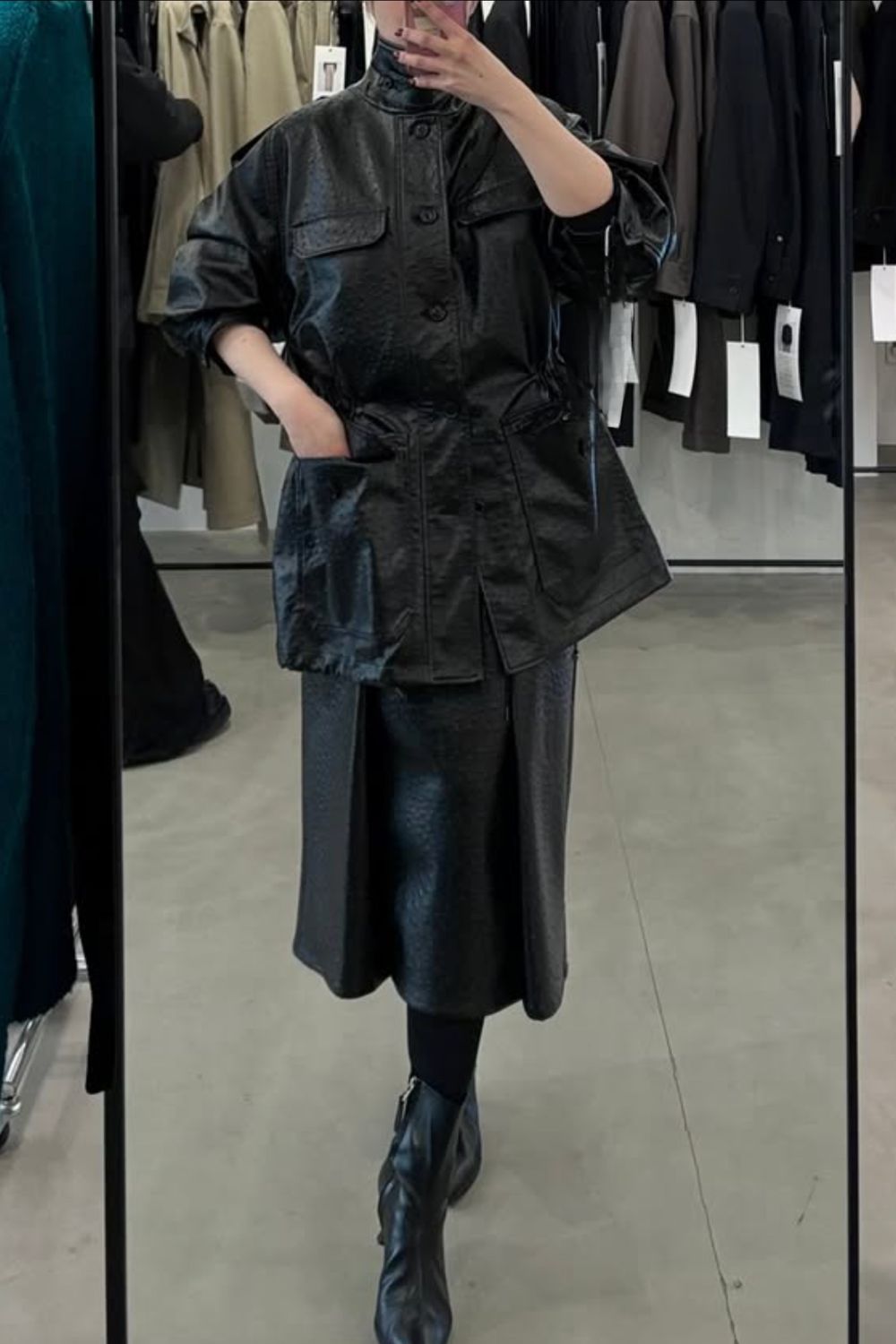
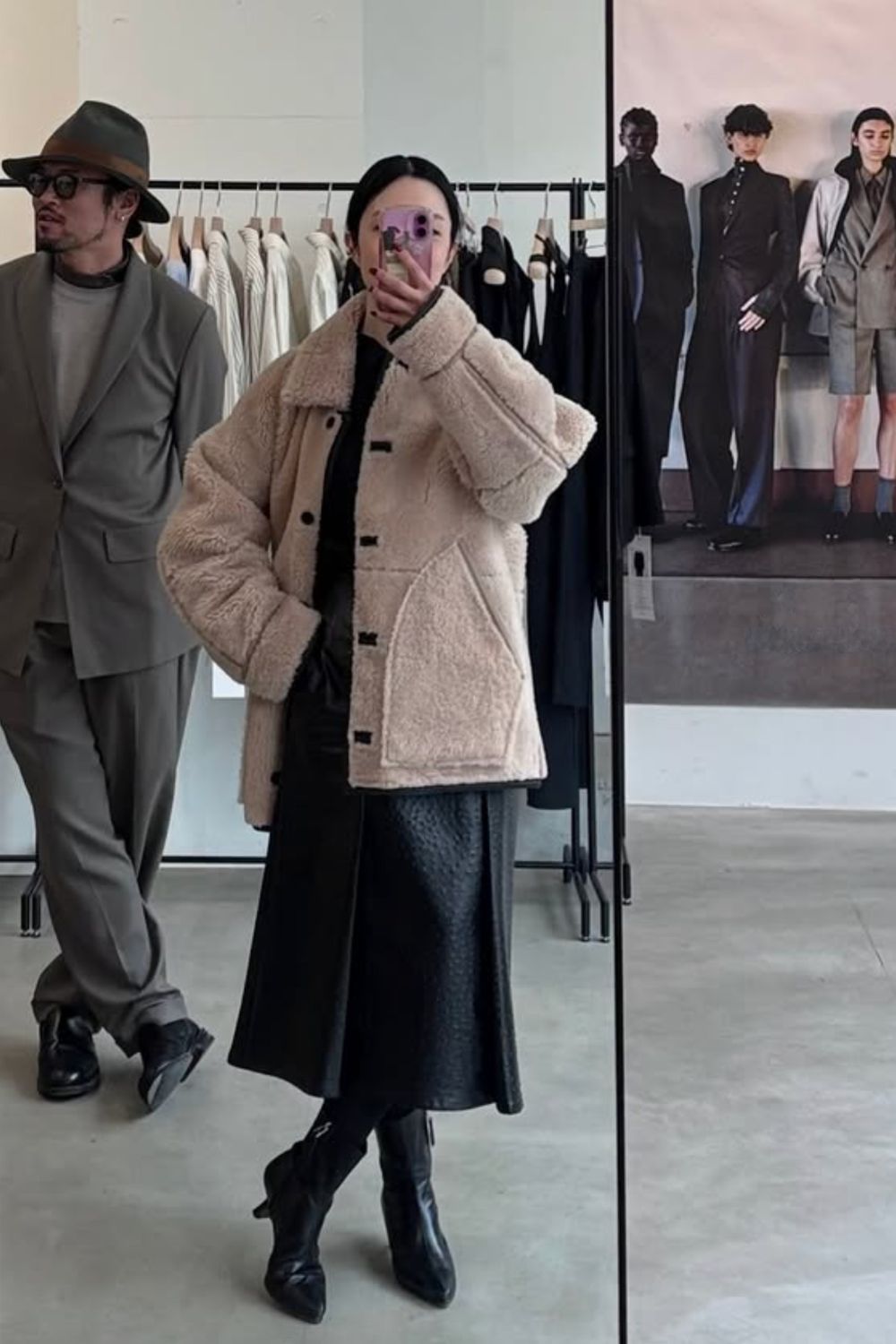
In women’s fashion, fabric choice often determines the silhouette. A stiff cotton might create a sculptural skirt, while soft linen lends itself to flowy dresses and relaxed layering. Texture is incredibly important — matte fabrics paired with subtle sheen, rough weaves alongside silky finishes. The contrast is intentional and creates visual interest without loud patterns.
There’s also a deep appreciation for longevity. Well-constructed garments are meant to age gracefully, not fall apart after a season. This mindset aligns closely with sustainability, even when the term itself isn’t explicitly used.
The Art of the Cut and Silhouette
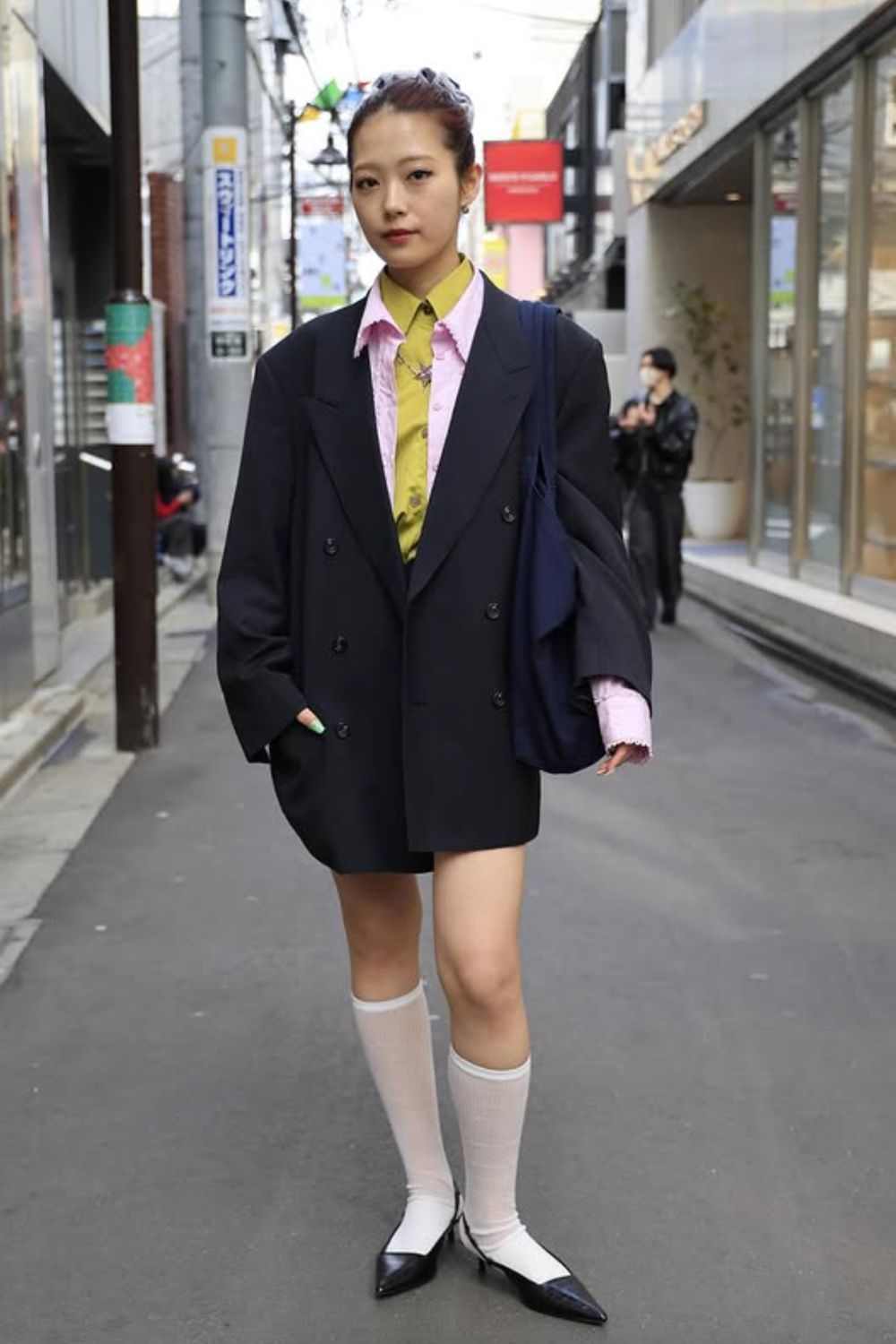
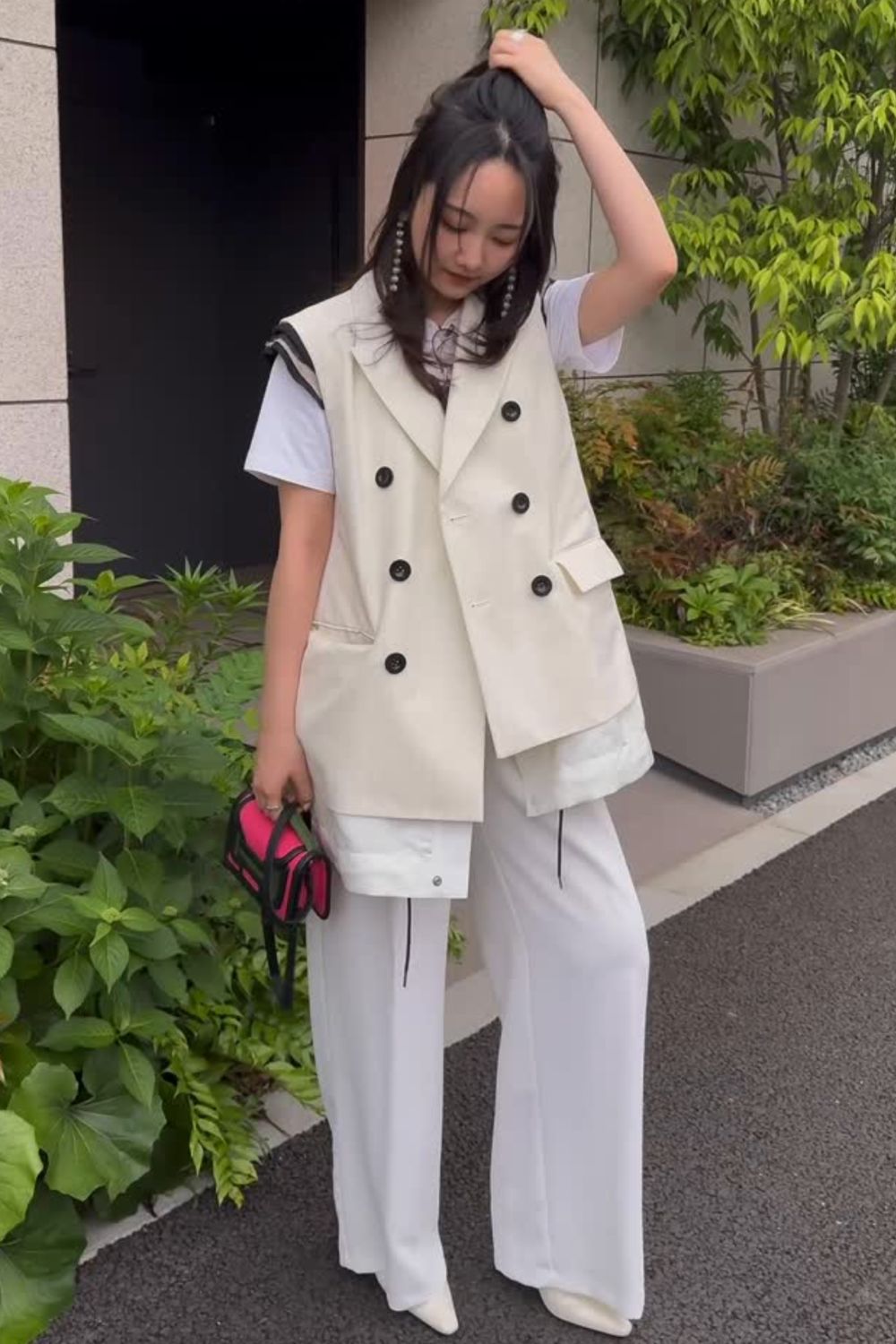
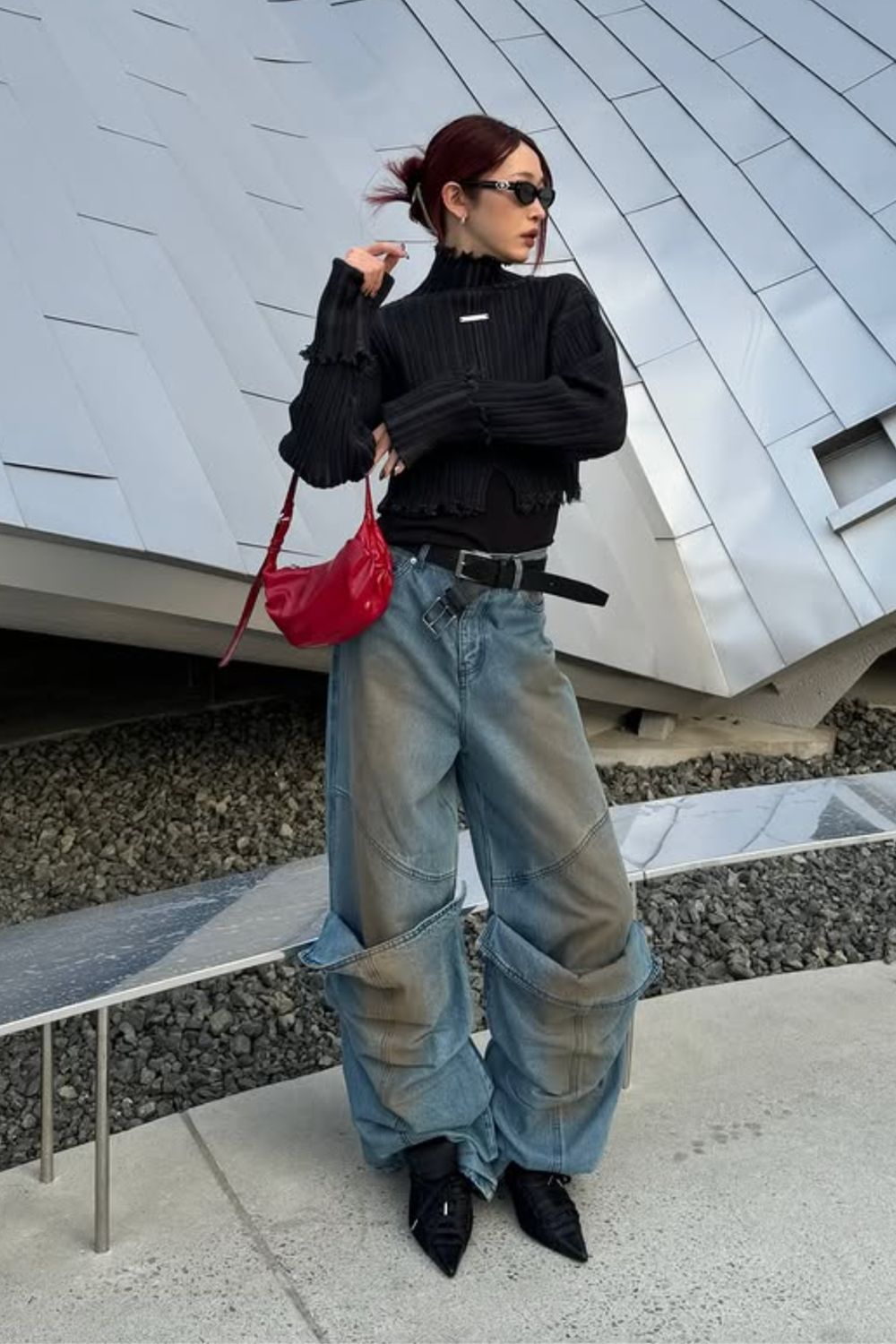
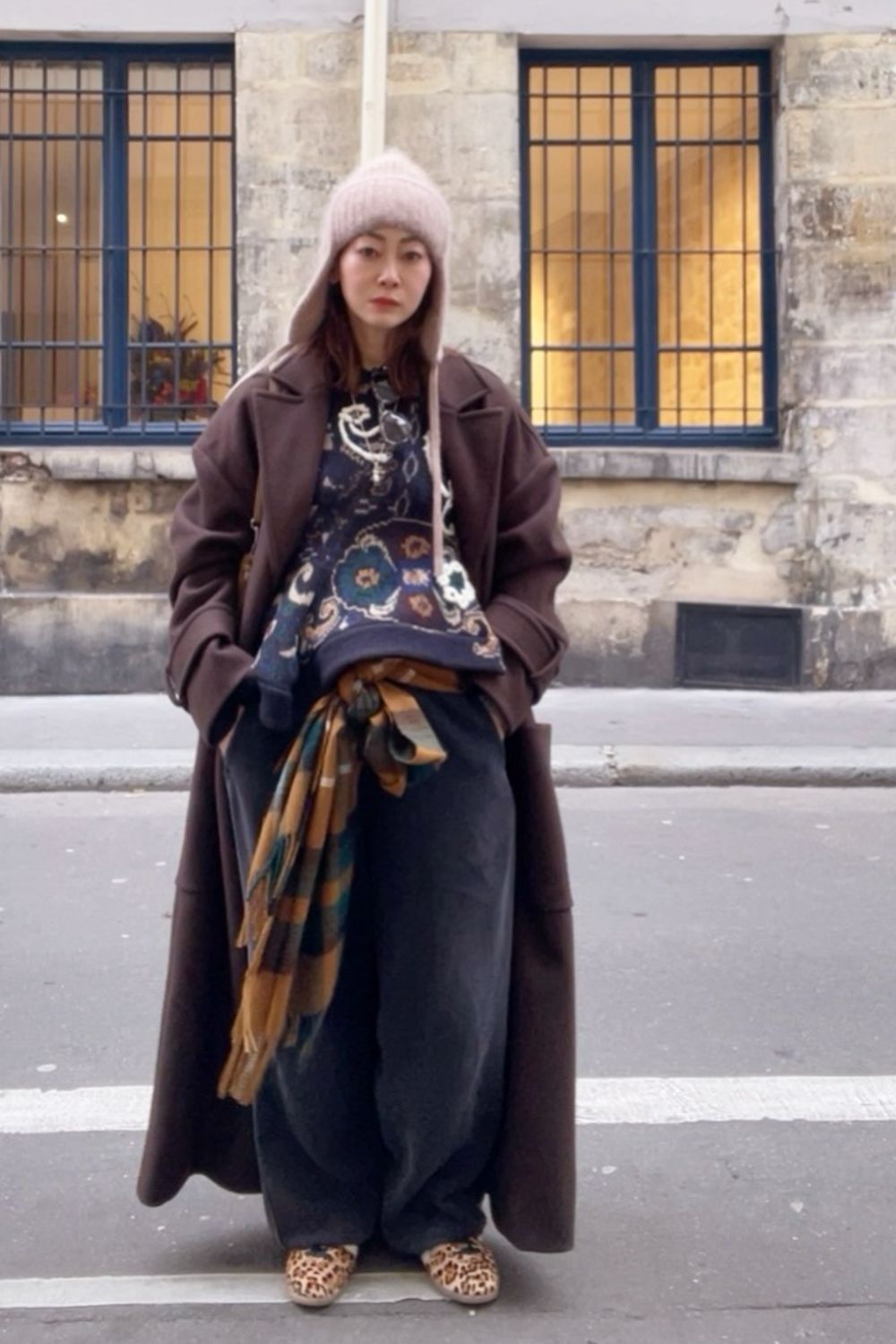
Cuts in Japanese women’s fashion often lean toward experimentation while still maintaining wearability. Oversized silhouettes are especially popular — boxy jackets, wide-leg trousers, and flowing dresses are staples. Rather than clinging to the body, garments frequently drape or structure themselves around it.
Common silhouette themes include:
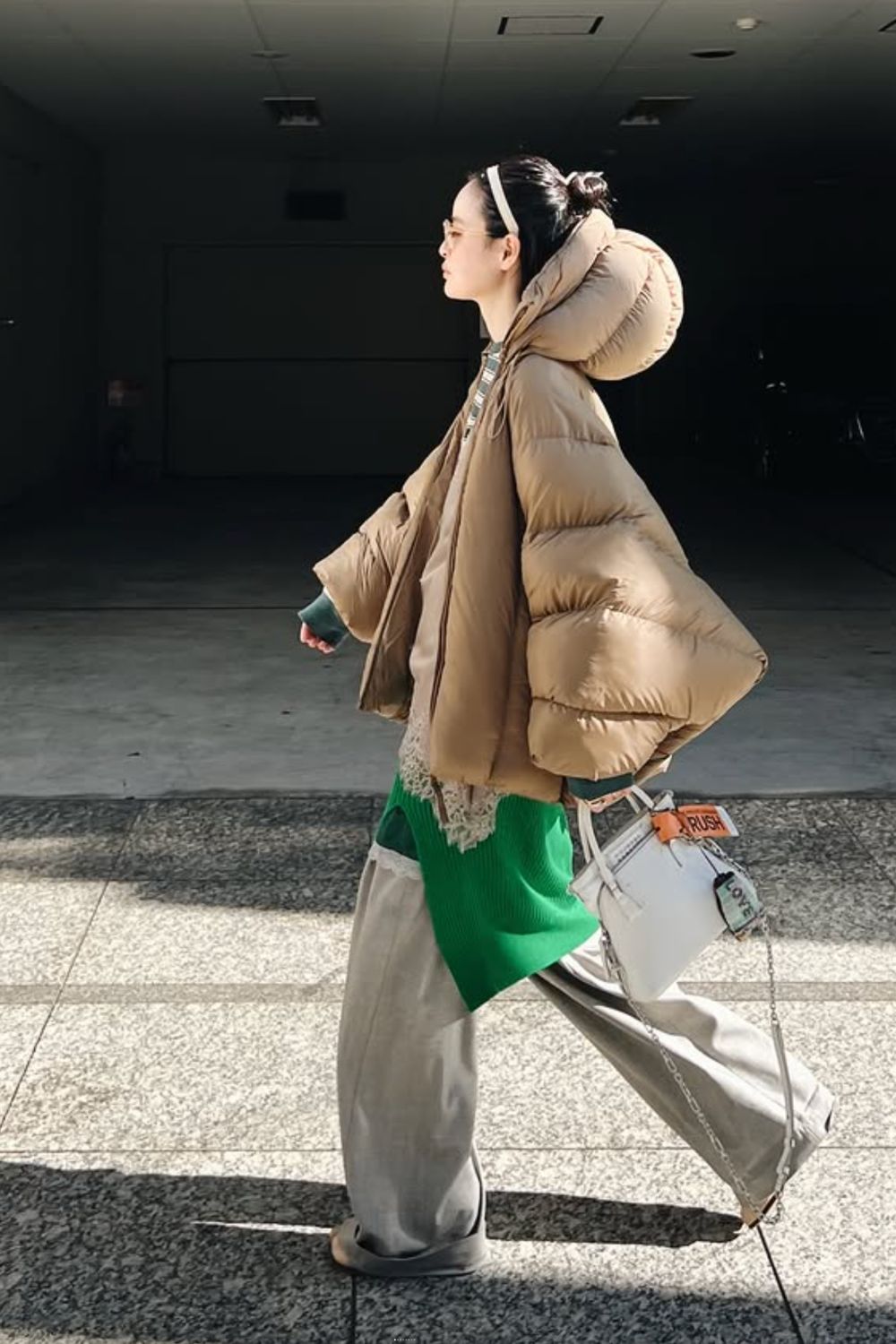
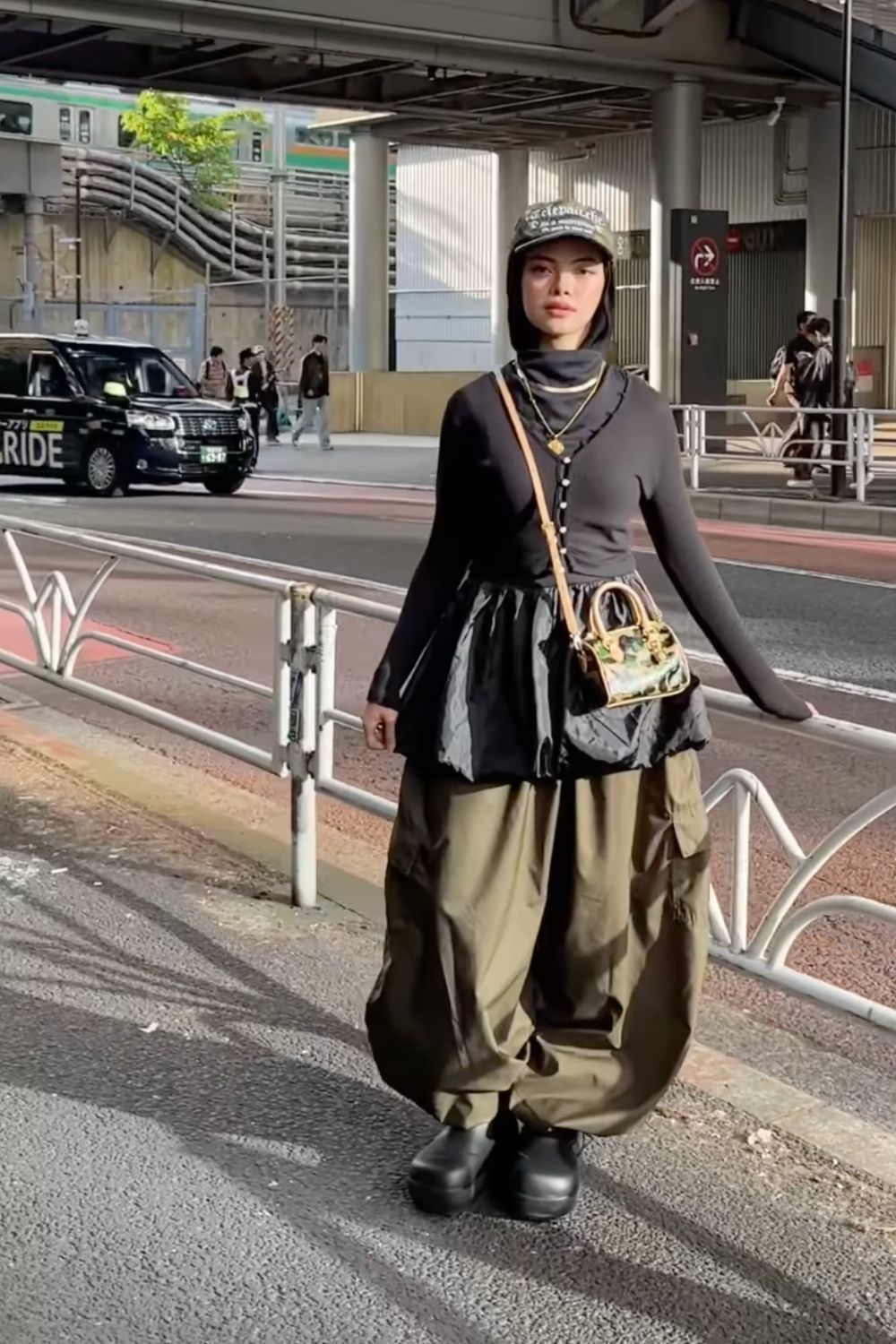
- Layered volume: multiple loose pieces stacked with intention
- Structured minimalism: clean lines with architectural shaping
- Asymmetry: uneven hems, off-center closures, and diagonal tailoring
- Gender-neutral influences: blending traditionally masculine cuts with feminine styling
This approach allows for comfort and creativity simultaneously. Instead of emphasizing body shape in a conventional Western sense, Japanese fashion often emphasizes form, movement, and balance.
Denim: A Cultural Staple
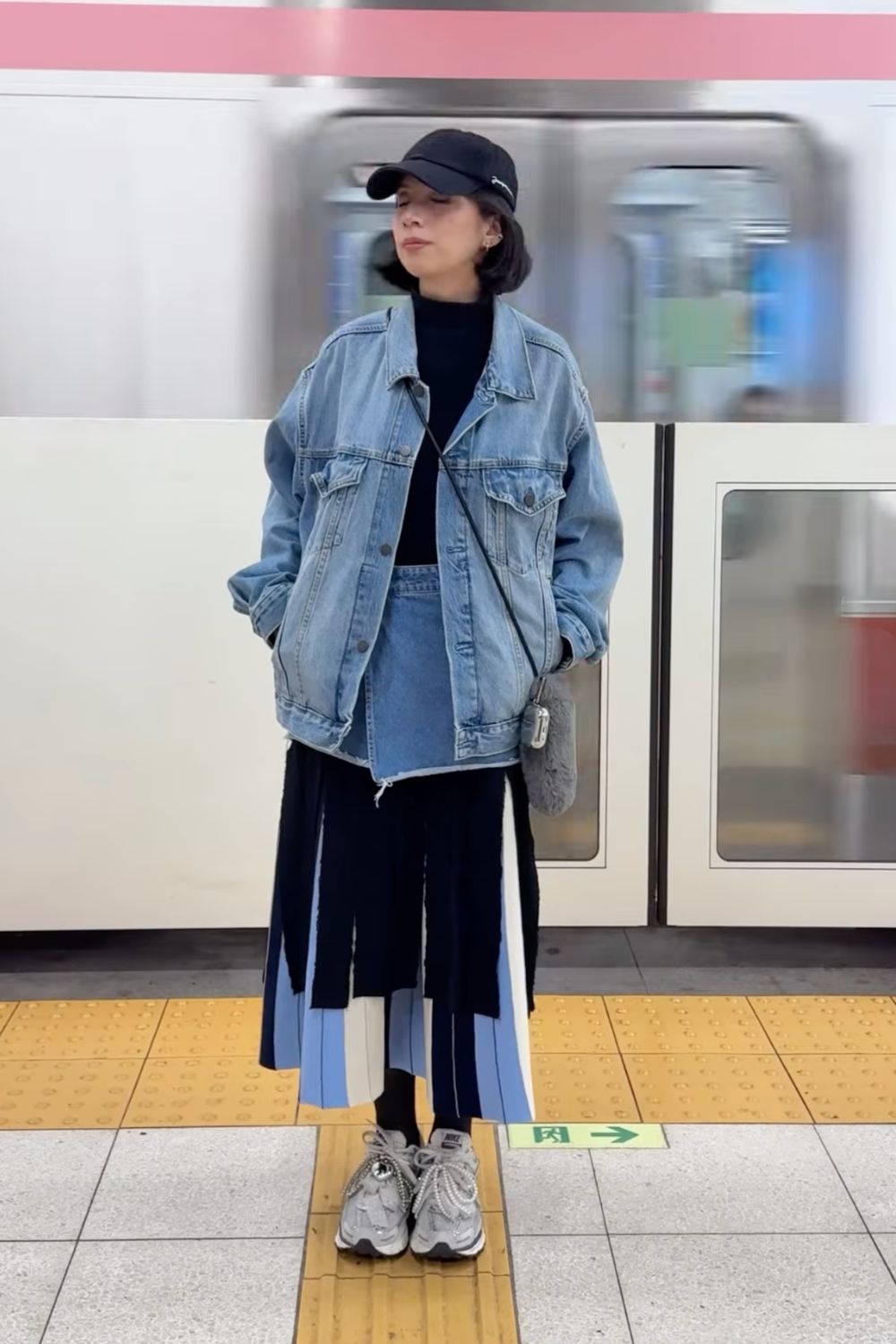
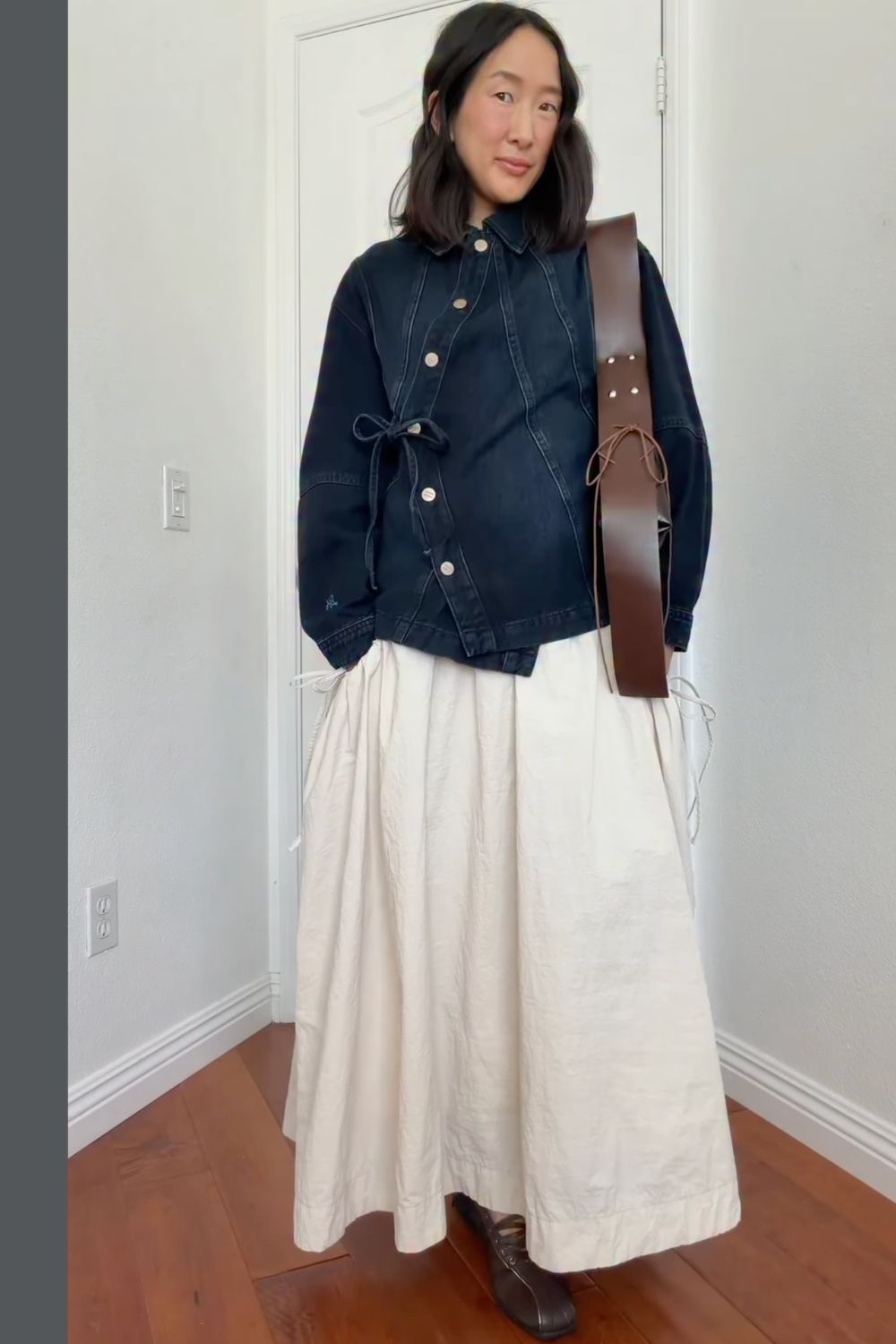
Denim holds a near-iconic status in Japanese fashion, especially for women who enjoy mixing casual and elevated pieces. Japanese denim is globally renowned for its craftsmanship, durability, and depth of color. It’s not unusual to see denim skirts paired with delicate blouses, or oversized denim jackets layered over lace dresses.
The appeal lies in versatility. Denim can be rugged or refined depending on how it’s styled. It also fits seamlessly into both minimalist wardrobes and more eclectic fashion expressions. The Japanese approach to denim values quality weaving, deep indigo dyes, and garments that develop character over time. A pair of jeans is not just clothing — it’s a long-term relationship.
Wabi-Sabi: Beauty in Imperfection
At the philosophical heart of Japanese aesthetics lies wabi-sabi, a concept that embraces imperfection, transience, and natural beauty. In fashion, this translates into clothing that doesn’t strive for sterile perfection. Slight irregularities, raw hems, muted colors, and weathered textures are not flaws — they’re features.
For women’s fashion, wabi-sabi often appears through:
- Earthy tones and subdued palettes
- Organic fabrics that wrinkle naturally
- Handcrafted or artisanal elements
- Designs that age beautifully over time
It’s a refreshing contrast to fast fashion’s obsession with pristine uniformity. Wabi-sabi encourages wearers to appreciate garments as living objects that evolve with use, creating emotional attachment rather than disposable consumption.
Iconic Japanese Fashion Styles
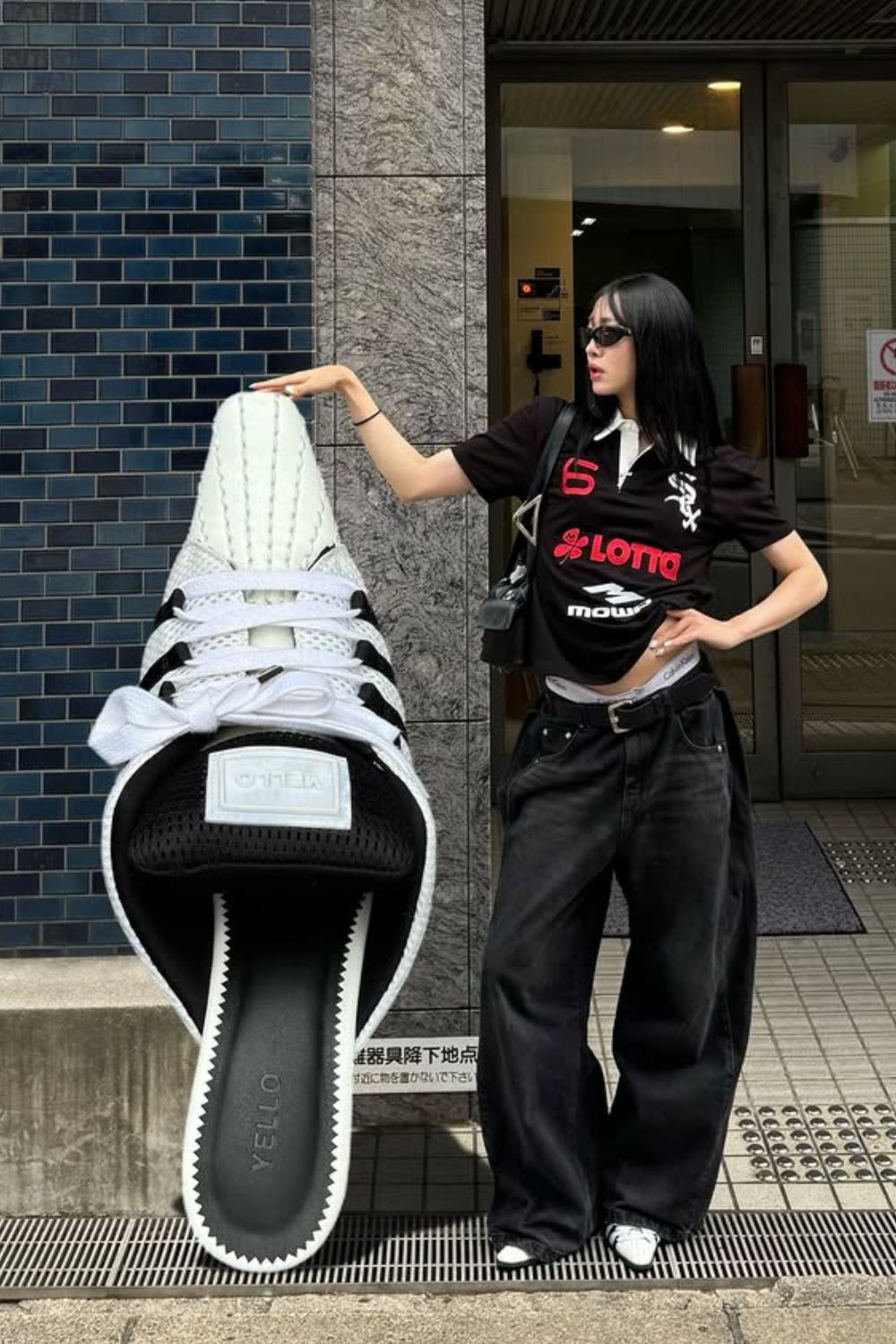
Japanese fashion is famous for its diverse style tribes, many of which gained global recognition through street style photography and youth culture movements.
Harajuku Style
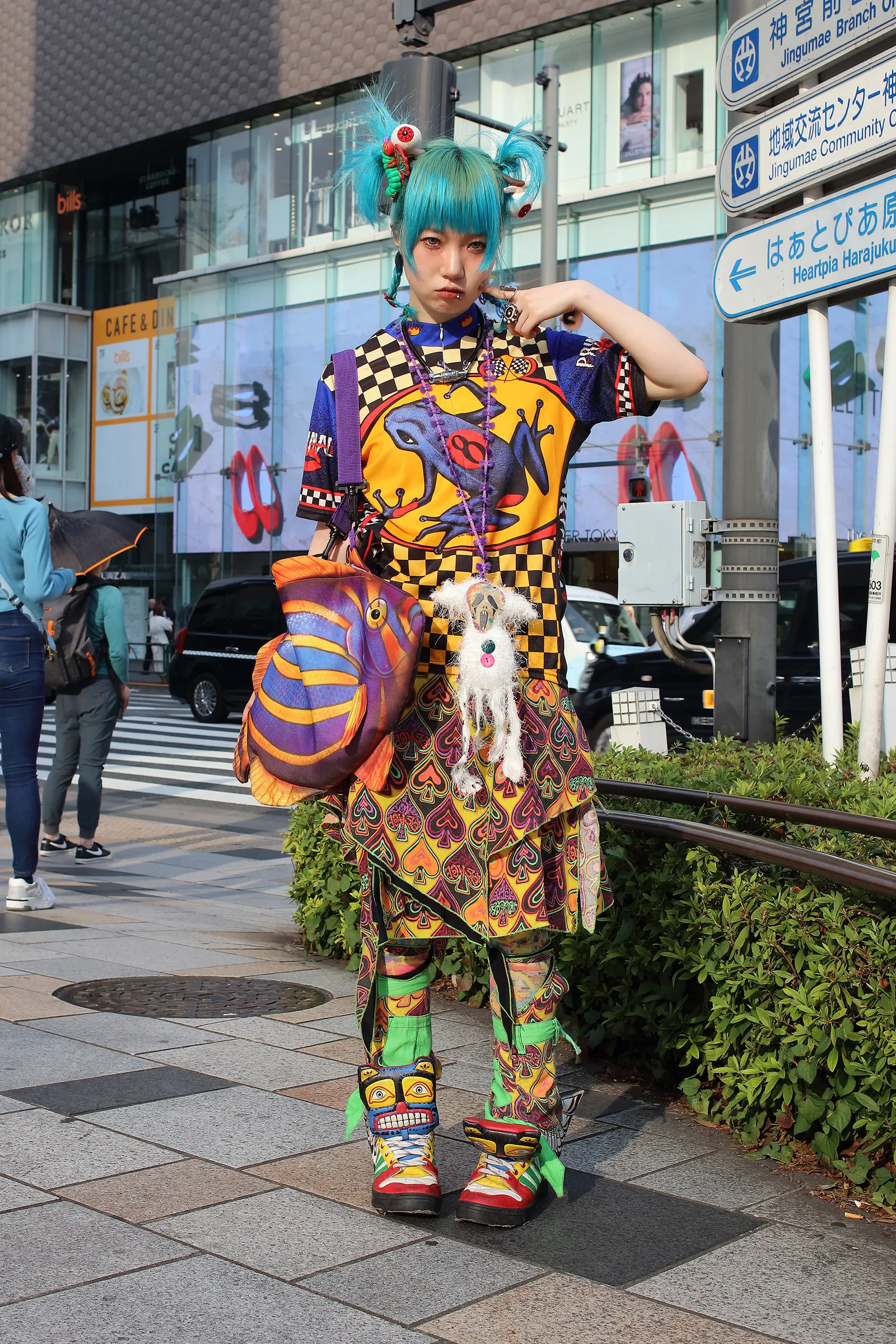
Harajuku is less a single style and more a kaleidoscope of self-expression.
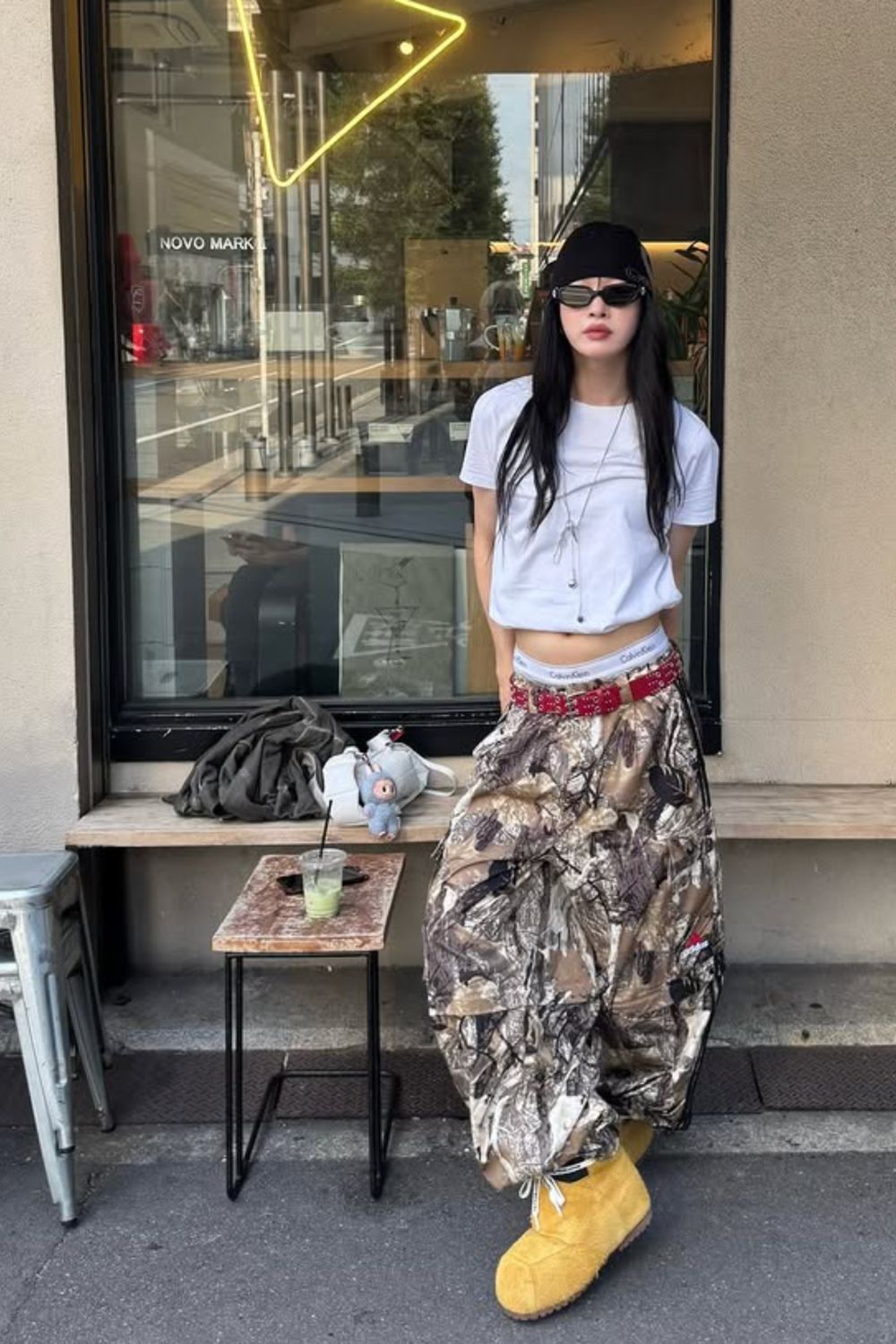
Women’s Harajuku fashion can include bright colors, layered skirts, oversized sweaters, platform shoes, and playful accessories. It’s fearless, imaginative, and deeply personal — the ultimate celebration of individuality.
Kawaii Fashion
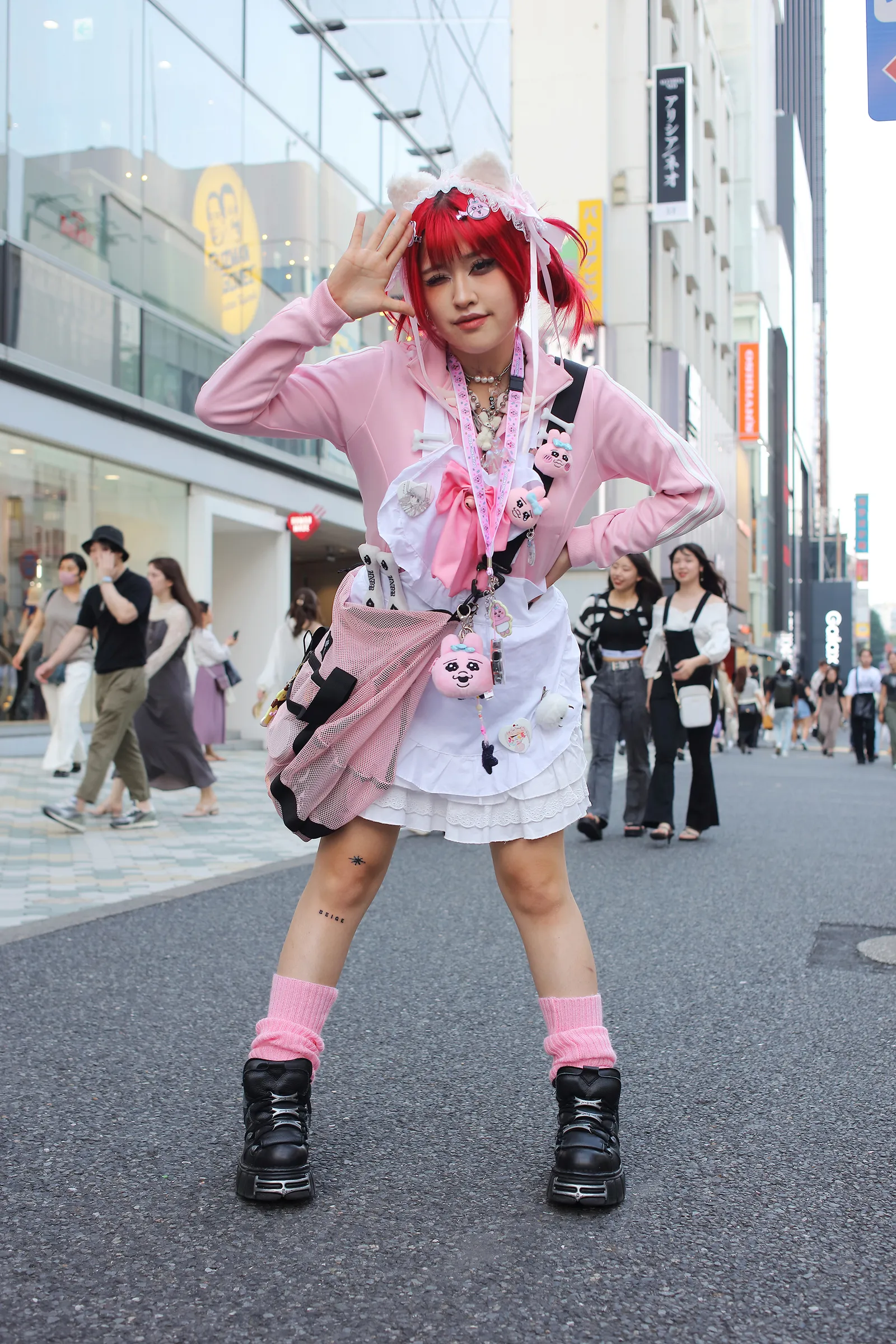
“Kawaii” means cute, but in fashion it becomes an entire aesthetic language.
Think pastel colors, frilly dresses, bows, soft silhouettes, and whimsical prints.
Women who embrace kawaii style often blend innocence with creativity, creating looks that feel almost storybook-like.
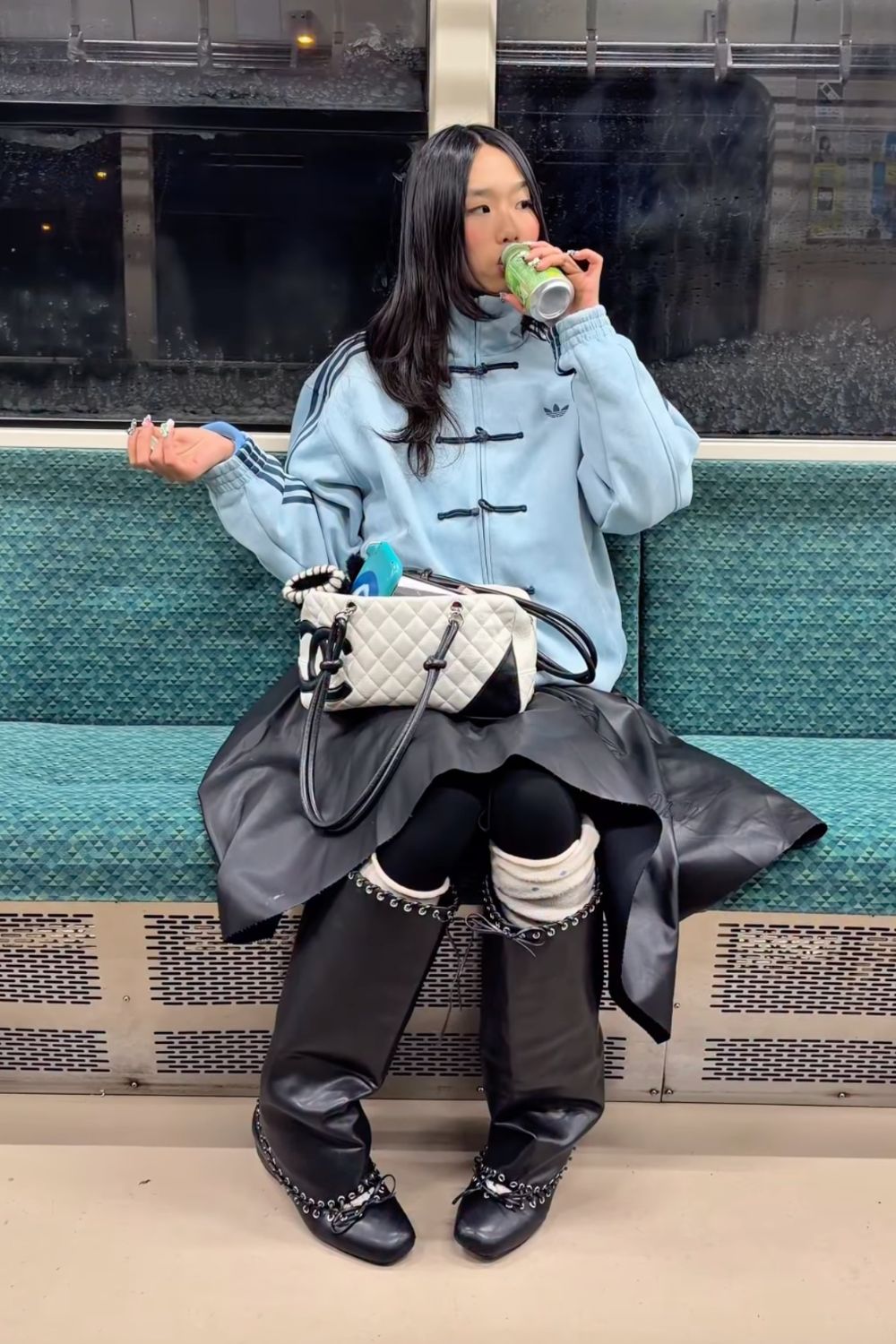
Punk and Grunge
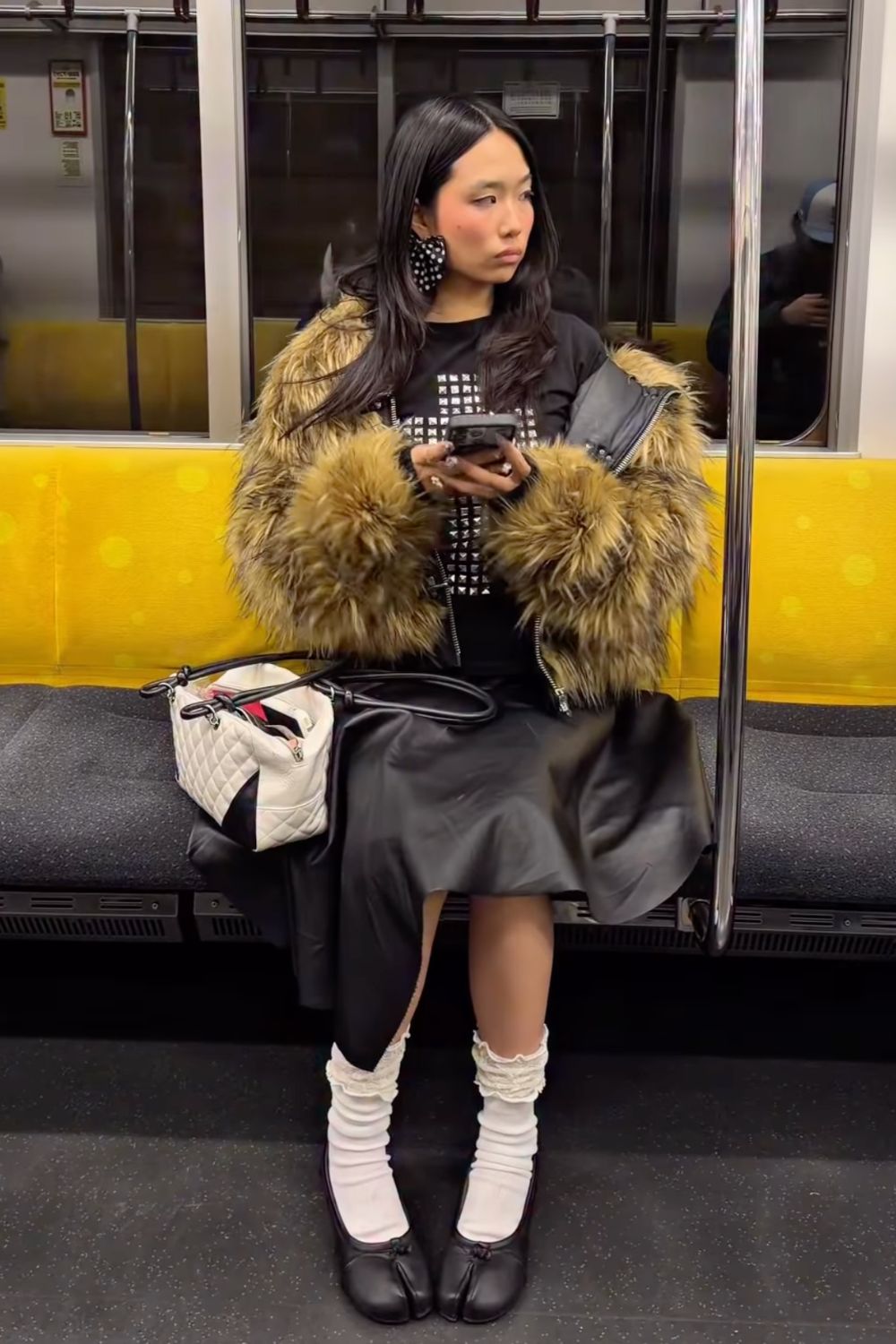
Japanese punk and grunge fashion reinterpret Western influences through a local lens.
Leather jackets, plaid skirts, distressed fabrics, chains, and combat boots appear frequently, but often with unexpected layering or color combinations.
Women’s punk fashion in Japan can be edgy yet meticulously styled rather than chaotic.
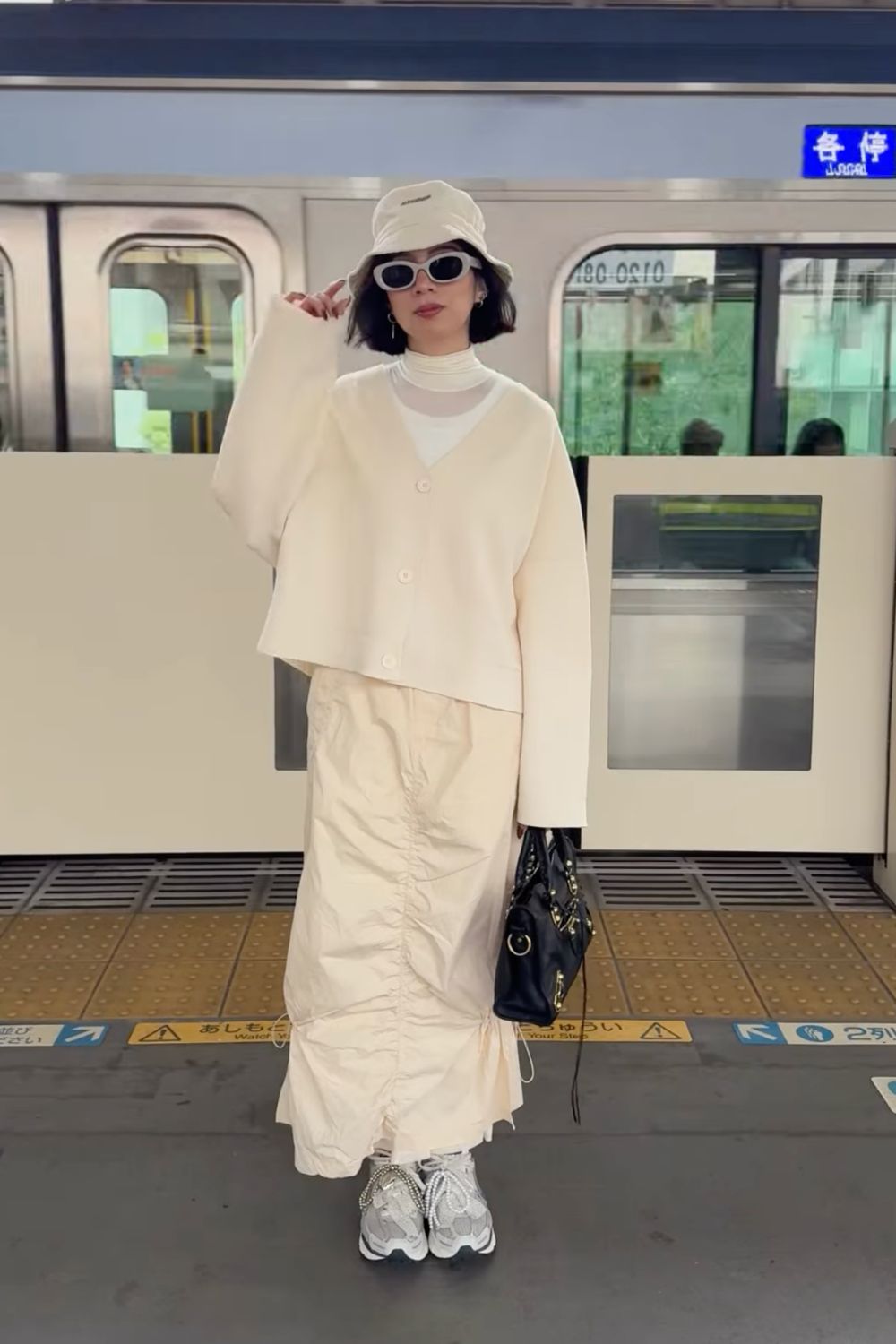
Minimalist and Avant-Garde
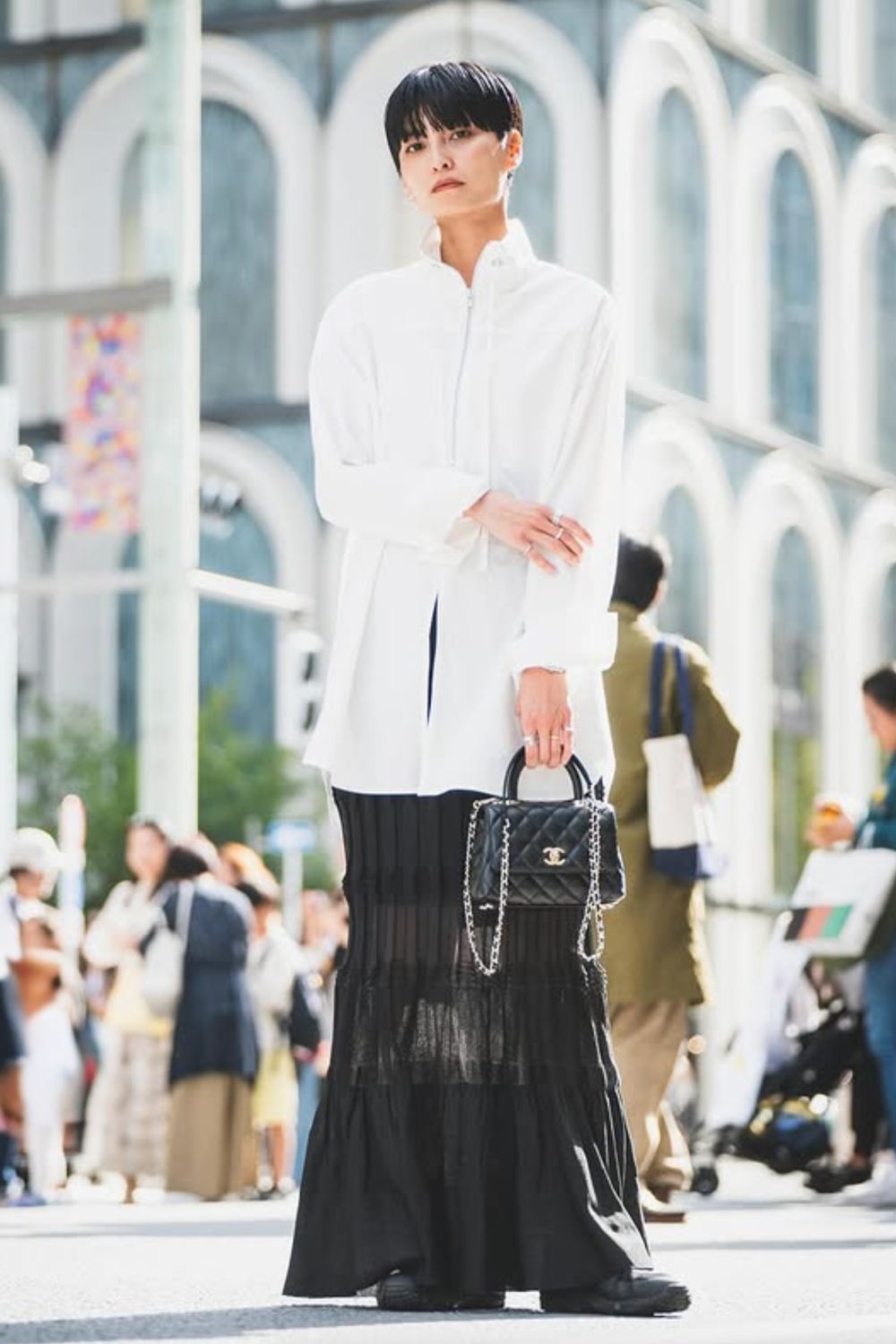
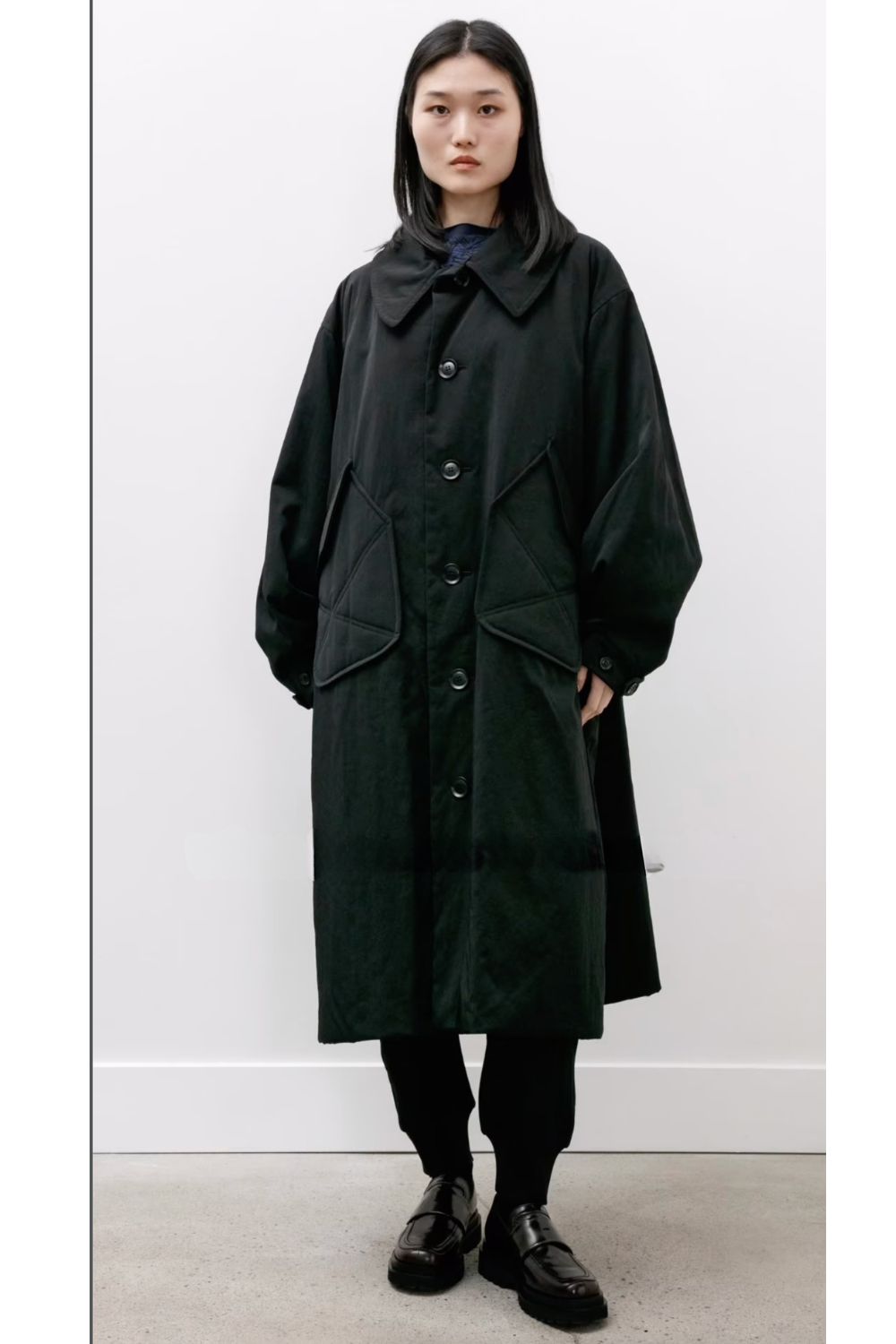
At the opposite end of the spectrum lies the minimalist and avant-garde scene. Neutral tones, dramatic silhouettes, and conceptual garments define this space.
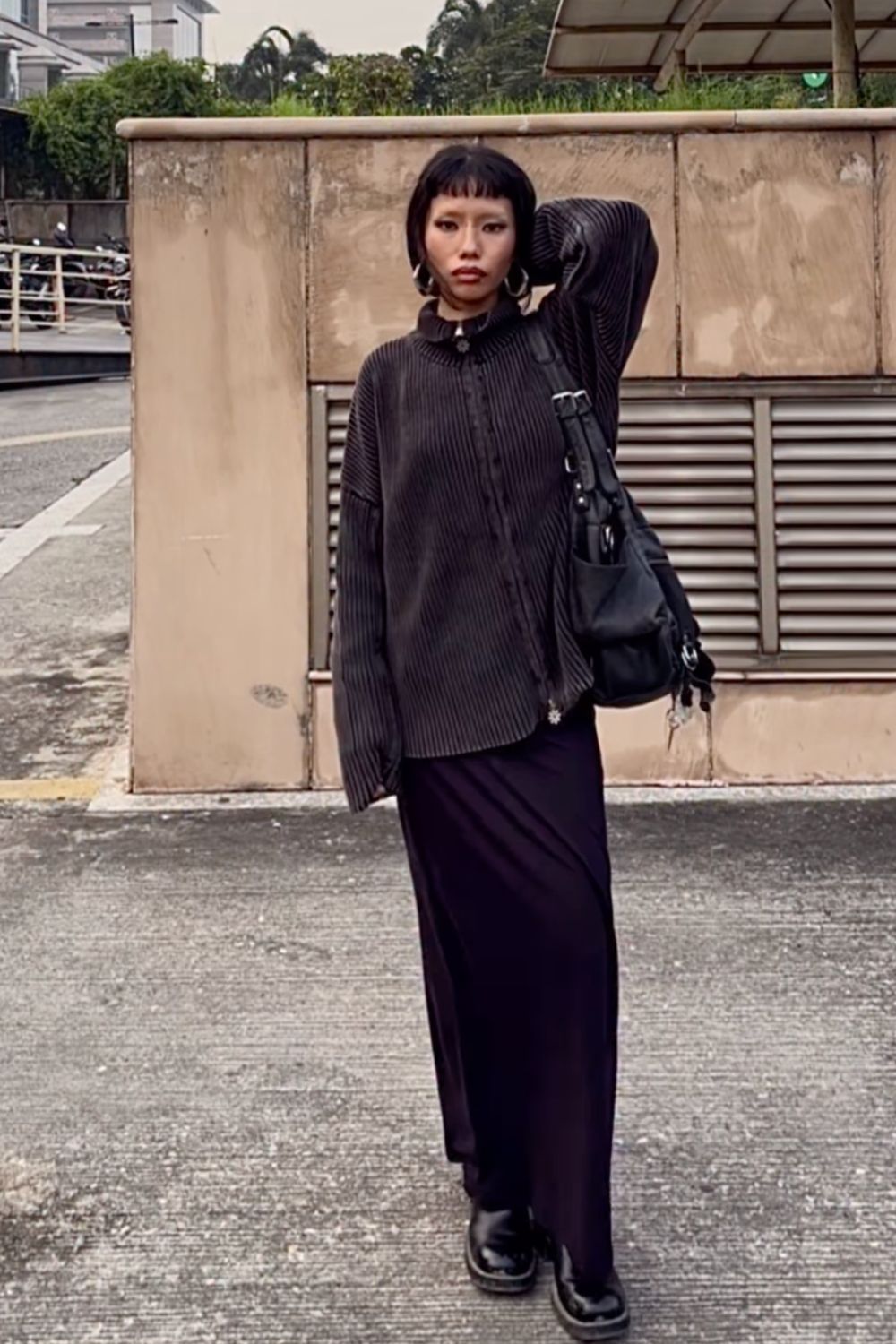
Women who gravitate toward this style often favor monochrome outfits, structured outerwear, and artistic tailoring that feels closer to wearable sculpture than conventional clothing.
Japanese Fashion Brands and Their Signature Styles
Japanese fashion brands have played a major role in shaping global style narratives. Many designers balance innovation with heritage, resulting in clothing that feels both modern and timeless.
Comme des Garçons
Known for avant-garde and conceptual design, this brand challenges traditional silhouettes and symmetry.
Women’s pieces often feature unexpected shapes, layering, and dramatic tailoring. It’s fashion as art, frequently seen on runways that resemble installations more than standard shows.
Issey Miyake
Celebrated for technical innovation and pleating techniques, this label emphasizes movement and fabric engineering.
Women’s collections are known for lightweight materials, sculptural forms, and garments that feel both futuristic and practical.
Yohji Yamamoto
A master of dark palettes and flowing silhouettes, Yohji Yamamoto’s style is intellectual and poetic.
Women’s clothing often includes oversized cuts, asymmetry, and a monochrome aesthetic that feels effortlessly sophisticated.
Sacai
Sacai is known for hybrid garments — pieces that merge two different styles into one cohesive design.
A jacket might blend with a sweater, or a skirt might incorporate trouser elements. Women’s fashion from Sacai feels inventive yet wearable.
Uniqlo
On the more accessible end, Uniqlo champions minimalist essentials.
Clean lines, functional fabrics, and affordable pricing make it a staple for everyday wardrobes. Women’s collections focus on layering basics, comfortable silhouettes, and timeless simplicity.
Street Style and Everyday Influence
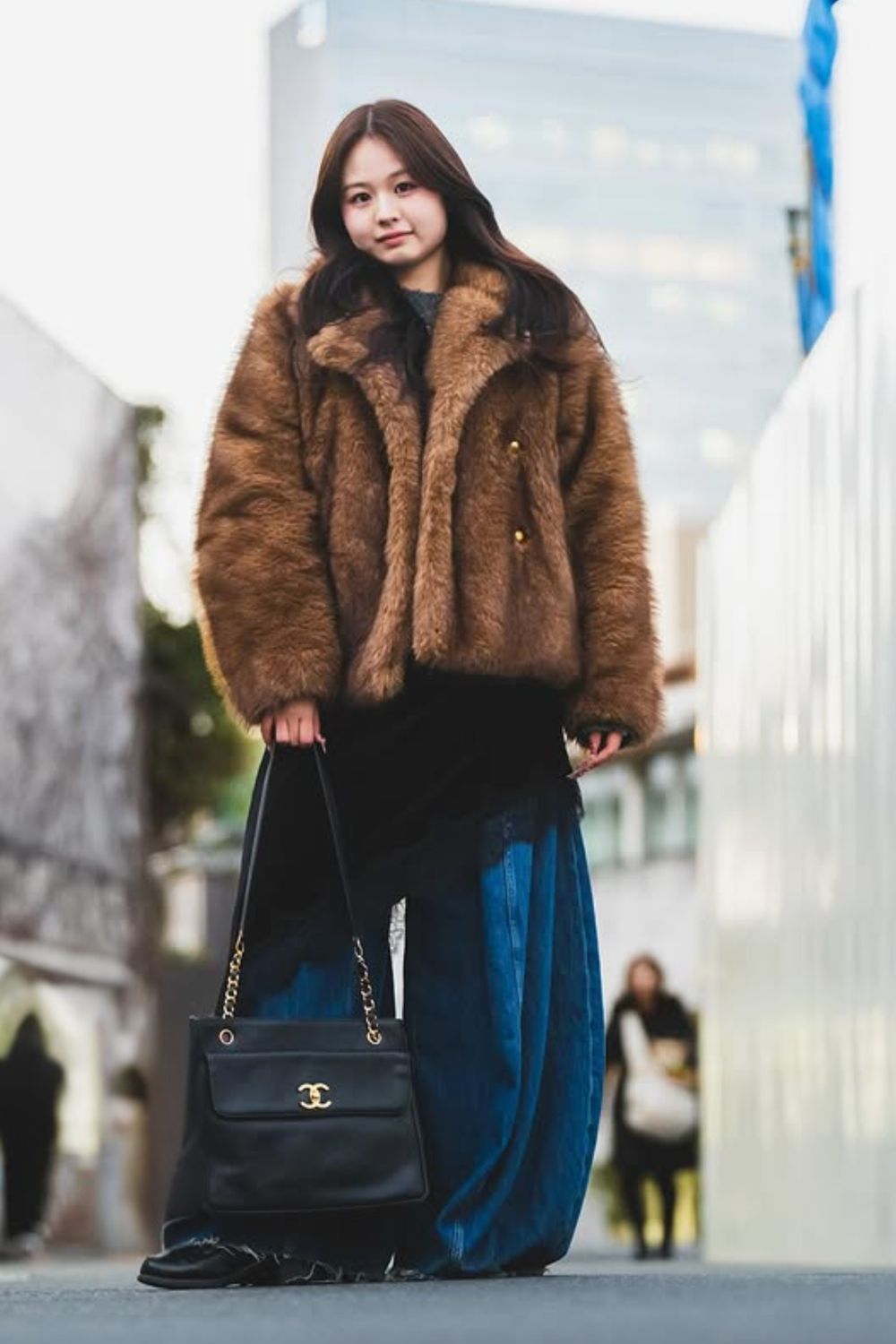
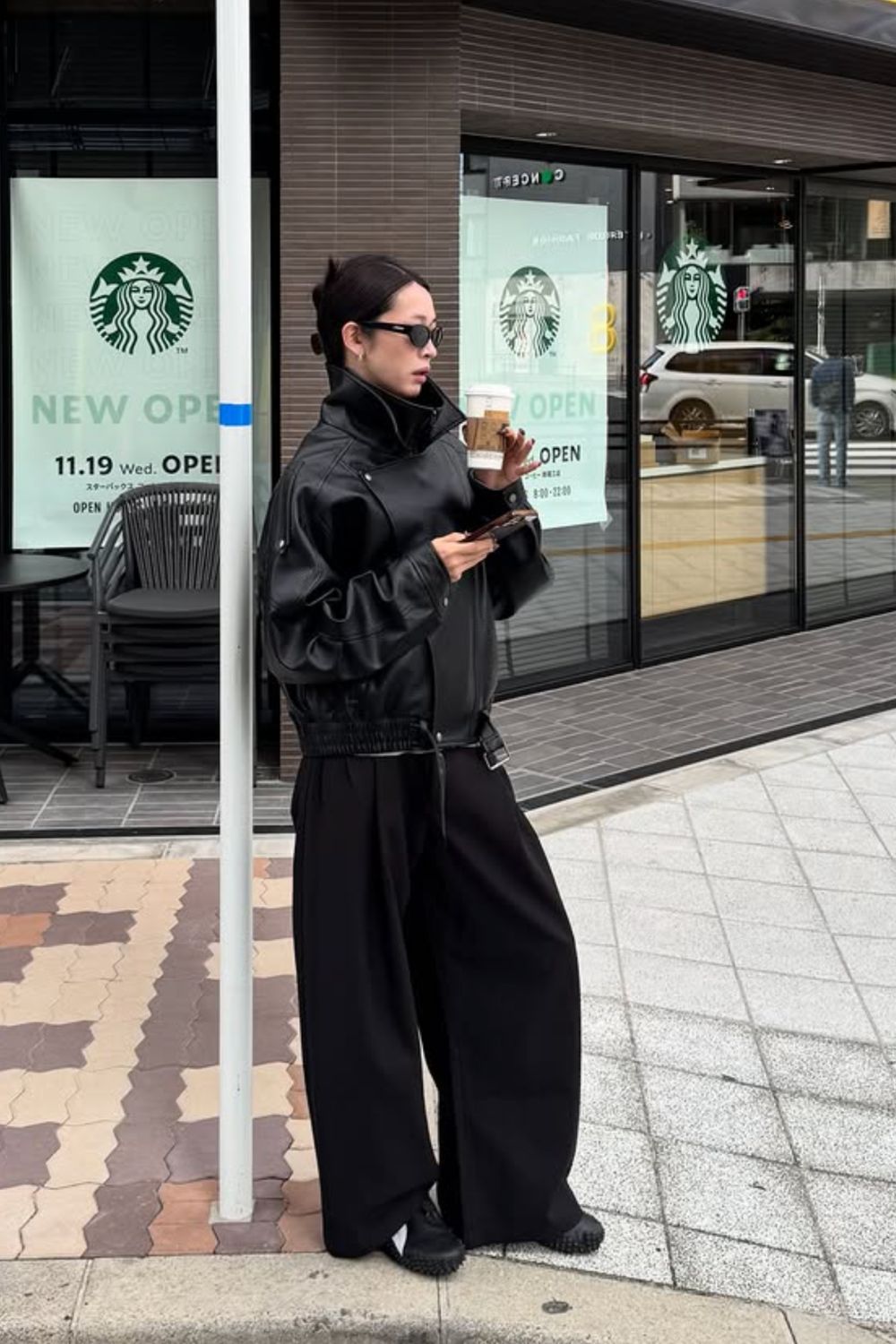
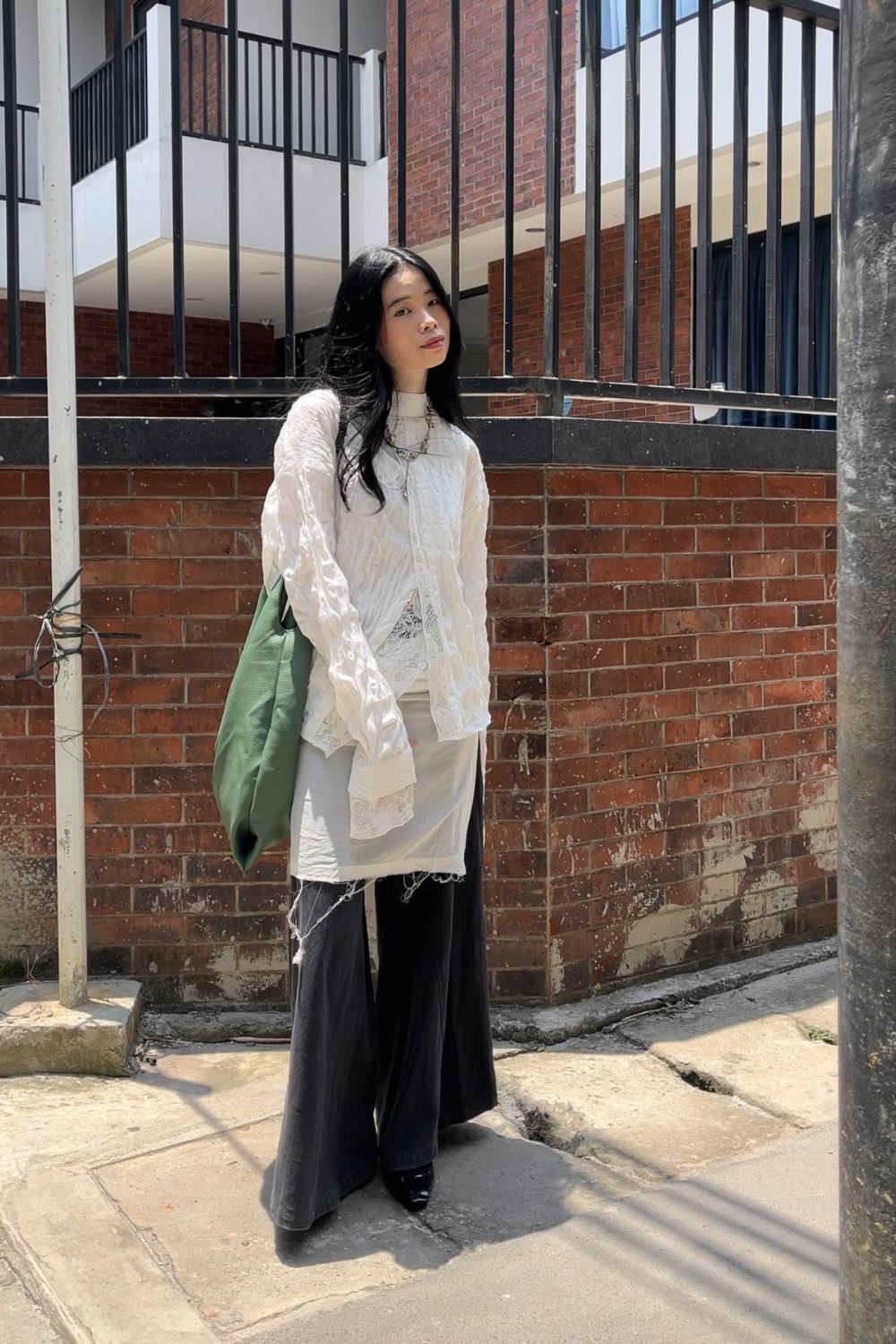
One of the most fascinating aspects of Japanese women’s fashion is how street style influences high fashion and vice versa. The line between runway and sidewalk is often blurred.
Young women in fashion districts experiment boldly, and designers frequently draw inspiration from these real-world expressions.
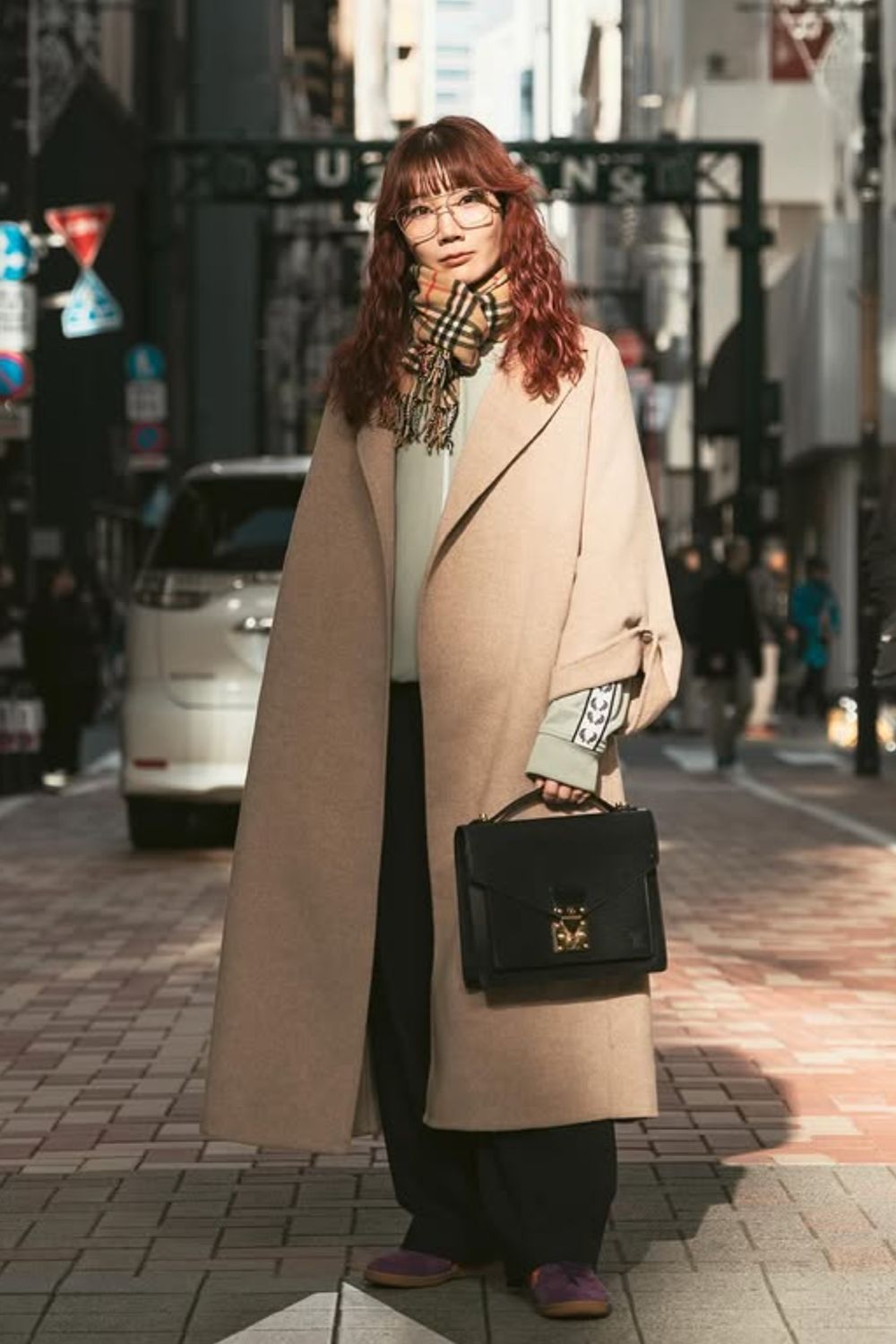
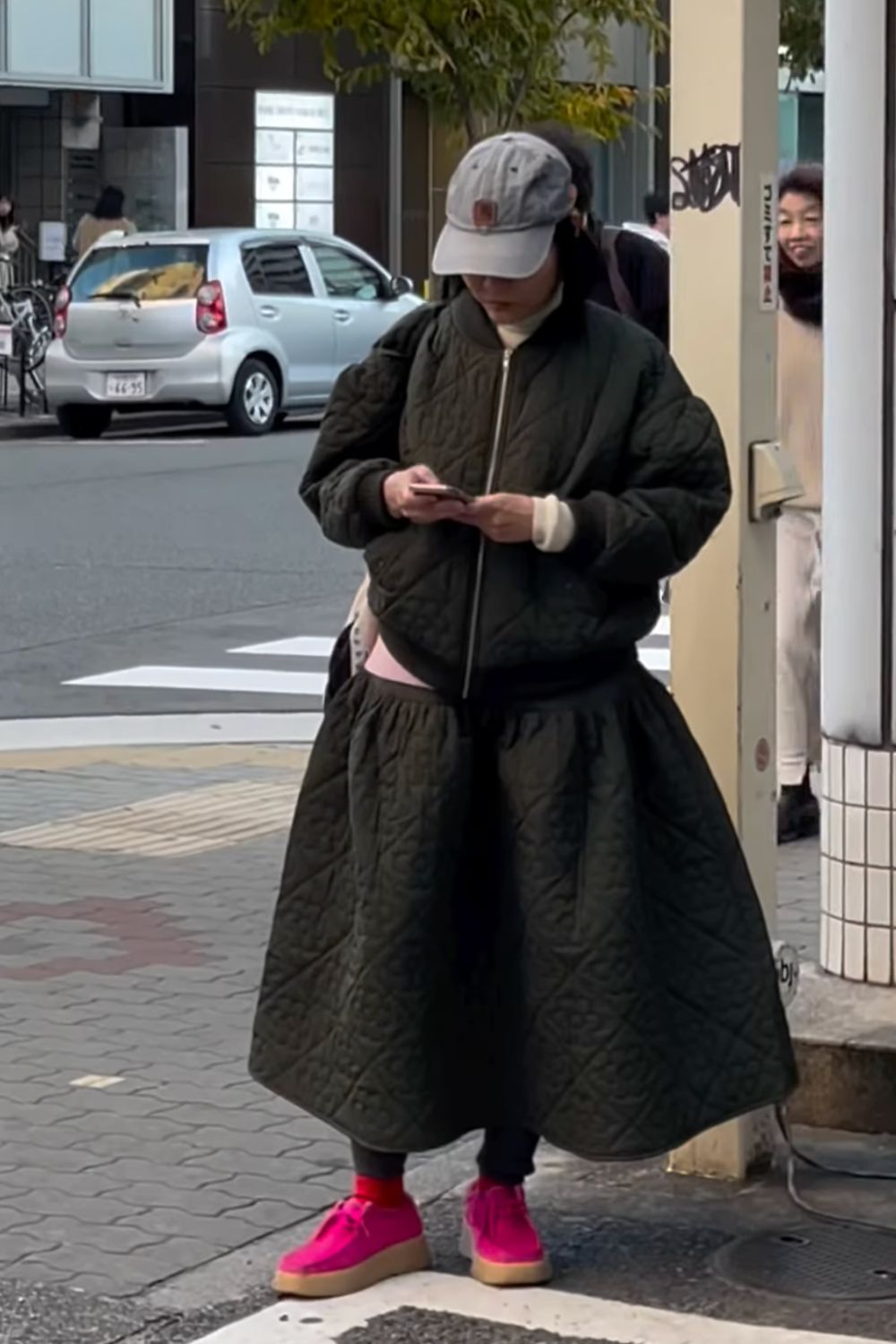
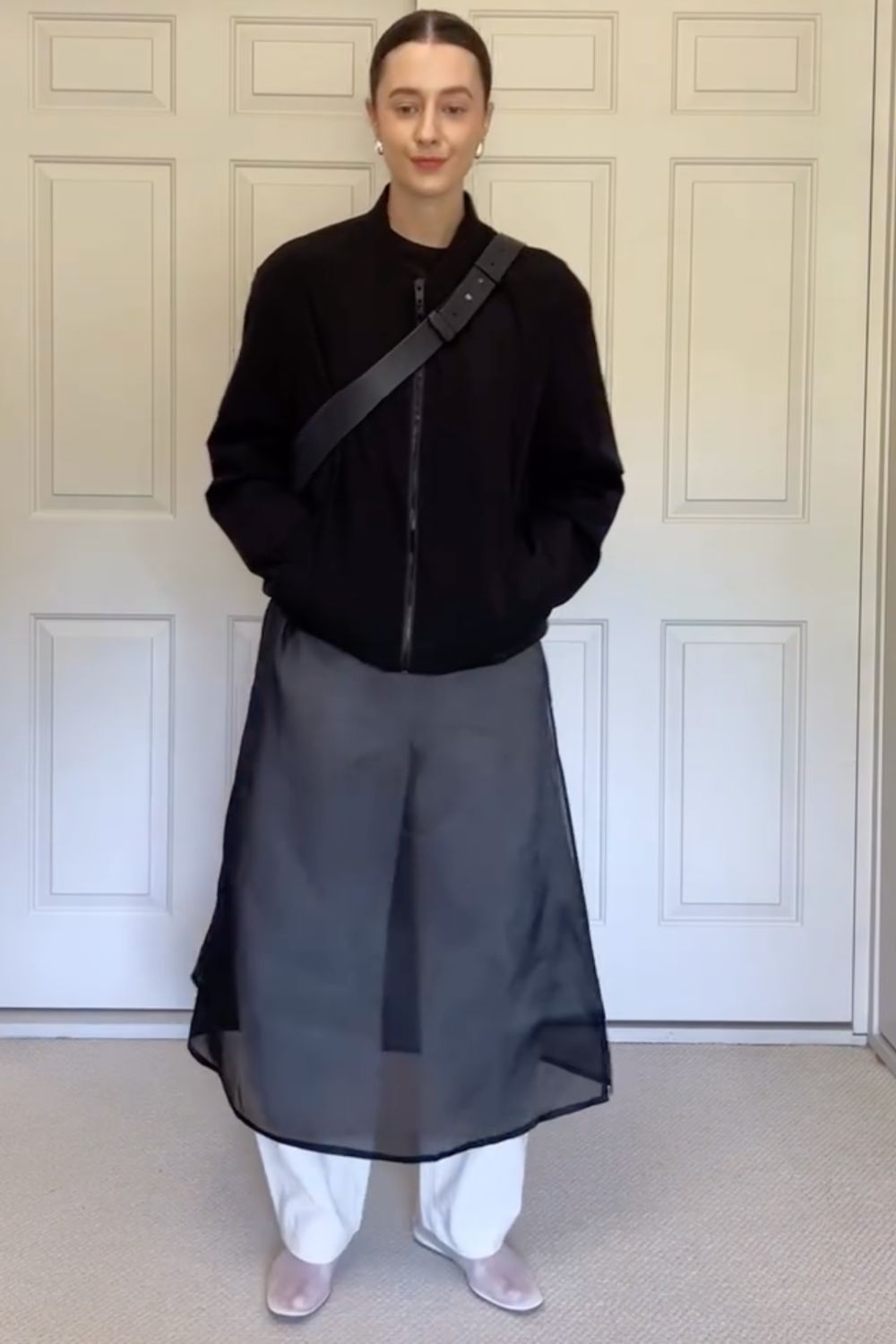
Layering is key in everyday outfits — dresses over pants, skirts over leggings, oversized coats over delicate blouses.
Accessories such as tote bags, statement socks, and unique footwear complete the look without overpowering it. Even casual outfits tend to feel curated rather than thrown together.
Why Japanese Fashion Continues to Inspire
Japanese women’s fashion resonates globally because it offers freedom. It doesn’t demand conformity to a single silhouette or trend. Instead, it invites exploration — whether through soft kawaii aesthetics, rebellious punk influences, or refined minimalism.
At its core, Japanese fashion teaches an important lesson: clothing is not just about appearance; it’s about intention. The emphasis on detail, quality materials, thoughtful cuts, and philosophical concepts like wabi-sabi creates wardrobes that feel meaningful rather than fleeting.
For anyone discovering Japanese fashion for the first time, the journey is less about copying a specific look and more about adopting the mindset behind it. Pay attention to detail.
Value craftsmanship. Embrace individuality. And most importantly, allow your clothing to tell your story — imperfectly, beautifully, and entirely your own.