Last Updated on 21 February, 2026
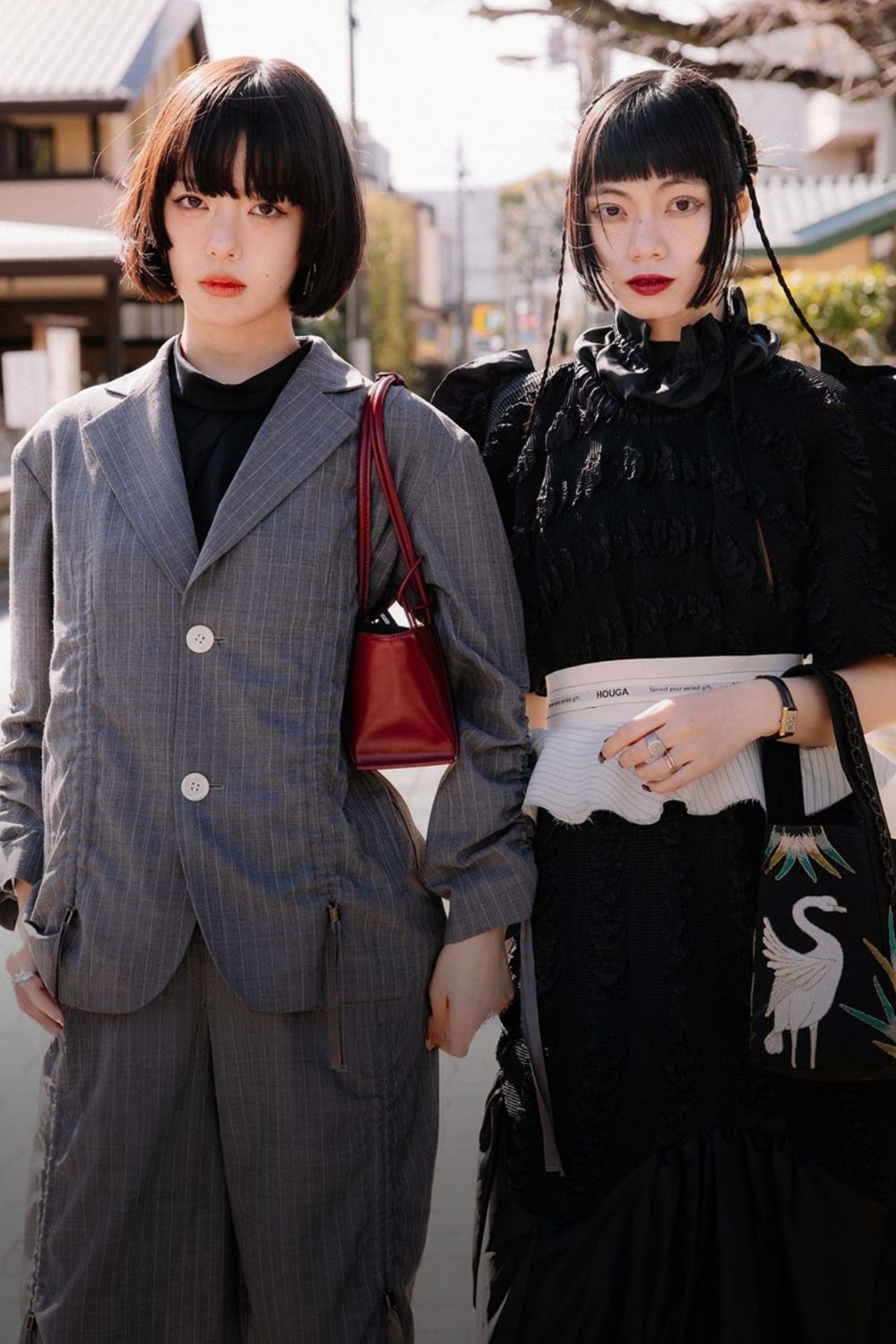
Japanese street fashion isn’t just about clothes — it’s about identity, creativity, and self-expression worn proudly in public. Walk down almost any busy street in Japan and you’ll notice something instantly: people dress with intention.
Outfits are rarely accidental. From perfectly curated vintage looks to experimental avant-garde silhouettes, Japanese street style blends individuality with cultural nuance in a way that feels both fearless and refined.
For women especially, street fashion in Japan is a vibrant playground. You’ll see hyper-feminine lace dresses next to oversized grunge layers, sleek monochrome tailoring beside neon punk accessories.
There is no single “Japanese look,” and that’s exactly what makes it so captivating. Whether you’re planning a trip, looking for outfit inspiration, or simply love fashion culture, understanding the different styles and regional influences gives you a deeper appreciation for what you see on the streets.
Why Japanese Street Fashion Stands Out
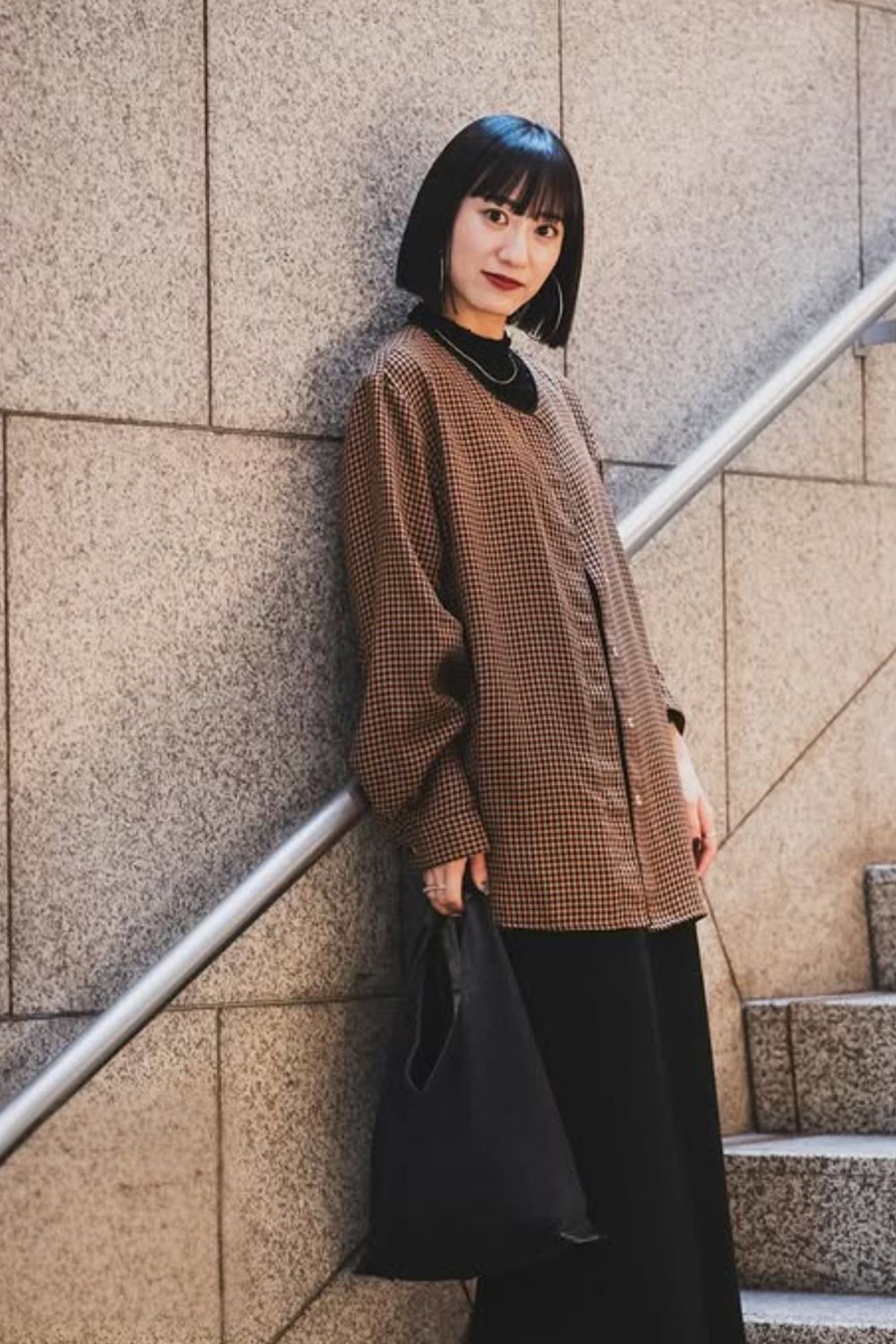
Japanese fashion culture is rooted in a few core ideas: craftsmanship, attention to detail, and personal storytelling. Many women mix high-end designer pieces with thrifted finds, handmade accessories, and carefully chosen shoes or bags that elevate the entire outfit. Hair, makeup, and even posture are part of the aesthetic.
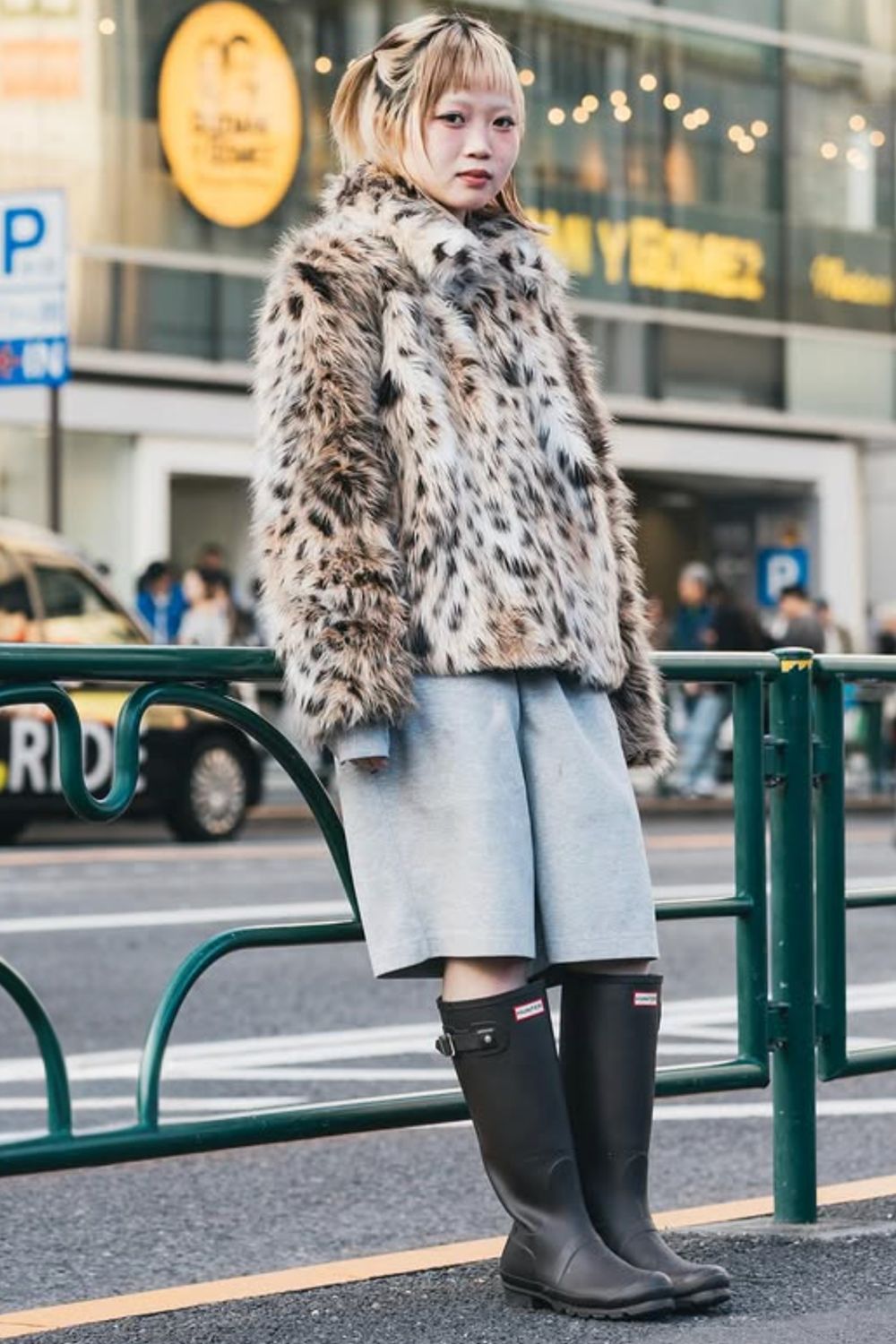
Another key factor is seasonal awareness. In Japan, dressing for the season is almost an art form. Spring florals, summer linens, autumn layers, and winter textures are embraced wholeheartedly. Even subtle changes — like sock styles or bag materials — shift with the weather.
And unlike many Western fashion scenes where trends can dominate, Japanese street fashion often encourages experimentation. You’re just as likely to see a minimalist beige ensemble as you are a full Harajuku pastel fantasy.
Popular Japanese Street Fashion Styles for Women
Grunge & Alternative
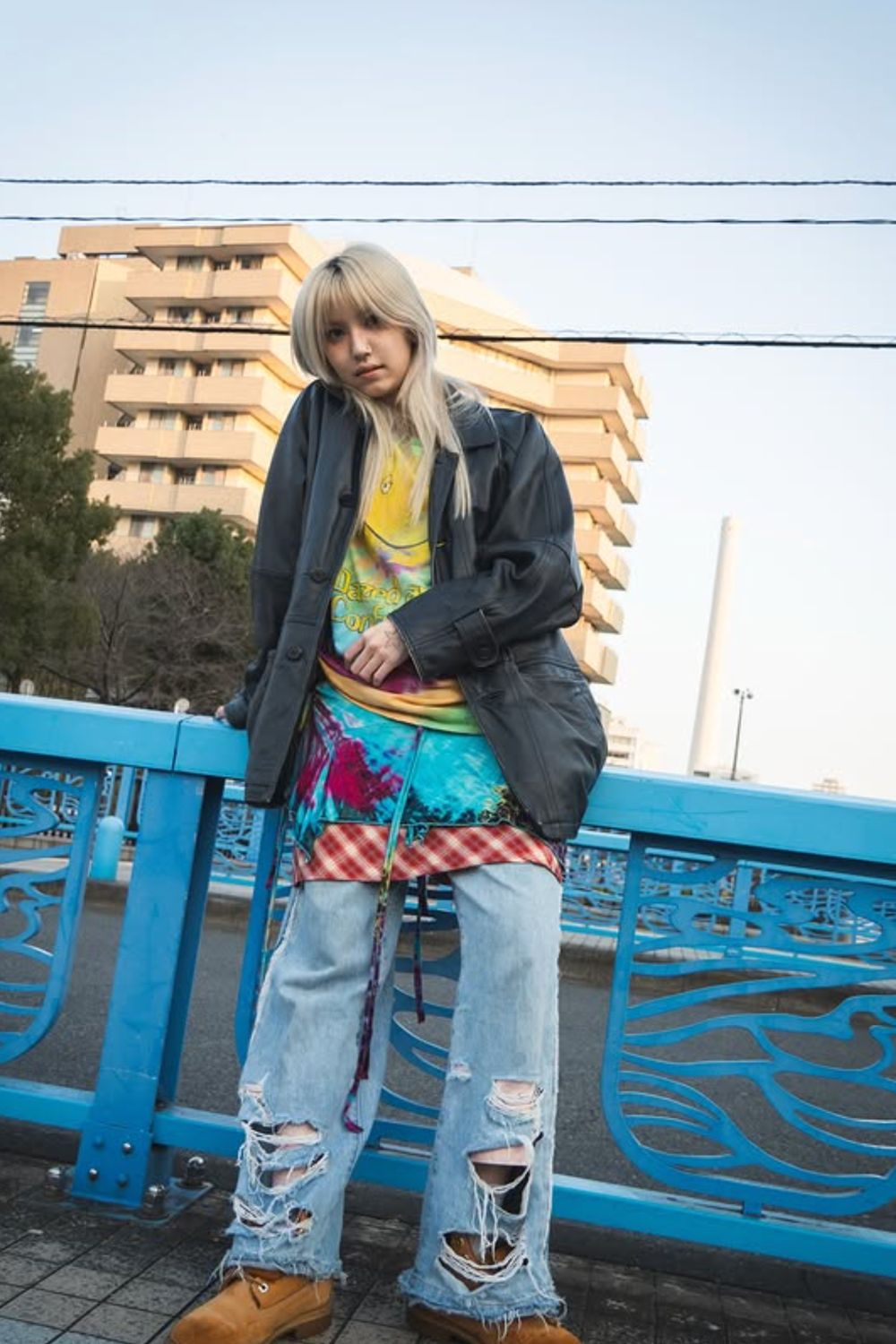
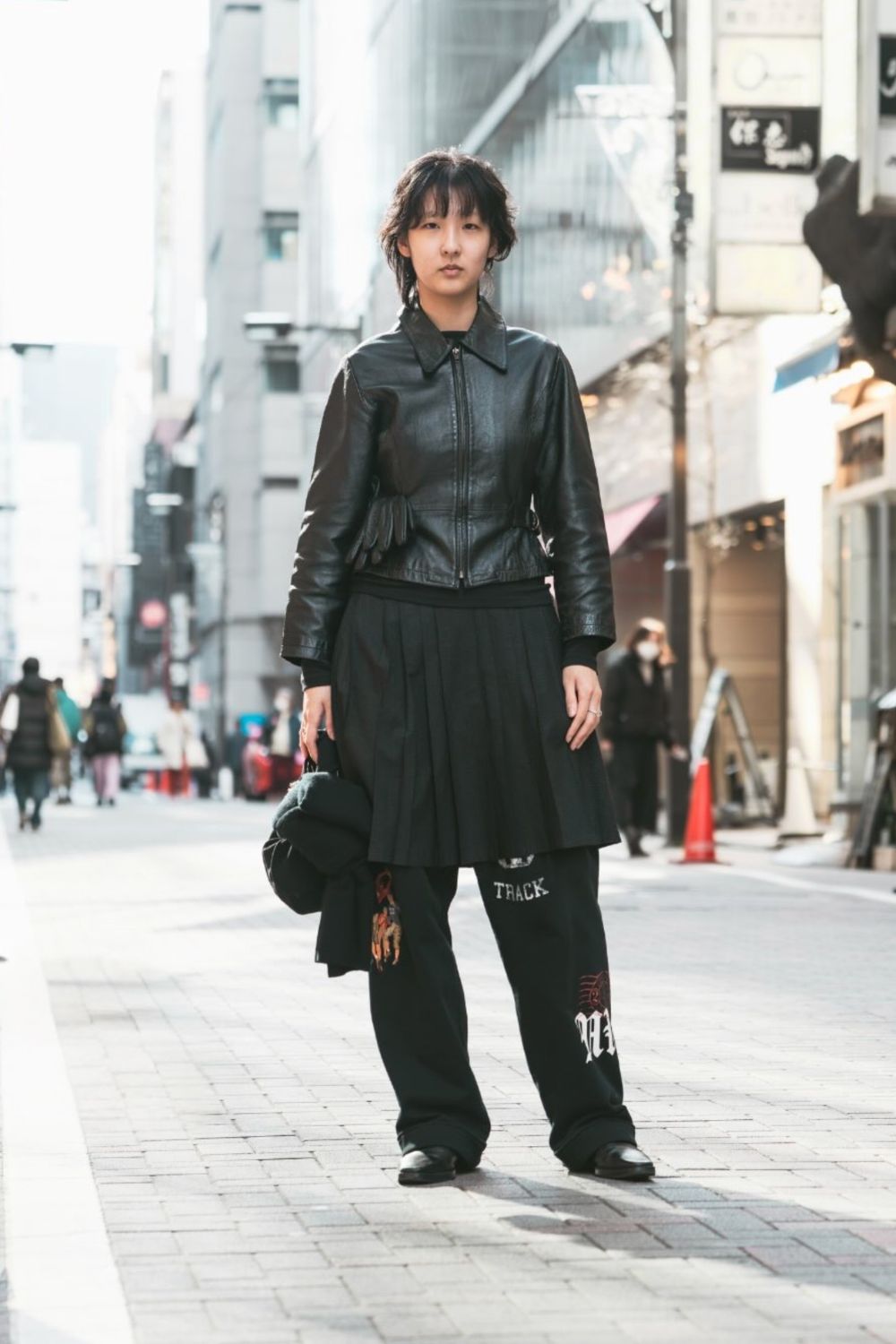
Grunge in Japan often leans darker and more layered than its Western counterpart. Think oversized band tees, distressed denim skirts, combat boots, plaid shirts tied around the waist, and heavy silver jewelry. Black is dominant, but it’s rarely plain — textures like mesh, leather, and ripped fabrics add depth.
Japanese grunge also tends to be cleaner and more intentional. Hair might be tousled, but it’s styled. Makeup is smudged but balanced. The overall look feels edgy without looking careless.

Punk & Gothic Punk
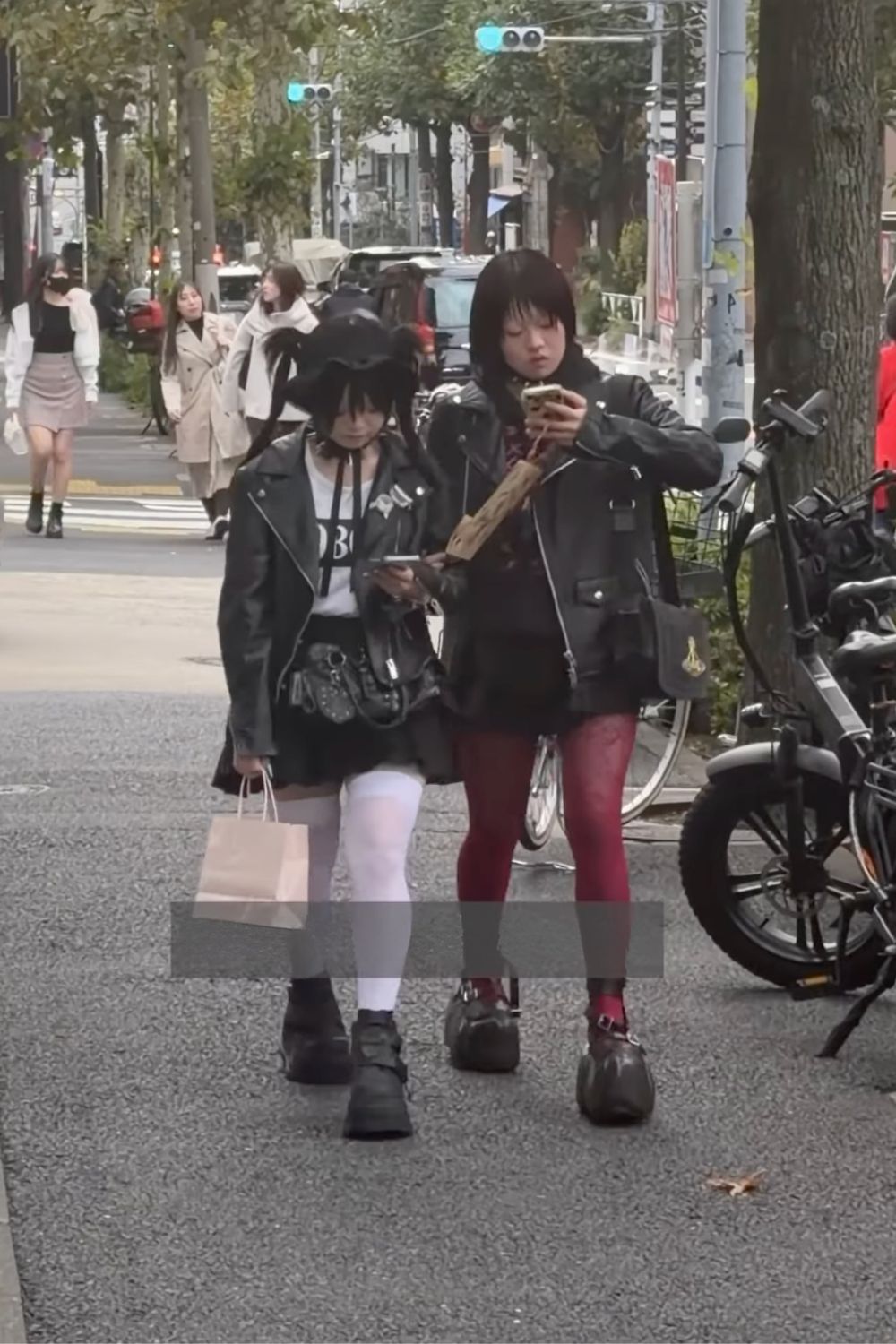
Punk fashion in Japan ranges from subtle rebellion to full theatrical expression. Women might wear studded jackets, platform boots, chains, corsets, or tartan skirts paired with fishnet tights.
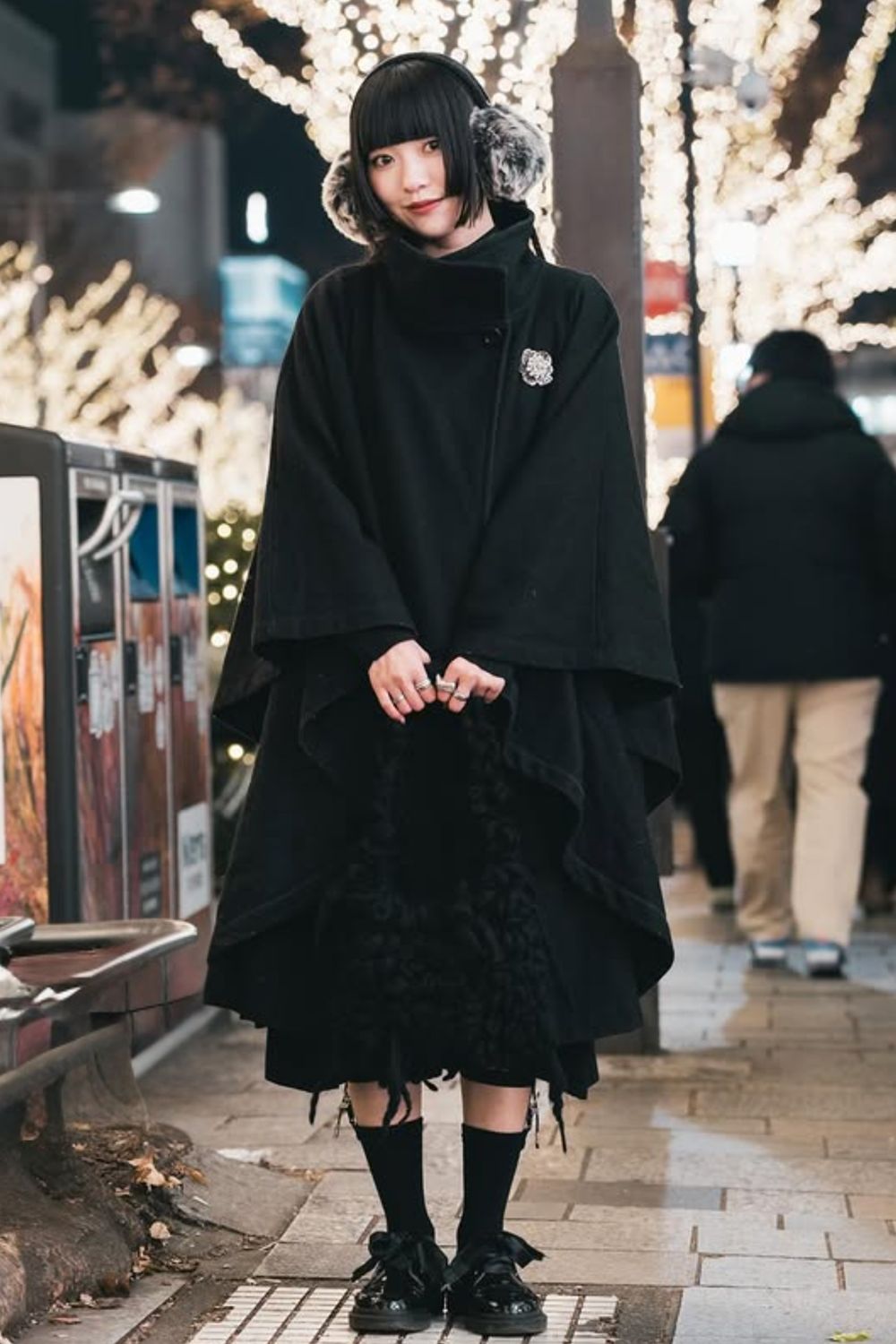
Gothic punk pushes this further with lace gloves, Victorian silhouettes, dramatic eyeliner, and deep burgundy or jet-black palettes.
Accessories play a huge role — chokers, layered necklaces, safety pins, and statement belts often complete the look. It’s bold, expressive, and intentionally eye-catching.
Shimokitazawa Vintage Classic
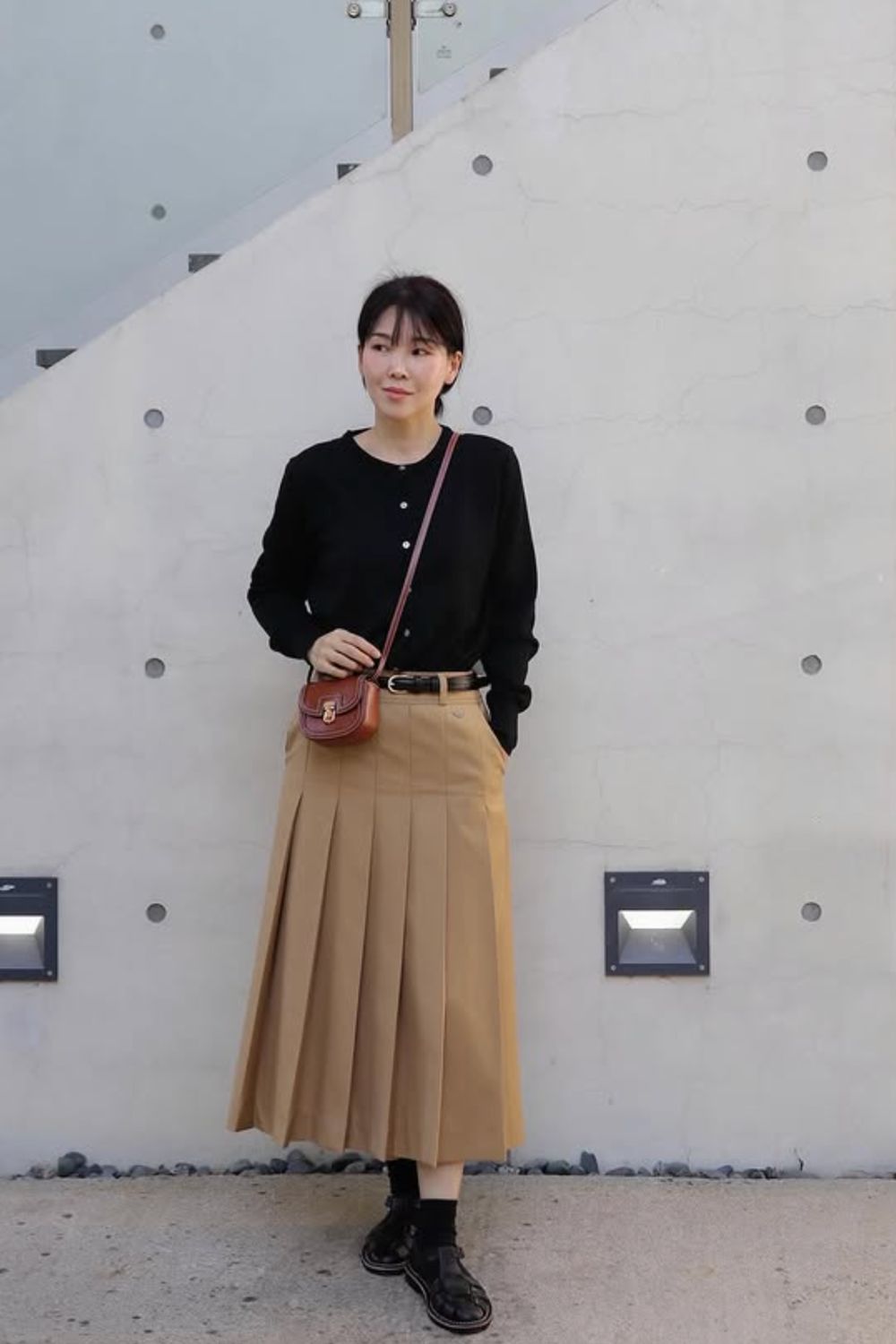
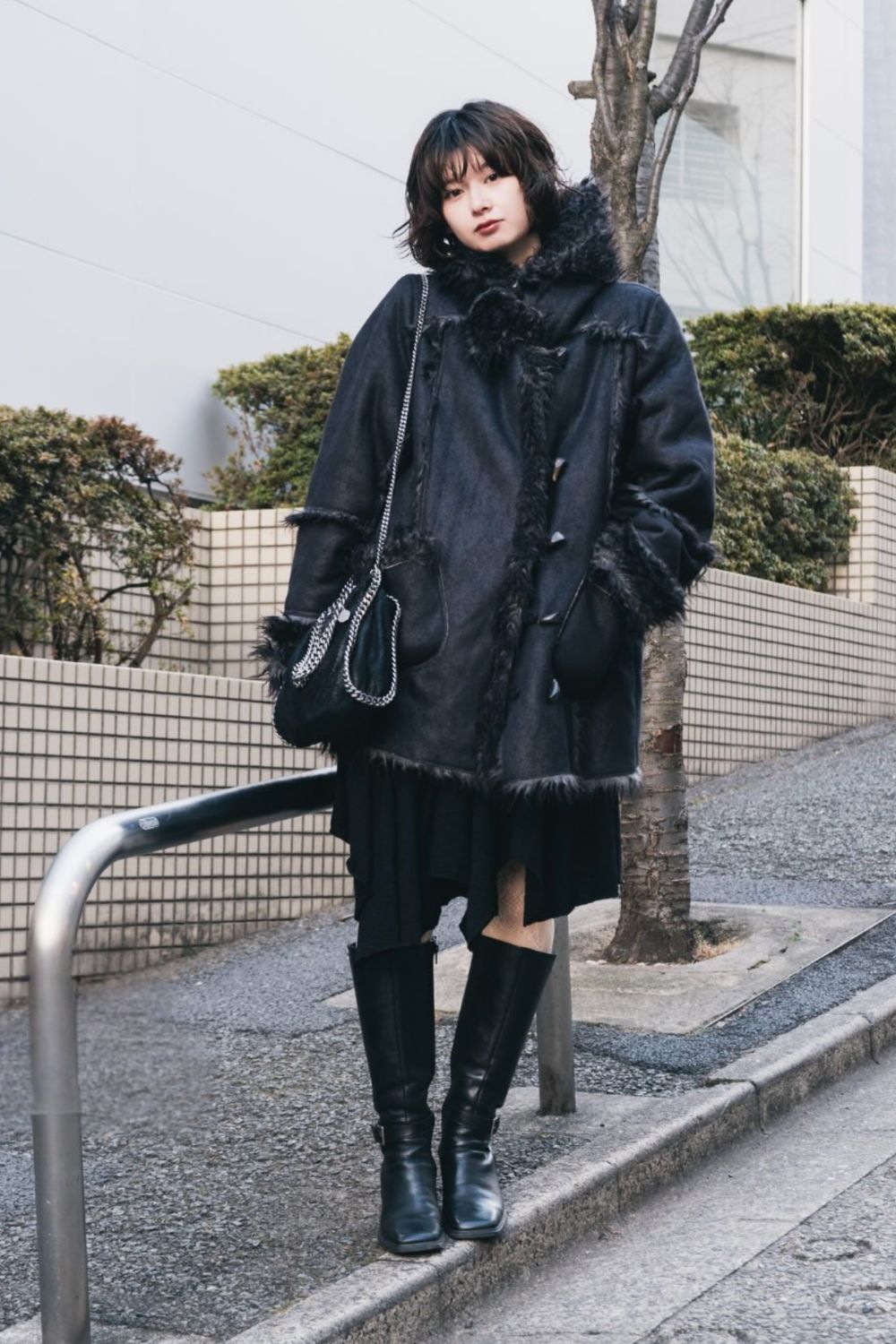
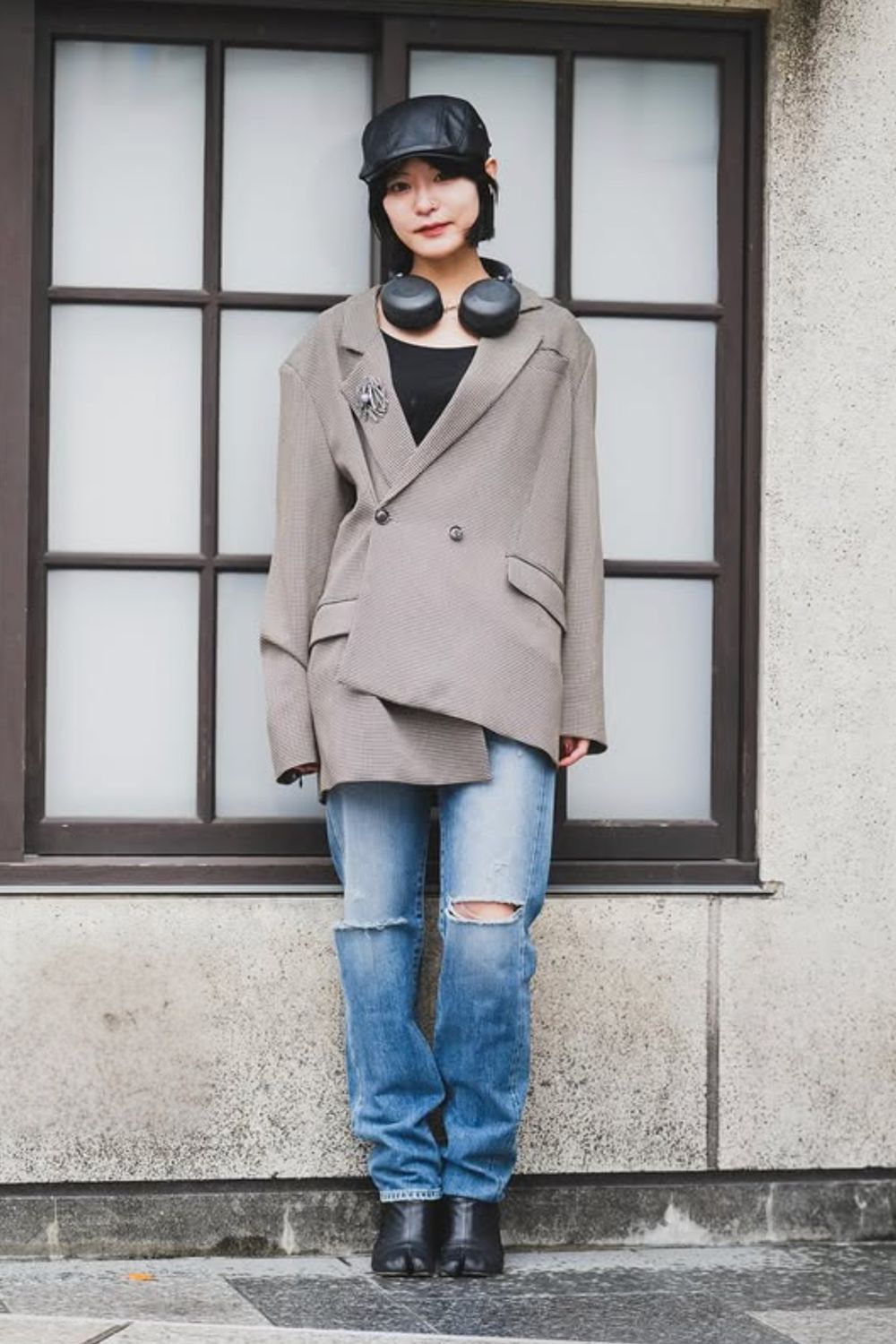
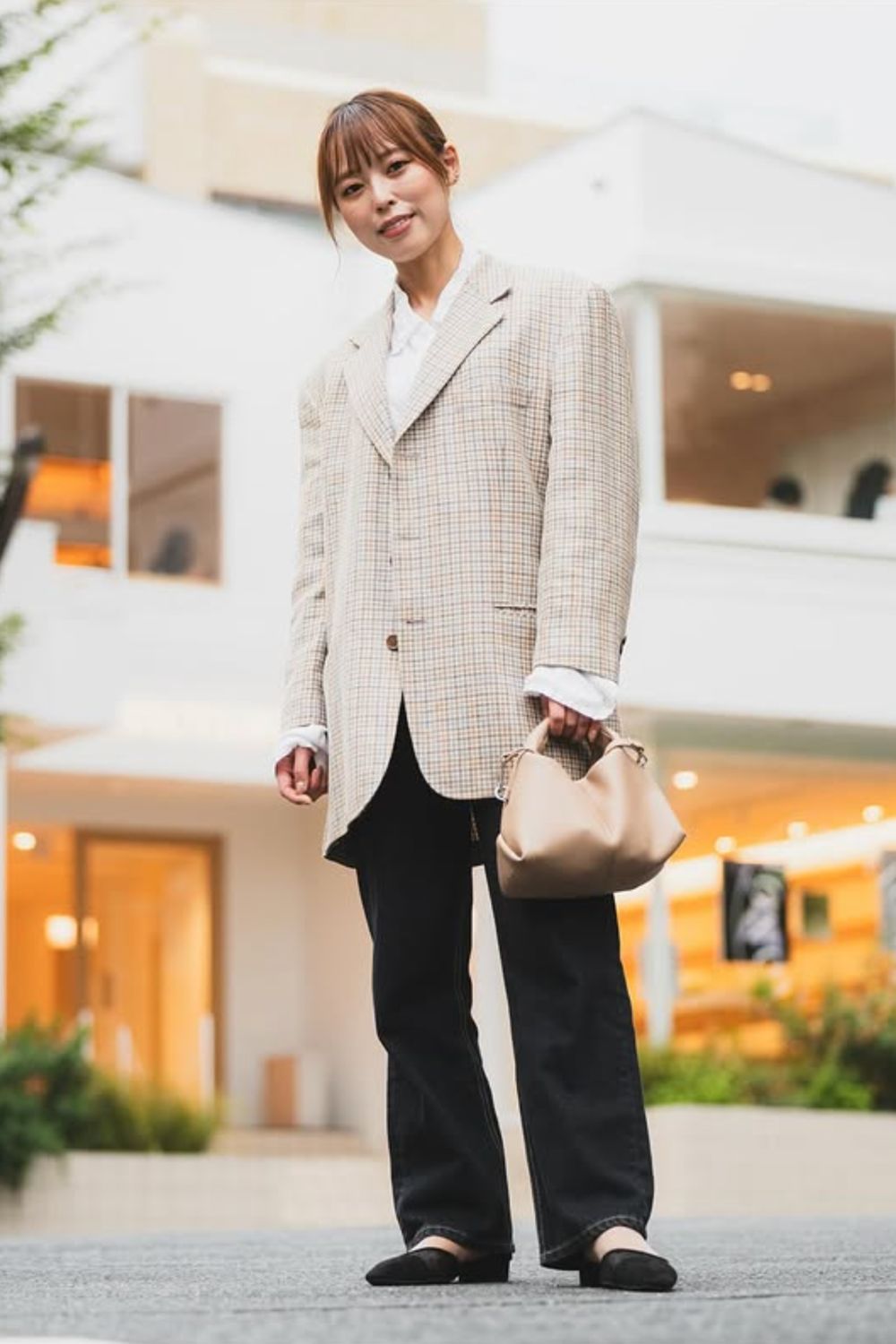
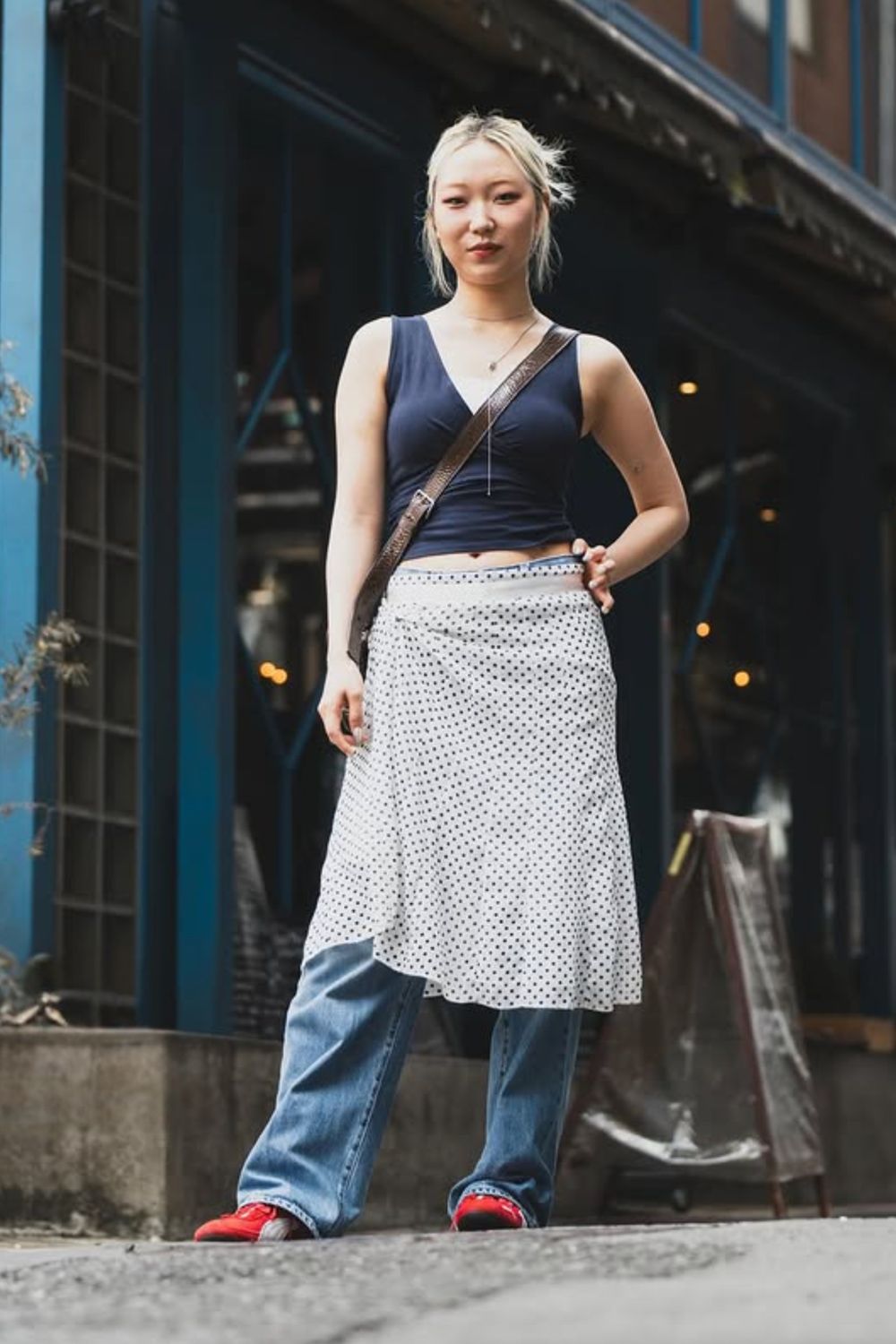
Shimokitazawa style is all about curated nostalgia. Women who embrace this aesthetic often look like they’ve stepped out of a perfectly styled thrift store editorial. Expect high-waisted trousers, oversized blazers, pleated skirts, loafers, retro handbags, and delicate gold jewelry.
Colors are usually muted — creams, browns, dusty blues, and soft greens. Fabrics like wool, tweed, and cotton dominate.
Hair is often natural and slightly undone, giving the entire look a relaxed intellectual vibe. This style feels timeless rather than trendy.
Feminine & Soft Girl Aesthetic
On the opposite end of the spectrum, you’ll find ultra-feminine street style filled with soft pastels, ruffles, pleats, bows, and lace. Midi skirts, cardigans, Mary Jane shoes, and pearl accessories are common. Makeup is fresh and dewy, and hairstyles are often curled or braided.
This look is romantic and polished without being overly formal. It’s popular among students and young professionals who want to look put-together but still playful.
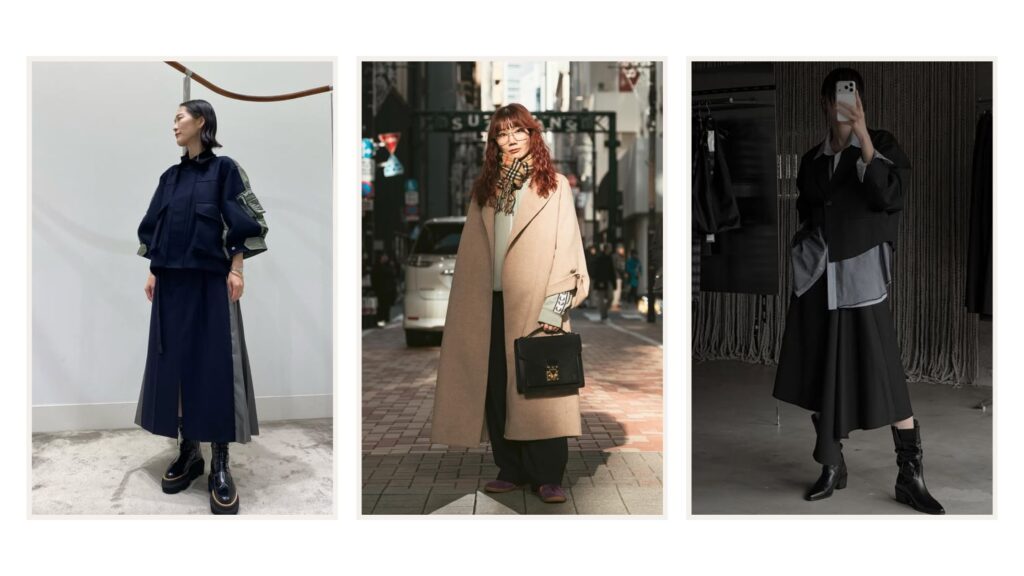
Minimalist & Monochrome
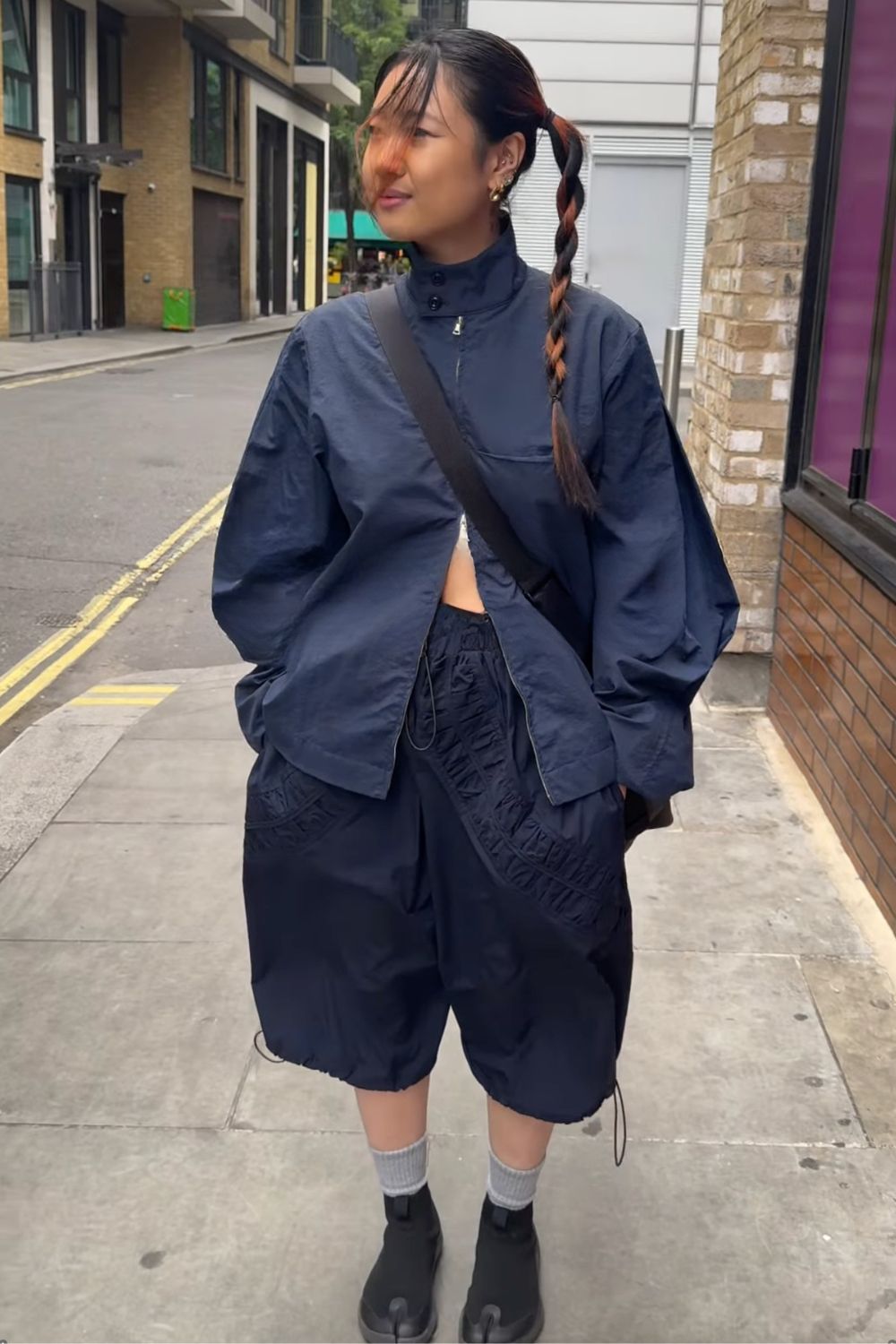
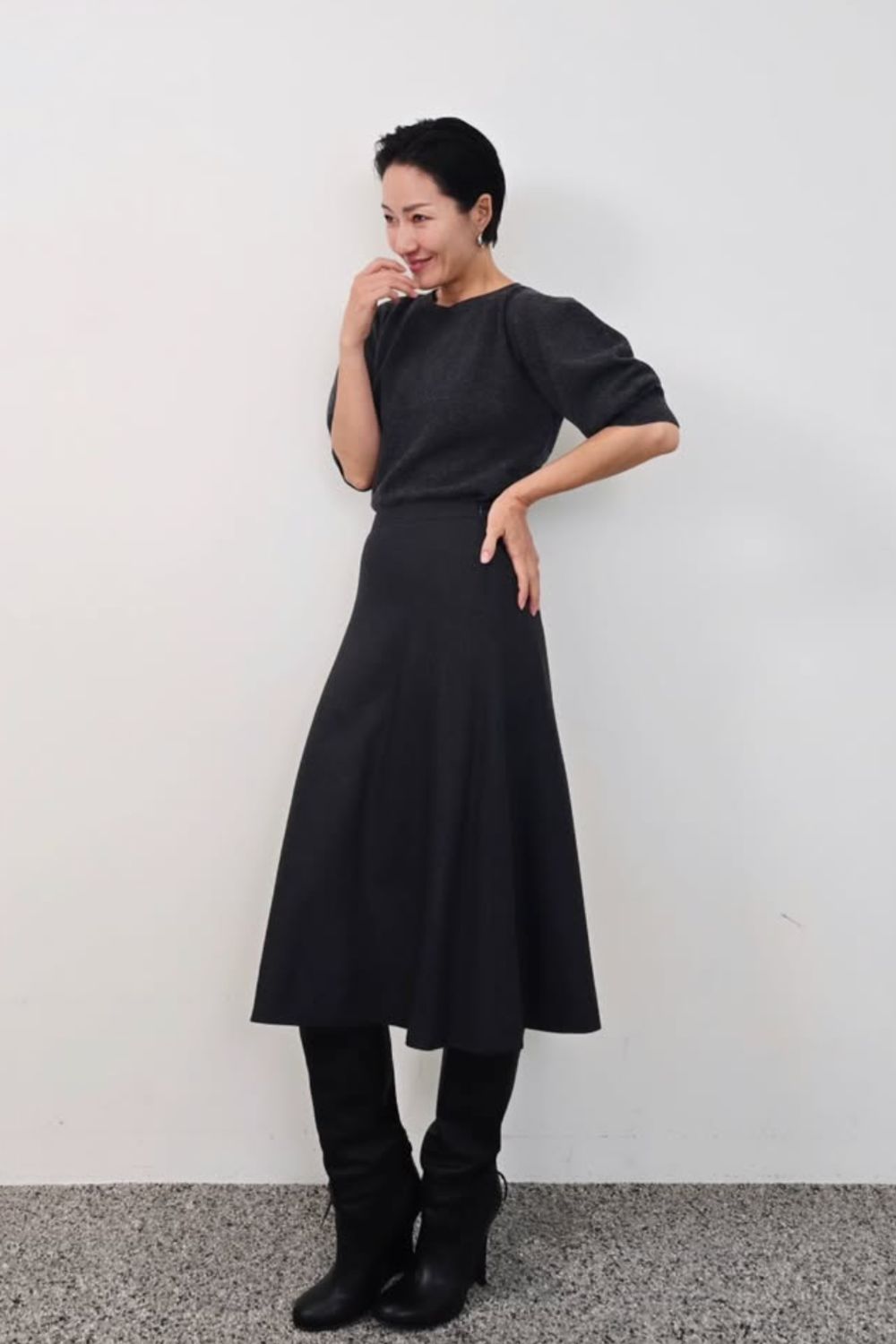
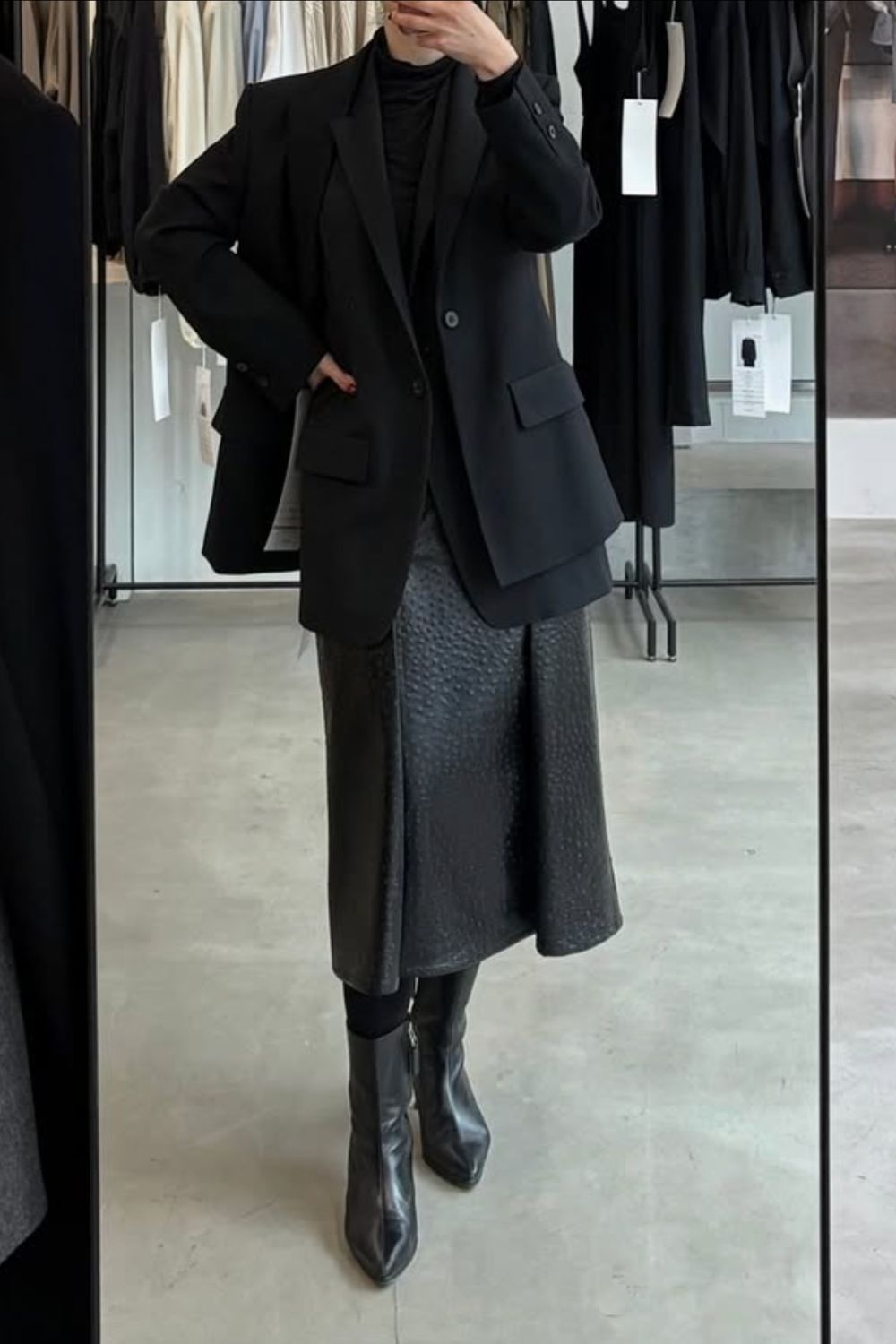
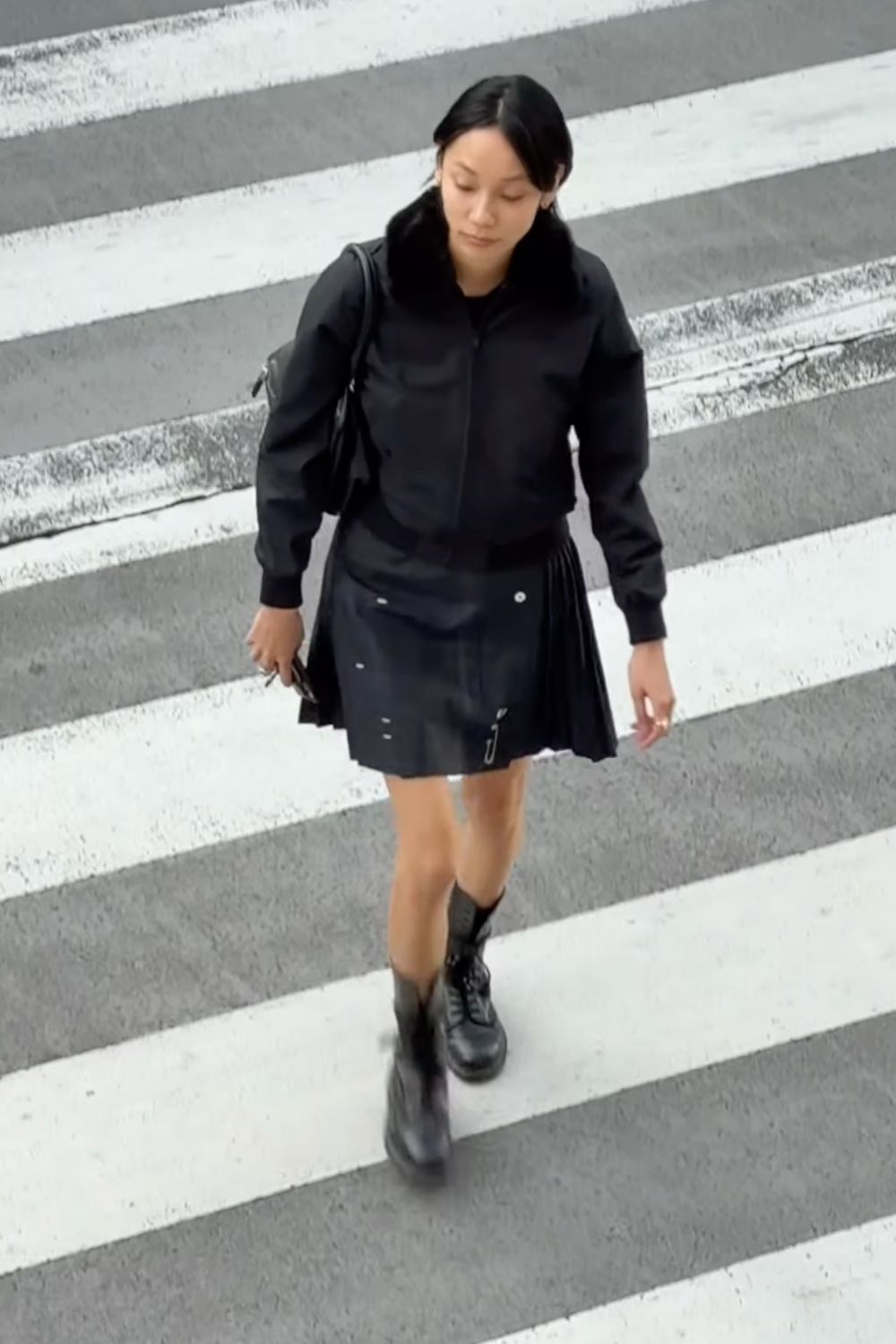
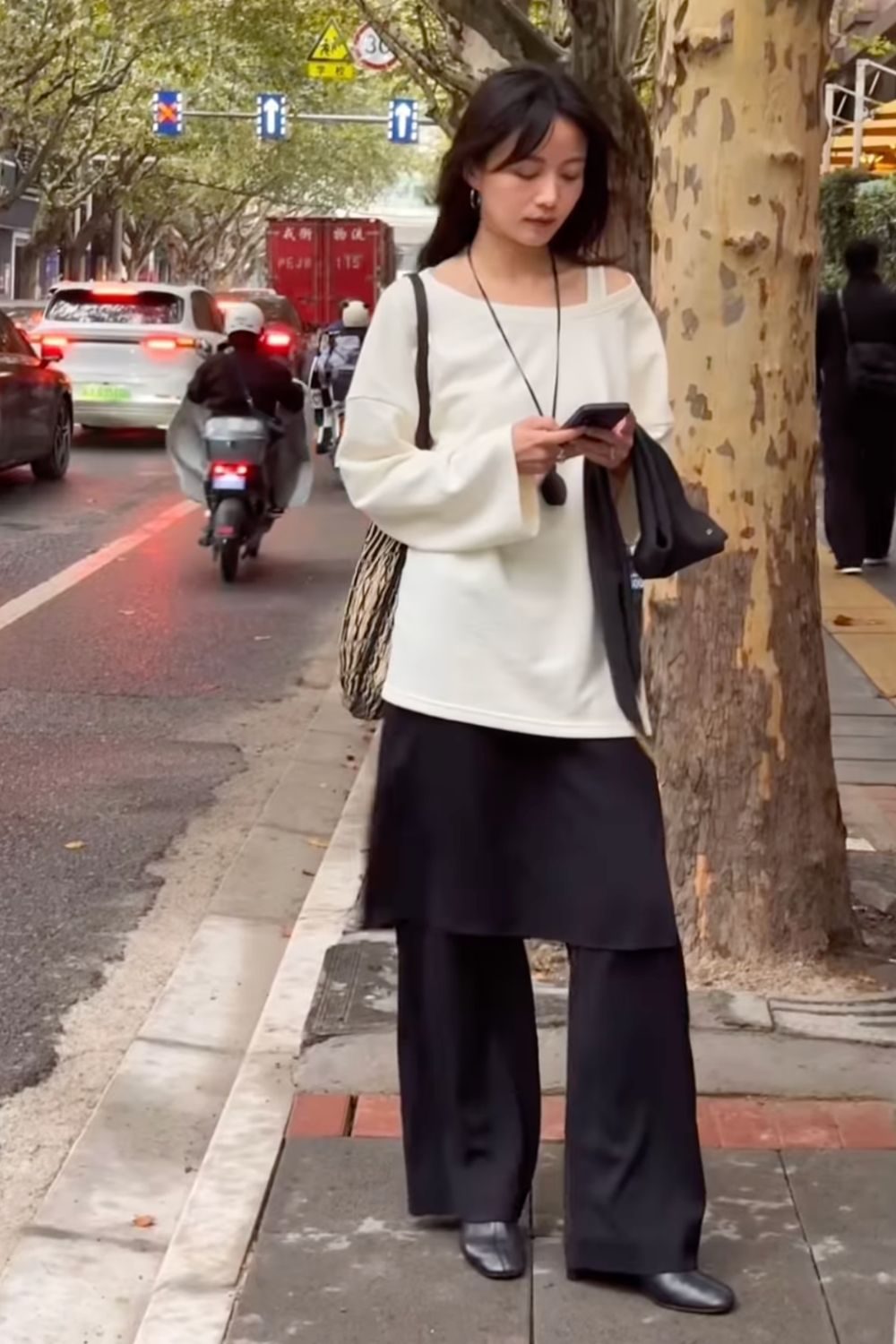
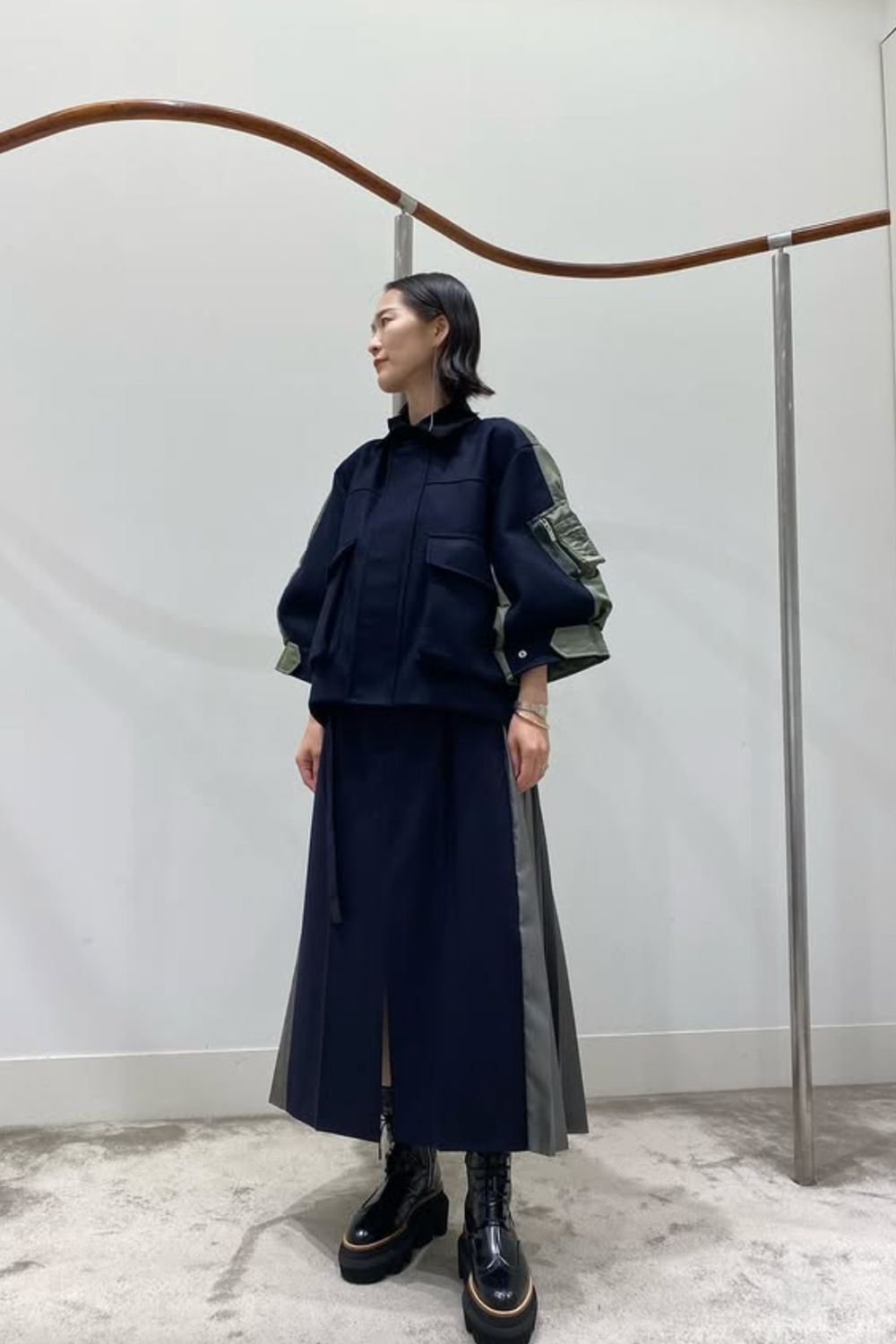
Japanese minimalism is globally admired. Women embracing this style typically wear neutral palettes — black, white, beige, gray, and navy — with clean silhouettes and tailored fits.
Wide-leg trousers, structured blazers, crisp shirts, and sleek sneakers or leather flats define the aesthetic.
The emphasis is on quality over quantity. Materials matter. A simple outfit becomes striking because of impeccable fit and fabric choice.
Regional Differences in Japanese Street Fashion
Street style shifts noticeably from city to city. Each region has its own rhythm, lifestyle, and fashion personality.
Tokyo – Experimental & Trend-Forward
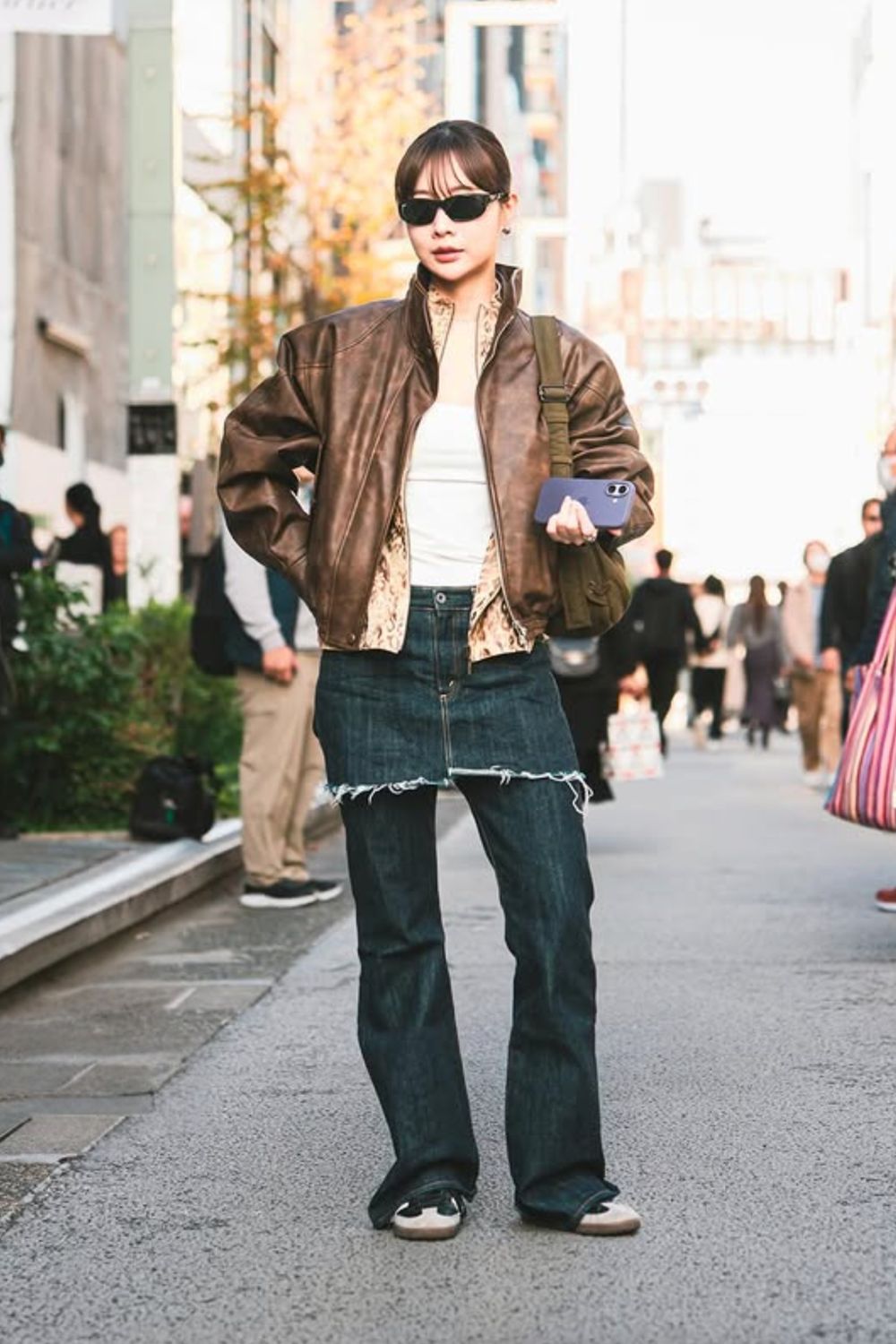
Tokyo is the epicenter of Japanese fashion innovation. Women here are often the first to adopt new silhouettes, mix genres, and experiment with bold styling.
You’ll see everything from avant-garde designer looks to playful Harajuku pastels within the same block. Tokyo street fashion is fearless and constantly evolving.
Osaka – Casual & Confident
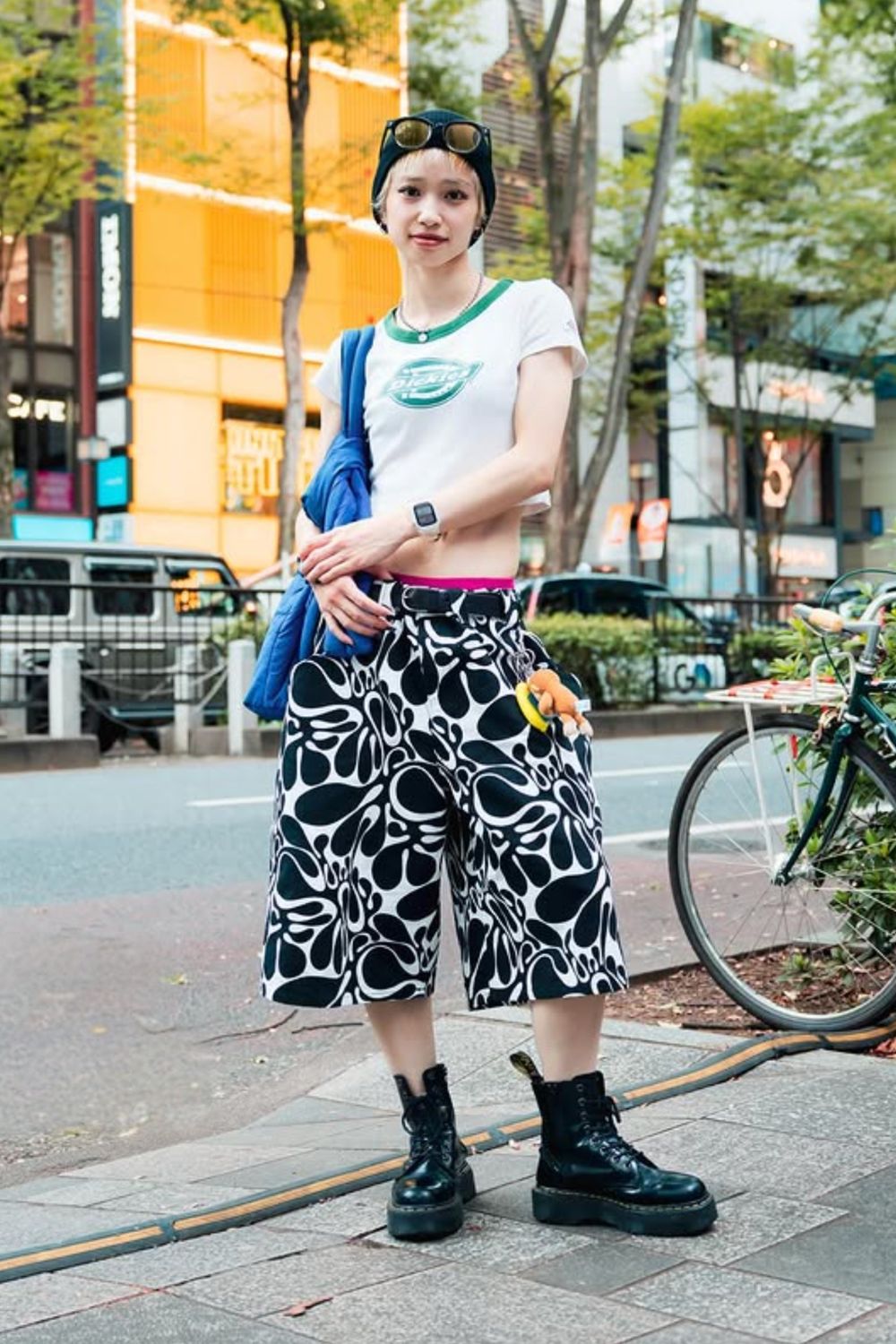
Osaka fashion tends to be more relaxed and expressive. Women often lean into casual chic — denim, statement sneakers, graphic tops, and comfortable layering.
There’s a strong sense of individuality and humor in Osaka style, and outfits frequently feel approachable yet stylish.
Kobe – Elegant & Polished
Kobe is known for refined femininity. Women often dress elegantly with tailored coats, midi skirts, heeled boots, and sophisticated handbags.
The vibe is graceful and mature, with an emphasis on subtle luxury rather than loud trends.
Fukuoka – Youthful & Effortless
Fukuoka style is breezy and wearable. Think light fabrics, oversized shirts, simple dresses, and comfortable footwear.
It’s fashion that feels effortless but still intentional, often influenced by coastal living and a slightly laid-back pace.
Key Shopping Hubs for Japanese Street Fashion
Harajuku
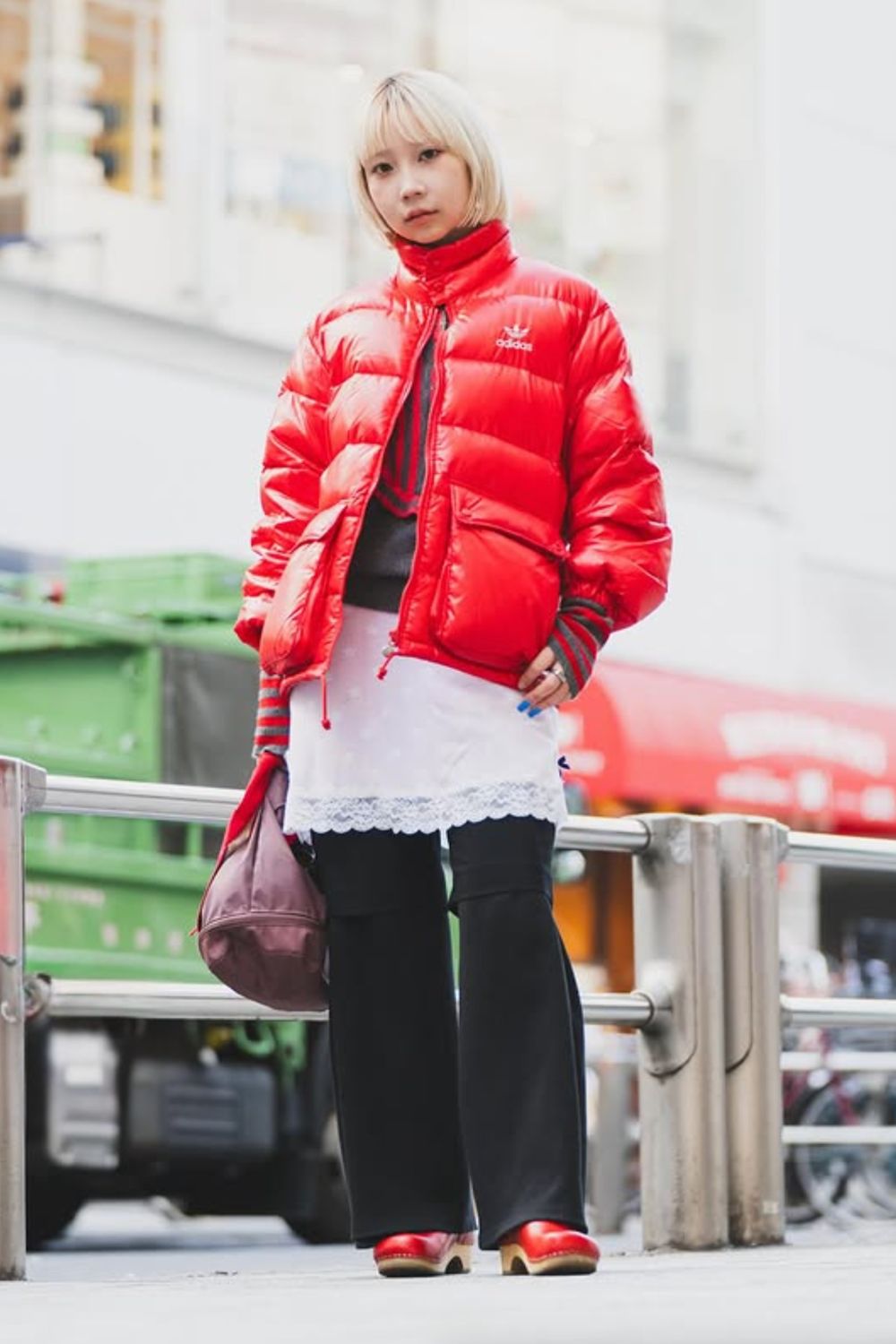
Harajuku is synonymous with creative self-expression. This is where you’ll find the most eclectic and youth-driven fashion scenes.
Boutiques, thrift stores, and indie brands line the streets, and it’s common to see experimental outfits that push boundaries.
Shibuya
Shibuya blends mainstream trends with street style. Women here often balance fashionable basics with statement pieces.
It’s a great area for trend spotting and discovering popular Japanese brands.
Ginza
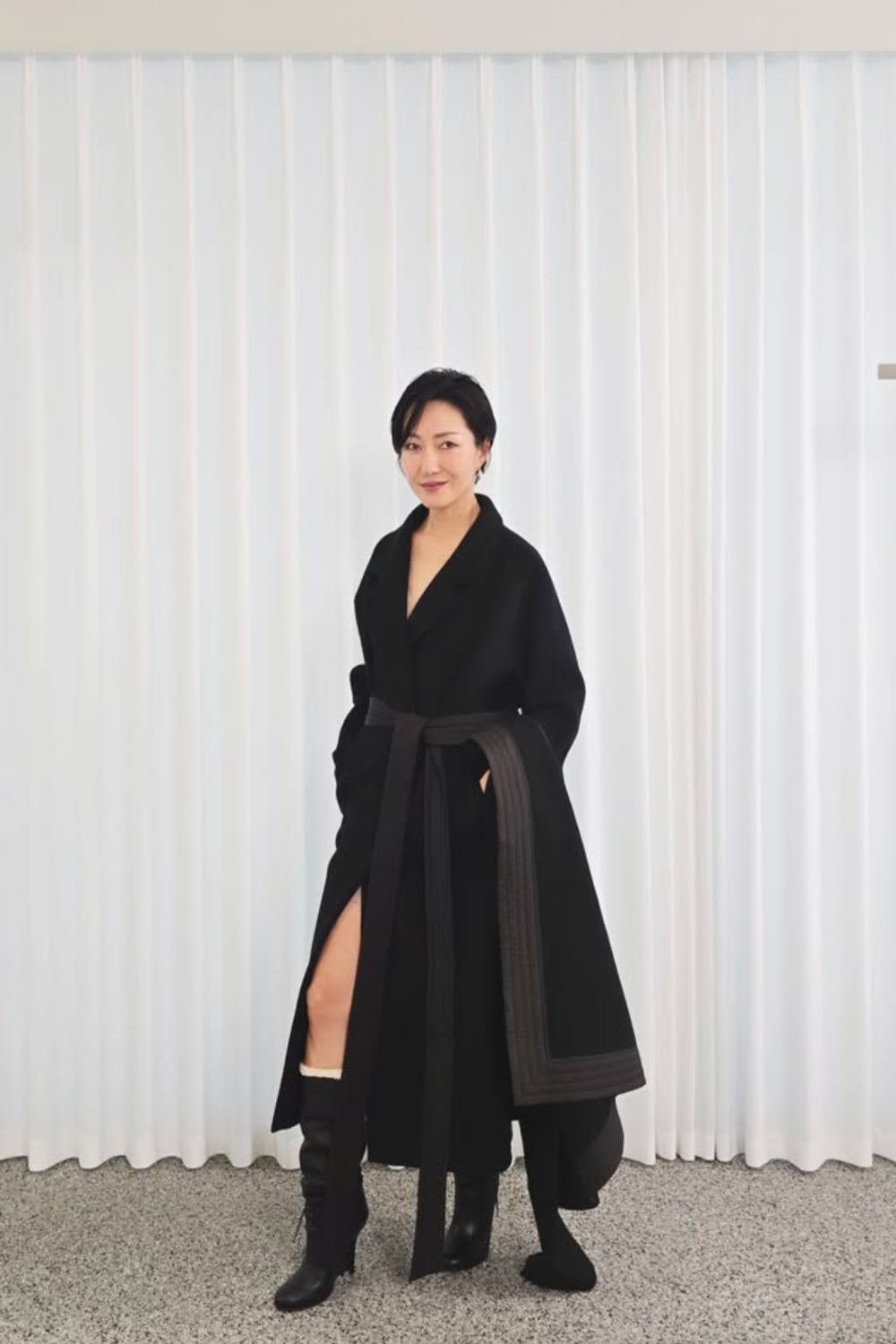
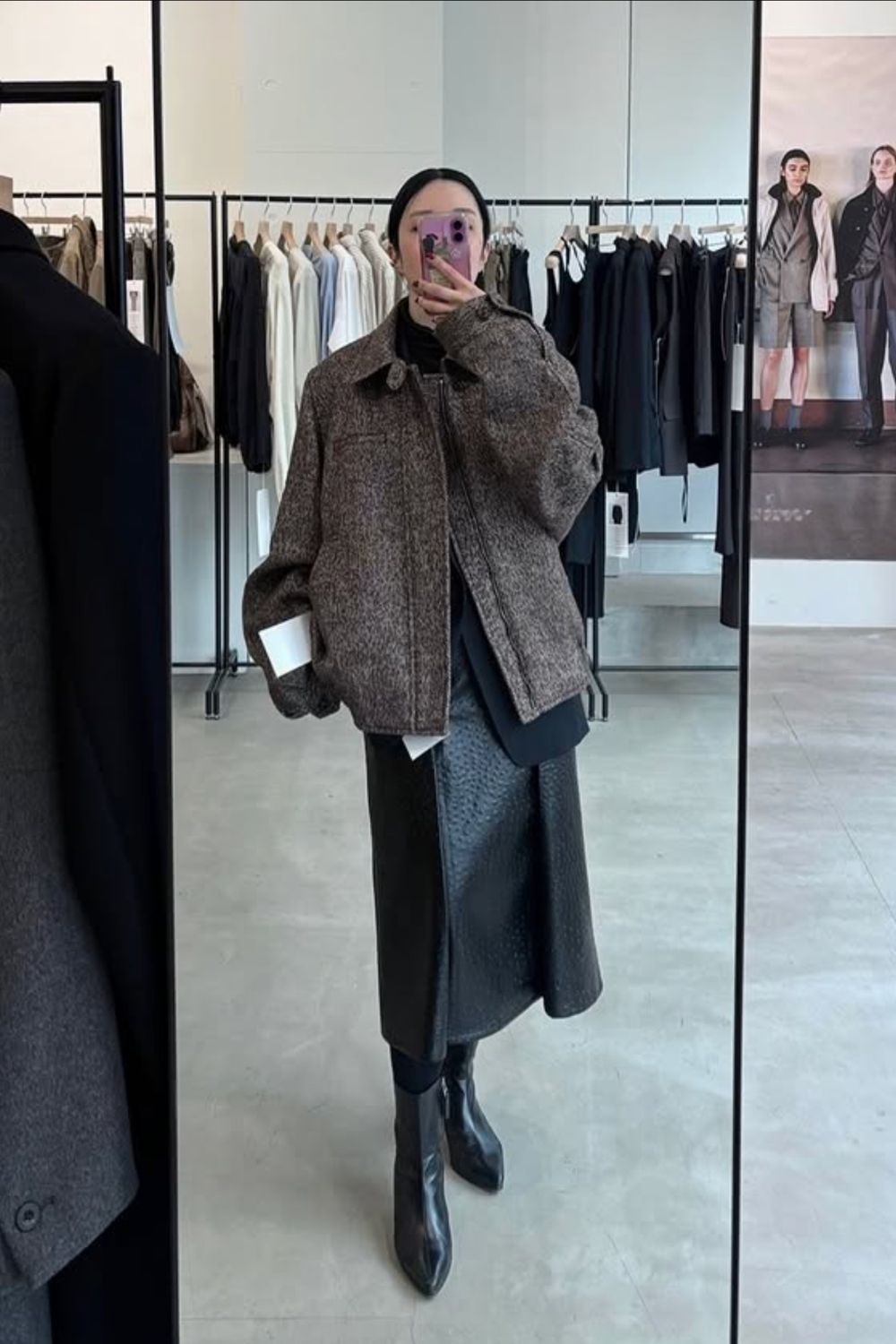
Ginza represents luxury and sophistication. Designer boutiques, department stores, and polished storefronts dominate the area. Street fashion here leans elegant, refined, and high-end.
Shimokitazawa
Shimokitazawa is the vintage lover’s paradise. Narrow streets are packed with thrift stores and indie shops selling retro clothing, leather jackets, and rare finds. The atmosphere is relaxed and artsy.
Koenji
Koenji is similar to Shimokitazawa but edgier. It’s known for alternative fashion, punk influences, and unique vintage pieces. If you love unconventional style, Koenji is a treasure trove.
Omotesando & Aoyama
These areas feel like open-air fashion magazines. Women here often wear sleek designer pieces, modern tailoring, and architectural silhouettes. The vibe is chic, minimal, and fashion-forward without being loud.
What Makes Women’s Japanese Street Fashion Unique
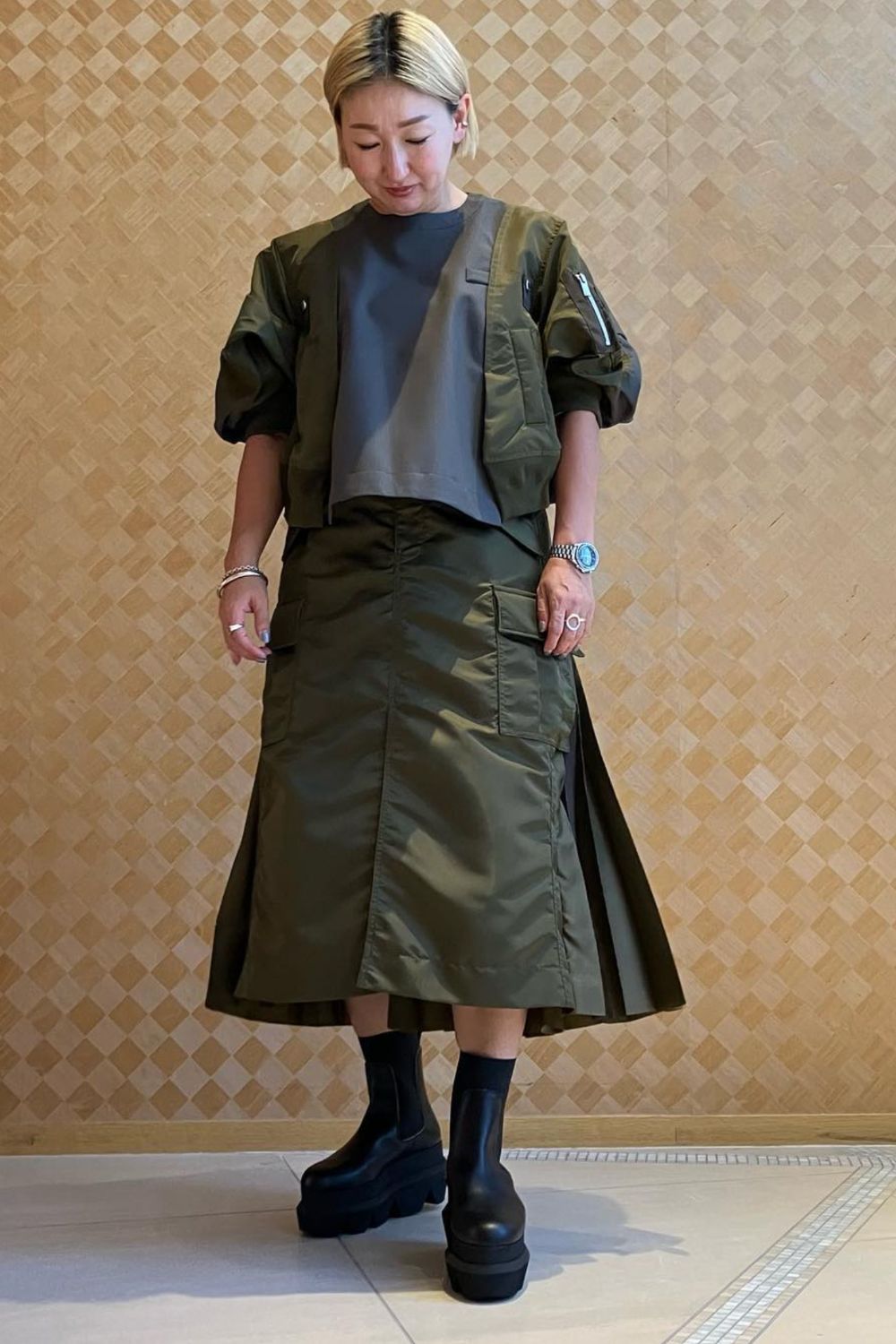
- Layering Mastery – Outfits often feature multiple layers without looking bulky.
- Attention to Accessories – Socks, hair clips, belts, and bags are chosen carefully.
- Balance of Cute and Cool – Feminine pieces are frequently paired with edgy or oversized items.
- Seasonal Sensitivity – Outfits shift dramatically with the weather.
- Confidence in Individuality – Personal style is celebrated more than strict trend-following.
Tips for Embracing Japanese Street Fashion
- Start with one statement piece — an oversized blazer, platform shoes, or a vintage skirt.
- Focus on fit and fabric rather than brand names.
- Experiment with layering different lengths and textures.
- Don’t neglect accessories; even socks can transform an outfit.
- Observe seasonal color palettes for inspiration.
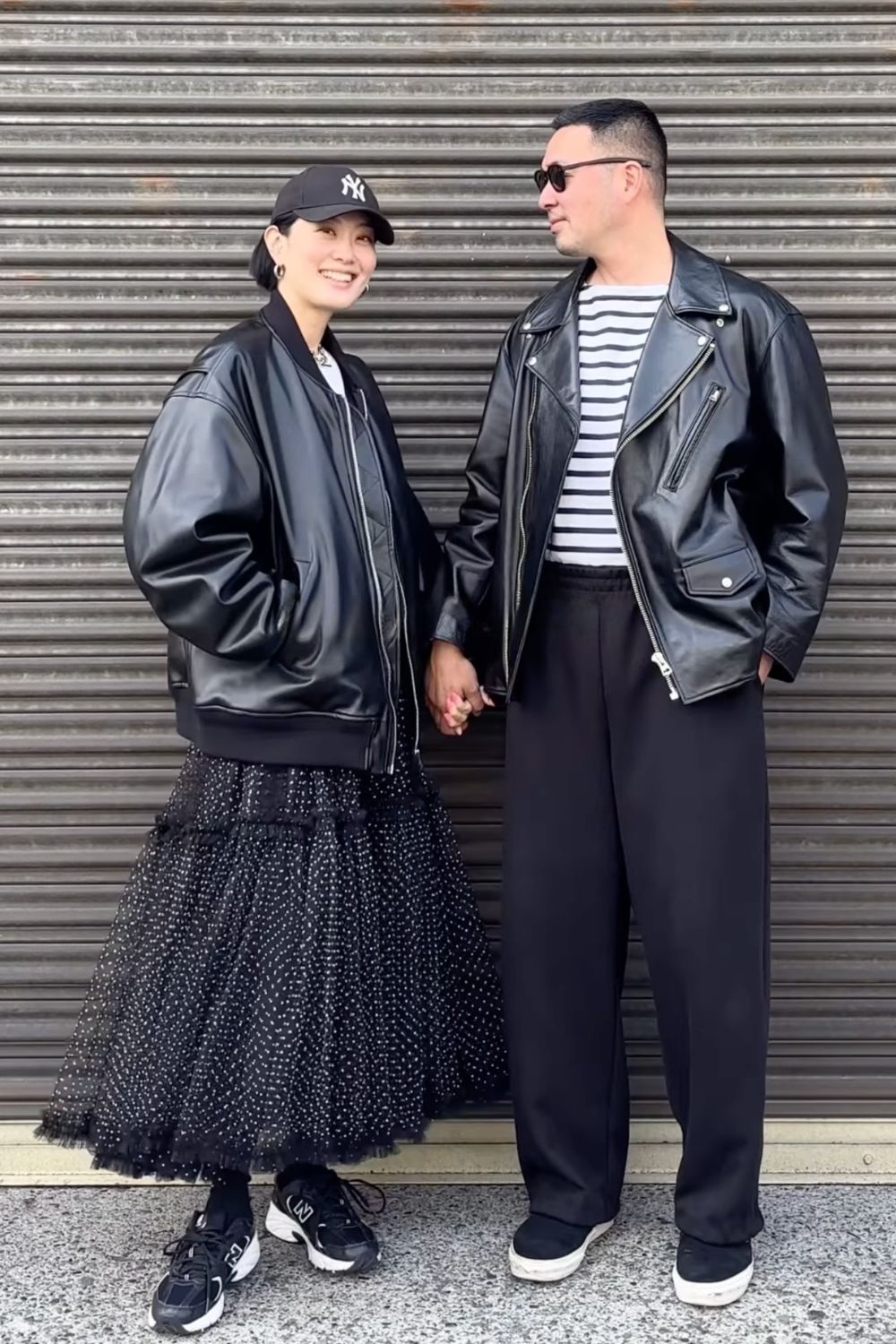
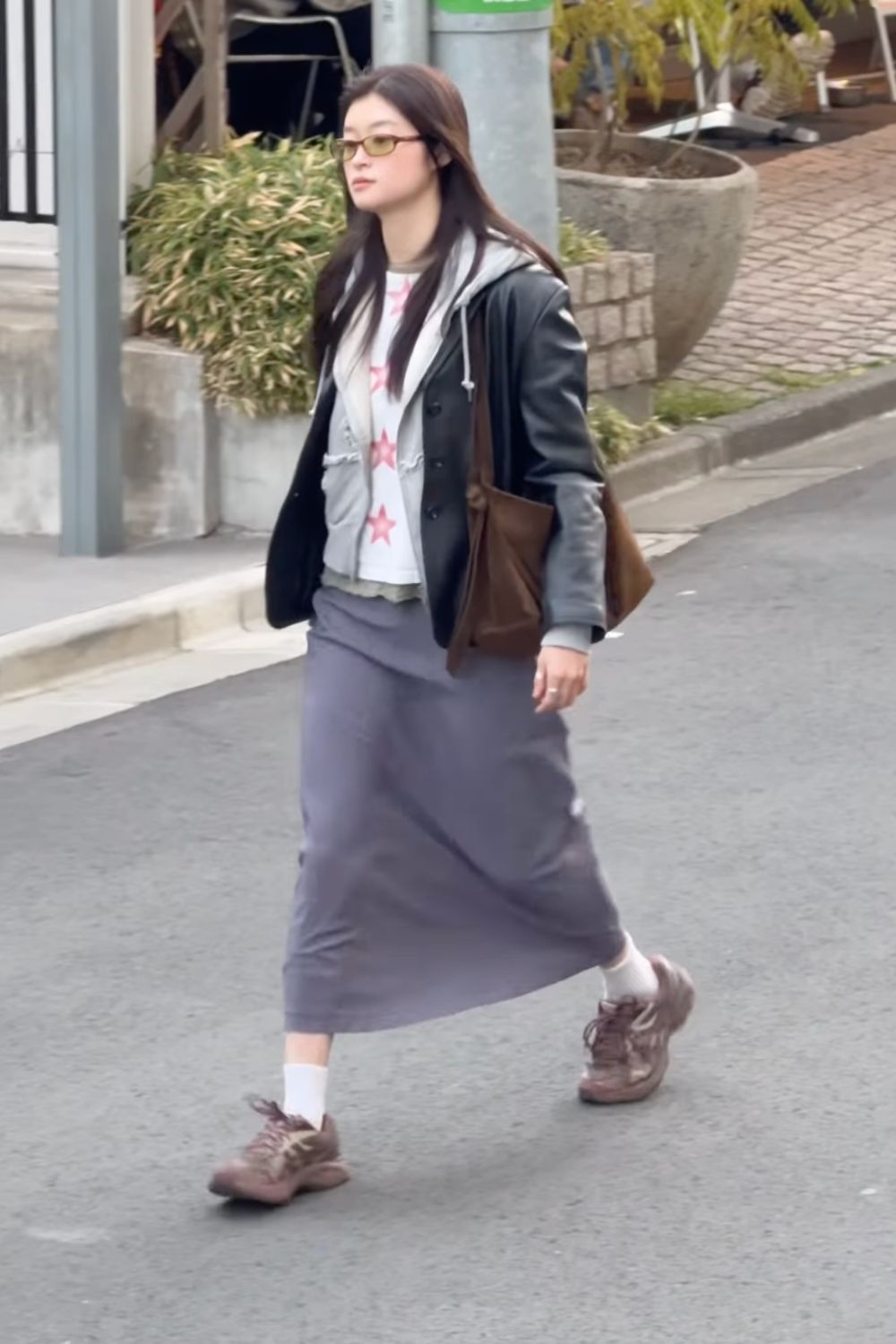
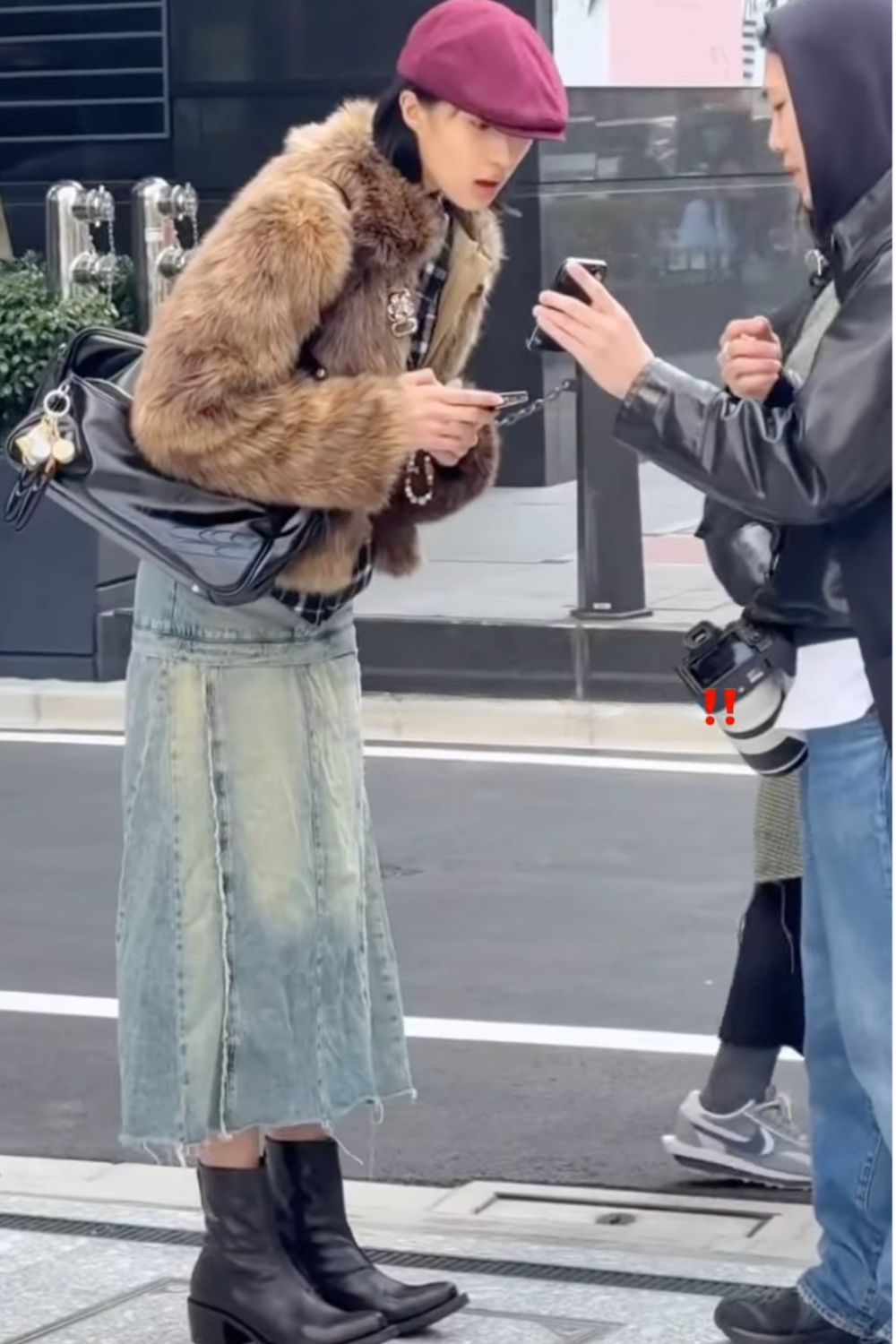
Japanese street fashion for women is less about copying a specific look and more about embracing creativity. It’s a visual dialogue between culture, personality, and artistry played out on sidewalks, train platforms, and city squares.
Whether you’re drawn to the structured elegance of Kobe, the fearless experimentation of Tokyo, or the vintage charm of Shimokitazawa, the beauty of Japanese street style lies in its diversity.
There is space for everyone — minimalist, maximalist, romantic, rebellious — and that inclusivity is what keeps the scene endlessly inspiring.