Last Updated on 8 May, 2026
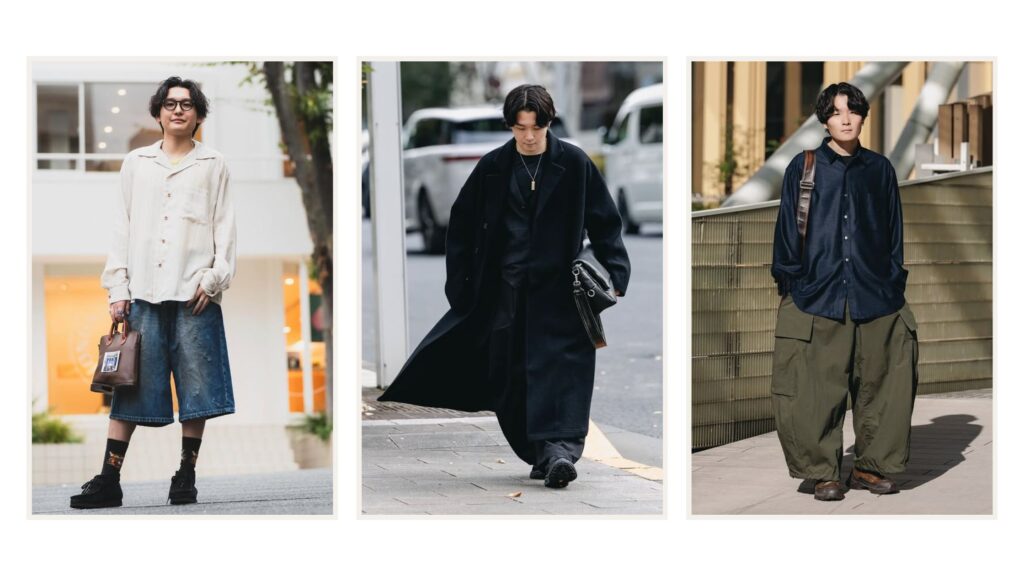
When I think about Japanese fashion, the first word that comes to mind isn’t “trendy” or even “stylish” — it’s intentional. Japanese fashion, especially menswear, feels less like fast-moving trends and more like a carefully curated philosophy.
Every seam, fabric choice, and silhouette often appears deliberate, as if the outfit has been designed to communicate a mood or a worldview rather than just fill a wardrobe.
While global fashion capitals like Paris and Milan are known for luxury and glamour, Japan has carved out a distinct identity rooted in detail, craftsmanship, and individuality.
From minimalist monochrome outfits to avant-garde street styles and meticulously tailored denim, Japanese fashion manages to balance tradition and experimentation in a way few other cultures achieve. For men in particular, fashion isn’t simply about looking polished — it’s about expressing identity, artistry, and sometimes rebellion.
This is what makes Japanese fashion so compelling: it is simultaneously understated and bold, refined and raw, modern and deeply traditional.

Attention to Detail: The Heart of Japanese Style
One of the defining traits of Japanese fashion is its obsessive attention to detail. This goes far beyond visible aesthetics. Stitch density, button placement, lining materials, and even how a garment ages are considered important.
In menswear, this attention often shows up in subtle but powerful ways — perfectly aligned stripes, hidden pockets, or the deliberate fraying of hems to create a lived-in look.
This mindset stems from a broader cultural appreciation for craftsmanship and precision. Clothing is not just manufactured; it is constructed. Many Japanese designers approach garments as functional art pieces, where quality and intention outweigh mass production.
As a result, even casual outfits can carry an air of sophistication because the pieces are thoughtfully made rather than simply assembled.
Materials and Fabric Philosophy
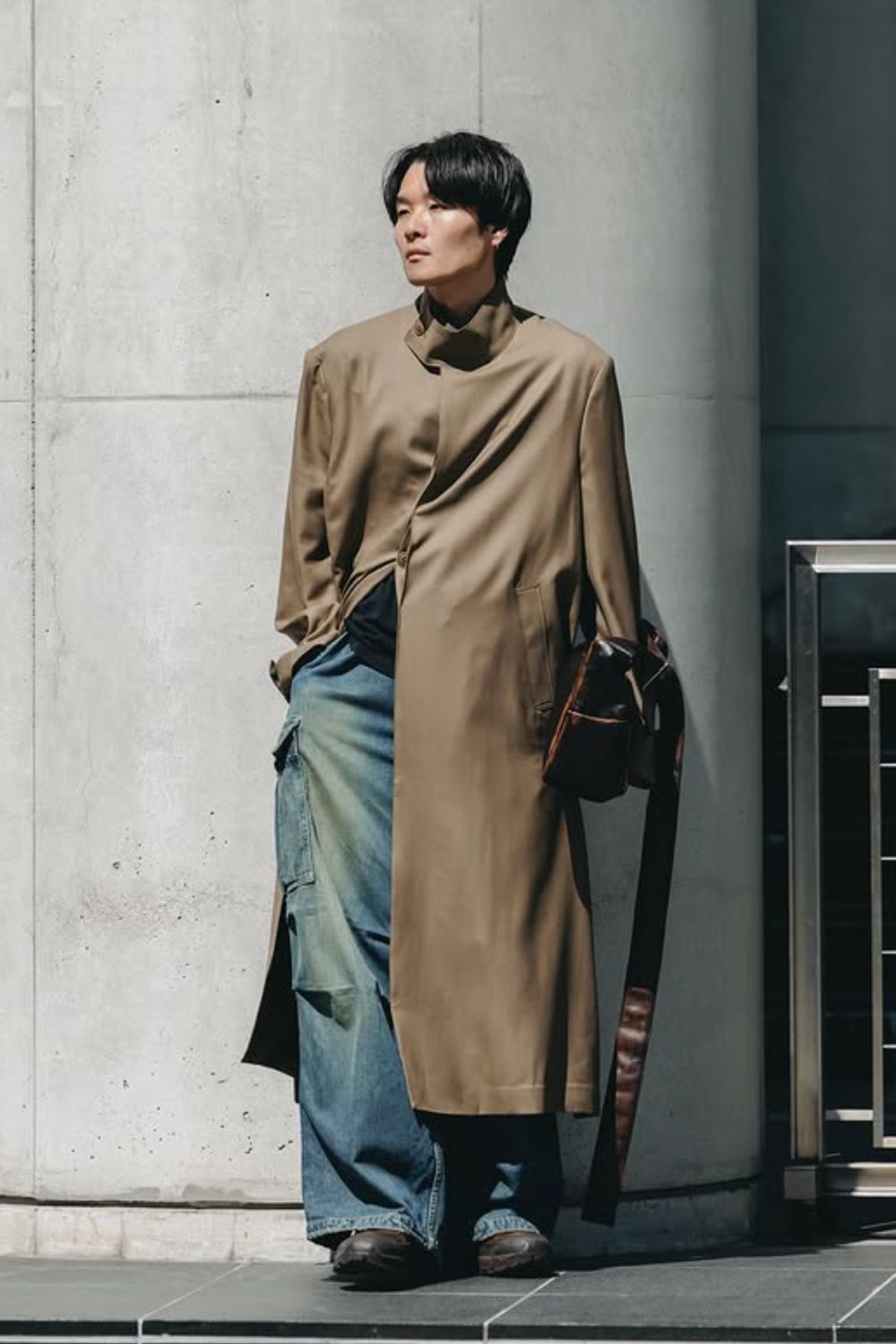
Japanese fashion places enormous value on textiles. Fabrics are not merely backdrops for design — they are often the starting point. You’ll frequently find garments made from high-quality cotton, raw denim, wool blends, linen, and technical synthetics that are engineered for durability or weather resistance.
Menswear in Japan is particularly known for experimenting with texture. A single outfit might combine coarse canvas, soft knitwear, and crisp cotton in a harmonious way.
There is also a strong appreciation for how materials evolve over time. Fading, creasing, and softening are not flaws; they are celebrated as part of the garment’s journey with its wearer.
This philosophy makes Japanese clothing feel personal. Pieces aren’t disposable — they’re meant to age alongside you.
Cuts and Silhouettes: Structure Meets Flow
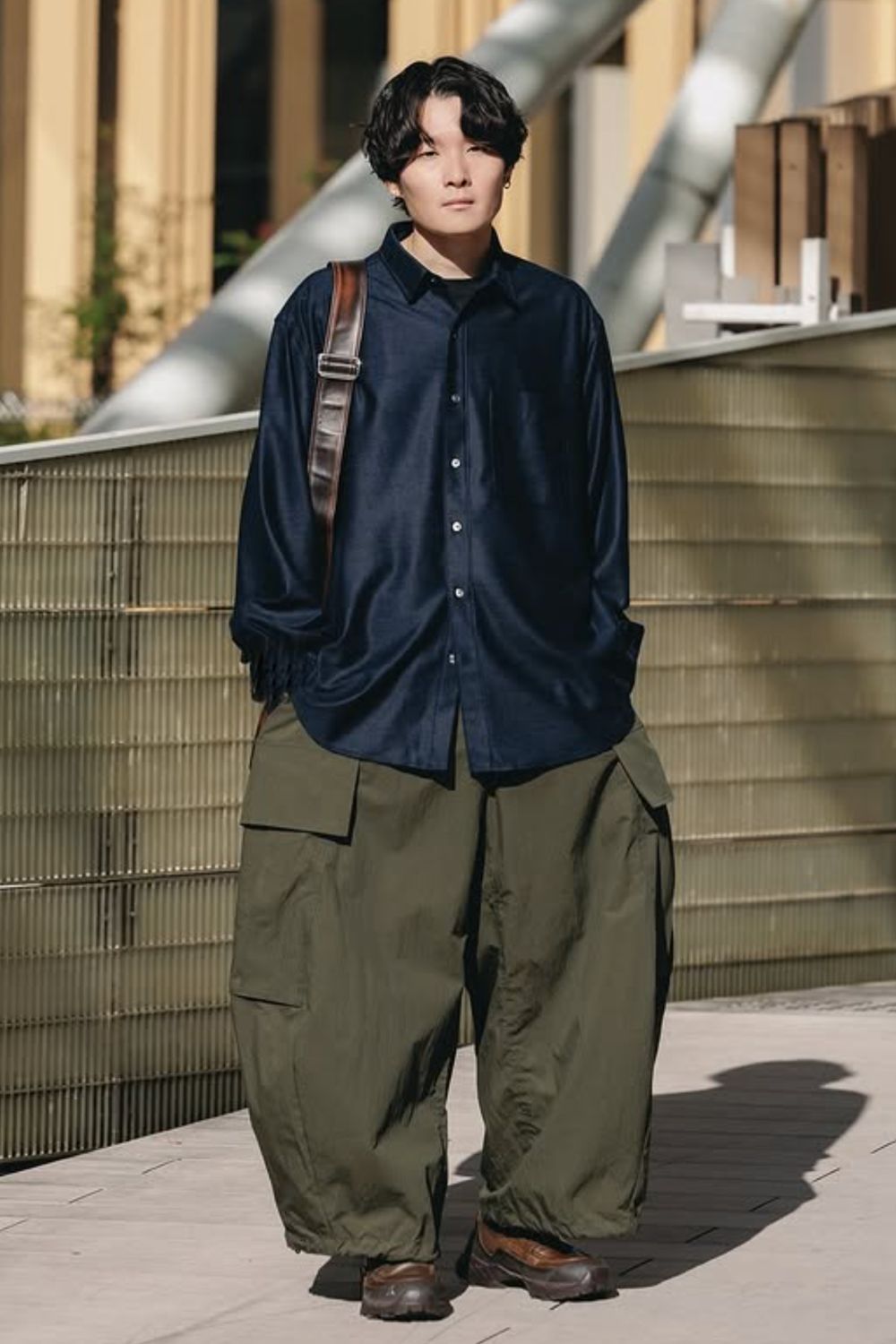
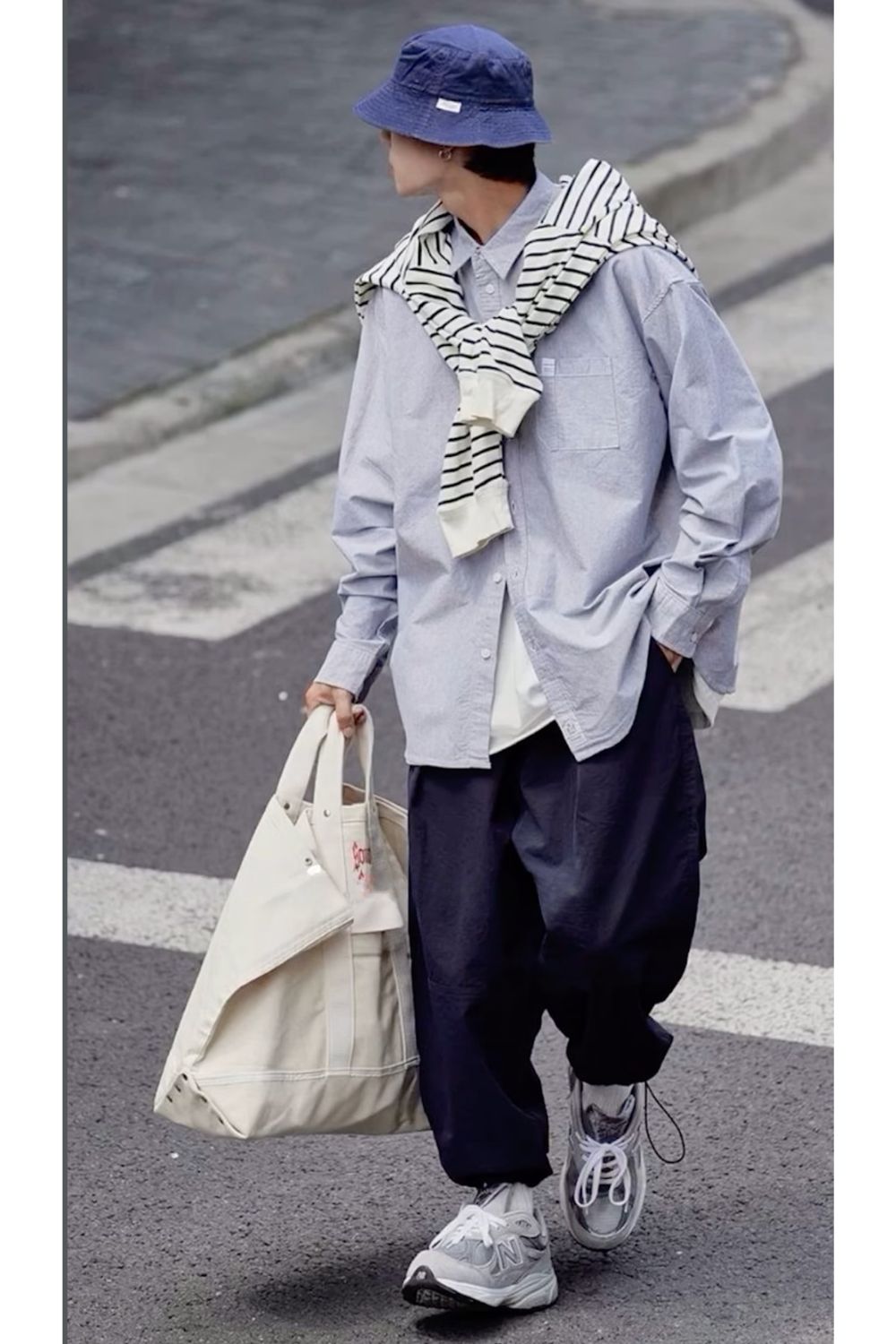
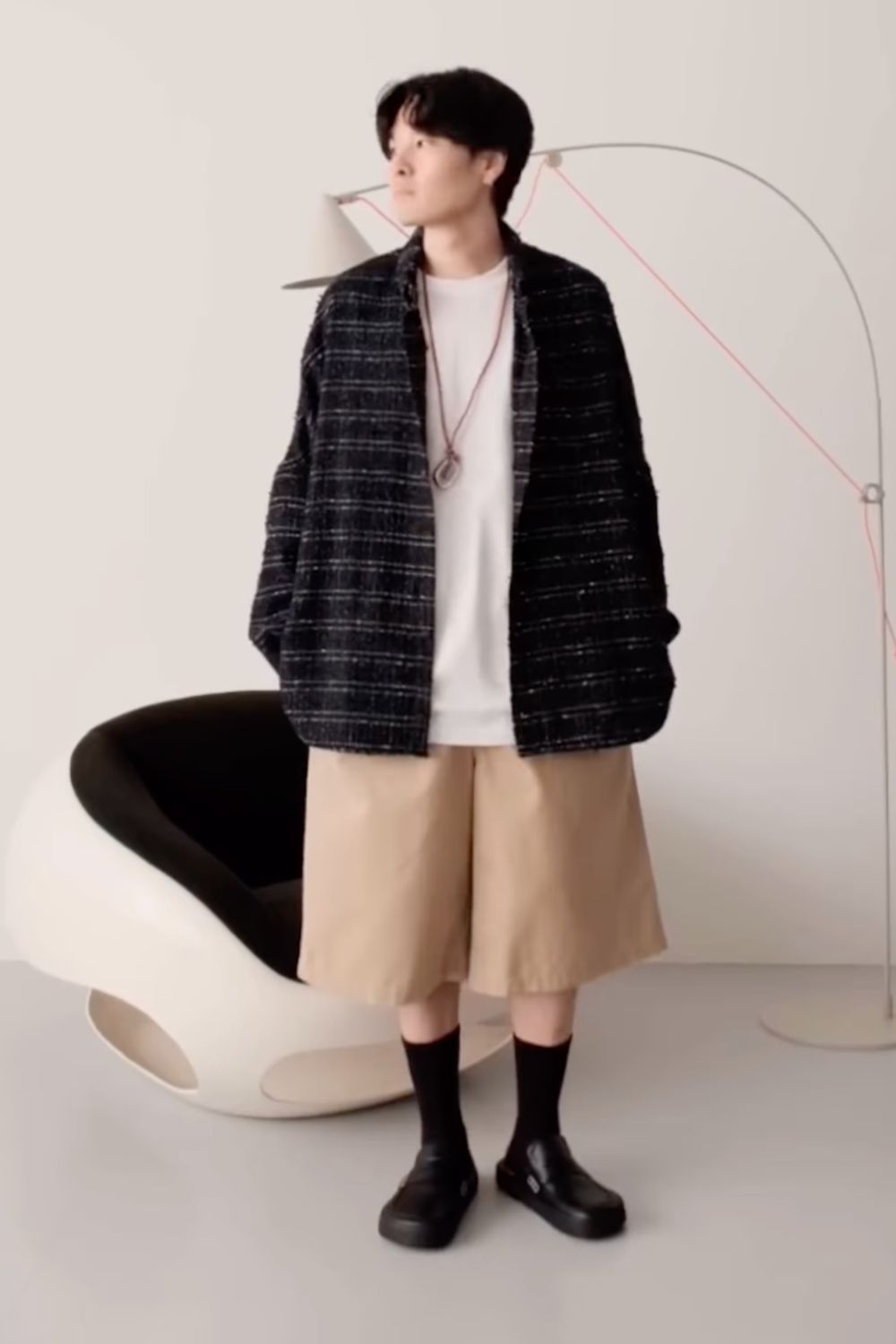
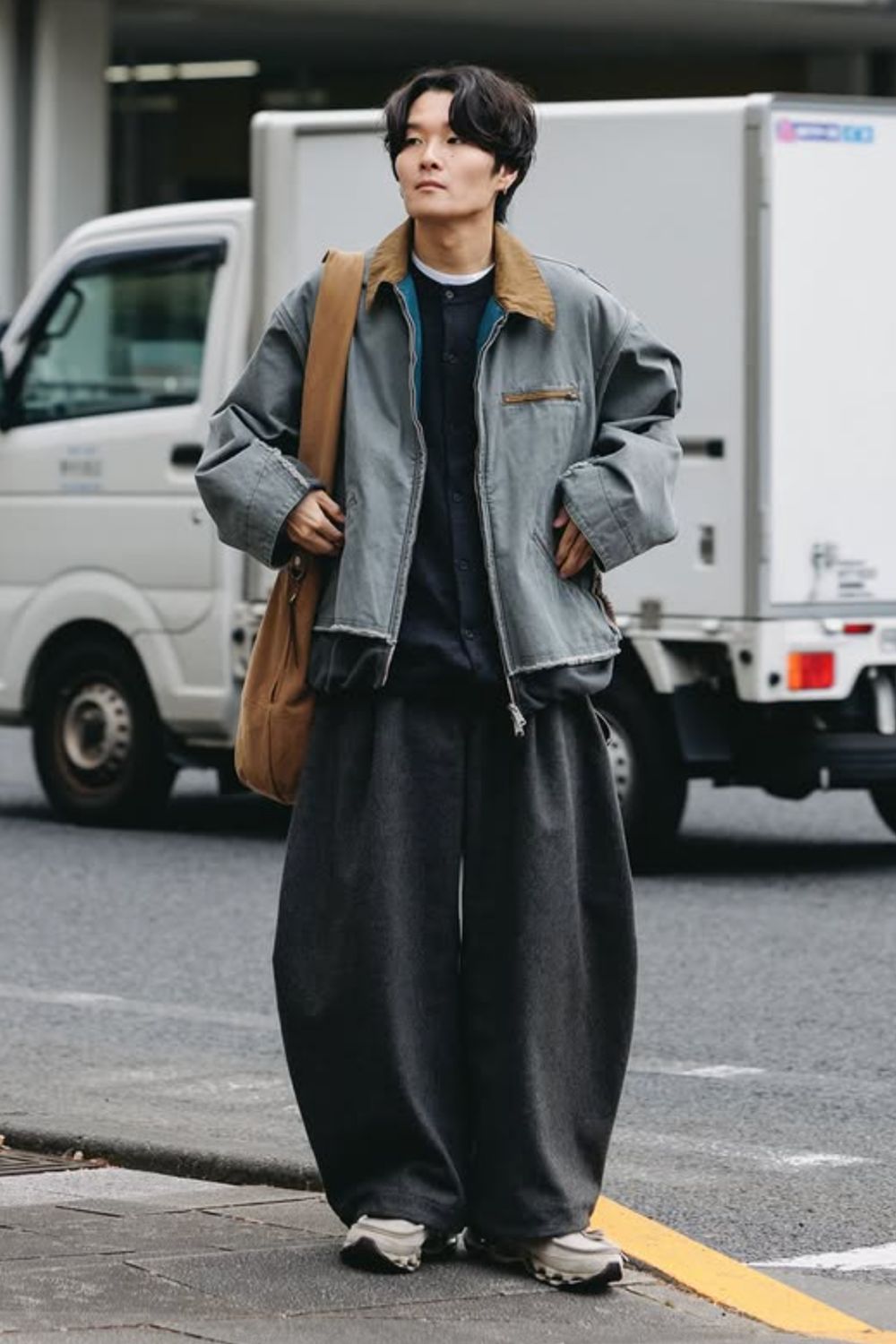
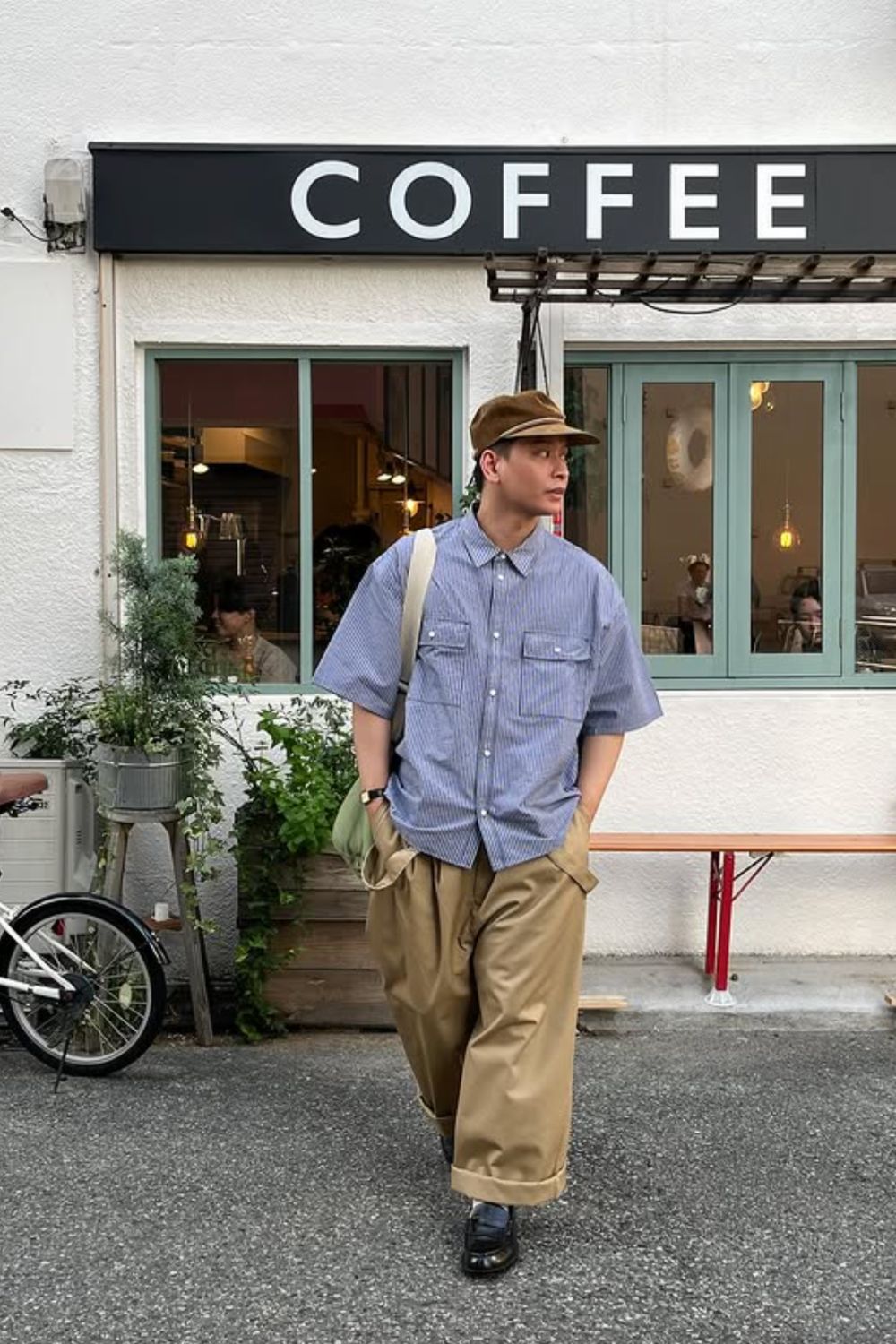
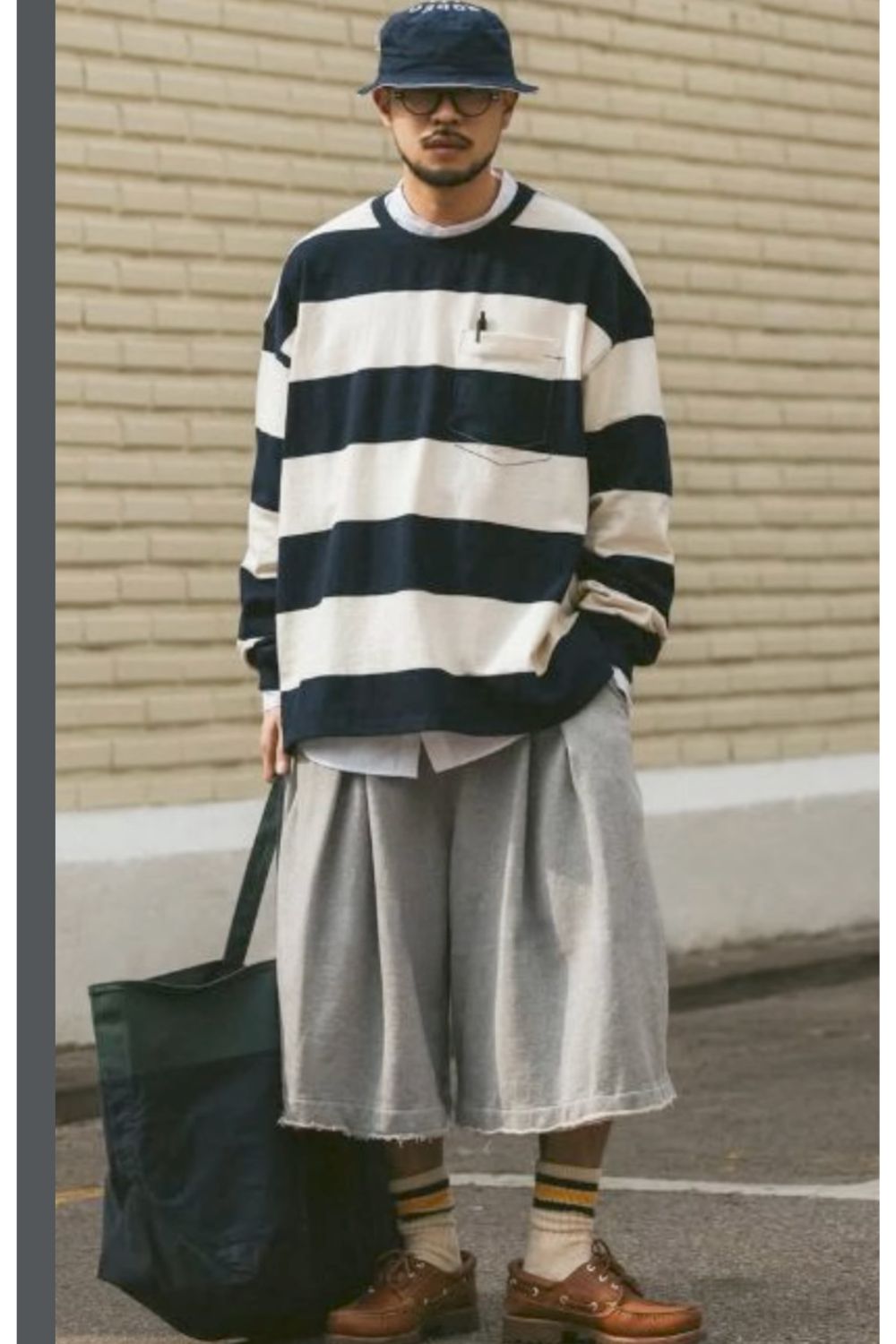
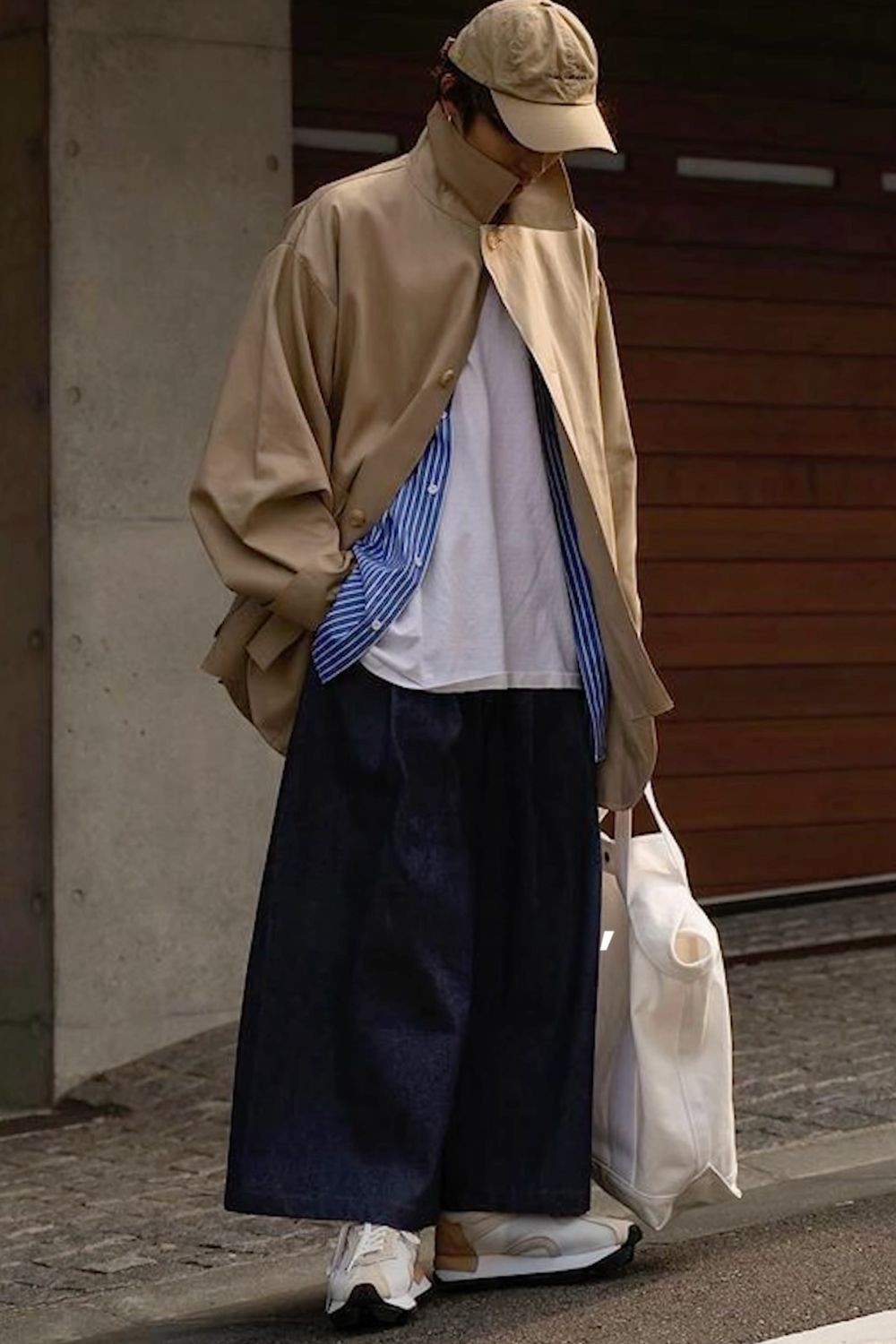
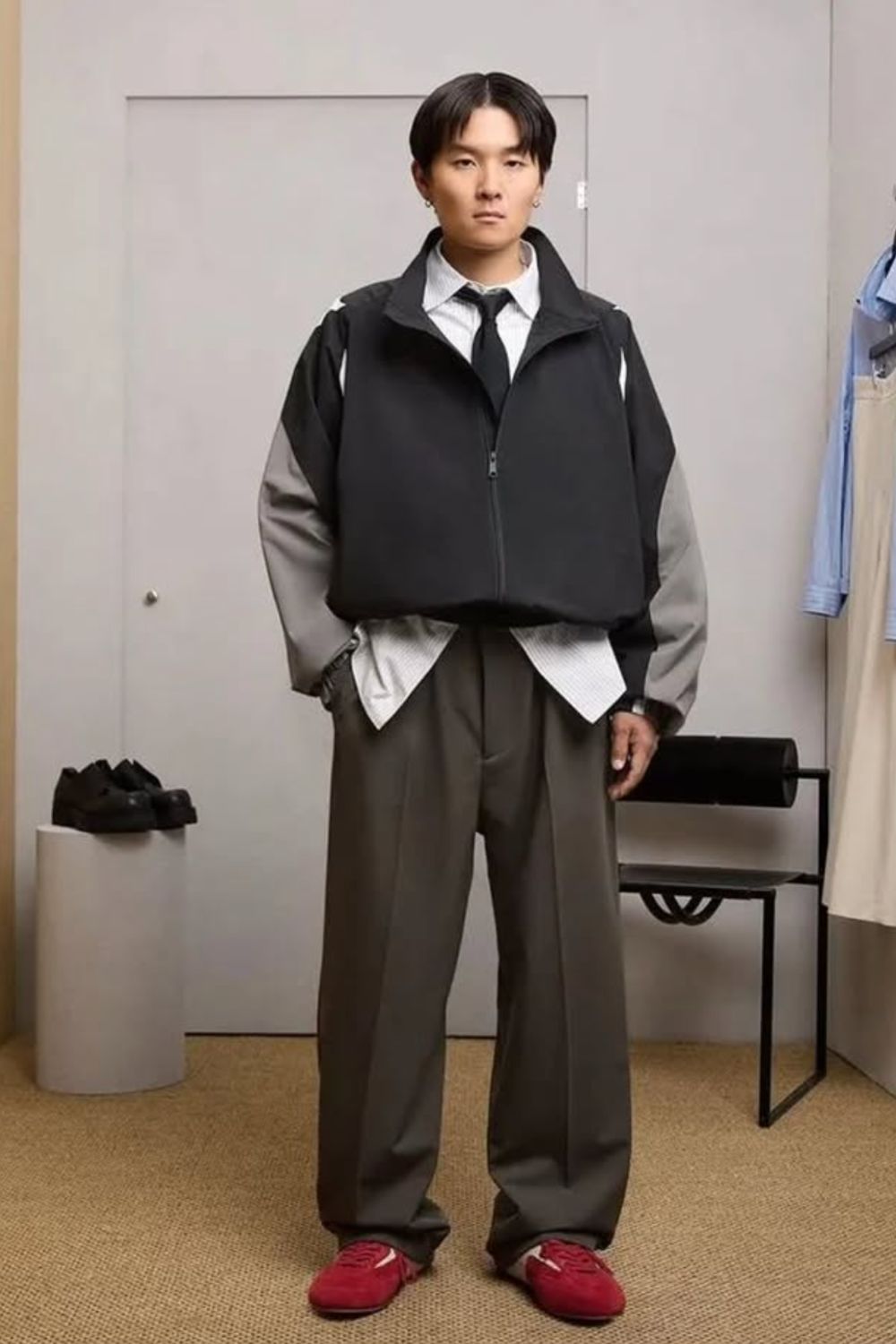
Silhouettes in Japanese fashion often challenge Western conventions. While tailored fits exist, there is also a strong presence of oversized, boxy, or asymmetrical cuts. Men’s fashion especially embraces unconventional shapes that prioritize movement and comfort while still appearing refined.
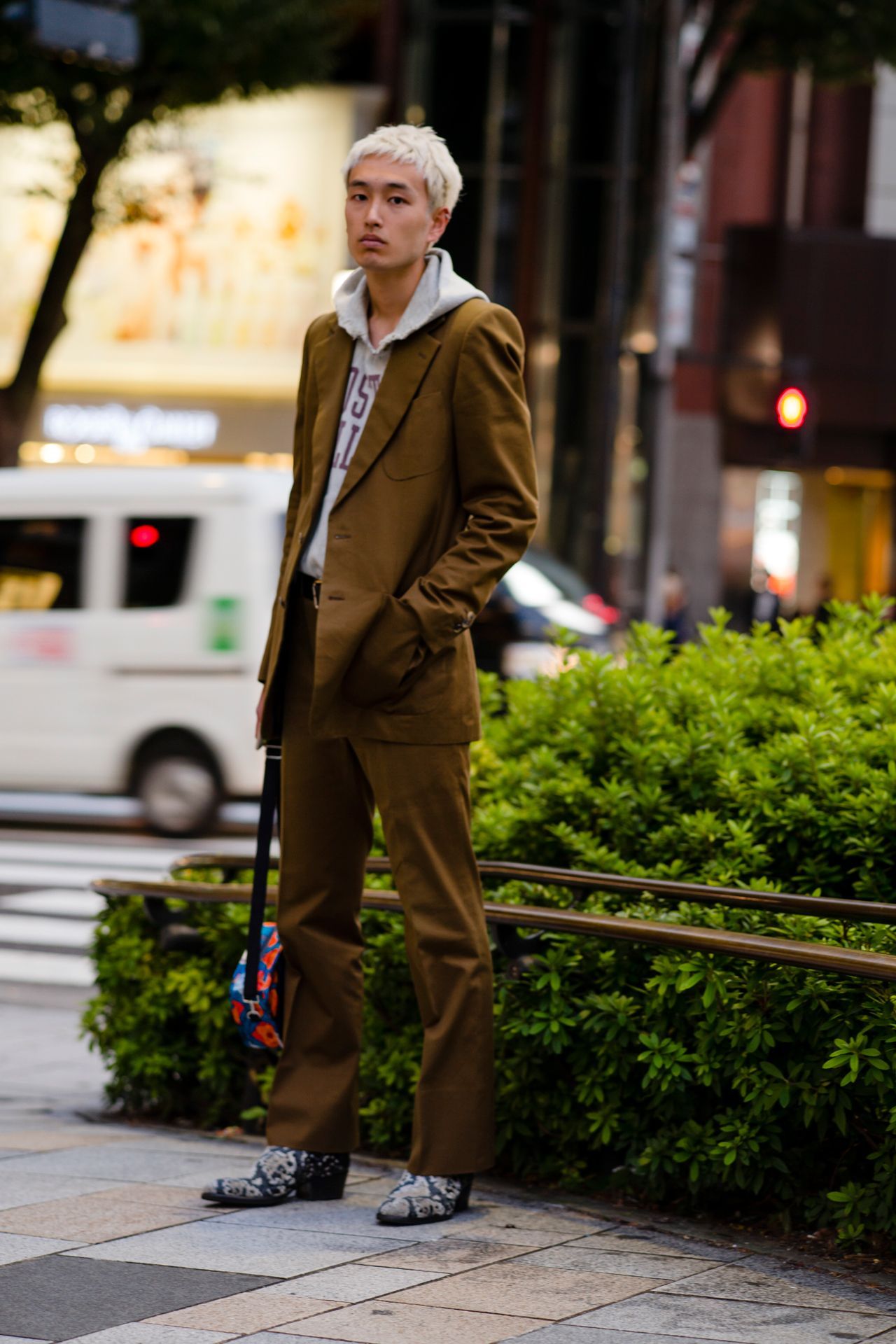
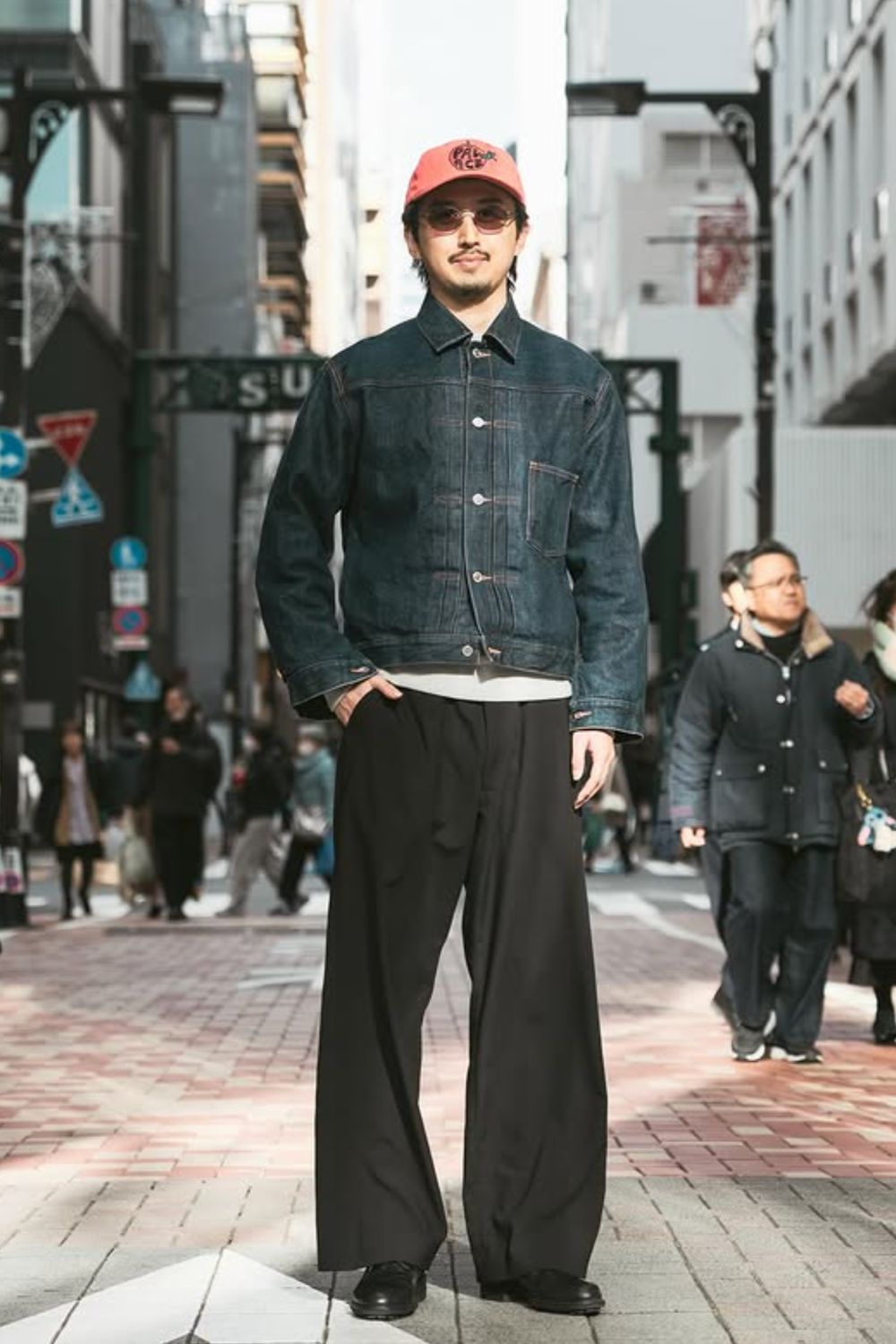
You’ll see wide-leg trousers paired with cropped jackets, longline coats layered over loose shirts, or sharply tailored blazers worn with relaxed denim. The emphasis is not strictly on fitting the body but rather framing it artistically. Proportion becomes a creative tool instead of a rulebook.
This fluidity allows Japanese menswear to feel both structured and effortless at the same time — a rare balance that gives outfits depth and dimension.
The Popularity of Denim: A Cultural Staple
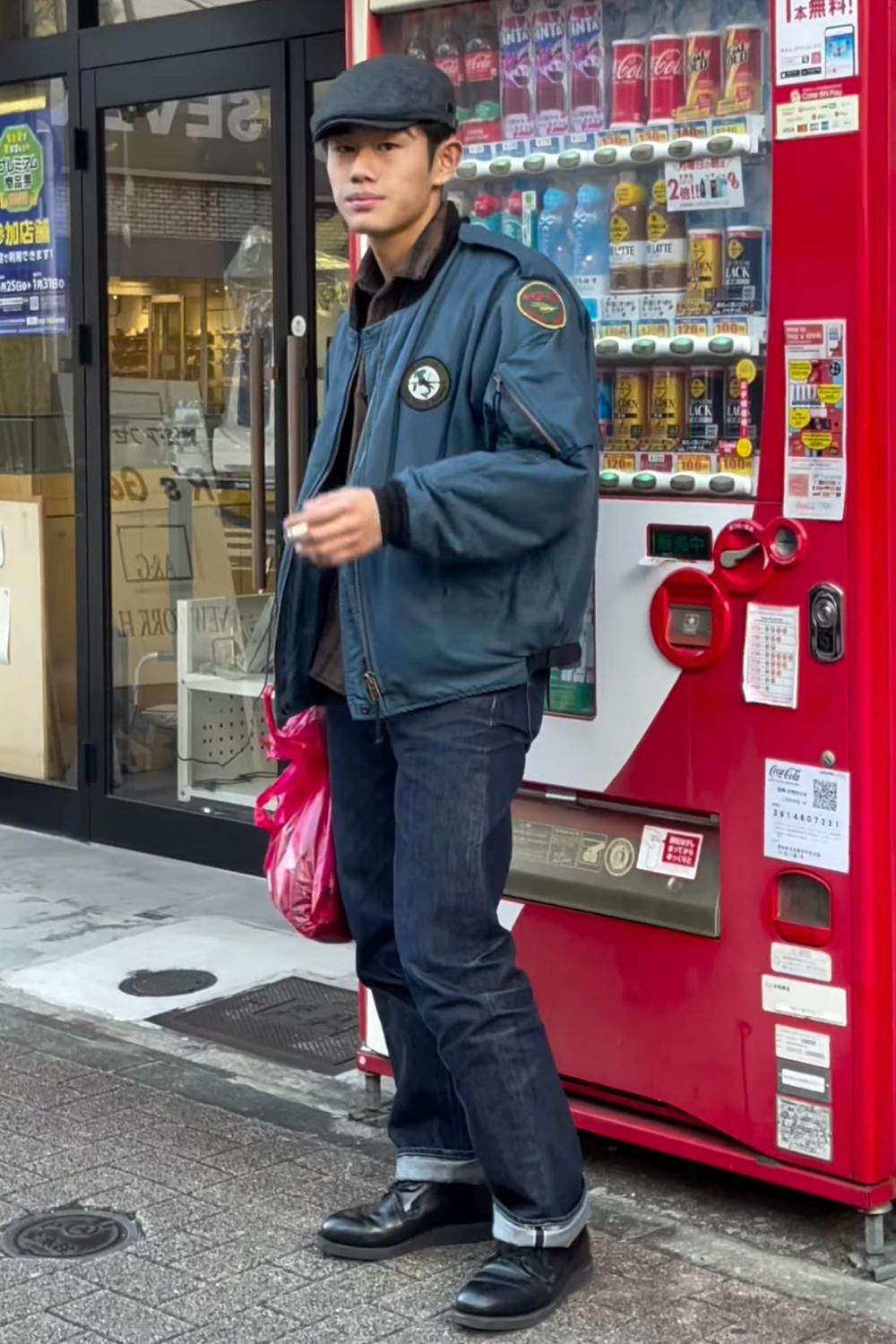
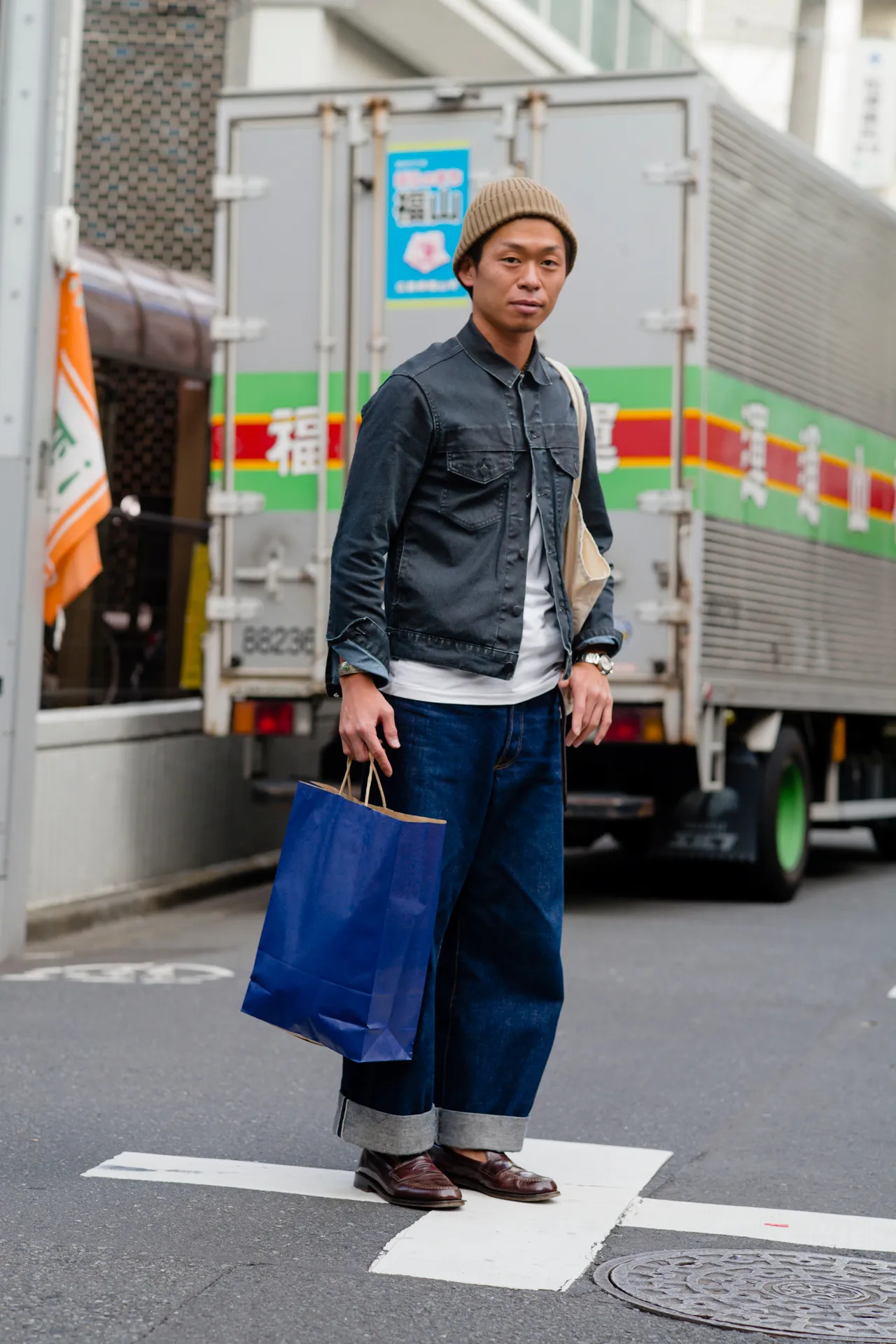
Few countries revere denim quite like Japan. What began as an imported American workwear fabric has been elevated into a near-spiritual craft. Japanese denim is internationally respected for its quality, often woven on vintage shuttle looms that produce a tighter, more durable weave with distinctive textures.
For men, denim is not just casual wear — it is a cornerstone of personal style. Raw denim jeans, selvedge edges, and carefully curated fades are widely appreciated.
Jackets, shirts, and even accessories made from denim are common. The beauty lies in customization through wear: the creases and fades become unique to the individual.
Japanese denim culture celebrates patience. Unlike fast fashion, which aims for instant perfection, denim in Japan is expected to evolve slowly and beautifully over years.


Wabi-Sabi: Beauty in Imperfection
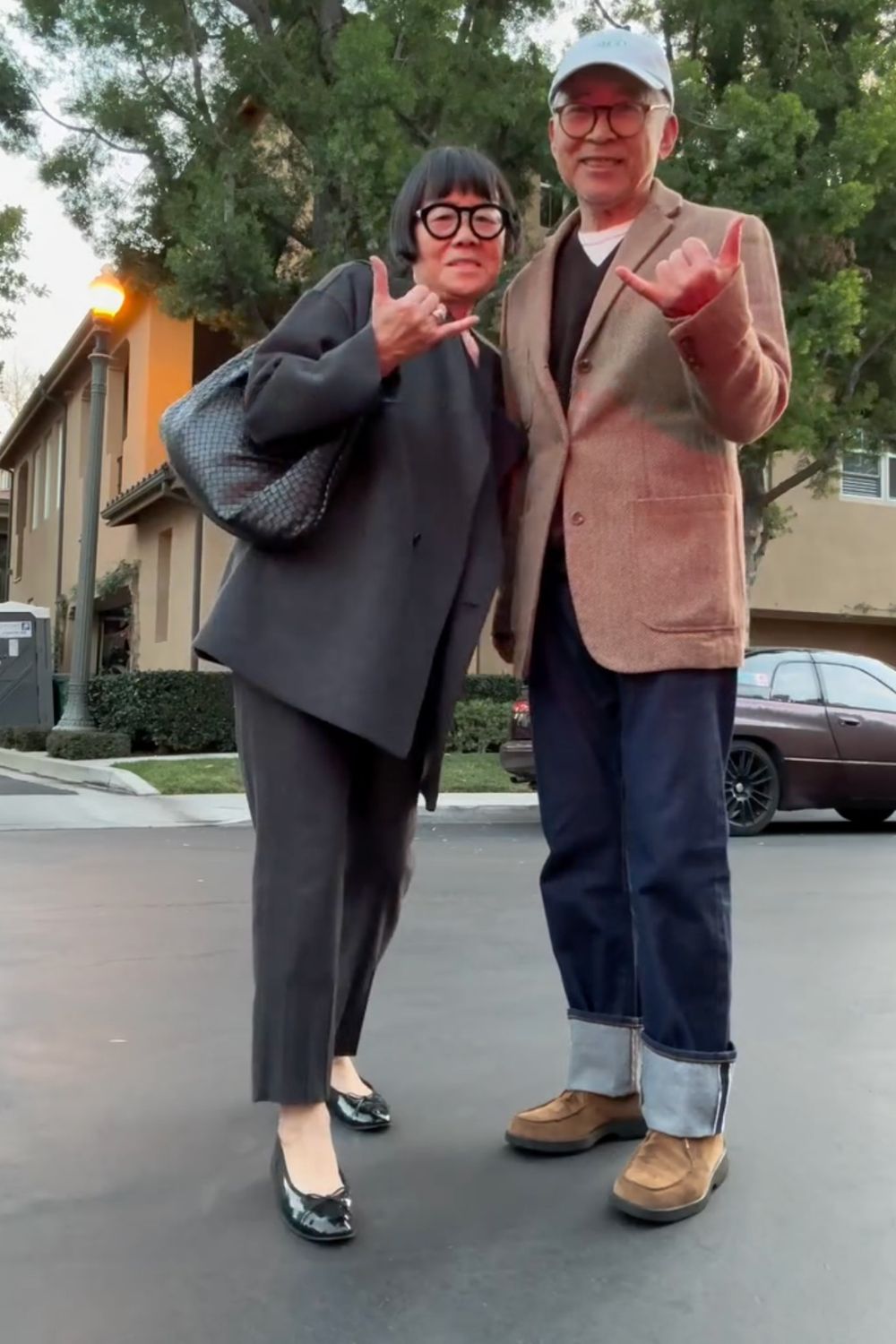
To truly understand Japanese fashion, one must understand wabi-sabi, a traditional aesthetic philosophy that finds beauty in imperfection, impermanence, and authenticity. In clothing, this might appear as distressed fabrics, asymmetrical cuts, faded dyes, or natural wrinkles.
For menswear, wabi-sabi introduces a refreshing contrast to polished perfection. A slightly uneven hem or worn-in leather jacket is not considered careless — it is expressive. The philosophy encourages individuality and embraces garments that feel lived-in rather than pristine.
This approach also promotes sustainability. When imperfection is appreciated, clothing is less likely to be discarded for minor flaws, fostering a deeper relationship between wearer and wardrobe.

Japanese Street Styles and Subcultures
Japan’s street fashion scene is famously diverse, and menswear plays a major role in its visual landscape. Rather than adhering to a single dominant trend, multiple styles coexist and often overlap.
Grunge and Urban Casual
Grunge-inspired looks typically feature layered flannels, distressed denim, oversized tees, and rugged boots. The style leans into relaxed silhouettes and muted tones, offering a laid-back yet expressive aesthetic.

Punk and Rock Influences
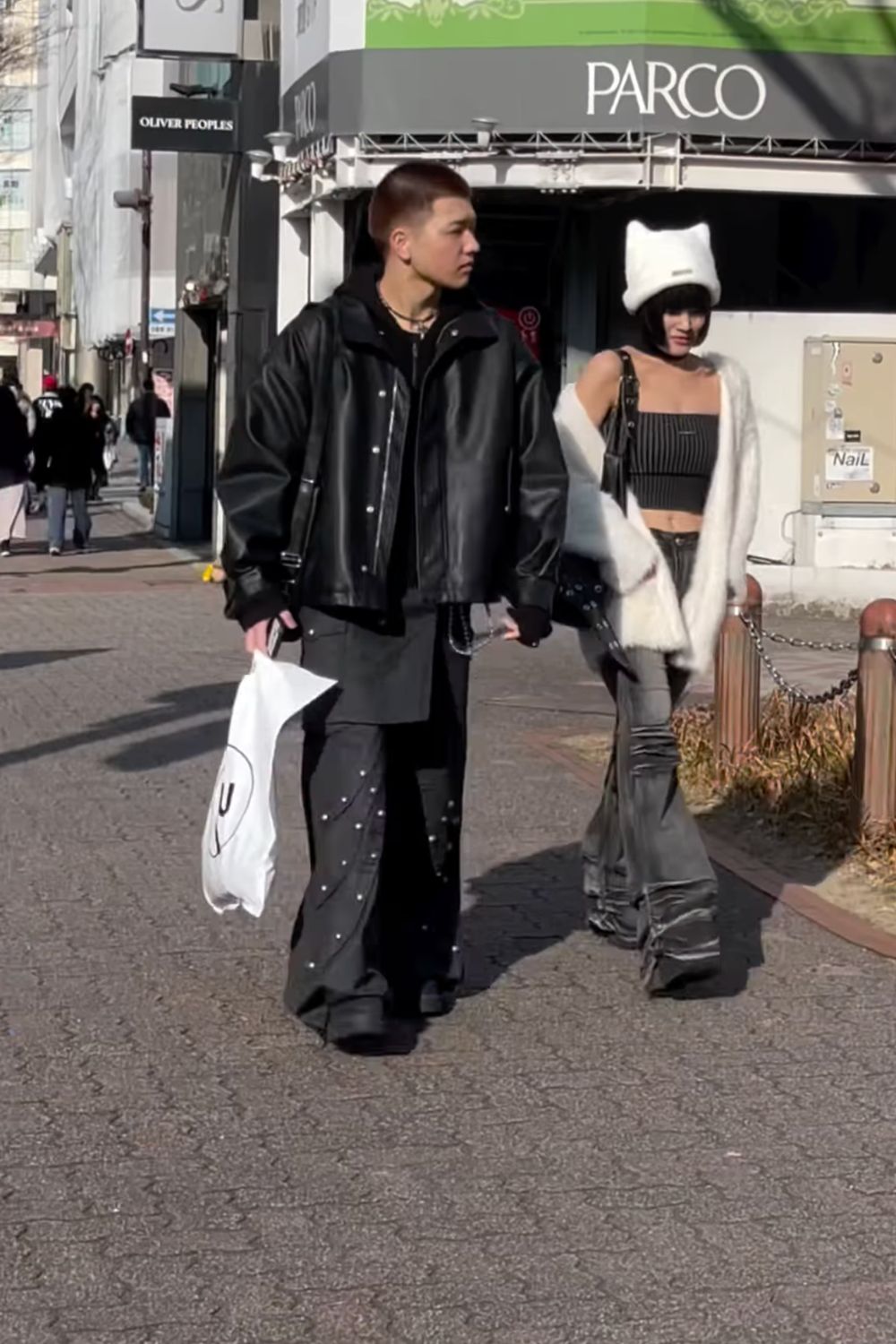
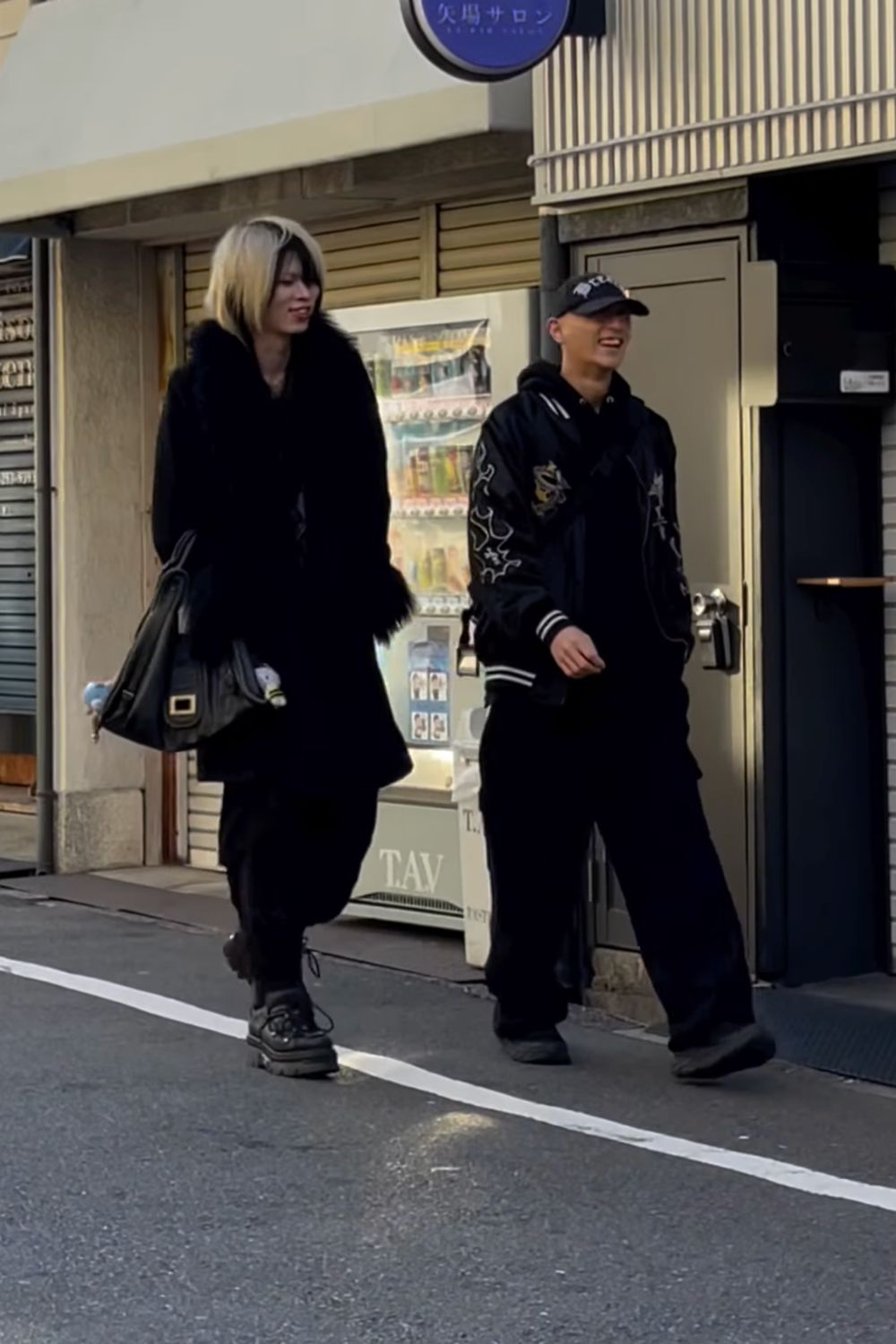
Punk fashion in Japan embraces leather jackets, chains, bold prints, and edgy hairstyles. While it shares roots with Western punk culture, Japanese interpretations often introduce refined tailoring or unexpected textures that elevate the look.

Minimalist and Monochrome
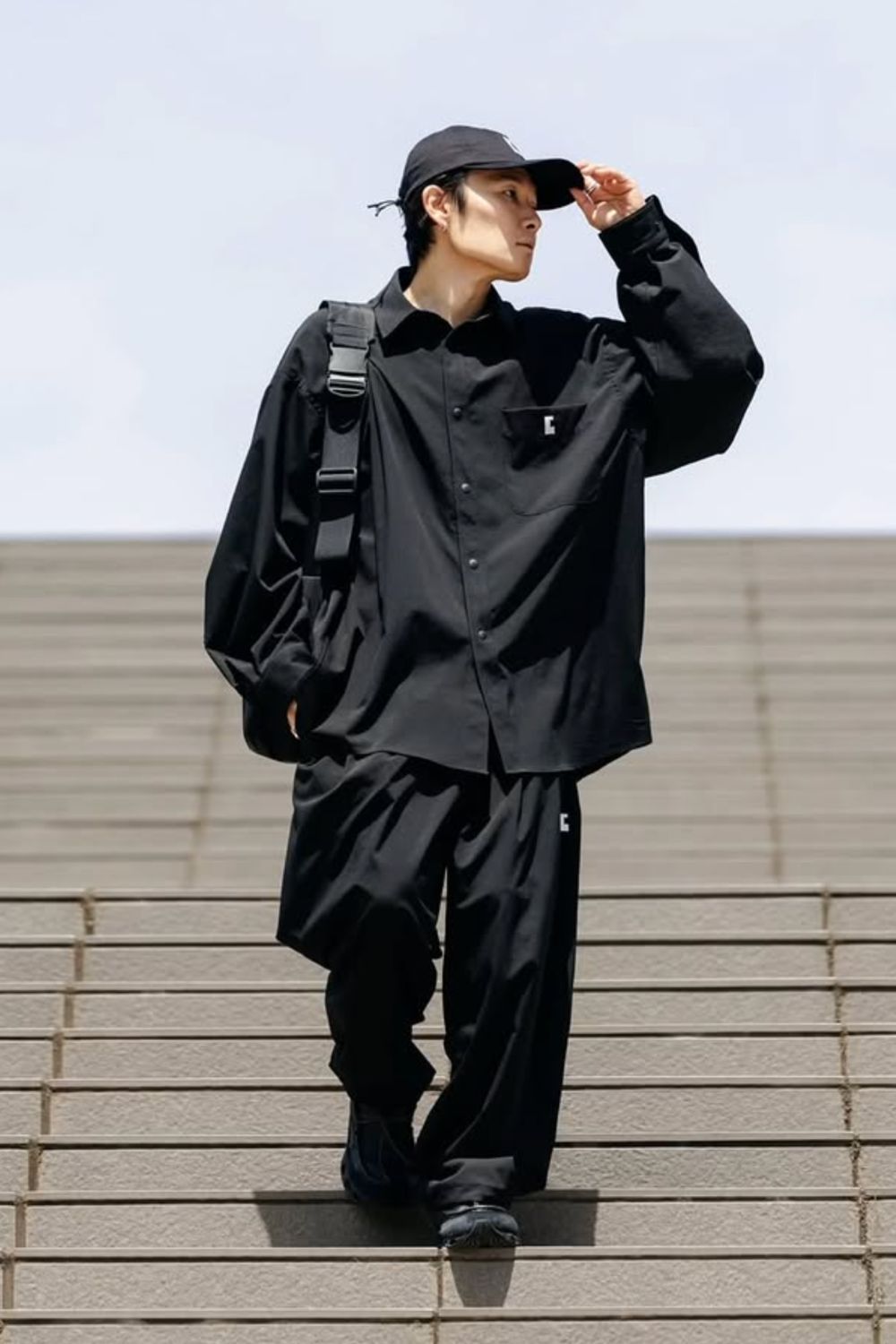
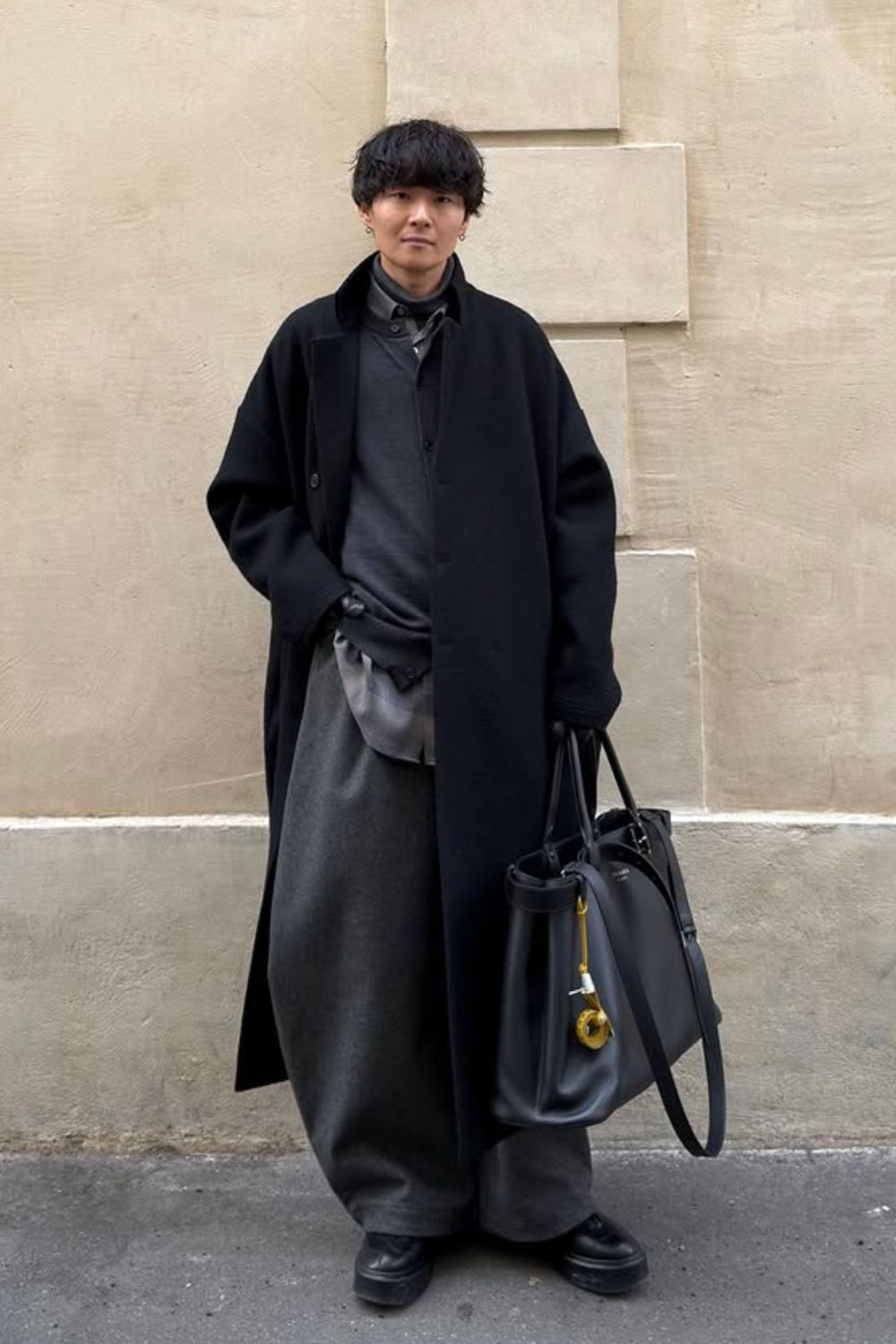
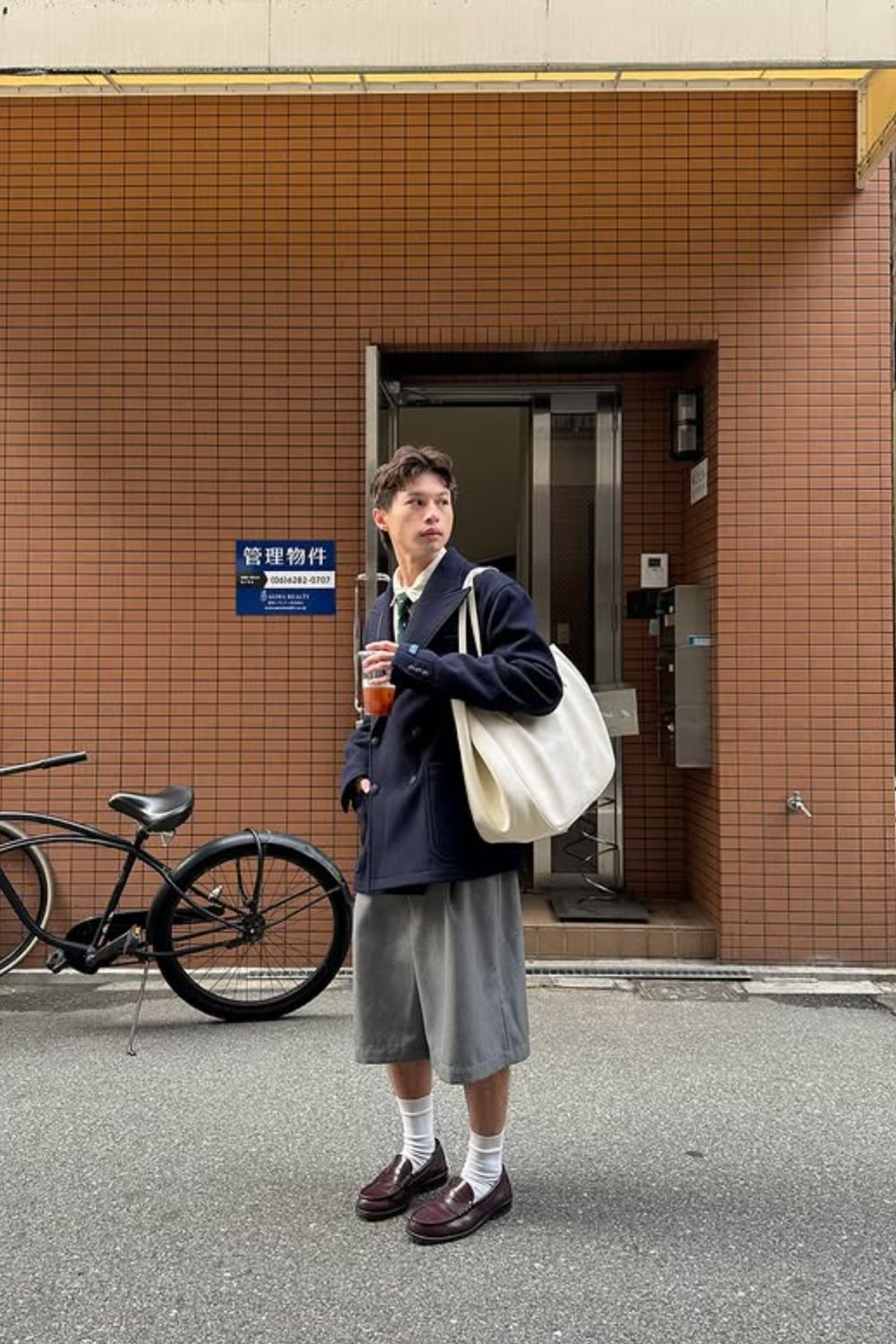
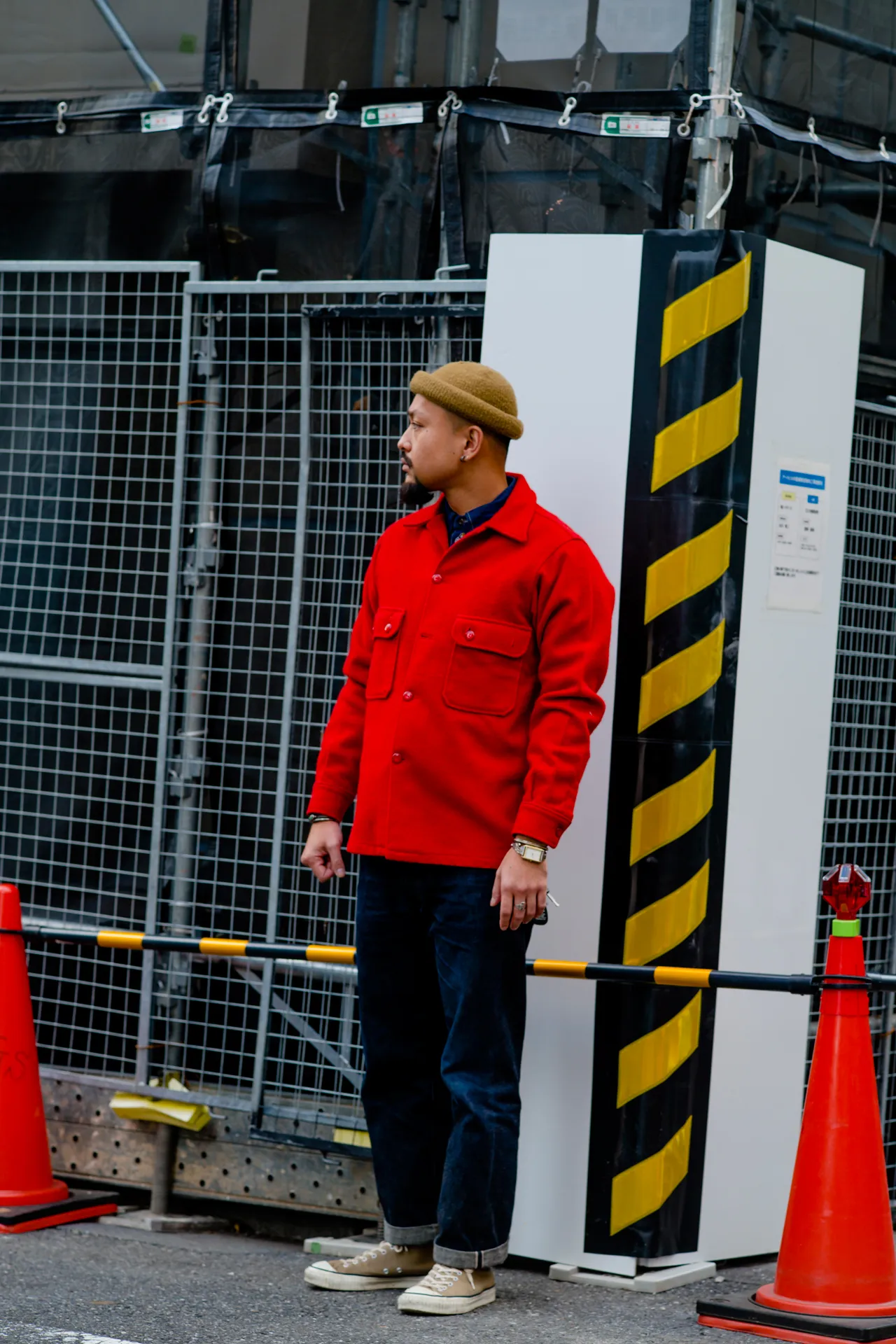
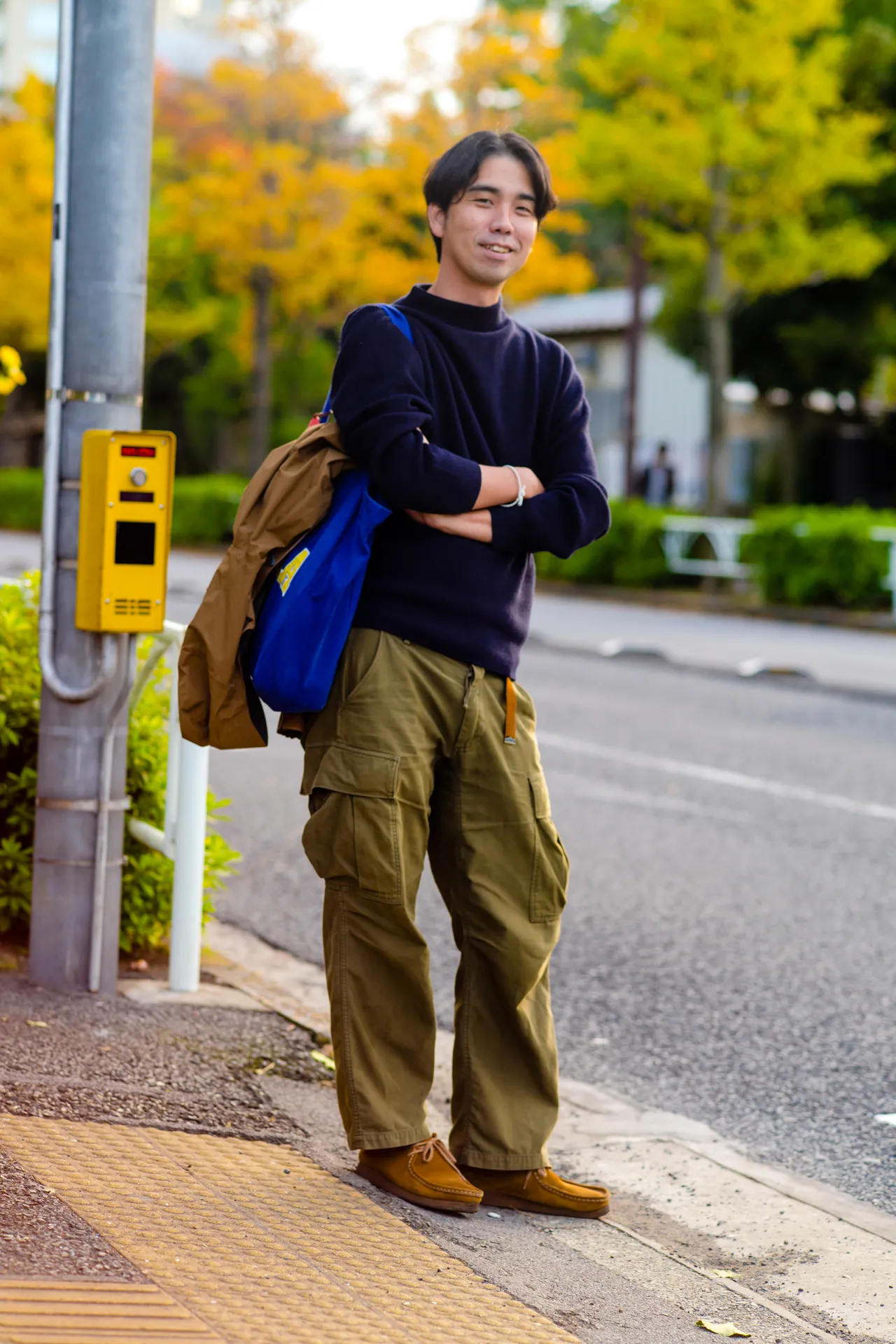
Minimalism is perhaps the most globally recognized Japanese style. Clean lines, neutral palettes, and high-quality fabrics define this aesthetic.
Black, white, grey, and navy dominate wardrobes, creating sleek, cohesive outfits that emphasize form over embellishment.
Avant-Garde and Experimental
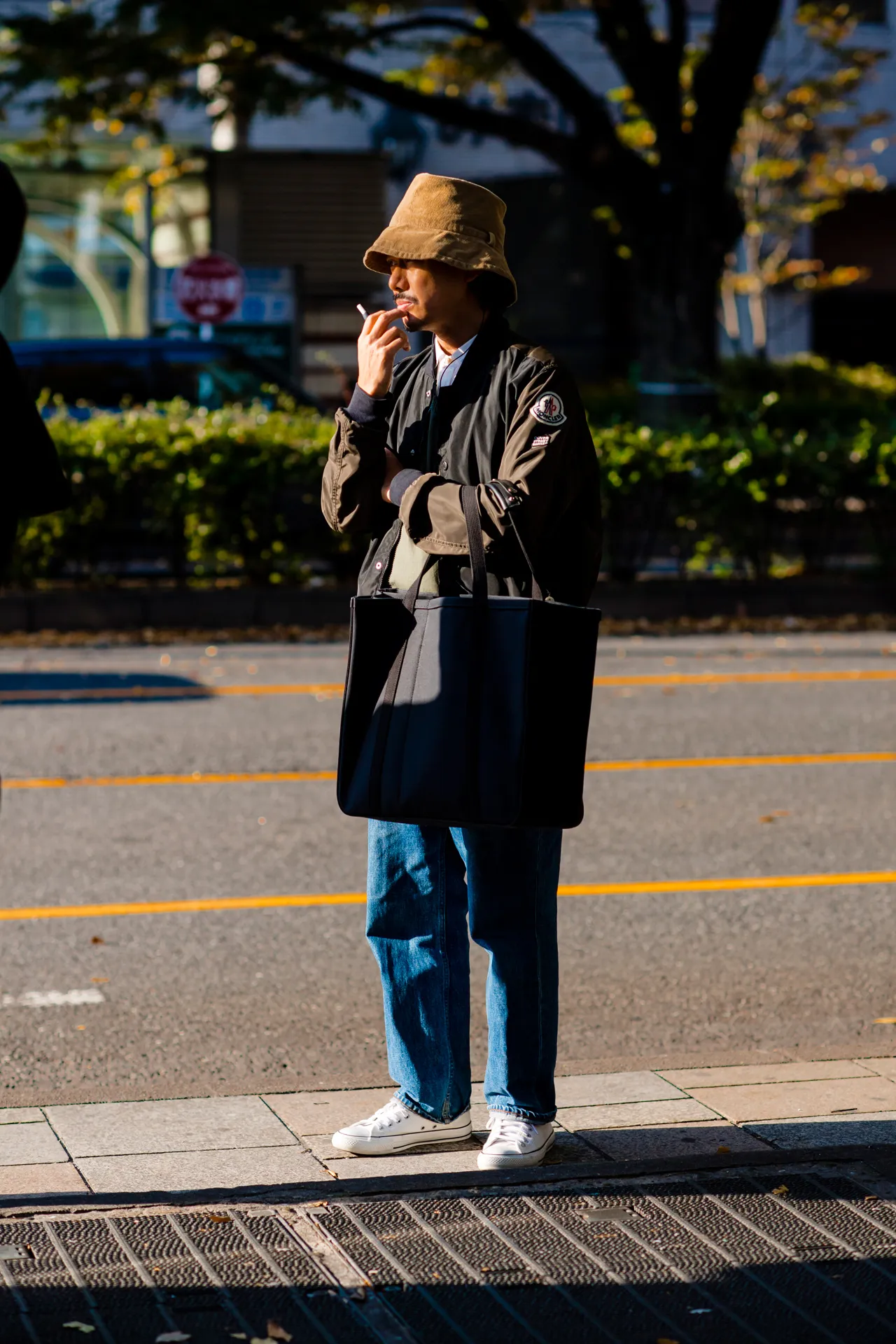
This category pushes boundaries with unconventional silhouettes, layered proportions, and conceptual designs. It’s where fashion becomes art, often challenging traditional ideas of masculinity and clothing function.
Japanese Fashion Brands and Their Signatures
Japanese fashion brands are known for distinct identities rather than generic seasonal trends. Many cultivate loyal followings because of their consistency and craftsmanship.
Comme des Garçons
Known for avant-garde and conceptual designs, this brand often explores asymmetry, deconstruction, and unconventional silhouettes. It is less about everyday wear and more about pushing artistic boundaries.
Issey Miyake
Celebrated for innovation in fabric technology and pleating techniques, Issey Miyake blends futuristic aesthetics with practicality. Menswear often emphasizes movement, comfort, and architectural forms.

Yohji Yamamoto
Recognized for dark palettes, oversized silhouettes, and poetic tailoring, Yohji Yamamoto embodies the minimalist-meets-avant-garde spirit of Japanese fashion. His menswear often feels dramatic yet wearable.
A Bathing Ape (BAPE)
A staple in streetwear culture, BAPE is known for bold graphics, camouflage prints, and youthful energy. It represents the more playful and commercial side of Japanese fashion.
Visvim
Visvim merges traditional craftsmanship with modern functionality. The brand frequently draws inspiration from heritage clothing and artisanal techniques, resulting in timeless, durable menswear.
Layering: The Art of Dimension
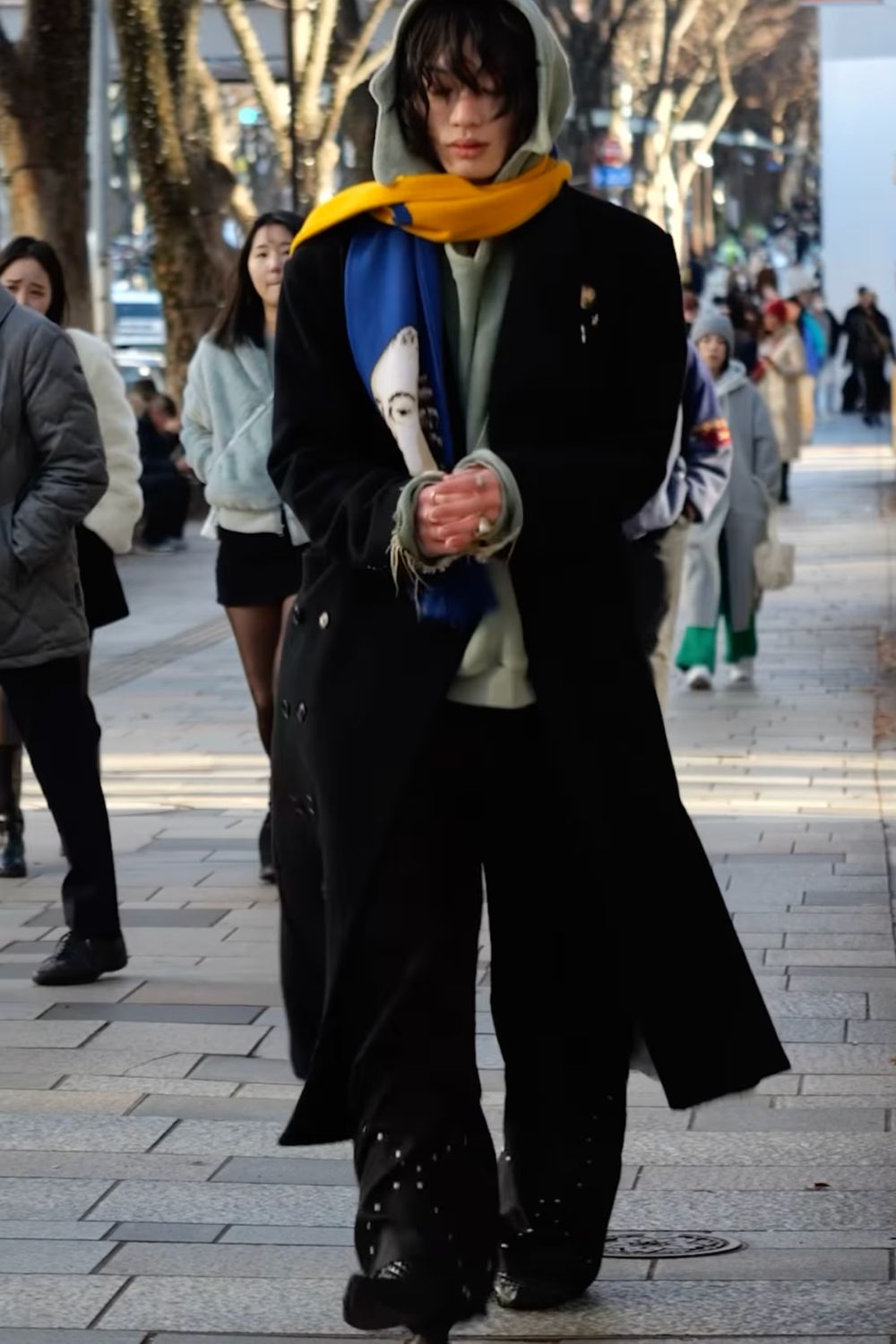
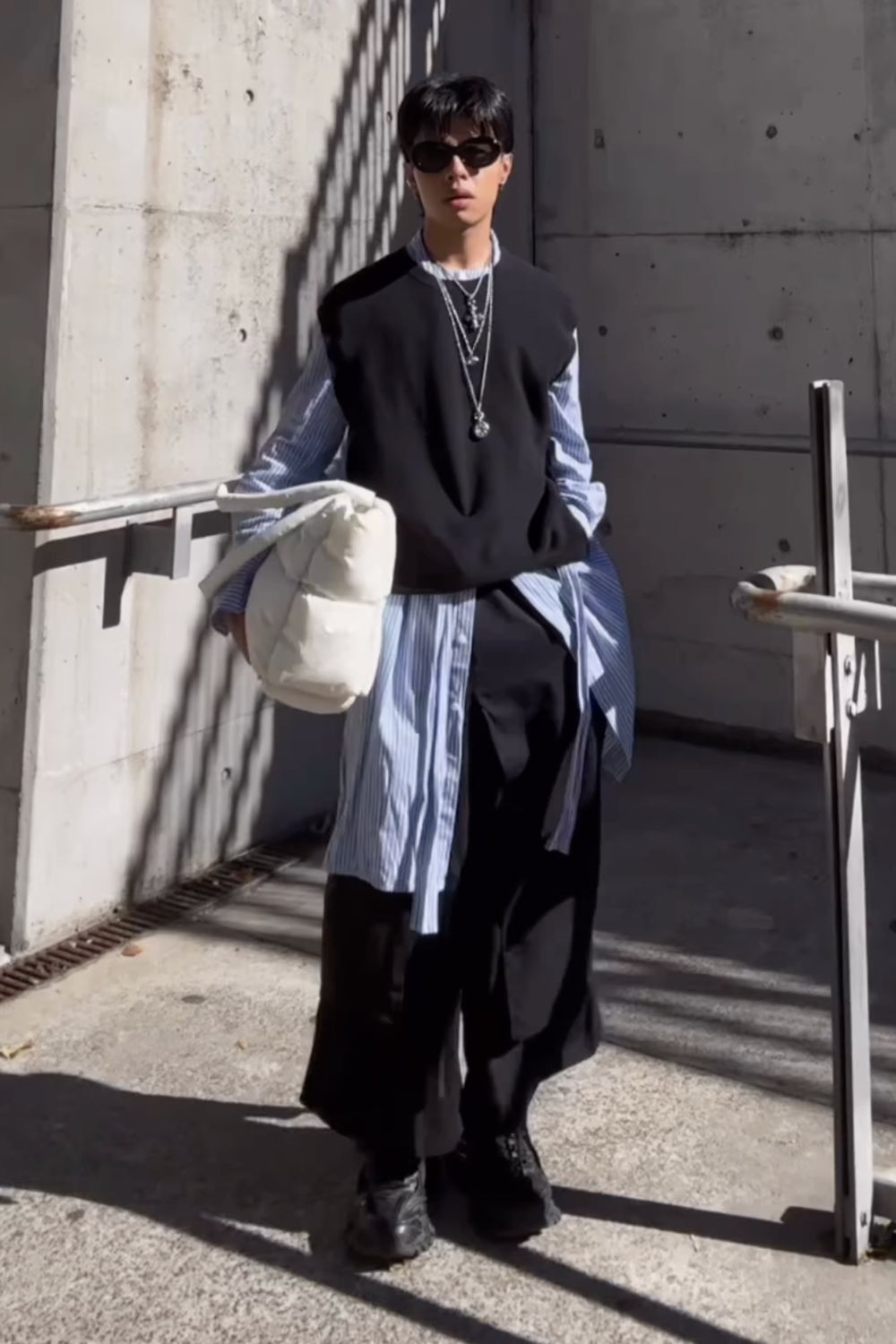
Layering is a hallmark of Japanese style, especially in menswear. Rather than piling on garments randomly, layering is approached with intention. Lengths, textures, and colors are balanced carefully to create visual interest without clutter.
A typical layered outfit might include a long shirt under a cropped jacket, topped with a structured coat, all anchored by relaxed trousers. The effect is multidimensional yet cohesive. Layering also aligns with Japan’s seasonal climate, allowing practicality to blend seamlessly with style.
Why Japanese Mens Fashion Stands Out Globally
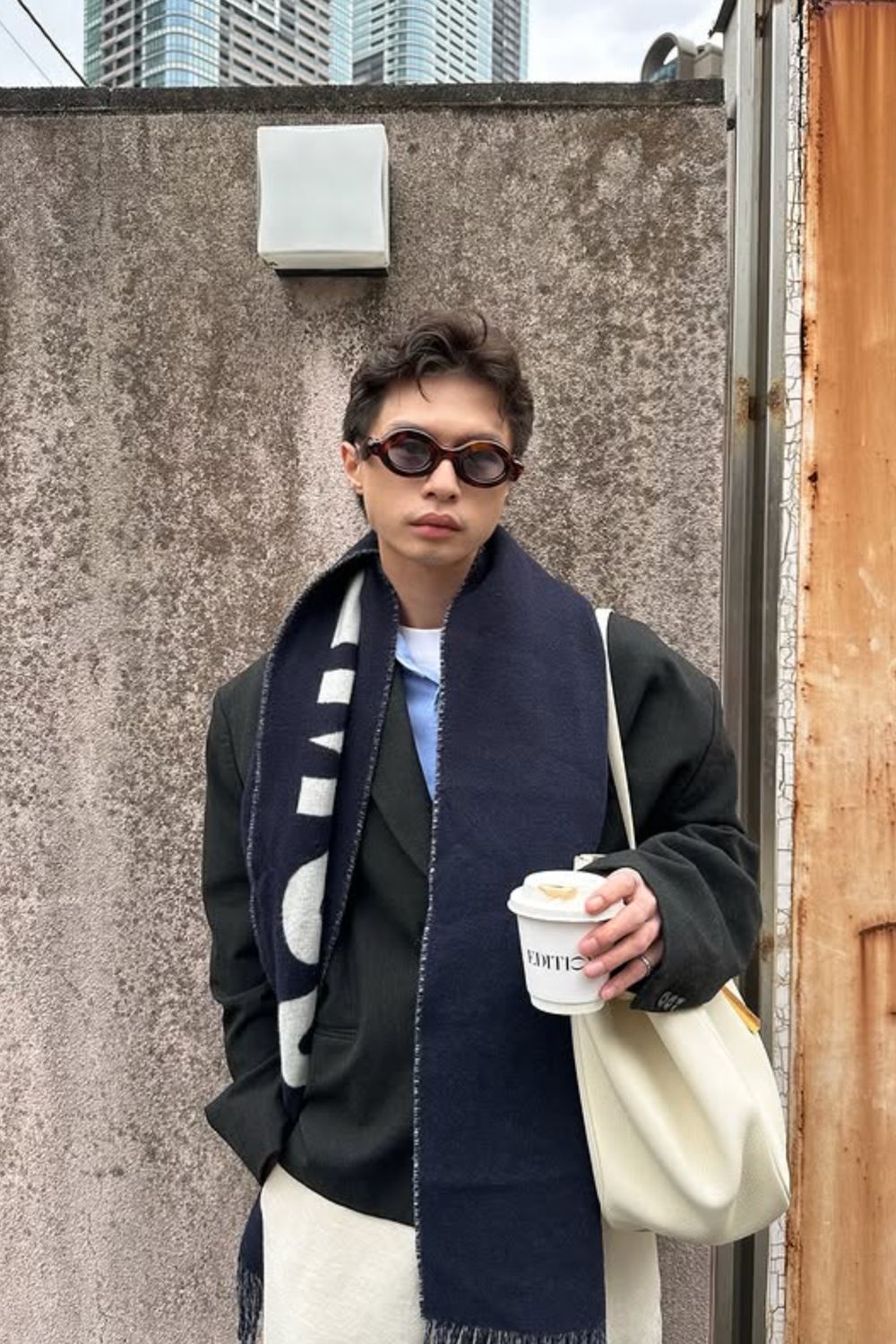
Japanese menswear stands out because it refuses to be one-dimensional. It doesn’t rely solely on luxury branding or fleeting trends. Instead, it focuses on craft, individuality, and cultural philosophy. The clothing often tells a story — about materials, about aging, about imperfection, or about rebellion.
There is also a strong emphasis on personal expression rather than conformity. Men are encouraged to explore silhouettes, textures, and styles that resonate with them, whether that means sleek minimalism or bold experimentation.
Fashion as Identity and Philosophy
Japanese fashion is more than a style category; it is a reflection of cultural values, artistic exploration, and personal storytelling. From the meticulous stitching of denim to the philosophical embrace of wabi-sabi, every aspect carries intention.
Menswear, in particular, thrives on this blend of precision and personality, offering options that range from understated elegance to daring creativity.

What makes Japanese fashion truly captivating is its ability to honor tradition while constantly reinventing itself. It teaches us that clothing can be functional, expressive, and meaningful all at once.
In a world dominated by fast trends, Japanese fashion reminds us that style can be slow, thoughtful, and deeply personal — and that sometimes, the smallest details make the loudest statement.